Have you ever wondered what breeds might be mixed into your cat’s unique personality and looks? If you’re curious about your furry friend’s roots, you might be asking: Can you test for specific breeds of cats?
Understanding your cat’s breed can reveal fascinating traits, health clues, and even explain some quirky behaviors. Keep reading, because uncovering your cat’s breed could change the way you see and care for your beloved companion.
Cat Breed Testing Basics
Understanding the basics of cat breed testing can help you uncover your feline’s unique heritage. Knowing your cat’s breed can influence their care, behavior expectations, and even health monitoring. Let’s take a closer look at what breed testing involves and the different types available.
What Breed Testing Involves
Breed testing typically starts with collecting a DNA sample from your cat. This is often done using a simple cheek swab, which is painless and quick. The sample is then sent to a lab where experts analyze the genetic markers to identify breed traits.
Results may reveal a mix of breeds, especially if your cat is a rescue or adopted. You might discover surprising ancestry that explains your cat’s personality or physical features. Have you ever wondered why your cat acts a certain way? Breed testing could give you the answers.
Types Of Cat Breed Tests
There are several types of breed tests you can choose from, depending on what you want to learn about your cat. Some tests focus solely on breed identification, while others also screen for genetic health risks.
- Breed Identification Tests:These tests provide a breakdown of your cat’s breed composition. They can show if your cat is purebred or a mix, highlighting the dominant breeds in their DNA.
- Health and Genetic Trait Tests:In addition to breed info, these tests check for inherited diseases and traits like coat color or fur length. This can be especially useful for planning your cat’s healthcare.
- Comprehensive DNA Panels:These offer a full genetic profile, combining breed identification with health insights. They’re more detailed but also more expensive.
Choosing the right test depends on your goals. Are you curious about your cat’s breed, or do you want to be proactive about their health? Knowing what each test offers helps you make the best choice for your furry friend.
Dna Testing For Cats
DNA testing for cats has become a popular way to discover more about your feline friend’s heritage. This science-based approach can reveal the specific breeds that make up your cat’s unique genetic makeup. Understanding these breeds can help you learn about your cat’s behavior, health risks, and even personality traits.
How Dna Tests Identify Breeds
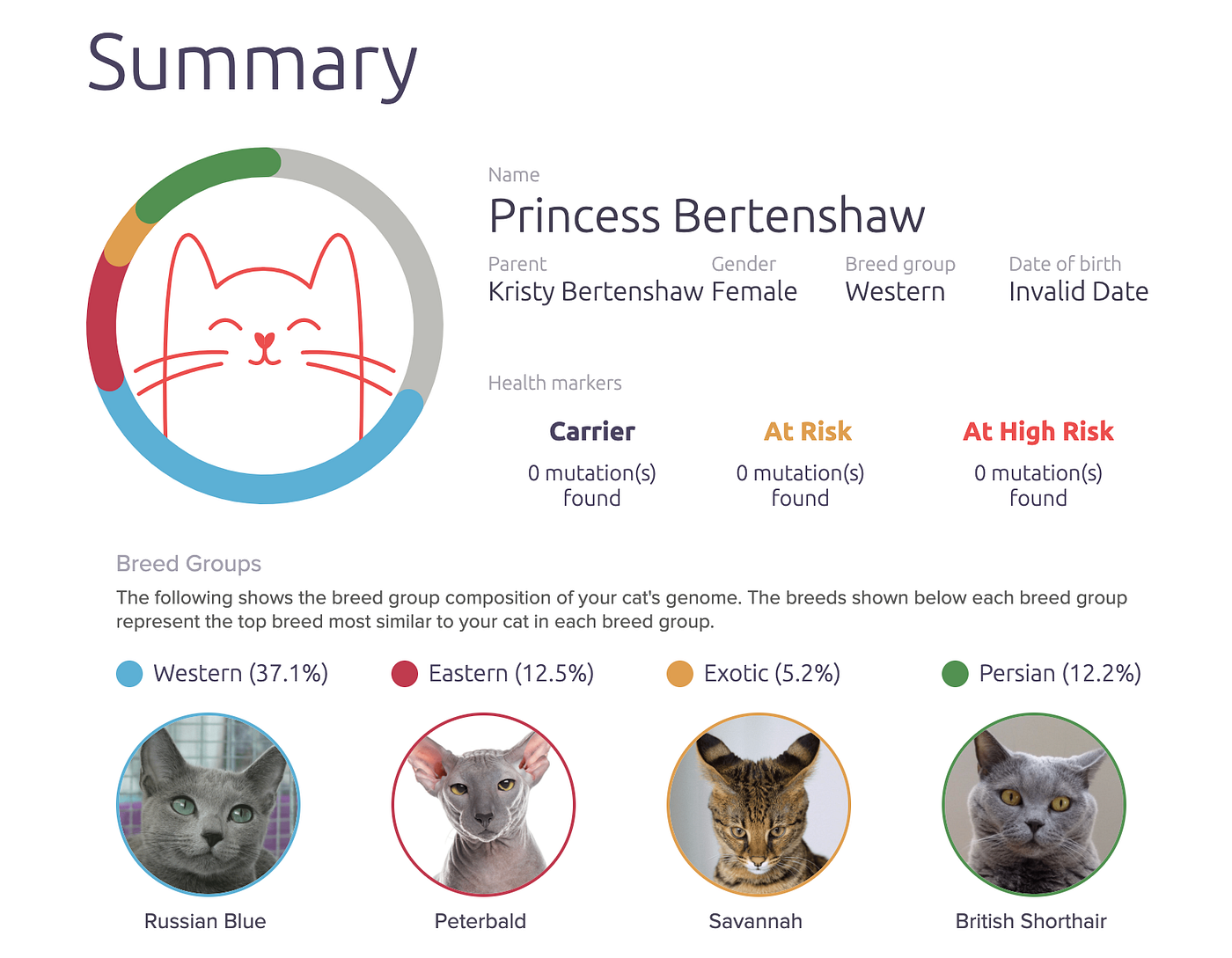
DNA tests work by analyzing your cat’s genetic markers and comparing them to a large database of known breeds. Each breed has distinctive genetic patterns that the test looks for. When a match occurs, the test reports the percentage of each breed present in your cat’s DNA.
These tests don’t just stop at breed identification. Some also screen for genetic health conditions linked to certain breeds. This dual purpose makes DNA testing a valuable tool for cat owners who want to care for their pets proactively.
Popular Dna Test Kits
Several DNA test kits are available, each with its own strengths and features. Some of the most popular include:
- Basepaws:Known for its detailed breed reports and health screening options.
- Wisdom Panel:Offers a comprehensive breed database and includes health risk assessments.
- Orivet:Provides breed identification along with insights into traits and genetic conditions.
Choosing a kit depends on what you want to learn about your cat. Are you curious about its ancestry, or do you want to know potential health issues? Picking the right test can give you the answers you need.
Physical Traits Vs. Genetic Tests
Identifying specific breeds of cats can be challenging. You might rely on physical traits or genetic tests. Both methods have their pros and cons. Understanding these can help in choosing the right approach.
Limitations Of Visual Identification
Physical traits often mislead cat breed identification. Many breeds share similar features. For example, several breeds have similar coat patterns. Eye color can also vary within a single breed. Relying solely on appearance may result in errors. Some mixed-breed cats mimic purebreds closely. Visual identification lacks precision.
Advantages Of Genetic Testing
Genetic testing offers more accuracy. It delves into a cat’s DNA for breed information. Tests can reveal mixed-breed backgrounds. They can confirm breed purity. Genetic tests provide detailed insights. They help in understanding hereditary health risks. Owners can make informed decisions on care and health management.

Credit: www.rover.com
Accuracy And Reliability
Accuracy and reliability are key when you want to test for specific breeds of cats. You need to trust the results to make informed decisions about your feline friend. But how accurate are these tests, and what affects their reliability? Understanding this can save you from surprises and help you appreciate what the test really tells you.
Factors Affecting Test Accuracy
Several factors influence how accurate a cat breed test can be. The quality of the DNA sample is crucial—poor samples can lead to unclear or incorrect results. Using a cheek swab properly, avoiding contamination, and following instructions closely make a big difference.
The database the test uses also matters. If the test company has a large, diverse database of cat breeds, the results tend to be more precise. Some tests might miss rare breeds or confuse closely related breeds because of limited data.
Another factor is the genetic markers chosen for testing. Not all markers are equally good at identifying specific breeds. Some tests focus on common breeds, so if your cat has a mix of rare breeds, the test might not pick them up accurately.
Interpreting Test Results
Once you get your results, it’s important to understand what they really mean. Breed percentages often show estimates rather than exact figures. If your cat is listed as 25% Siamese, it doesn’t mean exactly one-quarter of their DNA matches Siamese—it’s an approximation based on available data.
Tests may also show “unknown” or “mixed” categories. This doesn’t mean the test failed; it means your cat’s genetic background includes breeds or mixes not clearly identified yet. Instead of focusing on these labels alone, think about your cat’s personality and health traits too.
Have you ever been surprised by your cat’s breed results? It’s common because genetics are complex. Use the test as a fun guide, not a strict rulebook about your cat’s identity.
Choosing The Right Test
Choosing the right test for identifying cat breeds matters for accuracy and cost. Different tests offer various levels of detail about your cat’s genetic background. Some focus on specific breeds, while others provide a broad overview of mixed ancestry. Understanding your needs helps pick the best test for your pet.
Cost Considerations
Prices for cat DNA tests vary widely. Basic tests that identify common breeds tend to be cheaper. More detailed tests that check for rare breeds or health traits cost more. Shipping fees and lab processing times can also affect the total price. Budgeting carefully ensures you get valuable results without overspending.
Testing For Mixed Breeds
Many cats are mixed breeds, making breed identification complex. Some tests specialize in detecting mixed ancestry by comparing many breed markers. These tests give a percentage breakdown of your cat’s genetic mix. Knowing the mix can help understand behavior and health risks. Choose a test with a large breed database for better results.
Benefits Of Breed Testing
Breed testing your cat offers more than just satisfying curiosity. It provides valuable information that can impact your pet’s health and behavior. Knowing your cat’s breed makeup can guide you in giving them the best care possible.
Health Insights
Breed testing can reveal genetic predispositions to certain health issues. For instance, if your cat has Siamese ancestry, you might want to watch for respiratory problems. This knowledge allows you to take preventive measures or seek early treatment.
Understanding breed-specific health risks can also help you choose the right veterinarian or specialist. It’s easier to manage chronic conditions when you know what to expect. Have you ever wondered if your cat’s frequent tummy troubles are linked to their breed?
Behavioral Traits
Your cat’s breed influences their personality and habits. A Maine Coon mix, for example, might be more social and playful than a Persian, which could be calmer and more reserved. Recognizing these traits helps you create a more comfortable environment for your cat.
Knowing behavioral tendencies can improve training and interaction. You can tailor activities to suit your cat’s natural preferences, reducing stress and boredom. What new games or routines might you try once you understand your cat’s breed traits better?
Limitations And Ethical Concerns
Testing for specific breeds of cats can seem helpful. It may give clues about a cat’s background. Yet, this testing has clear limits and raises ethical questions. Results might not be fully accurate. Some breeds share similar genes, causing confusion. Breed tests also do not tell a cat’s personality or health fully. These limits matter for owners and shelters alike.
Ethical concerns focus on privacy and how test data is used. Also, test results can affect adoption chances unfairly. Understanding these concerns helps ensure responsible use of breed testing.
Privacy And Data Use
Genetic testing collects sensitive information about cats. Labs store this data and may share it with third parties. Owners often do not know how their cat’s data is handled. This raises privacy issues. Data misuse could harm cats or owners. Clear rules about data storage and sharing are essential. Owners should read privacy policies carefully before testing.
Impact On Adoption Decisions
Breed test results can influence adoption choices. Some people prefer certain breeds and avoid others. This can leave many cats waiting longer for a home. Shelters may label cats by breed, limiting their chances. Breed does not define a cat’s behavior or love. Focusing too much on breed can harm shelter animals. Adoption decisions should consider personality and needs, not just genetics.

Credit: www.rover.com
Credit: kristybertenshaw.medium.com
Frequently Asked Questions
Can You Test For Specific Cat Breeds At Home?
Yes, you can test for specific cat breeds at home using DNA test kits. These kits analyze your cat’s genetic markers. They provide breed identification and health information. Results usually arrive within weeks. Home testing is convenient and accurate for most popular breeds.
How Accurate Are Cat Breed Dna Tests?
Cat breed DNA tests are generally accurate, with 90-98% reliability. They compare your cat’s DNA to a large breed database. Accuracy depends on the test quality and breed representation. Most tests identify mixed breeds and dominant traits well. Always choose reputable testing companies for best results.
What Breeds Can Cat Dna Tests Identify?
Cat DNA tests identify over 40 to 60 breeds, including popular ones like Siamese, Persian, and Maine Coon. They also detect rare breeds and mixed ancestry. Breed databases are regularly updated to improve identification. Testing reveals breed percentages to better understand your cat’s heritage.
How Does Cat Dna Testing Benefit Owners?
Cat DNA testing helps owners understand breed traits and health risks. It guides better care, nutrition, and medical decisions. Breed info can explain behavior and personality quirks. Early detection of genetic conditions is possible. Testing also supports responsible breeding and adoption choices.
Conclusion
Testing for specific cat breeds is possible with modern DNA kits. These tests help identify your cat’s breed mix clearly. They can tell you about traits and health risks too. Keep in mind, some breeds may not show up perfectly.
Breed testing offers fun insights but is not always exact. It can deepen your bond with your pet. Choosing a reliable test is important for best results. Enjoy learning about your cat’s unique background today.


Leave a Reply