
You love playing with your cat and want to keep them happy and healthy. But have you ever wondered if their toys could actually put them at risk?
Specifically, can cat toys spread feline leukemia, a serious disease that affects many cats? This question might surprise you, but it’s important to know the truth to protect your furry friend. Keep reading to discover what you need to watch out for and how to keep your cat safe while still having fun.
Your cat’s health depends on it.
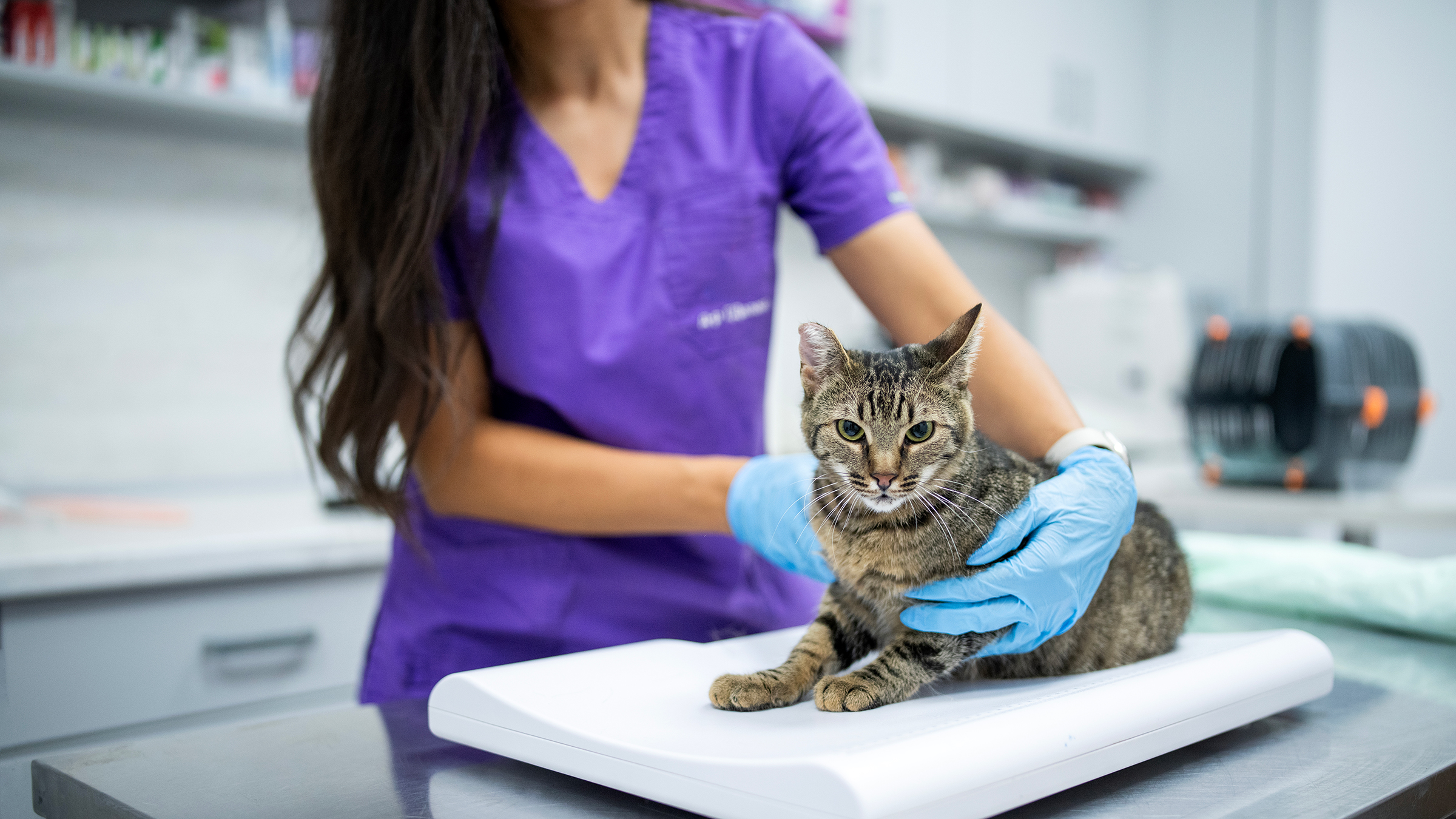
Credit: www.goodrx.com
Feline Leukemia Basics
Understanding the basics of Feline Leukemia is key to protecting your cat’s health. This virus affects many cats worldwide and can change how you interact with your pets, especially when it comes to sharing toys and spaces. Knowing what Feline Leukemia Virus (FeLV) is and how it spreads will help you make smarter decisions for your feline friends.
What Is Feline Leukemia Virus
Feline Leukemia Virus, or FeLV, is a contagious virus that weakens a cat’s immune system. It can cause serious illnesses like anemia, infections, and even cancer. Not every cat exposed to FeLV becomes sick immediately, but the virus can stay in their system and cause health problems later.
FeLV is one of the leading causes of death in cats. Unlike some viruses, it specifically targets cats and doesn’t affect humans or other animals. Understanding this can help you focus on how to keep your cats safe from this specific threat.
How Felv Spreads Among Cats
The virus spreads mainly through close contact between cats. Sharing food bowls, grooming each other, or biting during fights can all pass the virus. Even saliva, urine, and feces from an infected cat can carry FeLV, so it’s important to be cautious with communal areas and items.
What about cat toys? While toys themselves don’t spread the virus, if an infected cat’s saliva or other fluids get on a toy and another cat puts that toy in their mouth soon after, there is a small risk. This makes regular cleaning of shared toys a practical step to protect your cats.
Have you noticed how your cats interact with their toys? Observing their behavior can help you spot potential risks early. Keeping a clean play area and separating toys for infected and healthy cats can reduce the chance of spreading FeLV.

Credit: www.cbc.ca
Cat Toys And Disease Transmission
Cat toys are essential for keeping your feline friend entertained and active. But have you ever considered if these toys could also be a source of disease transmission? Understanding how cat toys might play a role in spreading illnesses like Feline Leukemia Virus (FeLV) is important for every cat owner.
Common Contamination Sources
Toys can get contaminated in many ways. Cats often share toys, and saliva or small amounts of blood can transfer viruses between them. If one cat carries FeLV, their secretions on a toy could put other cats at risk.
Dirty or rarely cleaned toys are more likely to harbor germs. Think about plush toys with stuffing that absorbs saliva or hard toys with cracks where viruses can hide. Regularly inspecting and cleaning toys reduces this risk significantly.
Can Toys Harbor Viruses
Viruses like FeLV don’t survive long outside a cat’s body, but they can live on surfaces for a short time. This means if a sick cat uses a toy and another cat plays with it shortly after, transmission is possible.
Plastic or rubber toys are easier to sanitize compared to fabric ones. You can wipe or wash them with pet-safe disinfectants. This simple step helps protect your cats and keeps their playtime safe.
Do you clean your cat’s toys regularly? It might be the difference between a fun afternoon and a risky one. Keeping toys clean is a practical way to lower the chance of disease spread in multi-cat households.
Myths About Felv And Toys
Many cat owners worry about feline leukemia virus (FeLV) spreading through toys. This concern often leads to confusion and unnecessary fear. Understanding the truth about FeLV and toys helps keep cats safe and happy. Clearing up myths is important for responsible pet care.
Separating Fact From Fiction
FeLV spreads mainly through close contact between cats. Sharing food bowls, grooming, or biting are common ways to catch it. The virus does not survive long outside a cat’s body. Toys, especially hard or plastic ones, rarely carry the virus.
Soft toys with saliva on them can pose a tiny risk. But proper cleaning removes most of the virus. Washing toys regularly keeps cats healthy and reduces any chance of infection. Avoid sharing toys between infected and healthy cats.
Common Misconceptions Explained
- Toys are a major source of FeLV:False. Close cat contact spreads FeLV more than objects.
- FeLV can live on toys for days:No. The virus dies quickly outside the cat.
- Cleaning toys is unnecessary:Wrong. Cleaning lowers all infection risks.
- All cats sharing toys risk FeLV:Only if one cat is infected and toys are contaminated.
Knowing facts helps reduce fear and protect cats better. Toys bring joy, not illness, if kept clean and safe.
Real Risks Of Felv Transmission
Cats’ toys rarely spread Feline Leukemia Virus (FeLV). The virus mainly passes through close contact like biting or grooming. Cleaning toys regularly helps keep cats safe from infections.
Understanding the potential risks of Feline Leukemia Virus (FeLV) transmission is crucial for any cat owner. This virus, which affects the immune system of cats, can lead to severe health issues. But how is it spread, and should you be worried about your cat’s toys as a source?Direct Contact Vs. Indirect Contact
FeLV is primarily spread through direct contact between cats. This usually happens when infected cats groom each other, share food bowls, or engage in play. While your cat’s toys aren’t a direct source of the virus, they can play a role if shared with an infected cat. Indirect contact poses a much lower risk. FeLV does not survive long outside a cat’s body, so toys or surfaces are unlikely to be a significant source of transmission. However, maintaining good hygiene by regularly cleaning toys can further minimize any potential risk.Role Of Saliva And Bodily Fluids
Saliva and other bodily fluids are the main culprits in spreading FeLV. When cats groom each other, share water bowls, or even bite during play, the virus can be transmitted. It’s less about the toys themselves and more about the activities surrounding them. Consider this: if an infected cat drools on a toy, and your cat immediately plays with it, there’s a slim chance of transmission. But this scenario is far less common than direct contact like grooming. Always monitor interactions if you suspect any cat might be infected. Is your curiosity piqued yet? Ensuring your feline friend’s environment is safe starts with understanding these transmission methods. Could this knowledge change how you manage your cat’s playtime and interactions?Preventing Felv Spread At Home
Preventing the spread of Feline Leukemia Virus (FeLV) at home is crucial for the health of your cats. The virus spreads mainly through close contact and shared items. Cat toys can carry the virus if not cleaned properly. Keeping toys and play areas clean reduces the risk of transmission. Safe play habits also protect your cats from getting infected.
Cleaning And Disinfecting Toys
Regular cleaning of cat toys removes germs and virus particles. Use warm water and mild soap to wash toys after each use. Avoid harsh chemicals that can harm your cat. Some toys can be disinfected with a pet-safe solution.
- Wash soft toys in hot water if the material allows.
- Plastic and rubber toys can be soaked briefly in diluted bleach (1 part bleach to 30 parts water), then rinsed well.
- Dry toys completely before giving them back to your cats.
- Discard any toys that are cracked or hard to clean.
Cleaning toys frequently limits FeLV survival on surfaces. It also keeps your cats safe and healthy.
Safe Play Practices For Cats
Separate toys for each cat help prevent FeLV spread. Avoid sharing toys between cats of different FeLV status. Supervise playtime to reduce close face-to-face contact. Use interactive toys like wand toys to keep distance during play.
- Provide individual toys for cats who are FeLV positive.
- Rotate toys regularly to keep cats interested and reduce sharing.
- Encourage gentle play to avoid saliva contact.
- Keep feeding bowls and litter boxes separate for infected cats.
Following these safe play habits protects all cats in your home. It reduces the chance of FeLV moving from one cat to another.
When To Consult A Vet
Knowing when to consult a vet about your cat’s health is crucial, especially if you’re concerned about Feline Leukemia Virus (FeLV). Cats can carry this virus without obvious signs, so being alert to changes in behavior or health helps catch problems early. If you suspect your cat might be at risk, don’t wait—getting professional advice can make a big difference.
Recognizing Felv Symptoms
FeLV symptoms can be subtle at first. Watch out for:
- Loss of appetite or weight
- Persistent fever or lethargy
- Swollen lymph nodes or pale gums
- Recurring infections or slow healing wounds
These signs might seem like common illnesses, but if they last more than a few days, it’s time to see your vet. Early detection can improve your cat’s quality of life significantly.
Testing And Vaccination Options
Your vet can perform quick blood tests to detect FeLV. These tests are painless and provide fast results. If your cat tests positive, your vet will discuss management options to keep your pet comfortable.
Vaccination is another key step. Ask your vet if your cat should get the FeLV vaccine, especially if they go outside or interact with other cats. Vaccines don’t guarantee 100% protection, but they greatly reduce the risk of infection.
How often should your cat be tested or vaccinated? Your vet can create a schedule based on your cat’s lifestyle and health history. Don’t hesitate to ask about this during your visit—it’s an important part of responsible pet care.
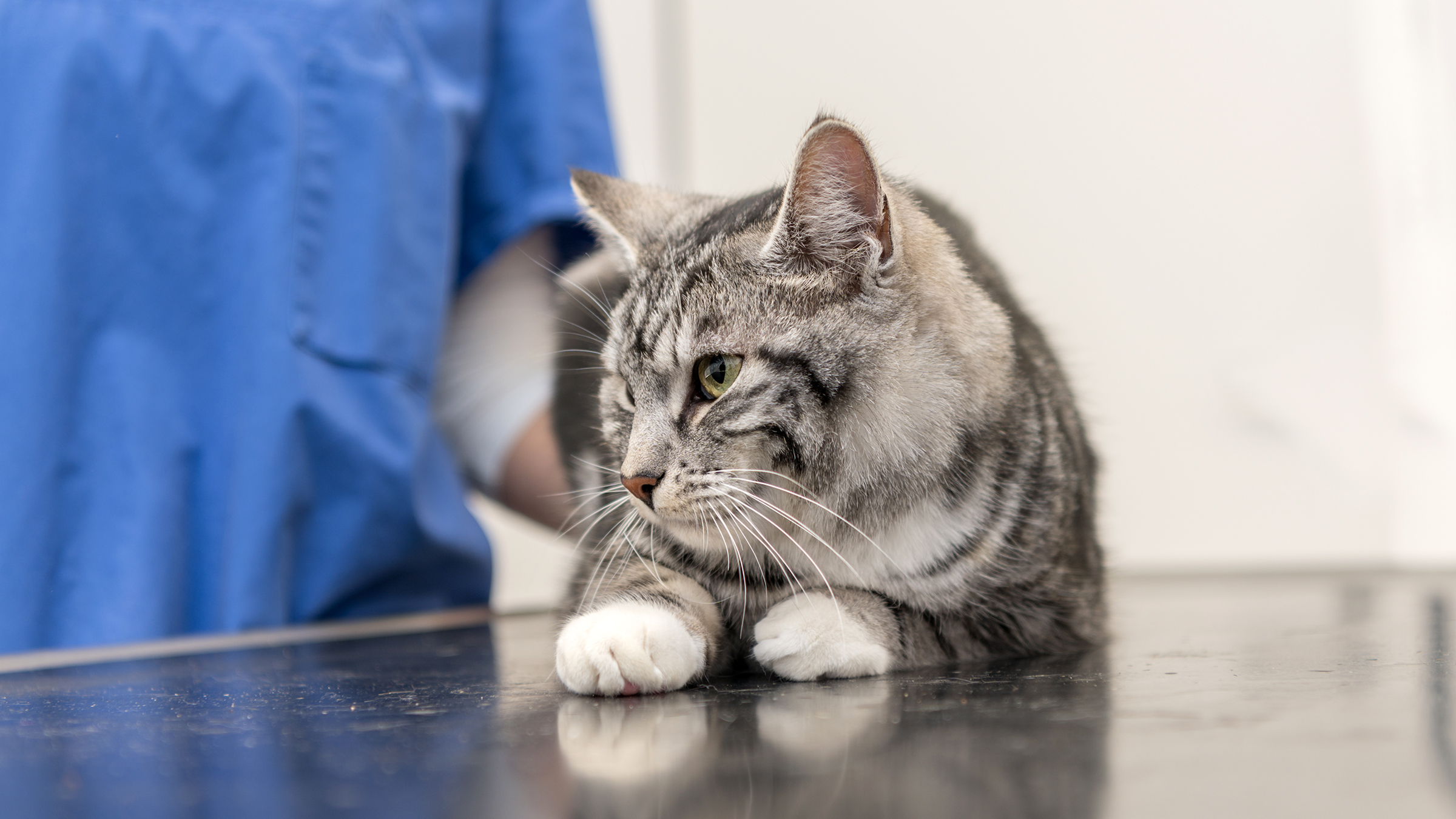
Credit: www.goodrx.com
Frequently Asked Questions
Can Cat Toys Spread Feline Leukemia Virus?
Cat toys themselves do not spread Feline Leukemia virus. The virus transmits mainly through saliva, nasal secretions, or blood. Sharing toys can pose a risk if contaminated with infected saliva. Regular cleaning and avoiding sharing toys between infected and healthy cats reduce transmission chances.
How Does Feline Leukemia Virus Transmit Among Cats?
Feline Leukemia virus spreads through close contact like grooming, biting, or sharing food bowls. It can also transfer from mother to kittens. Indirect transmission via contaminated objects, like toys or bedding, is less common but possible. Good hygiene and isolating infected cats help prevent spread.
Should I Clean My Cat’s Toys To Prevent Infection?
Yes, cleaning cat toys regularly helps reduce infection risk. Use mild soap and hot water to clean toys weekly. Disinfecting toys removes saliva and other fluids that may carry viruses. Clean toys especially if multiple cats play together, to prevent disease transmission.
Can Healthy Cats Get Feline Leukemia From Infected Cats’ Toys?
Healthy cats can get infected if they contact toys contaminated with infected saliva. Though rare, the virus can survive briefly on surfaces. Avoid sharing toys between infected and healthy cats. Proper hygiene and separate toys reduce the chance of virus transmission.
Conclusion
Cats’ toys can carry germs if not cleaned often. Feline Leukemia Virus spreads mainly through close contact. Sharing toys might increase risk if one cat is sick. Regular washing of toys helps keep cats safe. Always watch your cats for signs of illness.
Clean toys and surfaces to reduce virus spread. Keeping cats healthy means a happy home. Stay careful and protect your furry friends well.


Leave a Reply