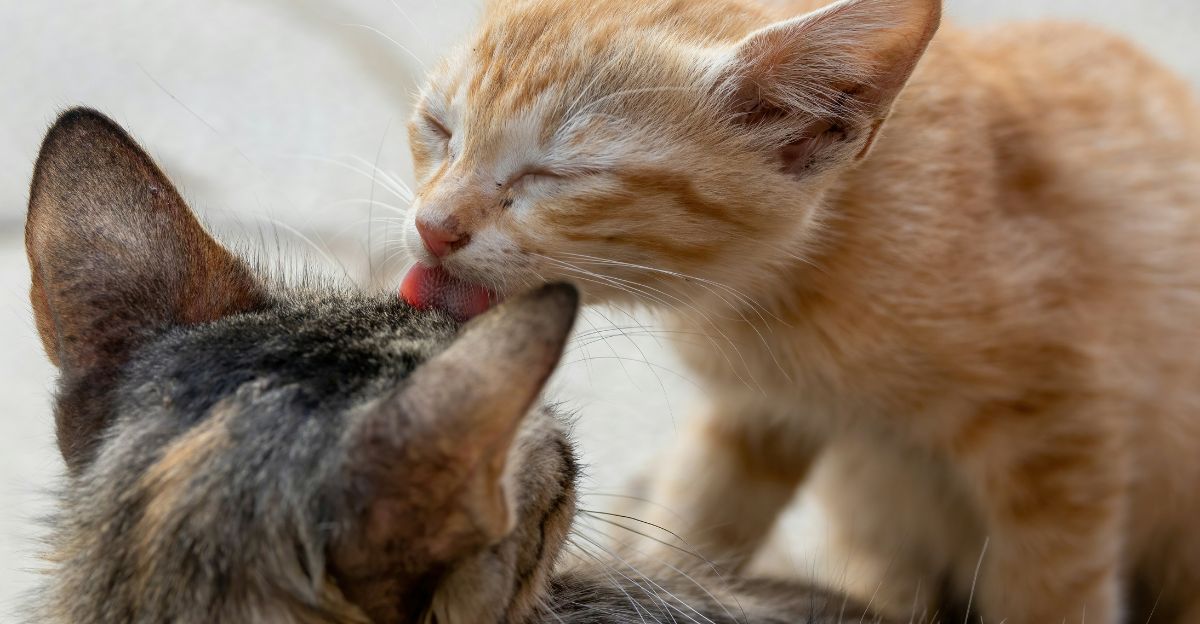
Have you ever watched your cat spend hours licking its fur and wondered, “Why is my cat always grooming?” It might seem like just a simple habit, but there’s more to this behavior than meets the eye.
Understanding why your feline friend grooms so much can help you keep them happy and healthy. Keep reading, and you’ll discover surprising reasons behind your cat’s constant cleaning—and what it means for their well-being.
Normal Grooming Habits
Cats spend a significant part of their day grooming themselves. This behavior is a natural and healthy part of their daily life. Understanding your cat’s normal grooming habits helps you know when everything is fine or when there might be a problem.
Daily Grooming Routine
Most cats groom themselves several times a day. They use their tongue to clean their fur, remove dirt, and untangle knots. You might notice your cat licking its paws and then rubbing its face, which helps reach spots that are harder to clean.
Have you ever seen your cat pause and suddenly start licking a specific area more intensely? This is normal as they focus on spots that need extra attention. Watching this routine can give you clues about your cat’s mood and health.
Benefits Of Grooming
Grooming is more than just keeping your cat clean. It helps regulate their body temperature and stimulates blood flow to the skin. Grooming also spreads natural oils that keep their coat shiny and healthy.
Besides physical benefits, grooming has a calming effect on cats. It reduces stress and can even lower anxiety levels. Next time you see your cat grooming, think about how this simple act supports their overall well-being.

Credit: www.latimes.com
Stress And Anxiety
Stress and anxiety can deeply affect your cat’s behavior, often showing up through increased grooming. While grooming is a natural activity, excessive licking or over-grooming may be your cat’s way of coping with emotional discomfort. Understanding these signs helps you respond better to your furry friend’s needs.
Signs Of Stress Grooming
Watch for grooming that goes beyond normal cleaning. Your cat might lick certain areas repeatedly until the skin looks red or irritated. You may also notice bald patches or scabs forming on their fur.
Other signs include:
- Restlessness or pacing before grooming sessions
- Sudden stops in play or eating to start grooming
- Grooming in unusual spots, like the belly or paws
Does your cat seem to groom more when you’re not home? That could be a sign of separation anxiety manifesting through their behavior.
Triggers In Environment
Your cat’s surroundings play a big role in their stress levels. Changes like new pets, moving furniture, or loud noises can make them feel unsettled. Even subtle shifts, such as different people visiting or a change in your routine, might trigger stress grooming.
Common environmental triggers include:
- Introduction of new animals or people
- Construction noises or loud household sounds
- Disruptions in feeding or playtime schedules
- Limited access to hiding spots or safe areas
Have you noticed your cat grooming more during thunderstorms or fireworks? These events can spike anxiety and lead to excessive grooming as a calming mechanism.
Skin Problems
Cats groom to keep their fur clean and remove dirt or loose hair. Excessive licking might signal skin problems like allergies or parasites. Watching your cat closely helps spot any skin issues early.
Cats often groom themselves to address skin problems. These issues can cause discomfort. Grooming helps relieve itching. Understanding the reasons is key to helping your cat. Let’s explore some common skin problems.Allergies And Irritations
Cats can suffer from allergies. These include food, pollen, or dust allergies. Allergies cause itching and redness. Cats groom to soothe these irritations. Sometimes, chemicals in cleaning products affect them. Check for any changes in your home. This could include new cleaning agents or air fresheners.Parasites And Infections
Parasites are a common cause of grooming. Fleas and mites irritate the skin. They cause itching and discomfort. Cats groom to remove them. Infections can also lead to grooming. Bacterial or fungal infections cause redness and swelling. Regular grooming might indicate a deeper issue. Check your cat for signs of parasites. Look for redness or unusual spots on the skin.Boredom And Attention Seeking
Cats often groom themselves to feel calm and safe. Sometimes, grooming becomes a way to deal with boredom or to get your attention. When a cat feels bored, it looks for something to do. Grooming can fill that empty time and help them feel better. If your cat wants more attention, it might groom more to show you it needs interaction or care.
Lack Of Stimulation
A cat without enough toys or playtime may become bored easily. Boredom causes them to groom more than usual. This grooming is a way to pass time and avoid feeling lonely. Cats need mental and physical activities to stay happy. Without these, grooming becomes a habit to keep them busy.
Behavioral Grooming
Sometimes, grooming is not just about cleaning. It can be a behavior to get your attention. Cats learn that grooming near you brings petting or interaction. If your cat feels ignored, it may groom more to catch your eye. This kind of grooming shows their need for love and connection.
Health Issues
Excessive grooming in cats can sometimes signal health issues that need your attention. While grooming is a natural behavior, changes in how often or how intensely your cat grooms can point to discomfort or medical problems. Understanding these signs helps you act quickly to keep your furry friend comfortable and healthy.
Pain And Discomfort
Your cat might be grooming more if it feels pain or irritation in a specific area. Cats often lick or chew on spots that hurt, trying to soothe themselves. If you notice your cat focusing on one part of the body, check for redness, swelling, or wounds.
Have you seen your cat suddenly grooming a paw or tail more than usual? This could mean an injury or something stuck in their fur. Don’t ignore this behavior—it’s their way of telling you something is wrong.
Underlying Medical Conditions
Some health problems cause cats to groom excessively as a symptom. Skin allergies, parasites like fleas, or fungal infections can make their skin itchy and uncomfortable.
In some cases, underlying issues like anxiety or hormonal imbalances might also increase grooming behavior. If your cat’s grooming seems out of control, a visit to the vet can help identify hidden medical causes.
Have you ever considered that your cat’s constant grooming might be more than just a habit? Monitoring this behavior closely can reveal important clues about their overall health.
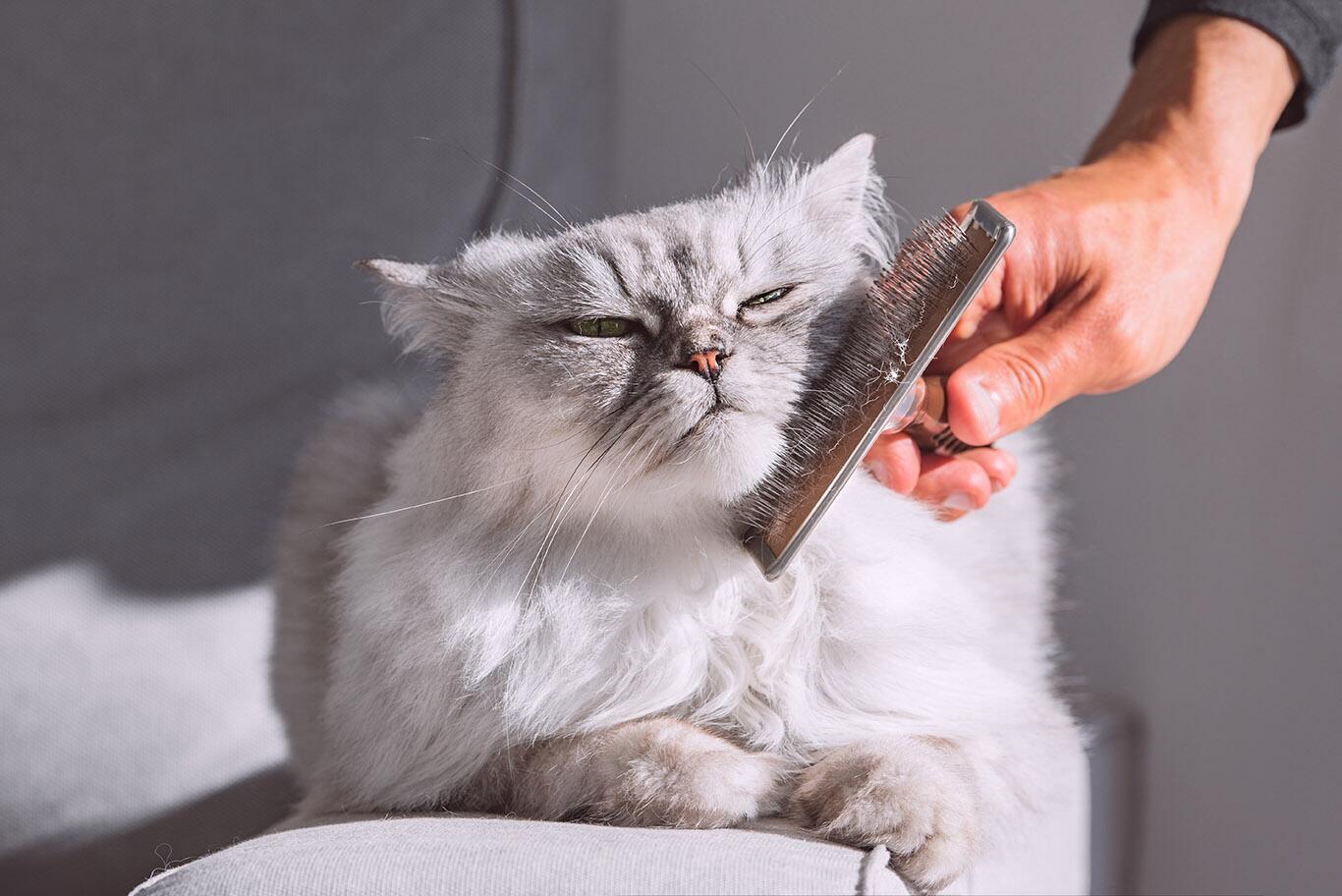
Credit: www.latimes.com
When Grooming Becomes Excessive
Your cat’s grooming is usually a sign of good health and comfort. But what if your feline friend starts grooming so much that it seems unusual or even harmful? Excessive grooming can be a red flag, signaling stress, allergies, or other underlying problems that need your attention.
Signs Of Overgrooming
How can you tell if your cat is grooming too much? Look for these clear signs:
- Bald patches:Areas of missing fur, especially where the skin looks irritated or red.
- Frequent licking:Your cat spends hours licking one spot, far beyond the usual cleaning routine.
- Scabs or sores:Wounds or crusty spots caused by constant scratching or biting.
- Restlessness:Your cat seems unable to relax or calm down, often pacing or scratching.
Noticing these signs early can help you intervene before the problem worsens. Have you seen your cat grooming to the point of discomfort?
Potential Consequences
Excessive grooming can cause more than just a bad hair day for your cat. It can lead to serious health issues:
- Skin infections:Open wounds invite bacteria, leading to painful infections.
- Hair loss:Prolonged hair removal can damage the skin’s natural protection.
- Emotional stress:Overgrooming often points to anxiety or discomfort your cat is trying to manage.
- Digestive problems:Swallowing too much fur can cause hairballs or blockages.
Recognizing these consequences makes it clear why you should monitor your cat’s grooming habits closely. What changes have you noticed in your cat’s behavior or appearance that might hint at overgrooming?
Managing Excessive Grooming
Managing excessive grooming in cats is important for their health and happiness. Too much grooming can cause skin problems and hair loss. Understanding how to reduce this behavior helps your cat feel better and stay comfortable.
Creating a stimulating environment keeps your cat busy and less focused on grooming. Simple changes can make a big difference in their daily routine and mood.
Environmental Enrichment
- Provide toys that encourage play and exercise.
- Offer scratching posts to satisfy natural instincts.
- Rotate toys regularly to maintain interest.
- Create safe window perches for outside views.
- Spend quality time interacting with your cat daily.
These actions reduce boredom and stress, common causes of excessive grooming.
Veterinary Care
Visit the vet to rule out medical issues causing grooming. Skin infections, allergies, or parasites may lead to over-grooming.
Your vet can also suggest treatments or medications if needed. Early diagnosis prevents worsening of skin damage and discomfort.
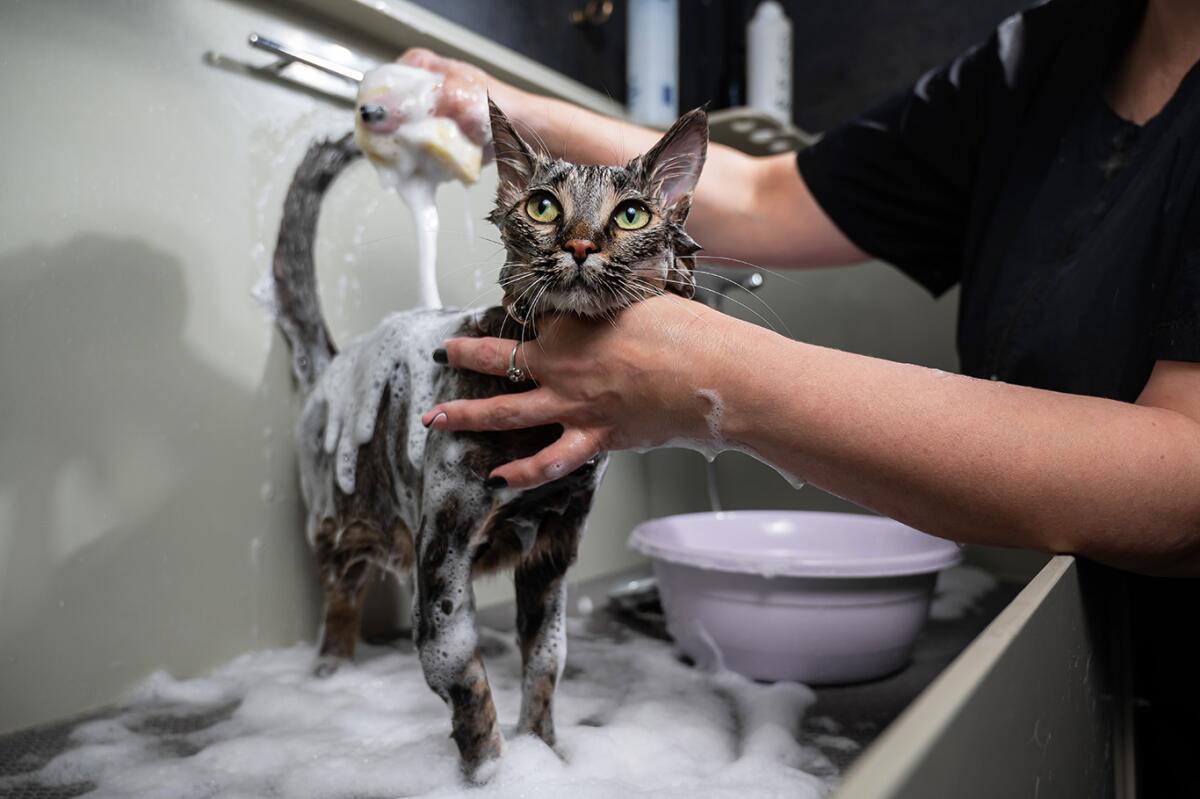
Credit: www.latimes.com
Frequently Asked Questions
Why Does My Cat Groom Itself So Often?
Cats groom frequently to clean their fur and skin. This behavior removes dirt, loose hair, and parasites. Grooming also helps regulate body temperature and reduce stress. It’s a natural habit that keeps cats healthy and comfortable.
Can Excessive Grooming Indicate A Health Problem?
Yes, excessive grooming may signal skin allergies, parasites, or stress. If your cat grooms obsessively, check for redness or hair loss. Consult a vet to rule out medical issues or behavioral causes.
How Does Grooming Benefit My Cat’s Health?
Grooming removes dirt, dead skin, and parasites, keeping your cat clean. It also stimulates blood circulation and prevents matting. Grooming reduces stress and strengthens your cat’s immune system, promoting overall well-being.
Is Grooming A Sign Of Cat’s Emotional State?
Yes, grooming can reflect your cat’s mood. Cats groom to calm down when stressed or anxious. Lack of grooming might indicate illness or depression. Observing grooming habits helps understand your cat’s emotional health.
Conclusion
Cats groom themselves to stay clean and healthy. It helps them remove dirt and loose fur. Grooming also calms cats and reduces stress. Sometimes, cats groom more if they feel anxious or bored. Watching your cat groom can tell you about its mood.
Keep an eye on changes in grooming habits. Too much grooming might need a vet’s advice. Understanding why your cat grooms helps build a stronger bond. It shows care and attention to your pet’s needs.

Leave a Reply