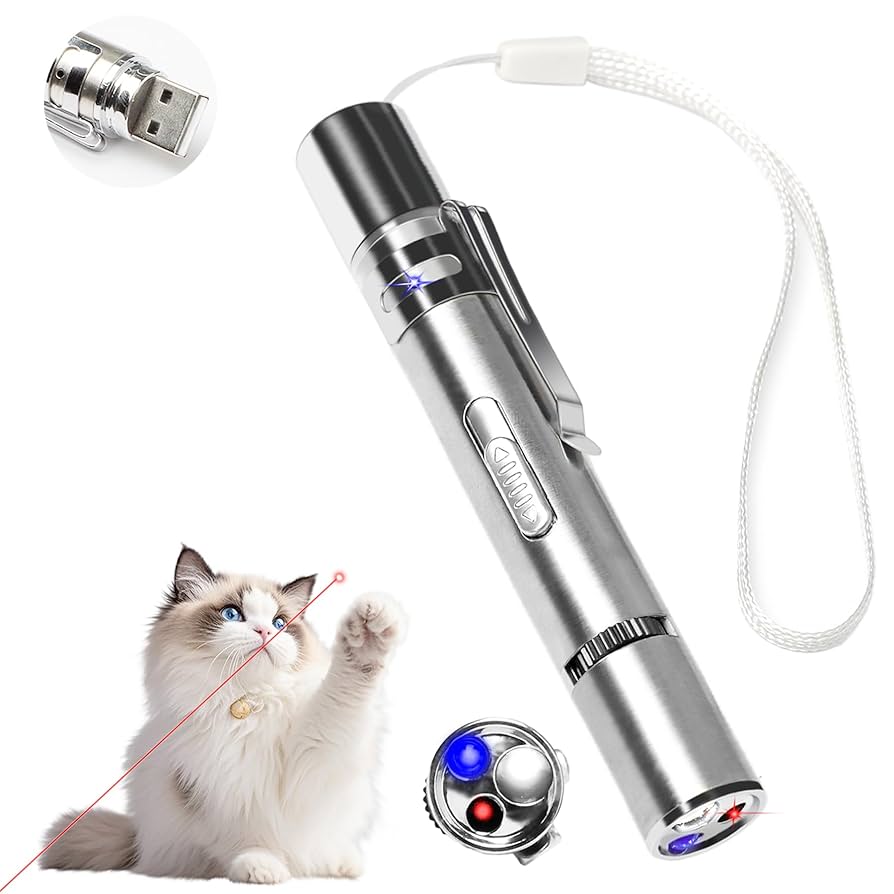
Have you ever caught your cat chasing the tiny red dot from a laser pointer toy? It looks like harmless fun, right?
But have you ever stopped to wonder if this game might actually be hurting your furry friend? You want the best for your cat, and that means understanding how certain toys affect their happiness and well-being. Keep reading to discover the surprising truth about laser pointer toys and whether they are truly safe for your cat or if they could be causing unintended stress.
This might change the way you play with your pet forever.

Credit: www.amazon.com
Why Cats Love Laser Pointers
Laser pointers captivate cats in a way few toys can. The quick, darting red dot triggers something deep inside your feline friend. But why exactly do cats find these tiny beams so irresistible? Understanding their appeal helps you see if laser play fits your cat’s needs.
Instinctual Hunting Behavior
Cats are natural hunters. The laser pointer mimics the unpredictable movements of prey, like a mouse scurrying across the floor.
This taps into your cat’s built-in chase and pounce instincts. When my cat spots the red dot, her eyes sharpen, and she crouches like she’s stalking real prey. It’s a game that feels instinctively rewarding.
High Energy Play
Laser pointers provide a quick burst of exercise, which is especially valuable for indoor cats. The fast-moving light encourages sudden sprints and jumps.
If your cat tends to be lazy or overweight, laser games can help burn off that excess energy in a fun way. Just watch for signs of fatigue or frustration to keep playtime positive.
Mental Stimulation
Chasing a laser pointer isn’t just physical—it’s a mental workout. Your cat must track the unpredictable light, plan movements, and react quickly.
This kind of play sharpens their focus and problem-solving skills. Have you noticed how your cat seems more alert after a laser session? It’s their brain getting a good challenge.
Potential Downsides Of Laser Play
Laser pointer toys can be thrilling for cats, but they also come with some hidden risks that pet owners should consider. Understanding these potential downsides can help you decide if laser play is the right choice for your feline friend. Let’s look at some of the challenges that come with chasing that elusive red dot.
Frustration From Uncatchable Prey
One major issue with laser pointers is that cats never actually catch the “prey.” Unlike a toy they can grab and bite, the laser dot always moves away, leaving your cat without a satisfying reward.
This can lead to frustration, as your cat’s natural hunting instincts are triggered but not fulfilled. Have you noticed your cat staring at the spot where the dot disappeared, confused or annoyed?
Anxiety And Stress Risks
Repeated failed attempts to catch the laser can increase stress levels in some cats. The constant chase without a tangible payoff might cause anxiety, especially in more sensitive cats.
Watch for signs like excessive grooming, hiding, or changes in appetite after laser play sessions. Could your playtime be unintentionally stressing your cat?
Physical Overexertion
Laser play can lead to intense bursts of activity, which might be too much for some cats, especially older or less fit ones. Sudden sprints and jumps without breaks can cause strain or injury.
Make sure to monitor your cat’s energy levels and provide plenty of rest periods. How often do you allow your cat to catch a real toy to balance excitement with safety?
Signs Of Distress In Cats
As a cat owner, you may have noticed changes in your feline friend’s behavior after a playful session with a laser pointer. While these toys can be entertaining, they can also lead to signs of distress in cats. Recognizing these signs can help you ensure your cat’s well-being.
Behavioral Changes
Cats are creatures of habit. When a usually relaxed cat becomes jittery or overly active, it might be experiencing stress. You might see your cat pacing more or vocalizing excessively. These changes can signal that something isn’t quite right.
Avoidance Of Play
Has your cat suddenly lost interest in playtime? If your once playful cat starts avoiding its favorite activities, it might be trying to tell you something. This withdrawal can be a sign that your cat is not comfortable with its current play situation, potentially due to the frustration caused by laser pointers.
Increased Aggression
Notice your cat swatting or biting more than usual? Increased aggression can be a response to stress or frustration. A cat that cannot ‘catch’ the elusive red dot may redirect its pent-up energy towards you or other pets. Consider if the laser pointer is contributing to this heightened aggression.
Have you observed these signs in your cat? Understanding your pet’s reactions can guide you in choosing better play options. Prioritizing your cat’s emotional health is key to a happy, stress-free feline friend.
Safe Laser Play Tips
Playing with laser pointers can be a thrilling experience for your cat, but it’s important to keep their well-being in mind. Unsafe play can lead to frustration or even harm. Here are some practical tips to keep laser play fun and safe for your furry friend.
Ending Sessions With Tangible Toys
Always finish your laser play session by giving your cat a real toy to catch. This helps satisfy their natural hunting instincts and prevents frustration from chasing something they can never physically catch.
Try handing your cat a small ball, feather wand, or stuffed mouse as the final prize after the laser session. This simple step gives a sense of accomplishment and keeps your cat happy.
Limiting Playtime Duration
Short, focused play sessions work best. Cats can get overstimulated or tired if playtime goes on too long, which might cause stress or aggressive behavior.
Stick to about 5 to 10 minutes per session. You can have multiple short sessions throughout the day instead of one long one to keep your cat engaged and refreshed.
Using Laser Pointers Responsibly
Never shine the laser directly into your cat’s eyes. This can cause damage and discomfort. Always keep the beam moving so your cat stays active and curious.
Consider using laser pointers with a low power output designed for pet play. Also, avoid using the laser as the only form of entertainment—mix it up with other toys and interaction to keep your cat mentally and physically balanced.
Alternative Interactive Toys
Alternative interactive toys offer your cat a fun and engaging way to play without the frustration that sometimes comes with laser pointers. These toys encourage natural hunting instincts while providing a physical outlet for energy and mental stimulation. You might find these options create a more satisfying playtime experience for both you and your feline friend.
Feather Wands And String Toys
Feather wands and string toys mimic the movement of prey in a way that your cat can actually catch and feel. Unlike laser pointers, these toys give your cat a sense of accomplishment when they grab the feather or string. Try waving the wand unpredictably or dragging the string over different surfaces to keep your cat curious and active.
Many cat owners notice that these toys strengthen the bond between them and their pets. You get to be part of the hunt, which makes playtime interactive and rewarding. Have you ever seen your cat’s eyes light up while chasing a fluttering feather? That moment of joy can be priceless.
Puzzle Feeders
Puzzle feeders combine play with mealtime, turning eating into a stimulating challenge. These toys require your cat to figure out how to get the food out, which helps keep their mind sharp. Feeding your cat this way can reduce boredom and prevent overeating.
Using a puzzle feeder encourages slow eating and engages your cat’s problem-solving skills. You might be surprised at how much more interested your cat becomes in mealtime. What if your cat could spend mealtime exercising both body and brain?
Automated Moving Toys
Automated moving toys move on their own, mimicking the unpredictable motions of small prey. These toys can keep your cat entertained even when you’re busy or away. Look for toys that change direction and speed to maintain your cat’s interest over time.
Some cats love chasing battery-operated mice or balls that roll around randomly. These toys provide physical exercise without needing your constant involvement. Could an automated toy be the perfect solution for keeping your cat active throughout the day?
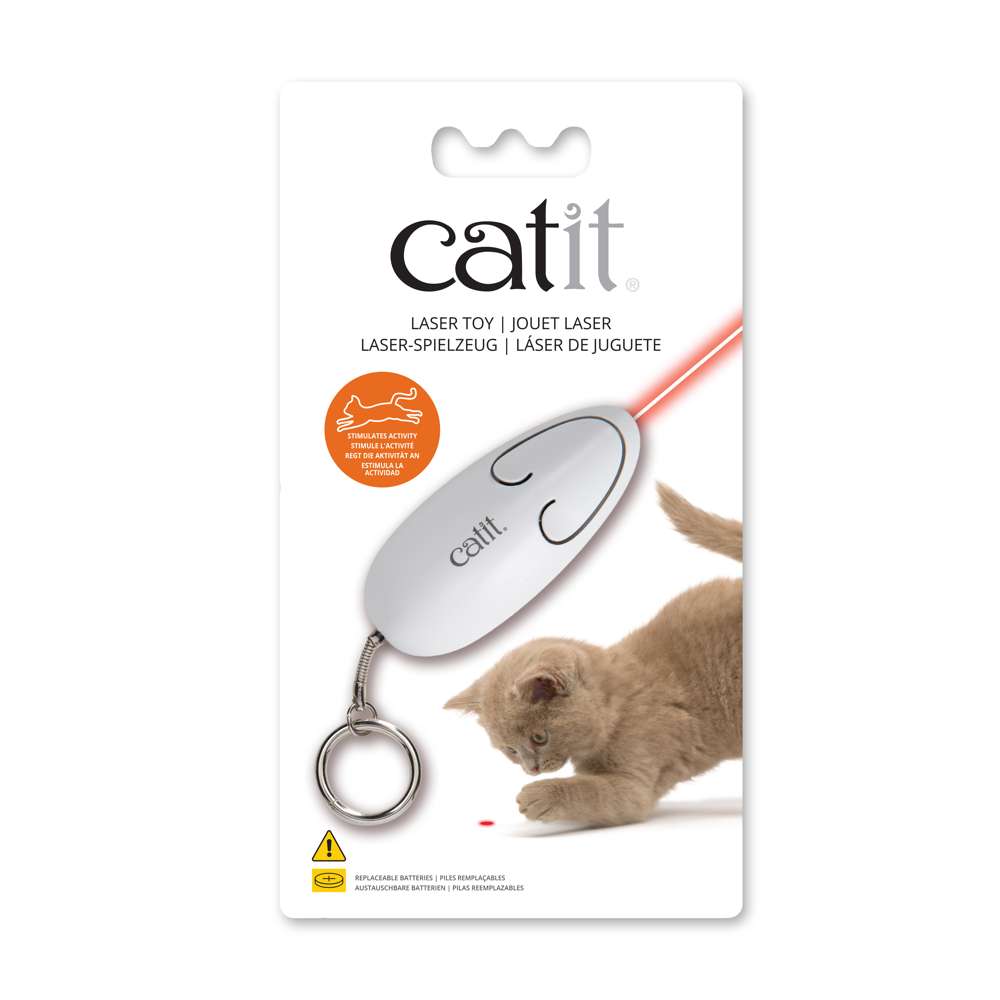
Credit: catit.ca
Expert Opinions On Laser Toys
Experts have weighed in on the debate about laser pointer toys and their effects on cats. Their insights help you understand the potential benefits and risks of using these toys. Knowing what veterinarians and animal behaviorists say can guide you in making better choices for your cat’s playtime.
Veterinarian Insights
Many veterinarians recognize that laser pointers can provide valuable exercise for indoor cats. They encourage physical activity, helping to keep your cat fit and mentally alert. However, vets often warn about the frustration cats might feel when they can’t actually catch the elusive light.
Some vets suggest pairing laser play with tangible toys. For example, after a session with the laser, give your cat a treat or a physical toy to catch. This can prevent stress and satisfy your cat’s hunting instincts.
Veterinarians also highlight the importance of moderation. Overusing laser pointers without breaks could lead to anxiety or obsessive behavior. Do you notice your cat becoming restless or fixated after laser play? That might be a sign to pause or switch toys.
Animal Behaviorists’ Views
Animal behaviorists focus on how play affects a cat’s mental and emotional health. They often point out that laser pointers lack the physical reward of a real hunt. This can leave cats feeling unfulfilled despite the intense chase.
Many behaviorists recommend combining laser games with interactive toys that your cat can catch and bite. This mix helps balance stimulation and satisfaction. They also advise watching your cat’s reactions closely to avoid frustration or stress.
Some experts suggest using laser pointers as a training tool rather than the main form of play. You could use the light to guide your cat’s attention or encourage movement, then switch to a toy that offers physical interaction. Have you tried this approach to see if it changes your cat’s behavior?

Credit: www.amazon.com
Frequently Asked Questions
Are Laser Pointer Toys Harmful To Cats’ Mental Health?
Laser pointer toys can cause frustration in cats if they never catch a tangible prey. This may lead to anxiety or stress. To avoid this, always end play sessions with a physical toy to satisfy their hunting instincts and mental needs.
How Can I Safely Use Laser Pointers With My Cat?
Use laser pointers in short sessions to prevent overstimulation. Avoid shining the light directly into your cat’s eyes. Always pair laser play with physical toys or treats to provide a sense of accomplishment and reduce frustration.
Do Laser Pointer Toys Cause Physical Harm To Cats?
Laser pointers do not cause direct physical harm to cats. However, excessive chasing can lead to exhaustion or injury from running into objects. Supervise playtime to ensure your cat stays safe and healthy during laser pointer games.
Why Do Cats Love Chasing Laser Pointer Lights?
Cats are natural hunters, and laser lights mimic small, fast-moving prey. This stimulates their predatory instincts and encourages exercise. However, the lack of a physical catch can sometimes lead to frustration if not managed properly.
Conclusion
Laser pointer toys can be fun but might confuse cats. Cats need to catch real objects to feel satisfied. Without a toy to grab, they may get frustrated. Use laser pointers with other toys to keep cats happy. Watch your cat’s behavior to see if they enjoy it.
Playtime should make your cat feel safe and calm. Choose toys that help cats use their hunting skills. Safe, balanced play leads to a happier, healthier cat.

Leave a Reply