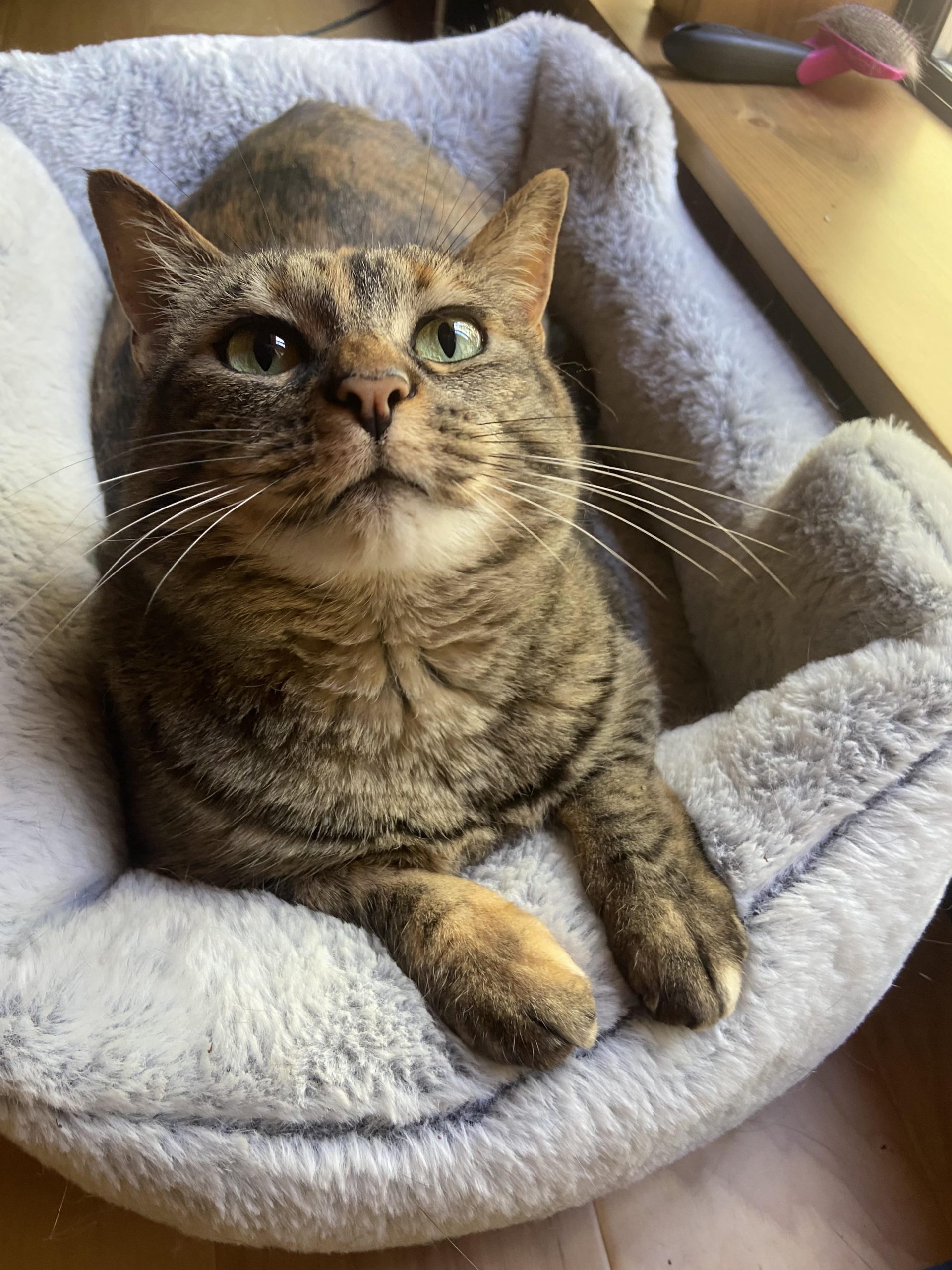
Have you ever wondered why your cat can’t get enough of that little mouse toy? You’re not alone.
Cats seem to develop a deep obsession with these tiny playthings, and it’s not just about having fun. Understanding why your cat is so hooked on a mouse toy can help you keep them happy and healthy. You’ll discover the surprising reasons behind your cat’s fascination and how you can use this knowledge to strengthen your bond.
Keep reading—you’ll be amazed at what’s really going on behind those curious eyes.
Credit: www.reddit.com
Cat Play Instincts
Your cat’s fascination with a mouse toy isn’t just a quirky habit—it taps deep into their natural instincts. Understanding these instincts can help you see why your feline friend can spend hours chasing and pouncing on that tiny toy. Let’s break down what drives this obsession through the lens of cat play instincts.
Hunting Behavior
Cats are natural hunters, even if they live comfortably indoors. Your cat’s intense focus on a mouse toy mirrors the stalking and capturing of real prey. This behavior is rooted in their DNA and helps keep their minds sharp and bodies active.
Have you noticed how your cat crouches low before pouncing on the toy? That’s pure hunting instinct at work. It’s a way for them to practice skills they would use in the wild.
Natural Predators
Wild cats rely on their ability to catch small animals like mice to survive. Even though your pet doesn’t need to hunt for food, the instinct remains strong. Mouse toys mimic the size, movement, and unpredictability of real prey, triggering your cat’s predatory response.
Think about how your cat’s pupils dilate or how their tail twitches when playing. These physical signs show their brain is in “hunter mode,” reacting as if the toy were a real mouse.
Play As Practice
Playing with mouse toys isn’t just fun—it’s essential practice. This type of play helps your cat refine coordination, speed, and decision-making. It’s also a way to release energy and reduce stress.
Try to observe how your cat switches between stalking, chasing, and biting the toy. This variety mimics the unpredictable nature of hunting, keeping your cat engaged and mentally stimulated. Could providing more interactive toys improve your cat’s overall well-being?
Mouse Toy Appeal
Your cat’s fascination with mouse toys often comes down to a few key features that tap into their natural hunting instincts. Understanding what makes these toys so appealing can help you choose the right ones to keep your feline friend entertained and mentally stimulated. Let’s look at the specific qualities that make mouse toys irresistible to cats.
Size And Shape
The small size and compact shape of mouse toys mimic the real prey that cats instinctively chase. This makes it easy for your cat to grab, carry, and bat the toy around.
Try observing your cat with different sizes—does it prefer a toy that fits perfectly in its mouth? Most cats go for toys that feel manageable and resemble the quick movements of a mouse.
Texture And Movement
The texture of the mouse toy plays a big role in your cat’s obsession. Soft, plush surfaces invite biting and clawing, while some toys have rougher textures that simulate fur or feathers.
Movement is just as important. A toy that wiggles or rolls unpredictably triggers your cat’s predatory drive. Have you noticed how your cat reacts differently to toys that move on their own versus stationary ones?
Scent And Sound
Mouse toys often come scented with catnip or other enticing aromas, which can boost your cat’s interest significantly. The scent stimulates their senses and encourages play.
Sound effects like tiny bells or crinkly materials add another layer of stimulation. These noises mimic the subtle sounds a real mouse might make, keeping your cat engaged longer.
Emotional Benefits
Your cat’s fascination with a mouse toy isn’t just about play—it taps deeply into their emotional well-being. These toys offer more than fun; they help your furry friend manage emotions and stay mentally healthy. Understanding the emotional benefits can change how you see your cat’s playtime and strengthen your connection.
Stress Relief
Playing with a mouse toy helps your cat release built-up tension. After a long day or a stressful event, chasing and pouncing can calm their nerves. Have you noticed your cat seems more relaxed after play sessions? That’s because physical activity triggers the release of calming chemicals in their brain.
If your cat often hides or seems anxious, try engaging them with a mouse toy. It can distract from stressors and give them a positive outlet. You might be surprised how quickly they settle down afterwards.
Boredom Buster
Just like people, cats get bored, especially indoors. A mouse toy keeps their mind busy and prevents destructive behaviors. Have you ever returned home to find scratched furniture? That’s often boredom speaking.
Mouse toys simulate hunting and problem-solving. This keeps your cat sharp and entertained for longer periods. Rotate different toys to keep the experience fresh and exciting.
Bonding With Owners
Playing with a mouse toy together creates a special connection between you and your cat. It shows them you’re part of their world and care about their happiness. When you engage in interactive play, your cat learns to trust and seek your company more.
Try making playtime a daily routine. You’ll notice your cat coming to you more often, eager for attention and affection. What better way to deepen your bond than through shared fun?

Credit: www.reddit.com
Age And Personality Factors
Cats have unique personalities that shape their behavior. Their age and personality affect their interest in toys. Understanding these factors can help explain why your cat loves its mouse toy.
Kittens Vs Adults
Kittens are naturally curious. They explore and learn about their environment. A mouse toy is perfect for their playful nature. It mimics prey, triggering their hunting instincts. Adult cats may show less interest in toys. They might prefer lounging and observing. Yet, some adults remain playful throughout their lives. Their fascination with toys can depend on past experiences and individual traits.
Active Vs Calm Cats
Active cats thrive on stimulation. They enjoy chasing and pouncing. A mouse toy satisfies their need for activity. These cats engage with toys for longer periods. Calm cats, on the other hand, may play less. They often prefer resting and watching. For them, toys might serve as occasional entertainment. Understanding your cat’s energy level helps in selecting suitable toys.
Encouraging Healthy Play
Encouraging healthy play is essential for your cat’s physical and mental well-being. When your cat becomes obsessed with a mouse toy, it’s a sign that they are engaging in natural hunting behavior. Supporting this play can help maintain their agility, reduce stress, and prevent boredom.
Safe Toy Choices
Choosing the right toy is crucial to keep playtime safe and enjoyable. Look for mouse toys made from non-toxic materials and avoid small parts that can be swallowed. Soft fabric mice without loose pieces are perfect for enthusiastic chewers.
Have you checked if your cat’s toy is durable enough to handle their excitement? A toy that breaks apart easily can become a choking hazard. Keeping your cat safe means regularly inspecting their toys and replacing worn-out ones.
Interactive Playtime
Playing together strengthens the bond you share with your cat and keeps their instincts sharp. Use the mouse toy to mimic prey movements—drag it slowly, make it dart, or toss it gently. This interaction not only entertains your cat but also encourages exercise and mental stimulation.
Try dedicating 10-15 minutes daily to interactive play. You’ll notice your cat’s focus and energy improve. What new tricks can you teach your cat with their favorite mouse toy?
Rotating Toys
Even the most loved mouse toy can lose its charm after constant use. Rotating toys keeps your cat’s interest alive by offering variety. Store some toys away and swap them every few days to provide fresh experiences.
This simple strategy can prevent your cat from becoming bored or fixated on one object. Have you tried rotating your cat’s toys to see which ones spark the most excitement? It might surprise you how much variety your cat enjoys.

Credit: www.reddit.com
Frequently Asked Questions
Why Does My Cat Love Playing With Mouse Toys?
Cats instinctively chase mouse toys as they mimic real prey. This play stimulates their hunting instincts, providing mental and physical exercise, which keeps them entertained and healthy.
Can Mouse Toys Reduce My Cat’s Boredom?
Yes, mouse toys help reduce boredom by engaging your cat’s natural curiosity. They offer interactive fun, preventing destructive behavior and promoting a happier, more active pet.
How Often Should I Replace My Cat’s Mouse Toy?
Replace mouse toys when they show signs of wear or damage. A fresh toy ensures safety and maintains your cat’s interest, encouraging continued play and exercise.
Are Mouse Toys Safe For All Cats?
Most mouse toys are safe if made from non-toxic materials. Always supervise playtime to prevent choking hazards, especially with small or aggressive chewers.
Conclusion
Cats love their mouse toys because these mimic real prey. The toy moves and feels like something to catch. This sparks their natural hunting instincts and keeps them busy. Playing with the toy also helps cats stay active and healthy.
It builds their confidence and reduces boredom or stress. Giving your cat a mouse toy is a simple way to make them happy. Keep the toy clean and replace it when worn out. Enjoy watching your cat’s joyful and playful moments every day.



Leave a Reply