If you care about your cat’s health, especially their kidneys, you want to make sure you’re choosing the right food. Kidney problems can be serious and affect your furry friend’s quality of life.
But with so many options out there, how do you know which cat food truly supports kidney health? You’ll discover the best choices that can help protect your cat’s kidneys and keep them feeling their best. Keep reading to find out what to look for and which ingredients make all the difference for your cat’s well-being.
Kidney Health And Cats
Your cat’s kidneys play a crucial role in keeping them healthy and active. These organs filter waste from the blood, balance fluids, and help regulate blood pressure. Understanding kidney health in cats is essential, especially as they age or face certain health challenges.
Common Kidney Issues In Cats
Kidney problems are common in cats, especially older ones. Chronic kidney disease (CKD) is the most frequent issue, causing gradual loss of kidney function.
Other problems include kidney infections, stones, and acute kidney injury. You might notice symptoms like increased thirst, frequent urination, weight loss, or decreased appetite.
Have you ever wondered how subtle signs could point to a bigger problem? Early detection can make a big difference in managing your cat’s health.
Importance Of Diet For Kidney Health
Your cat’s diet directly affects their kidney function. Foods lower in protein, phosphorus, and sodium help reduce the kidneys’ workload.
Special kidney-support diets often include added omega-3 fatty acids and antioxidants to support kidney cells. Feeding your cat the right food can slow disease progression and improve their quality of life.
Think about the last time you changed your cat’s diet—did you notice any difference in their energy or appetite? Small changes can have a big impact when it comes to kidney health.
Credit: cats.com
Key Nutrients For Kidney Support
Supporting your cat’s kidney health starts with understanding the key nutrients that make a difference. These nutrients help reduce the workload on the kidneys and improve your cat’s overall well-being. Paying attention to what goes into their bowl can change the course of kidney disease and keep your furry friend comfortable for longer.
Low Protein And Phosphorus Levels
Reducing protein intake doesn’t mean starving your cat; it’s about providing the right amount that lessens kidney strain. High protein can increase waste buildup, making kidneys work harder. Cats with kidney issues benefit from diets with controlled protein levels, focusing on high-quality sources that are easier to process.
Phosphorus is another mineral to watch. Excess phosphorus can speed up kidney damage and cause bone problems. Kidney-supportive cat foods often have lowered phosphorus content to protect your cat’s organs and maintain balance.
Essential Fatty Acids
Omega-3 fatty acids, commonly found in fish oil, have anti-inflammatory properties that can slow kidney disease progression. They help improve blood flow to the kidneys and reduce harmful inflammation. Adding foods rich in these fatty acids supports your cat’s kidney function and overall health.
Consider asking your vet about supplements or foods that include EPA and DHA, two key omega-3s. These nutrients are easy to add but make a noticeable difference in energy and comfort levels.
Hydration And Moisture Content
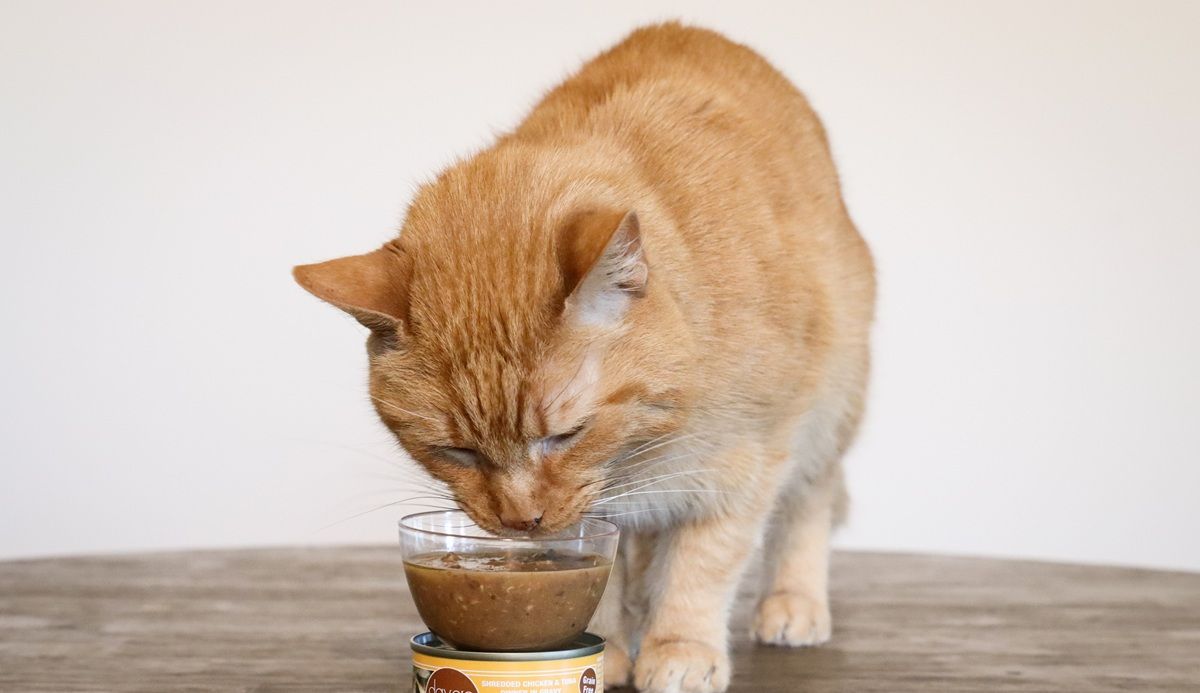
Kidney health heavily depends on proper hydration. Cats naturally drink less water, which can worsen kidney problems. Wet or canned cat food with high moisture content helps increase fluid intake effortlessly.
Feeding your cat wet food not only supports hydration but also helps flush toxins from the kidneys. If your cat prefers dry food, encourage water drinking by providing fresh bowls or pet fountains. Your cat’s kidney health can improve simply by boosting daily water consumption.
Top Cat Food Ingredients For Kidneys
Choosing the right ingredients in cat food supports kidney health effectively. Certain nutrients help maintain kidney function and reduce strain. Feeding cats with kidney-friendly ingredients can improve their quality of life. Understanding these key ingredients helps pet owners make better food choices.
Quality Protein Sources
Proteins are essential for cats but must be easy to digest. High-quality proteins from chicken, turkey, or fish put less stress on kidneys. Low amounts of protein reduce kidney workload while providing necessary amino acids. Avoid foods with low-quality or plant-based proteins that can harm kidneys.
Natural Antioxidants
Antioxidants protect kidney cells from damage caused by free radicals. Ingredients like blueberries, cranberries, and green tea provide natural antioxidants. Vitamins E and C also support kidney health. These antioxidants reduce inflammation and support overall kidney function.
Omega-3 Fatty Acids
Omega-3 fatty acids help reduce inflammation in kidneys. Fish oil and flaxseed are good sources of omega-3s. These fats improve blood flow and slow kidney damage. Including omega-3s in cat food supports long-term kidney health and comfort.

Credit: www.proplanvetdirect.com
Expert-recommended Cat Foods
Choosing the right cat food for kidney health can feel overwhelming. With so many options available, how do you know what’s best for your feline friend? Expert-recommended cat foods can guide you to make informed decisions, ensuring your cat gets the nutrition they need for optimal kidney function. Let’s dive into some top choices that veterinarians often suggest.
Prescription Diet Options
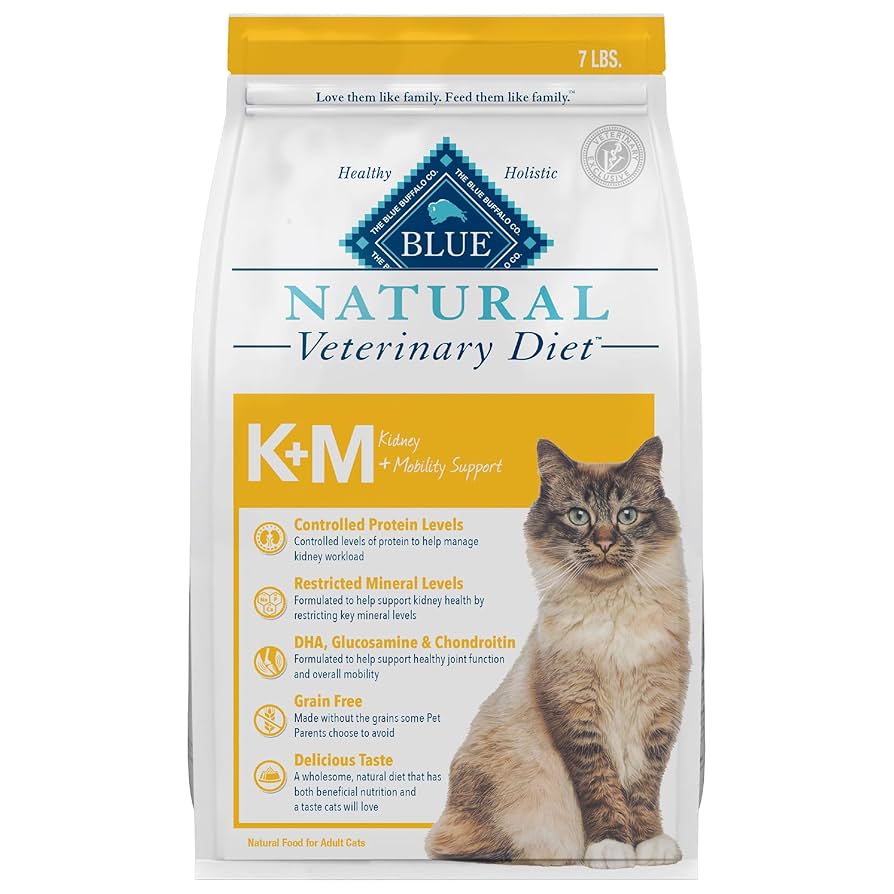
Veterinarians often recommend prescription diets tailored for kidney health. These diets typically have controlled levels of protein and phosphorus, which are crucial for managing kidney disease. Brands like Hill’s Prescription Diet k/d and Royal Canin Renal Support are popular choices that have been specifically formulated to support kidney function.
These diets are not just about reducing protein. They often include omega-3 fatty acids, antioxidants, and added vitamins to support overall health. Have you checked with your vet about a prescription diet for your cat? It might be the tailored solution they need.
Highly Rated Commercial Brands
If a prescription diet feels too restrictive, some high-quality commercial brands may offer a suitable alternative. Look for brands that provide low phosphorus and moderate protein content. Brands such as Blue Buffalo and Wellness have received positive reviews for their kidney-friendly options.
These commercial foods can be easier to find and often more budget-friendly. However, always read the labels carefully to ensure they meet your cat’s health requirements. Have you considered these options as part of your cat’s diet plan?
Homemade Diet Considerations
For those who prefer a more hands-on approach, a homemade diet might be the answer. Crafting meals at home allows you to control every ingredient, ensuring your cat receives the right nutrients. However, it’s essential to consult with a veterinarian or a pet nutritionist before making this switch.
Creating a balanced meal for cats with kidney issues can be challenging. You need to balance protein sources, control phosphorus levels, and include essential vitamins and minerals. Are you ready to take on the challenge of crafting your cat’s meals at home?
Expert-recommended cat foods offer a range of options for supporting your cat’s kidney health. Whether through prescription diets, commercial brands, or homemade meals, the right choice can make a significant difference in your cat’s well-being.
Feeding Tips For Cats With Kidney Issues
Feeding a cat with kidney issues requires careful attention to their unique nutritional needs. Small changes in how and when you feed your cat can make a big difference in managing their condition. Let’s look at practical tips that can help you support your cat’s kidney health through diet.
Meal Frequency And Portion Control
Splitting your cat’s daily food into smaller, more frequent meals can ease the workload on their kidneys. Instead of one or two large meals, try offering three to four smaller portions throughout the day. This approach helps maintain steady energy levels and reduces stress on their system.
Watch the portion sizes carefully. Overfeeding can lead to obesity, which complicates kidney disease. Use a kitchen scale or measuring cup to ensure your cat gets the right amount of food every time.
Encouraging Hydration
Hydration is critical for cats with kidney problems. Wet food is an excellent way to increase your cat’s water intake naturally. You might also add a little water or low-sodium broth to their meals to make them more appealing.
If your cat resists drinking water, try placing multiple water bowls around your home or using a cat water fountain. Cats often prefer moving water, and this can encourage them to drink more.
Monitoring And Adjusting Diet
Keep a close eye on how your cat responds to their food. Monitor their weight, appetite, and overall behavior regularly. If you notice any changes, such as decreased appetite or weight loss, consult your vet promptly.
Kidney disease can progress, and dietary needs may change over time. Work with your vet to adjust protein, phosphorus, and sodium levels in your cat’s diet as needed. Regular check-ups and blood tests will guide these adjustments to keep your cat comfortable and healthy.
Signs Of Improvement And When To Consult Vets
Monitoring your cat’s health after changing their diet is crucial. Signs of improvement can show if the chosen kidney-friendly food is effective. Knowing when to consult your vet helps prevent serious issues. Regular observation supports your cat’s well-being and kidney health.
Tracking Health Changes
Watch your cat’s energy levels daily. Improved activity and playfulness often indicate better kidney health. Check their appetite. Eating more or showing interest in food is a good sign. Monitor water intake and urination. Balanced hydration suggests kidney function is stabilizing.
Look for changes in weight. Gradual weight gain or maintenance is positive. Observe their coat and skin. A shinier coat means improved nutrition and health. Note any vomiting or diarrhea. Less frequent symptoms show the diet suits your cat’s needs.
When To Seek Professional Advice
Contact your vet if your cat shows these signs:
- Loss of appetite for more than two days
- Unusual lethargy or weakness
- Persistent vomiting or diarrhea
- Sudden weight loss
- Changes in urination habits
- Signs of pain or discomfort
Regular vet check-ups remain important during treatment. Blood tests and urine analysis track kidney function precisely. Early professional advice prevents worsening conditions. Always prioritize your cat’s health by staying alert to changes.

Credit: www.amazon.com
Frequently Asked Questions
What Ingredients Support Kidney Health In Cat Food?
Ingredients like high-quality protein, omega-3 fatty acids, and antioxidants support kidney health. Reduced phosphorus and sodium are also important to ease kidney workload and maintain function.
How Does Low Phosphorus Cat Food Help Cats’ Kidneys?
Low phosphorus cat food reduces the burden on damaged kidneys. It slows kidney disease progression and helps maintain better overall kidney function in cats.
Can Homemade Diets Benefit Cats With Kidney Issues?
Yes, homemade diets can help if properly balanced. Consult a vet or pet nutritionist to ensure all nutrients are included and kidney health is supported.
Is Wet Or Dry Cat Food Better For Kidney Health?
Wet cat food is usually better for kidney health. It increases hydration, which helps kidneys flush out toxins and reduces kidney strain.
Conclusion
Choosing the right cat food helps protect your cat’s kidneys. Foods with low protein and phosphorus support kidney health. Wet food often keeps cats hydrated, which is important. Always check ingredients and nutrition labels carefully. Consult your vet for the best diet advice.
Healthy kidneys mean a happier, longer life for your cat. Keep your cat’s needs in mind every day. Good food choices make a big difference in kidney care. Small changes can help your cat feel better. Take action now to support your cat’s health.



Leave a Reply