Is your cat suddenly refusing to use the litter box? You’re not alone, and it can be frustrating and confusing.
When your furry friend stops doing their business where they’re supposed to, it’s more than just a mess—it’s a sign that something might be wrong. Understanding why your cat is avoiding the litter box is the first step to fixing the problem quickly.
Keep reading, because uncovering the real reasons behind this behavior could save your home from chaos and keep your cat happy and healthy.
Credit: vetic.in
Common Reasons Cats Avoid Litter Boxes
Cats may avoid litter boxes due to dirty trays, stress, or health problems. Changes in location or type of litter can also cause refusal. Understanding these reasons helps improve your cat’s bathroom habits.
Cats are usually meticulous creatures, so when your feline friend suddenly stops using the litter box, it’s both puzzling and frustrating. Understanding the reasons behind this behavior is crucial to finding a solution. Let’s dive into some common reasons why your cat might be avoiding the litter box.Health Issues
When a cat avoids the litter box, it’s often a sign that something is wrong health-wise. Urinary tract infections, kidney disease, or arthritis can make using the litter box painful. If your cat seems to be in discomfort or you notice any other unusual symptoms, a visit to the vet is essential.Litter Box Cleanliness
Cats have a strong preference for cleanliness. A dirty litter box can deter them from using it. Ensure you clean the box frequently, scooping out waste daily and replacing the litter regularly. A fresh and clean litter box is more inviting for your cat.Litter Type Preferences
Believe it or not, your cat might have a preference for a certain type of litter. Some cats dislike scented litters or certain textures. Experiment with different types of litter to see which one your cat prefers. Finding the right match can make a significant difference.Box Location Problems
The location of the litter box matters more than you might think. Cats need privacy, so placing the box in a high-traffic area might discourage its use. Ensure the box is in a quiet, accessible place where your cat feels safe and comfortable.Stress And Anxiety
Stress can cause cats to avoid the litter box. Changes in the household, like a new pet or moving to a new home, can be overwhelming for your cat. Creating a calm environment and providing your cat with extra attention might help alleviate their anxiety.Territorial Marking
If your cat is marking territory, it’s different from simply not using the litter box. This behavior is common in multi-cat households. Consider whether your cat might feel threatened or stressed by other pets, and provide multiple litter boxes to reduce competition. Understanding these common reasons can help you address the issue. Have you noticed any of these signs in your cat? Identifying the root cause is the first step in getting your feline friend back on track.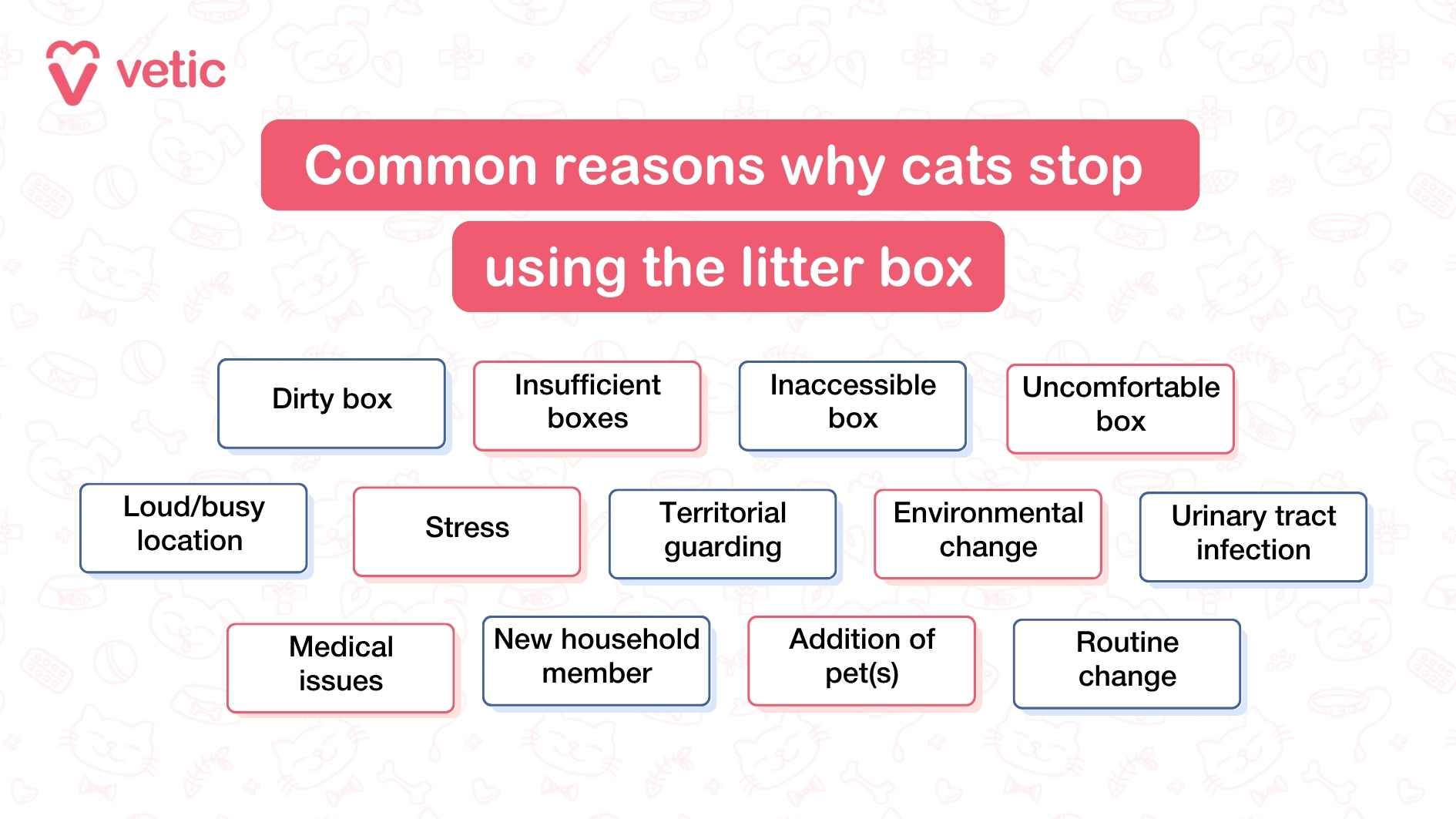
Credit: vetic.in
Addressing Medical Concerns
When your cat suddenly stops using the litter box, it can be frustrating and worrying. One important area to check is their health. Medical issues often cause changes in litter box habits, so paying attention to your cat’s physical condition is crucial.
Signs Of Urinary Tract Infections
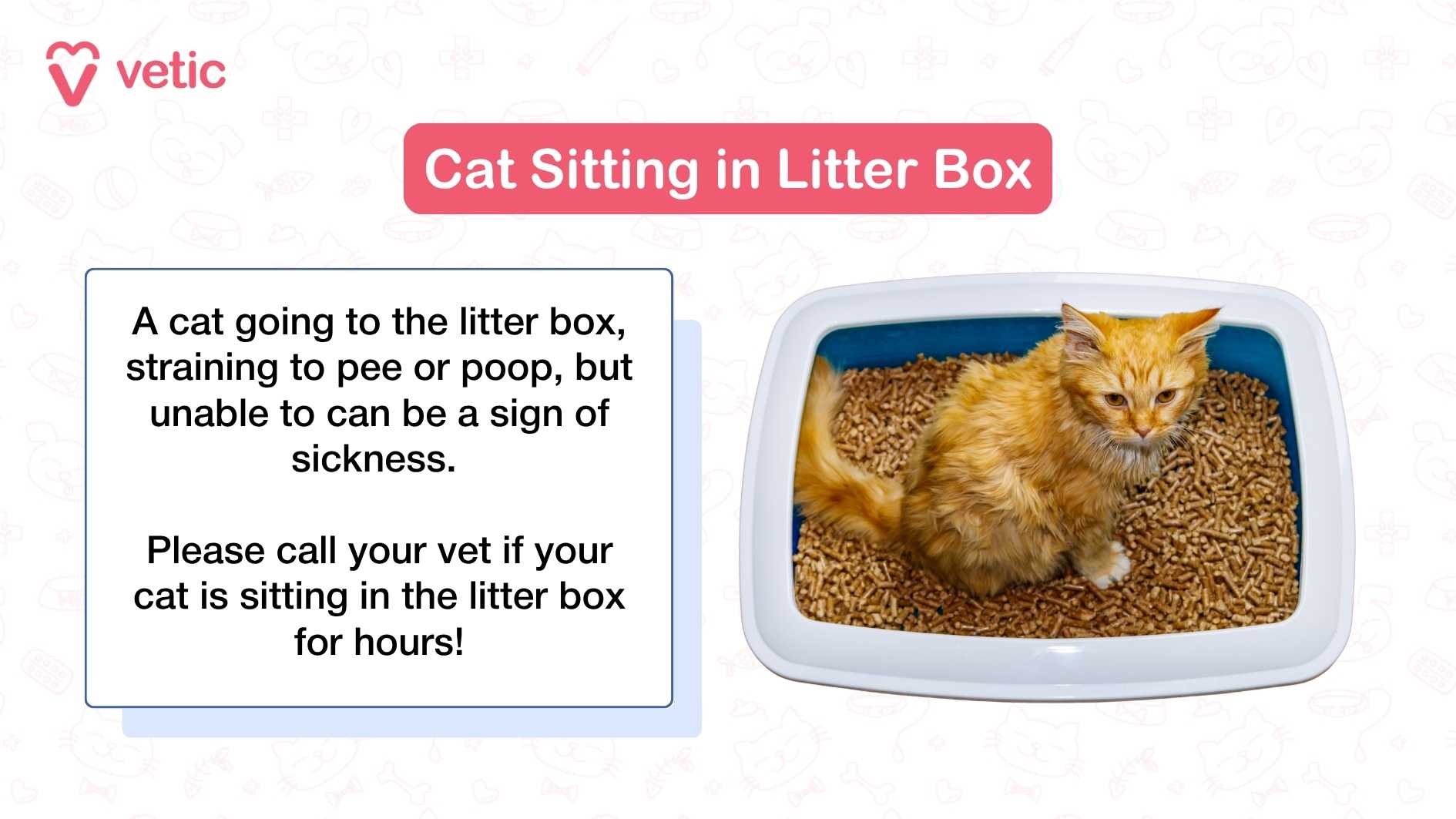
Urinary tract infections (UTIs) are common in cats and can make using the litter box painful. You might notice your cat going more frequently or straining to urinate. Sometimes, they may urinate outside the box because it hurts or they can’t hold it long enough.
Look for blood in the urine or excessive licking of the genital area. If your cat shows these signs, a vet visit is necessary to get proper treatment. Ignoring UTIs can lead to more serious problems, so don’t delay in seeking help.
Digestive Problems
Digestive issues like constipation or diarrhea can also cause litter box avoidance. If your cat is uncomfortable or in pain, it may choose to go elsewhere. Watch for changes in stool consistency, frequency, or signs of discomfort during elimination.
Sometimes, food allergies or infections can upset your cat’s digestive system. Keeping a close eye on their diet and bowel habits can help you catch these problems early. Have you noticed any sudden changes in what or how your cat eats?
Pain And Mobility Issues
Older cats or those with arthritis might struggle to get in and out of the litter box. Pain can make the usual routine too uncomfortable, leading them to find easier spots. If you see your cat hesitating or avoiding the box, consider if mobility is the issue.
Try placing a box with lower sides or adding ramps to make access easier. Sometimes, simple adjustments can make a big difference. Could pain be silently affecting your cat’s behavior in ways you haven’t considered?
Improving Litter Box Setup
Improving the litter box setup can help solve many issues with your cat’s bathroom habits. Cats may avoid the litter box due to discomfort or dislike of the current setup. Small changes can make a big difference in encouraging your cat to use the litter box consistently.
Choosing The Right Litter
Pick litter that feels soft and natural to your cat. Unscented, clumping litter often works best. Avoid strong fragrances that might irritate your cat’s nose. Try different types to see which one your cat prefers. Fresh, clean litter encourages use and reduces accidents.
Optimal Box Size And Type
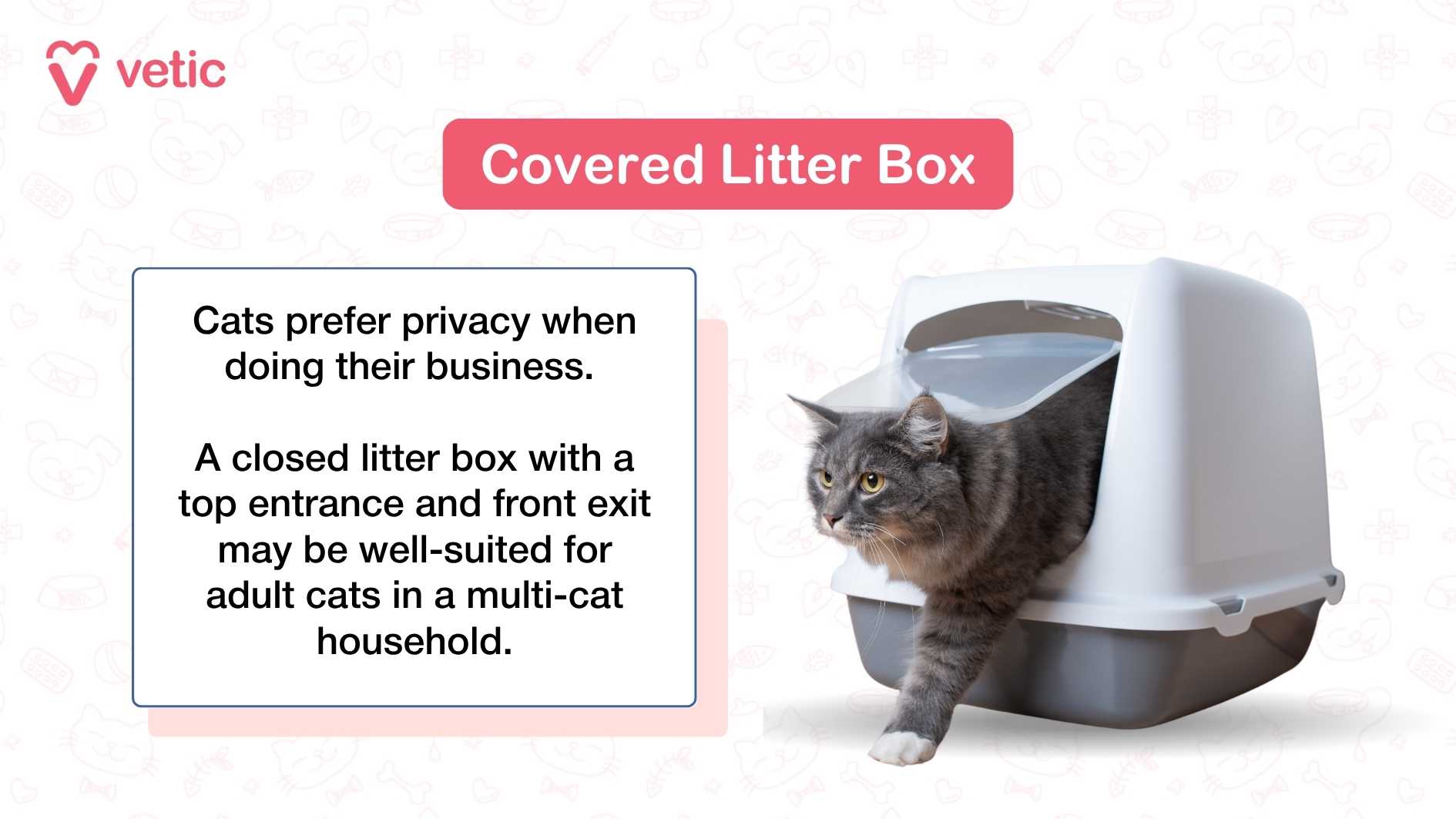
Choose a litter box that is large enough for your cat to turn comfortably. Older or larger cats need more space. Covered boxes may trap odors but some cats dislike the enclosed feeling. Open boxes offer more ventilation and may be less stressful. Observe your cat’s preferences and adjust accordingly.
Cleaning Frequency Tips
Clean the litter box daily to keep it fresh. Scoop out waste at least once a day. Wash the box with mild soap and water weekly. Avoid harsh chemicals that leave strong smells. A clean box invites your cat to use it regularly and prevents accidents outside the box.
Credit: vetic.in
Choosing The Best Litter Box Location
Choosing the right spot for your cat’s litter box can solve many issues. Cats need a space that feels safe and comfortable. The location affects their willingness to use the box. A good spot encourages regular use and prevents accidents.
Quiet And Private Spots
Cats prefer calm places away from noise. Loud sounds can scare them off. A quiet corner or small room works best. Privacy helps cats feel secure while they do their business. Avoid placing the box near loud machines or busy areas.
Avoiding High Traffic Areas
Busy places make cats nervous. They may skip the box if people pass by often. Keep the litter box away from hallways or doorways. A less crowded area gives your cat peace. This reduces stress and encourages proper use.
Multiple Boxes For Multi-cat Homes
Each cat needs its own litter box. Sharing can cause fights or avoidance. Place boxes in different parts of the house. This prevents territorial disputes and gives cats choices. More boxes mean less chance of accidents outside the box.
Reducing Stress For Your Cat
Stress often causes cats to avoid their litter box. Changes in the home or routine can make cats anxious. Reducing stress helps your cat feel safe and comfortable. This can encourage proper litter box use again.
Creating A Calm Environment
Keep your home quiet and peaceful for your cat. Avoid loud noises and sudden changes. Provide cozy spots where your cat can relax alone. Use soft lighting in the areas your cat uses most. A calm space helps reduce anxiety and promote good behavior.
Using Pheromone Products
Pheromone sprays and diffusers mimic natural cat scents. These scents signal safety and calmness to your cat. Place pheromone products near the litter box and resting areas. They can ease tension and make your cat more relaxed around the litter box.
Routine And Playtime
Keep feeding and cleaning schedules consistent. Cats feel safer with a steady routine. Playtime helps release energy and reduce stress. Use toys to engage your cat daily. A happy, active cat is more likely to use the litter box properly.
Training And Behavioral Solutions
Training and behavioral solutions can help your cat return to using the litter box. Cats often stop using the box due to stress, confusion, or bad experiences. Patience and consistency play key roles in fixing this problem. Small steps and positive approaches make a big difference.
Positive Reinforcement
Reward your cat for using the litter box correctly. Use treats, gentle petting, or soft praise. Avoid punishment, as it can make your cat fearful. Keep the litter box area calm and inviting. Praise encourages your cat to repeat good behavior.
Cleaning Accidents Properly
Clean accidents immediately with an enzyme cleaner. This removes all smells that attract cats back to the same spot. Avoid ammonia-based cleaners; they smell like urine and confuse your cat. Keep the cleaning area dry and fresh to prevent repeat accidents.
When To Seek Professional Help
Consult a vet if problems continue. Medical issues can cause litter box avoidance. A cat behaviorist may help with training and anxiety. Early help prevents long-term problems. Professionals offer tailored advice for your cat’s needs.
Frequently Asked Questions
Why Is My Cat Avoiding The Litter Box?
Cats may avoid the litter box due to stress, illness, or dirty litter. Changes in environment or litter type can also cause avoidance. Always check for medical issues first and keep the box clean to encourage use.
How Can I Encourage My Cat To Use The Litter Box?
Keep the litter box clean, place it in a quiet area, and use a litter type your cat prefers. Positive reinforcement like treats and praise when they use the box helps build good habits.
Could Medical Problems Cause Litter Box Issues?
Yes, urinary tract infections, bladder stones, or arthritis can make litter box use painful. If your cat suddenly stops using the box, consult a vet to rule out health problems.
How Often Should I Clean My Cat’s Litter Box?
Clean the litter box daily by scooping waste. Fully change and wash the litter at least once a week to prevent odors and keep your cat comfortable.
Conclusion
Cats may stop using the litter box for many reasons. Health problems, stress, or a dirty box can cause this behavior. Watch your cat closely to spot any changes. Clean the litter box often and choose the right type of litter.
Give your cat a quiet, safe place for the box. Patience and care are key to solving this issue. Understanding your cat’s needs helps keep your home clean and happy. Keep trying different solutions until your cat feels comfortable again.



Leave a Reply