Is your cat suddenly choosing to poop outside the litter box? You’re not alone, and it can be frustrating and confusing.
When your furry friend changes their bathroom habits, it’s a clear sign something is off. You want to understand why this is happening and how to fix it quickly. You’ll discover the most common reasons behind this behavior and what you can do to help your cat feel comfortable and happy again.
Keep reading—you’ll learn the simple steps that can make a big difference for both you and your cat.
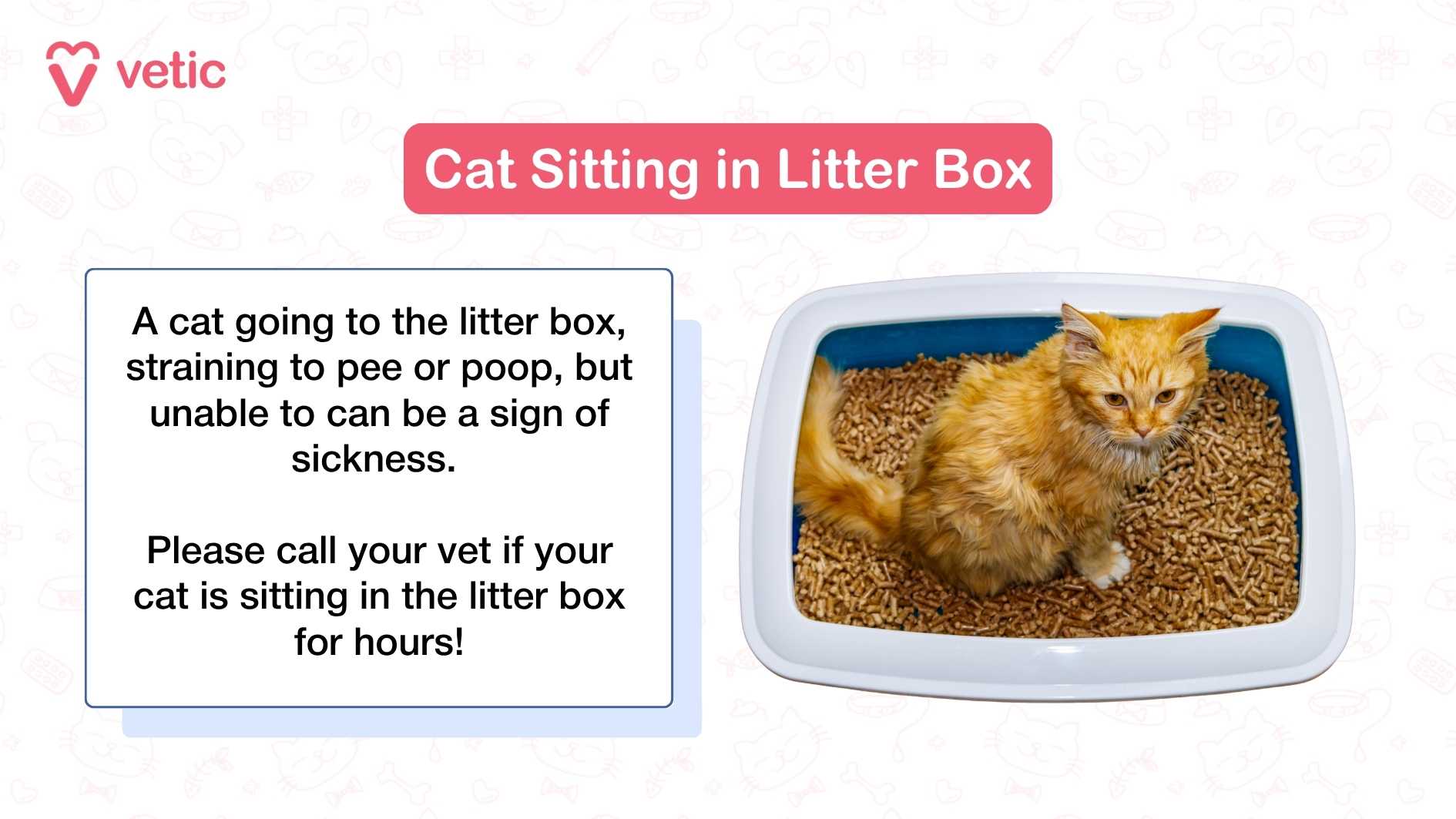
Credit: vetic.in
Common Reasons For Litter Box Avoidance
Understanding why your cat chooses to poop outside the litter box can be frustrating. Several common reasons might be causing this behavior. By identifying these factors, you can address the issue effectively and create a more comfortable environment for your feline friend.
Medical Issues
Health problems are a major cause of litter box avoidance. Urinary tract infections, constipation, or digestive issues can make using the box painful or uncomfortable for your cat. If you notice sudden changes in behavior, a vet visit is essential to rule out medical causes.
Dirty Litter Box
Cats are naturally clean animals. A litter box that isn’t cleaned regularly becomes unpleasant, pushing your cat to find cleaner spots. You might think once a week is enough, but many cats prefer daily scooping and fresh litter.
Litter Type And Texture
Not all litters suit every cat. Some dislike scented or clumping litters, while others prefer finer grains that feel softer on their paws. Have you tried switching litter types? This small change can make a big difference in your cat’s willingness to use the box.
Stress And Anxiety
Changes in the household, new pets, or loud noises can stress your cat out. Stress often leads to avoidance behaviors, including pooping outside the litter box. Creating a calm space and maintaining routines helps your cat feel secure and more likely to use their box.
Territorial Marking
Cats sometimes poop outside the box to mark their territory, especially in multi-cat homes. This behavior can be your cat’s way of communicating or asserting dominance. Providing multiple litter boxes in different locations can reduce territorial disputes and encourage proper use.
Environmental Factors Affecting Behavior
Environmental factors play a big role in a cat’s litter box habits. Cats are sensitive to changes around them. Their behavior can change if something in their environment feels off or uncomfortable. Understanding these factors helps solve litter box problems quickly.
Litter Box Location
Cats need a quiet, private place for their litter box. A noisy or busy spot can make them avoid it. The box should be easy to reach but away from food and water bowls. Poor location often causes cats to poop outside the litter box.
Number Of Litter Boxes
More than one litter box is best for multiple cats. A good rule is one box per cat plus one extra. Not enough boxes can cause fights or stress. This leads cats to find other places to go.
Changes In Household
New people or moving to a new home can stress cats. Even small changes like rearranged furniture can upset them. Stress may cause cats to stop using the litter box. Keeping routines helps cats feel safe.
Other Pets
New pets or other animals nearby can scare cats. They may feel threatened or stressed. This can make cats avoid the litter box. Giving cats a safe space away from other pets is important.
Behavioral Causes
Cats are fascinating creatures, often leaving us puzzled with their behaviors. One such behavior that can perplex cat owners is when their furry friends choose to poop outside the litter box. Understanding the behavioral causes behind this can help you address the issue effectively. Let’s look into some common reasons why cats might exhibit this behavior.
Negative Litter Box Experiences
Imagine stepping into a restroom that’s never clean or smells unpleasant. Would you want to return? Cats can feel the same way about their litter boxes. If your cat associates the litter box with negative experiences—like a sudden noise or an aggressive encounter with another pet—it may avoid using it. Ensuring the litter box is a safe, clean, and comfortable space can make a world of difference.
Age-related Issues
As cats age, their physical capabilities change. Older cats might face difficulties like arthritis, making it painful to enter or exit a high-sided litter box. Consider the accessibility of your cat’s litter box. If it’s hard to reach or climb into, your aging feline might look for easier alternatives. Providing a low-entry box can often help address this issue.
Boredom And Attention Seeking
Cats thrive on stimulation and attention. When these needs aren’t met, they might resort to unusual behaviors to catch your attention. If your cat is pooping outside the litter box, it might be a call for more playtime or interaction. Ask yourself, does your cat have enough toys or activities to keep it entertained throughout the day? Engaging your cat with interactive toys or scheduled play sessions can help alleviate this behavior.

Credit: www.aol.com
Effective Solutions To Encourage Proper Use
Encouraging cats to use their litter box properly improves hygiene and comfort. Simple changes can lead to better habits. Focus on cleanliness, comfort, and environment. This makes the litter box inviting for your cat. Below are effective ways to support proper litter box use.
Regular Cleaning Routine
Keep the litter box clean every day. Remove waste and clumps regularly. Wash the box with mild soap weekly. Cats prefer a fresh and odor-free space. A dirty box can push them away.
Choosing The Right Litter
Select a litter your cat likes. Some prefer fine, clumping litter. Others may like unscented or natural options. Avoid strong fragrances that can bother cats. Test different types to find the best fit.
Optimal Litter Box Placement
Place the box in a quiet, private area. Avoid noisy or busy spots in the home. Ensure easy access without obstacles. Avoid areas near food and water bowls. A calm location helps your cat feel safe.
Increasing Number Of Boxes
Provide enough boxes for all cats in the home. The rule: one box per cat plus one extra. More boxes reduce competition and stress. Place boxes in different locations to encourage use.
Addressing Health Problems
Visit a vet if your cat avoids the box. Health issues like urinary infections cause accidents. Early treatment can stop unwanted behaviors. Regular check-ups keep cats healthy and happy.
Reducing Stress Factors
Stress can cause cats to avoid their box. Identify and remove stress triggers. Use calming products or pheromone diffusers. Keep a stable routine with feeding and playtime. A relaxed cat uses the litter box better.
When To Seek Veterinary Help
Noticing your cat pooping outside the litter box can be frustrating and confusing. While sometimes this behavior stems from simple preferences or environmental issues, there are moments when it signals a deeper problem. Knowing when to seek veterinary help is crucial to protect your cat’s health and restore peace in your home.
Identifying Medical Symptoms
Watch closely for signs that might indicate a medical issue behind your cat’s litter box avoidance. These include:
- Straining or crying while trying to poop
- Diarrhea or blood in the stool
- Sudden changes in appetite or drinking habits
- Excessive licking of the genital area
- Frequent urination or accidents outside the box
If you spot any of these symptoms, don’t wait. Your cat might be dealing with a urinary tract infection, constipation, or another health problem that needs immediate attention.
Professional Behavioral Support
Sometimes the issue isn’t medical but behavioral, and a vet can help you explore this angle. Stress, anxiety, or changes in the home can push cats to avoid their litter box. A vet can suggest strategies or refer you to a pet behaviorist to address these challenges.
Have you noticed your cat’s pooping habits change after moving or adding a new pet? That’s a sign to ask for professional advice. Getting expert support early can prevent long-term problems and help your cat feel secure again.
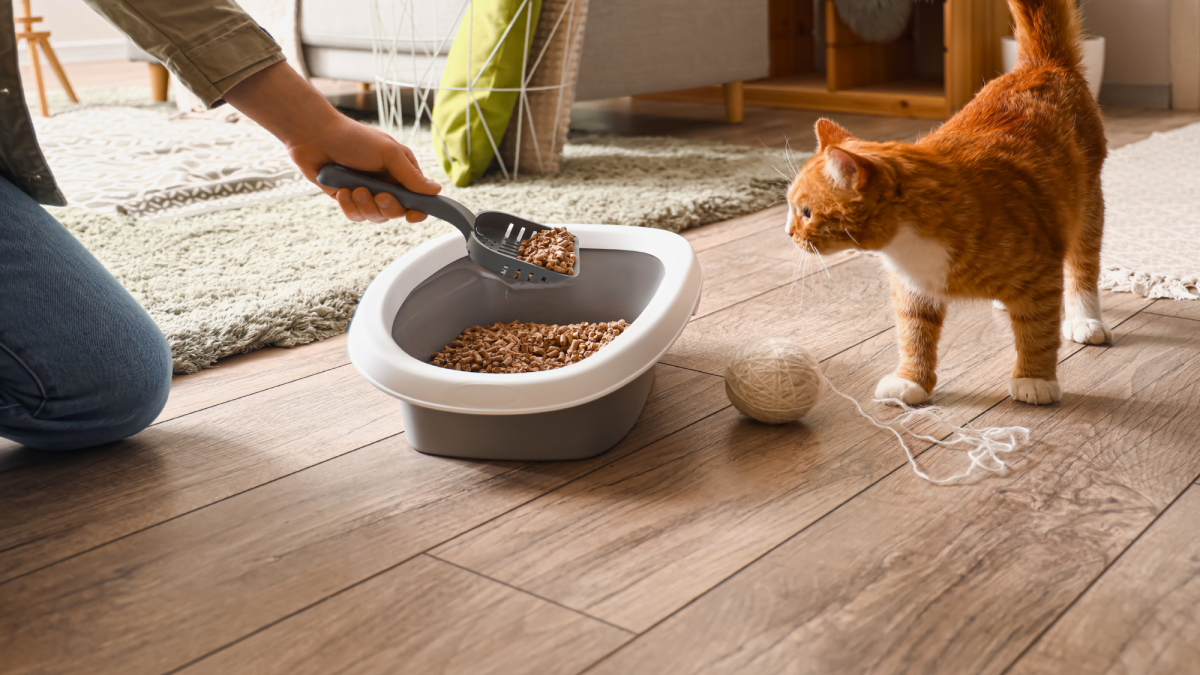
Credit: pethelpful.com
Frequently Asked Questions
Why Does My Cat Poop Outside The Litter Box?
Cats may poop outside due to stress, illness, or dirty litter boxes. Changes in environment or new pets can cause anxiety. Medical issues like infections or constipation also play a role. Always check litter cleanliness and consult a vet if behavior persists.
Can Health Problems Cause Litter Box Avoidance?
Yes, health problems like urinary tract infections or digestive issues can cause litter box avoidance. Pain or discomfort makes cats avoid the box. If your cat suddenly stops using the box, consult a vet promptly to rule out medical causes.
How Does Litter Box Cleanliness Affect Cat Behavior?
Cats prefer clean litter boxes. A dirty box can cause them to poop elsewhere. Regular scooping and weekly litter changes keep the box inviting. Cleanliness reduces stress and encourages proper use, ensuring your cat’s comfort and hygiene.
Does Litter Box Location Matter For Cats?
Yes, location matters. Cats need a quiet, private, and accessible spot for their litter box. Avoid noisy or high-traffic areas. Poor placement can cause stress and litter box avoidance, leading cats to poop outside the box.
Conclusion
Cats may poop outside the litter box for many reasons. Stress, health issues, or a dirty box can cause this behavior. Watch your cat closely and keep the box clean. Provide a quiet and safe place for the litter box.
Visit a vet if the problem continues. Understanding your cat’s needs helps solve the issue. Patience and care make a happy cat and a cleaner home. Small changes can bring big improvements. Keep trying, and your cat will feel better.




Leave a Reply