Have you noticed that your cat isn’t grooming like usual? It’s natural to feel worried when your furry friend stops their regular cleaning routine.
Grooming is more than just a habit for cats—it’s how they stay healthy and comfortable. So, if your cat is suddenly neglecting this important behavior, there’s likely a reason behind it. Understanding why your cat is not grooming can help you spot potential health issues early and keep your pet happy and thriving.
Keep reading to discover the common causes and what you can do to help your cat feel like themselves again.
Common Reasons Cats Stop Grooming
Cats are known for their cleanliness. Grooming keeps their fur smooth and skin healthy. When a cat stops grooming, it signals a problem. Understanding common reasons can help owners respond quickly.
Several factors can cause a cat to neglect grooming. These range from health issues to emotional stress. Identifying the root cause is key to helping your feline friend.
Health Issues
Illness can reduce a cat’s desire to groom. Conditions like infections or internal problems drain energy. Sick cats often lack the strength for regular grooming routines.
Pain Or Injury
Injuries make grooming uncomfortable or impossible. A cat with sore joints or wounds avoids licking affected areas. Pain limits movement and decreases grooming behavior.
Stress And Anxiety
Stress can disrupt a cat’s grooming habits. Changes in environment or loud noises cause anxiety. An anxious cat may groom less or over-groom to cope.
Old Age Effects
Older cats groom less due to physical decline. Stiffness and weaker muscles reduce flexibility. This makes reaching certain body parts difficult.
Skin Problems
Skin issues like allergies or parasites irritate cats. Constant itching can lead to over-grooming or avoidance. Damaged skin often discourages proper grooming.
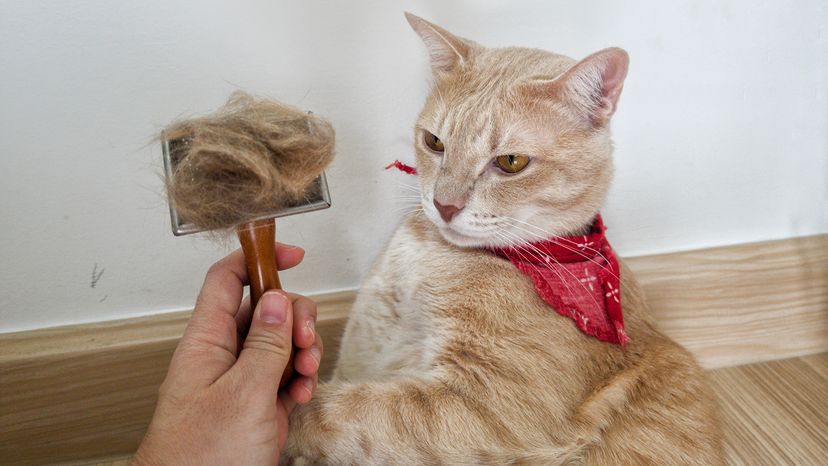
Credit: animals.howstuffworks.com
Signs Your Cat Needs Help
Noticing that your cat isn’t grooming properly can be worrying. Cats are usually meticulous about their cleanliness, so a sudden change is often a sign they need your attention. Recognizing these signs early can help you address potential health or emotional issues before they worsen.
Mattes And Tangles
If you spot clumps of fur sticking together or mats forming on your cat’s coat, it’s a clear sign grooming isn’t happening as it should. Cats usually keep their fur smooth and shiny by regular licking. When mats appear, it might mean your cat is struggling physically or emotionally to groom.
Have you ever tried brushing a cat with tangled fur? It’s often painful for them and can lead to skin infections if ignored. Watch for these signs and consider helping your cat with gentle brushing or a vet visit if mats are severe.
Unusual Odor
A strong or strange smell from your cat’s coat can indicate a lack of grooming. Cats typically stay odor-free because they clean themselves daily. If your cat smells bad, it could mean they’re unable or unwilling to groom due to pain, illness, or stress.
Do you notice an odor that isn’t usual for your cat? Take it seriously. This could be a sign of dental problems, skin infections, or other health issues that need professional care.
Excessive Scratching
Scratching more than usual may indicate skin irritation or parasites, which can stop your cat from grooming. When your cat feels itchy or uncomfortable, grooming becomes a lower priority. Watch for redness, bald patches, or sores caused by scratching.
Have you checked your cat for fleas or allergies? These common culprits can make grooming painful or difficult. Addressing the underlying cause will help your cat feel better and resume normal grooming habits.
Behavioral Changes
Changes in behavior often accompany a drop in grooming. Your cat might seem withdrawn, less playful, or even hide more than usual. These shifts can signal pain, anxiety, or depression, all of which affect grooming routines.
Think about your cat’s recent behavior—has it changed suddenly? These subtle clues are important. Providing comfort and consulting a vet can help uncover the root cause and get your cat back to its normal self.
Quick Solutions To Encourage Grooming
If your cat has suddenly stopped grooming, it’s important to act quickly to encourage healthy habits again. Grooming is crucial for their skin health and overall happiness. Luckily, there are practical steps you can take to help your feline friend feel comfortable and motivated to groom themselves again.
Regular Vet Checkups
Sometimes, a lack of grooming signals underlying health problems. Regular vet visits can catch issues like dental pain, arthritis, or skin infections early. Have your vet examine your cat if you notice any grooming changes to rule out medical causes.
Pain Management
If your cat is hurting, grooming becomes difficult or painful. Arthritis or injuries may stop them from reaching certain areas. You can help by discussing pain relief options with your vet to make grooming easier for your cat.
Stress Reduction Techniques
Stress and anxiety often cause cats to stop grooming. Changes in environment or new pets might trigger this behavior. Try creating a calm space, using pheromone diffusers, or spending quiet time together to help your cat relax and resume grooming.
Skin Care Tips
Dry or itchy skin can discourage grooming. Use a gentle, cat-safe moisturizer or bath your cat occasionally with a vet-approved shampoo. Keeping their coat clean and healthy can motivate your cat to groom more regularly.
Assisted Grooming Methods
If your cat struggles to groom alone, offer your help with brushing or wiping them down. Use soft brushes and be gentle to avoid causing discomfort. This not only keeps your cat clean but also strengthens your bond with them.
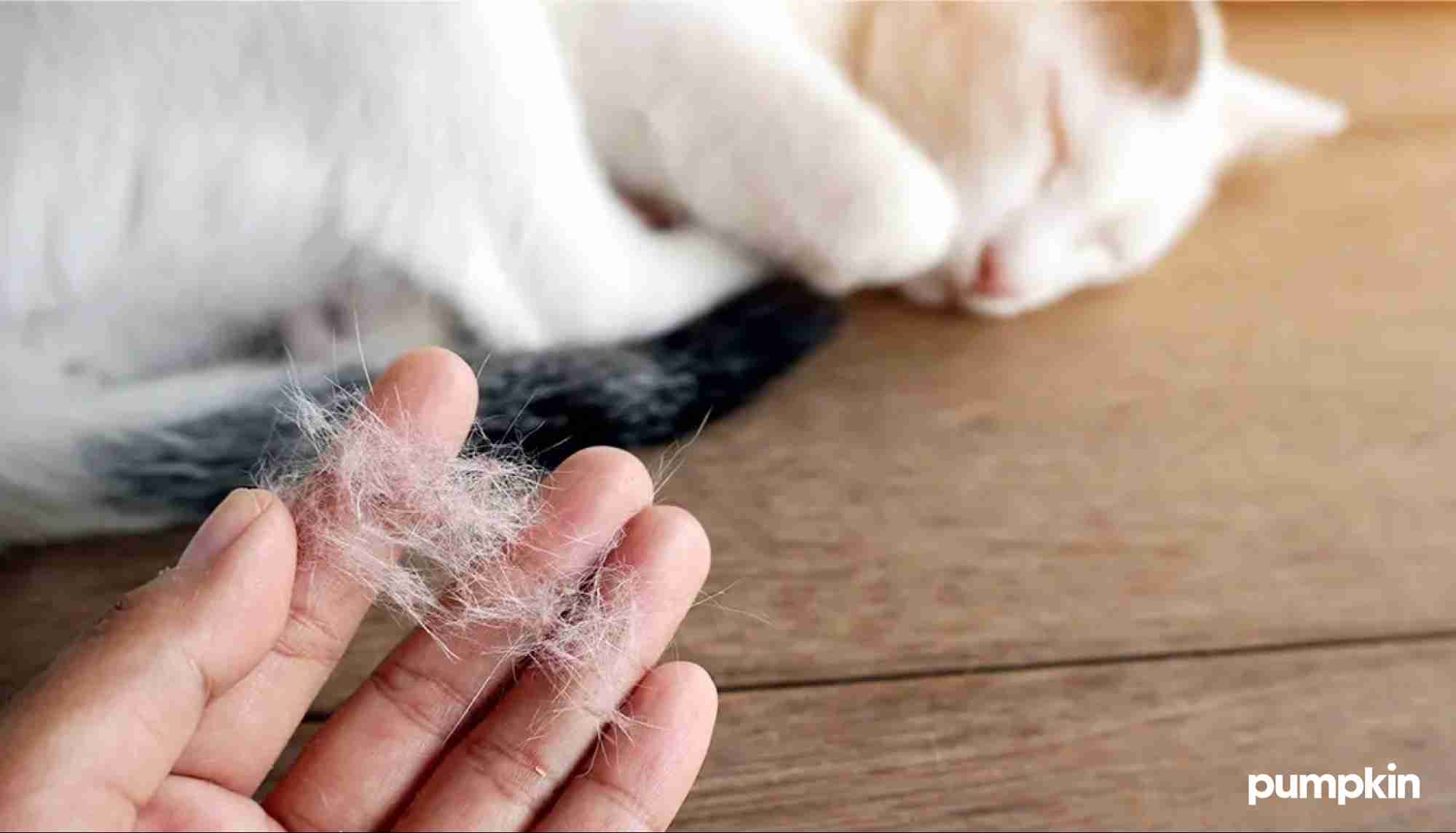
Credit: www.pumpkin.care
Preventing Grooming Issues
Preventing grooming issues is key to keeping your cat healthy and happy. Cats stop grooming for many reasons, but many problems can be avoided. Good care helps your cat stay clean and comfortable. Focus on simple habits that support your cat’s well-being daily.
Balanced Diet
A healthy diet supports your cat’s skin and fur. Provide food rich in proteins and essential fats. Omega-3 and omega-6 fatty acids keep the coat shiny and soft. Avoid sudden food changes that may upset digestion. Fresh water is important to keep your cat hydrated.
Routine Grooming Schedule
Regular grooming helps your cat stay clean and reduces fur mats. Brush your cat gently to remove loose hair and dirt. Start with short sessions and increase time gradually. Use the right brush for your cat’s fur type. Grooming also strengthens your bond with your cat.
Safe Environment
Stress can cause cats to stop grooming. Create a calm, quiet space for your cat to relax. Avoid loud noises and sudden changes in the home. Provide hiding spots and cozy beds to help your cat feel secure. A peaceful environment encourages normal grooming habits.
Monitoring Health
Watch for signs of illness or pain that affect grooming. Skin infections, dental problems, or arthritis may cause grooming to stop. Check for bald patches, redness, or bad odor. Regular vet visits catch health issues early. Prompt treatment helps your cat return to normal grooming quickly.

Credit: www.latimes.com
Frequently Asked Questions
Why Has My Cat Suddenly Stopped Grooming Itself?
Cats may stop grooming due to illness, pain, stress, or dental issues. It’s important to observe changes and consult a vet promptly.
Can Stress Cause A Cat To Stop Grooming?
Yes, stress or anxiety can disrupt a cat’s grooming habits. Environmental changes or new pets often trigger this behavior.
How Does Illness Affect A Cat’s Grooming Behavior?
Illnesses like arthritis or skin infections can make grooming painful, leading to reduced self-cleaning. Veterinary care is essential for recovery.
What Role Does Age Play In A Cat’s Grooming?
Older cats may groom less due to arthritis or reduced flexibility. Regular vet check-ups help manage age-related grooming issues.
Conclusion
Cats stop grooming for many reasons. Health problems often cause this change. Stress or pain can make cats avoid cleaning themselves. Watch your cat closely for other signs. Taking your cat to the vet helps find hidden issues. Regular grooming keeps cats happy and healthy.
Small changes in behavior matter a lot. Caring for your cat means noticing these signs early. Stay patient and gentle with your pet. Good care helps your cat feel safe again.




Leave a Reply