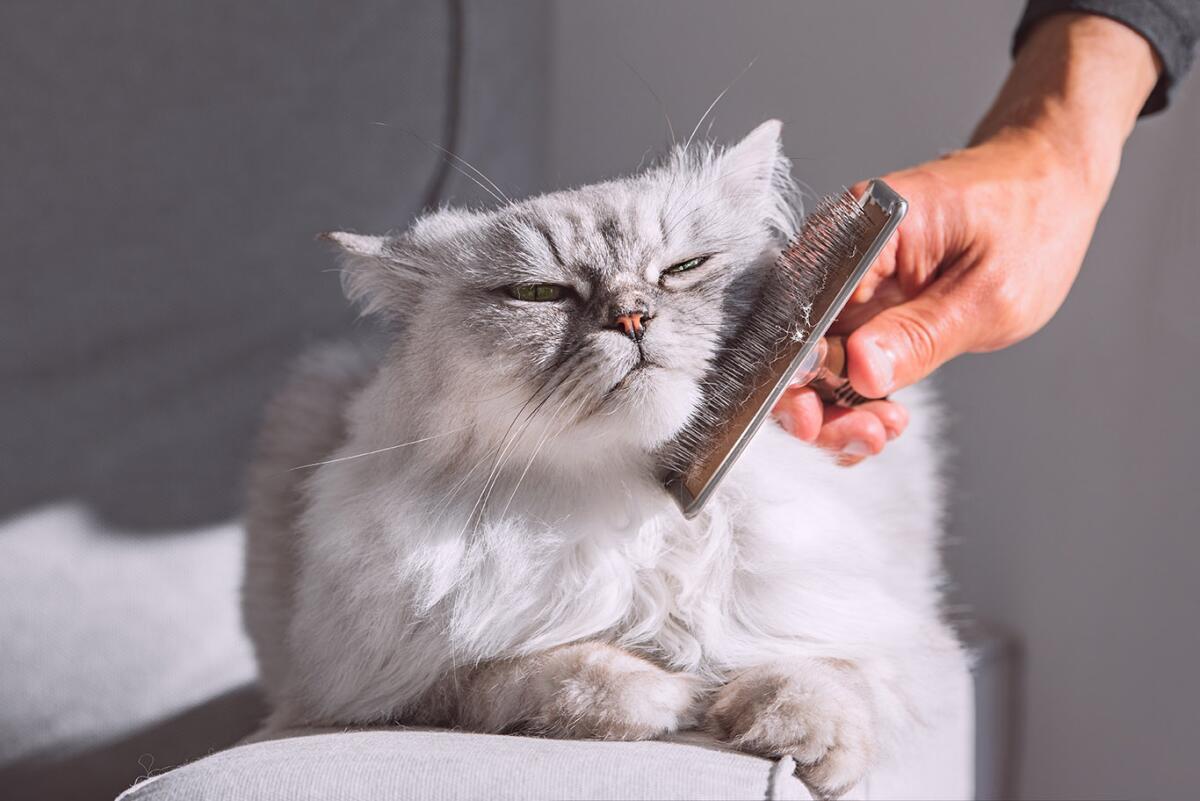
If you have a long-haired cat, you know how stunning their silky fur can be. But keeping that beautiful coat healthy and tangle-free takes more than just a quick brush.
You might be wondering how to make grooming easier for both you and your cat, without stress or fuss. You’ll discover simple, effective steps to properly groom your long-haired cat. By the end, you’ll feel confident and ready to keep your furry friend looking their best every day.
Keep reading to unlock the secrets to smooth, shiny fur and a happier, healthier cat.
Choosing The Right Tools
Choosing the right tools is key to grooming a long-haired cat well. The right tools make brushing easier and more comfortable for your cat. They help prevent hair mats and keep the coat shiny. Each tool has a special role in grooming. Knowing these roles helps you pick what suits your cat best.
Brush Types For Long Fur
Long-haired cats need brushes that reach deep into their fur. Slicker brushes work well to remove loose hair and tangles. They have fine, short wires that gently detangle knots. Pin brushes are good for daily brushing. Their wide-spaced pins glide smoothly over fur without pulling.
Combs And Their Uses
Combs help find hidden mats and tangles. Wide-tooth combs work well for gently untangling knots. Narrow-tooth combs smooth the fur and catch small debris. Use combs after brushing to check for hidden mats. They also help spread natural oils for a healthy shine.
Additional Grooming Supplies
- Detangling spray to soften stubborn mats
- Scissors with rounded tips for safe trimming
- Grooming gloves to remove loose hair easily
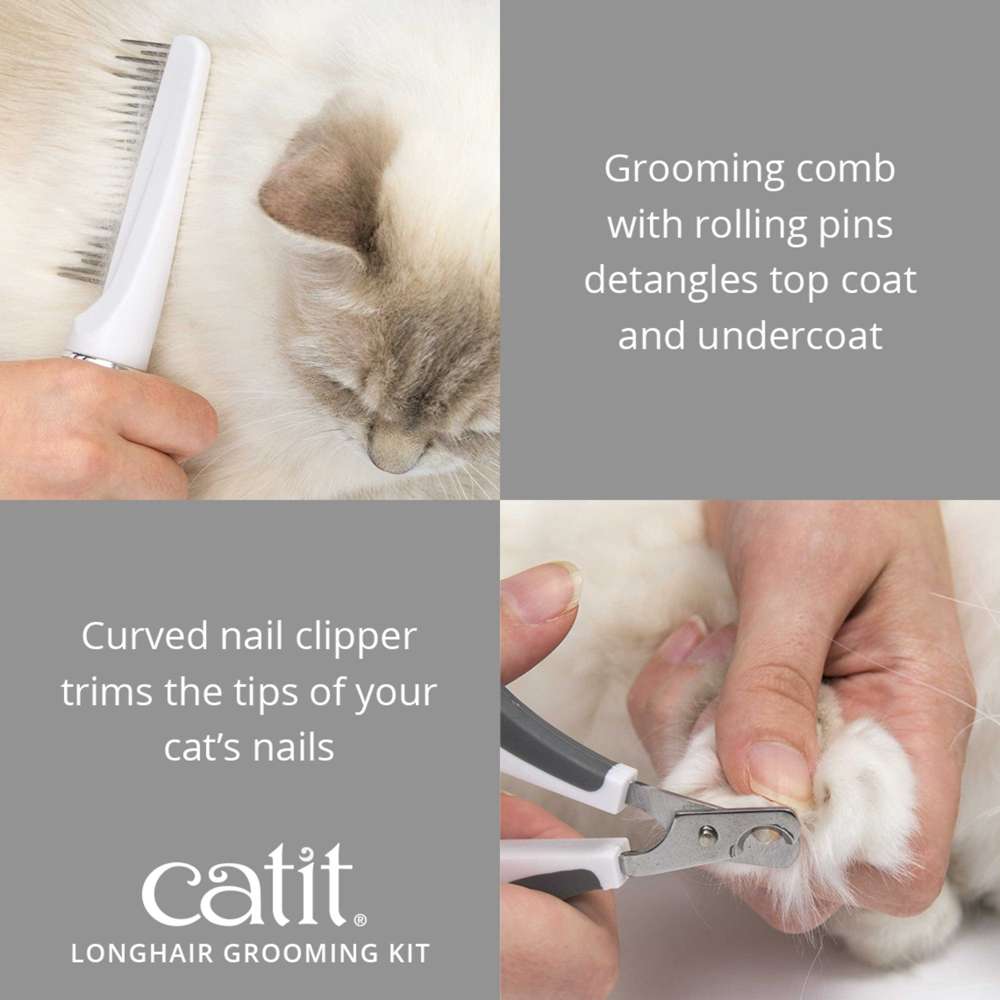
- Nail clippers designed for cats
- Soft towels to clean paws and face
Having these supplies ready makes grooming safer and quicker. Use them gently to keep your cat calm and happy during grooming.
Preparing Your Cat
Preparing your long-haired cat for grooming helps make the process smooth and stress-free. Cats can get anxious or restless during grooming. Taking time to prepare them calms their nerves and builds trust. A well-prepared cat enjoys grooming more, reducing the risk of scratches or bites.
Creating A Calm Environment
Choose a quiet room with little noise or distractions. Soft lighting helps your cat relax. Avoid sudden movements or loud sounds. Place your cat on a comfortable surface like a soft towel or blanket. Keep grooming tools within reach to avoid interruptions. A calm space encourages your cat to stay still.
Handling Techniques
Use gentle, slow movements when touching your cat. Speak softly in a soothing voice. Let your cat sniff the brush or comb before starting. Hold your cat firmly but gently to avoid struggling. Support their body well, especially if they are nervous. Stop if your cat shows signs of distress and try again later.
Setting A Grooming Schedule
Make grooming a regular habit to prevent mats and tangles. Short sessions several times a week work better than long ones. Pick a time when your cat is calm, like after a nap. Consistency helps your cat get used to grooming. Use positive rewards like treats or petting after each session.
Brushing Techniques
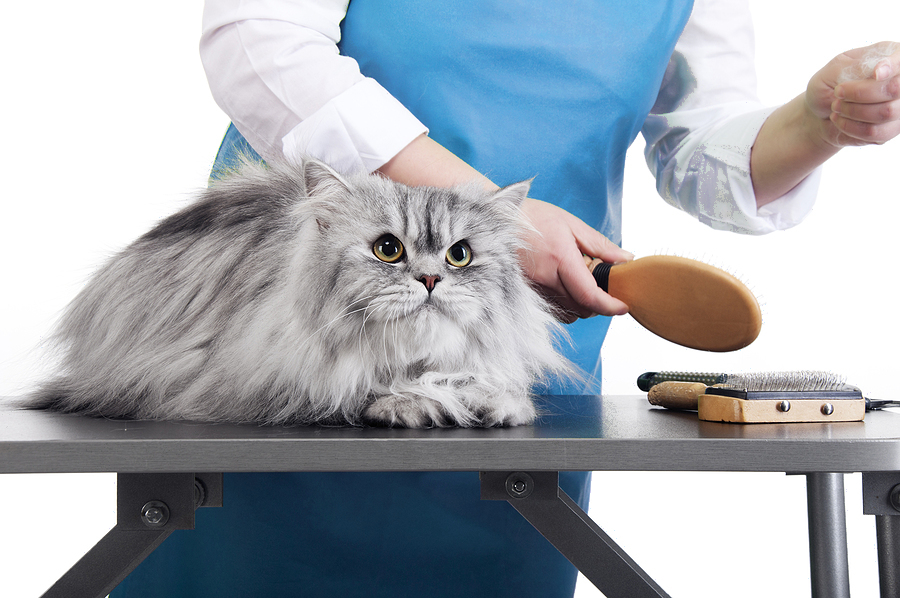
Brushing a long-haired cat is essential to keep its coat healthy and shiny. Proper brushing removes loose hair, dirt, and prevents matting. It also helps your cat feel comfortable and relaxed. Use gentle, careful techniques for best results.
Removing Tangles And Mats
Start by checking the fur for tangles and mats. Use your fingers to gently pull apart small knots. For tougher mats, use a wide-tooth comb or a mat splitter designed for cats. Work slowly and patiently to avoid hurting your cat. Never cut mats with scissors, as you might accidentally injure the skin.
Brushing Direction And Pressure
Brush in the direction of hair growth. This helps avoid pulling and discomfort. Use smooth, even strokes to cover all areas. Apply light pressure to protect the skin. Too much force can cause pain or irritation. Spend extra time on thick areas like the neck and belly.
Dealing With Sensitive Areas
Some parts of your cat’s body are more sensitive. These include the belly, tail, and behind the ears. Use a softer brush or your fingers on these spots. Watch your cat’s reactions carefully. Stop if your cat shows signs of stress or pain. Speak softly and offer treats to keep brushing positive.
Credit: tipptotail.com
Bathing Tips
Bathing a long-haired cat can feel daunting, but it’s a key part of keeping their coat healthy and shiny. Knowing the right time to bathe, picking the best shampoos, and drying your cat properly can make the experience smoother for both of you. Let’s break down these bathing tips to help you care for your feline friend with confidence.
When To Bathe Your Cat
Long-haired cats usually do a great job grooming themselves, so frequent baths aren’t necessary. You should consider bathing your cat if their fur becomes noticeably dirty, greasy, or if they get into something sticky or smelly.
If your cat has skin conditions or allergies, your vet might recommend regular baths with medicated shampoos. Otherwise, aim for a bath every 4 to 6 weeks or only when absolutely needed to avoid drying out their skin.
Choosing Cat-friendly Shampoos
Not all shampoos are safe for cats. Always pick products specifically labeled for feline use to protect your cat’s sensitive skin and coat.
Look for shampoos that are free from harsh chemicals, artificial fragrances, and dyes. Hypoallergenic options work well, especially if your cat has allergies or sensitive skin.
Have you ever checked the ingredients on pet shampoo bottles? Avoid anything with sulfates or parabens, as these can irritate your cat’s skin and cause discomfort.
Drying Methods
After the bath, drying your cat carefully is crucial to prevent chills and matting. Start by gently wrapping your cat in a soft, absorbent towel and blotting rather than rubbing their fur.
If your cat tolerates it, use a hairdryer on the lowest heat and speed settings to avoid overheating or frightening them. Always keep the dryer moving and maintain a safe distance from their skin.
Some cats prefer air drying in a warm, draft-free room. Watch closely to ensure their coat doesn’t tangle or clump as it dries.
Trimming And Clipping
Trimming and clipping help keep a long-haired cat’s coat clean and free of mats. Use gentle scissors or clippers to carefully shape fur around sensitive areas. Regular grooming reduces hairballs and keeps your cat comfortable.
Trimming and clipping a long-haired cat involves more than just cutting fur. It’s about ensuring the cat’s comfort and health. Regular grooming prevents mats and tangles. It also keeps your cat’s coat looking its best. Let’s dive into the essentials of trimming and clipping.Nail Care Basics
Keeping your cat’s nails trimmed is crucial. Long nails can cause pain or injury. Trim nails every couple of weeks. Use cat-specific nail clippers. Gently press the paw to extend the nails. Trim only the tip to avoid the quick. The quick is the pink area within the nail. If unsure, ask a vet for guidance.Trimming Fur Safely
Start by brushing the fur to remove tangles. Use sharp, clean scissors for trimming. Trim small sections at a time. Avoid cutting too close to the skin. Consider using clippers for thicker areas. Clippers help keep fur even. Always check for hidden mats before trimming. Be patient and gentle throughout the process.Professional Grooming Options
Sometimes, professional help is best. Groomers have the right tools and experience. They can handle even the most matted fur. Professionals offer services like bathing and drying. They ensure your cat’s safety and comfort. Look for groomers with cat grooming experience. It’s worth the investment for peace of mind.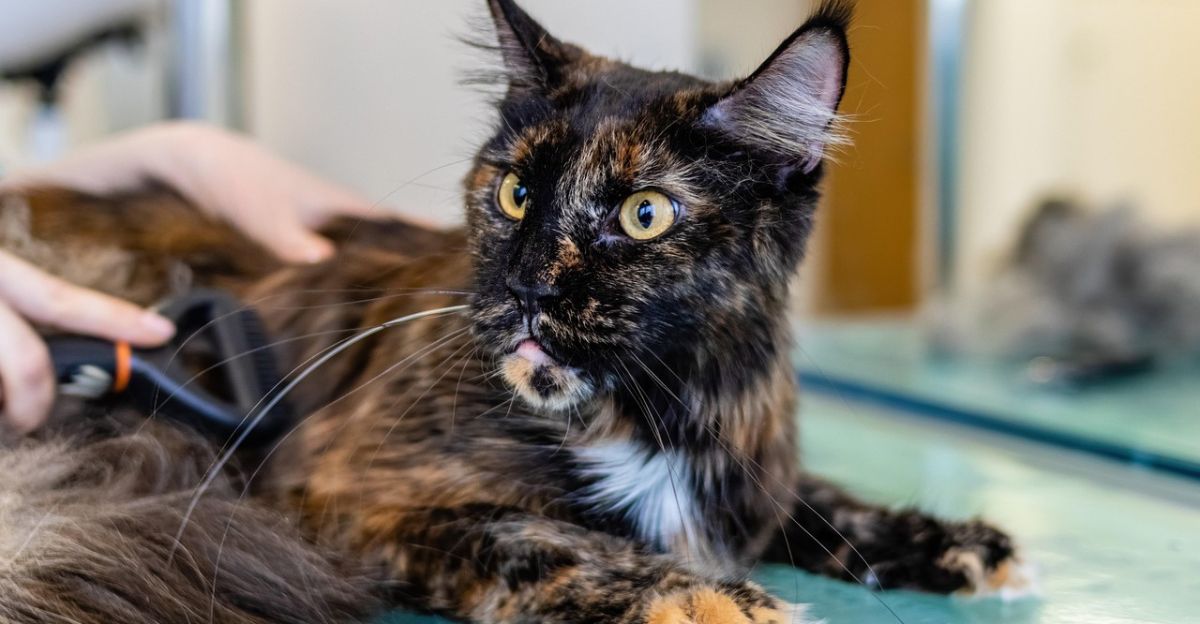
Credit: tryfurgo.com
Maintaining Skin Health
Maintaining skin health is vital for long-haired cats. Their thick fur can hide problems like dryness or irritation. Healthy skin supports a shiny, soft coat and keeps your cat comfortable.
Regular checks and care help prevent issues before they worsen. Clean skin also reduces shedding and matting, making grooming easier.
Identifying Common Skin Issues
Watch for redness, bumps, or flaky patches. Cats may scratch or lick areas often. Bald spots or scabs also signal trouble.
Common problems include allergies, fungal infections, and dry skin. Detecting these early helps your cat heal faster. Check the skin under the fur regularly for changes.
Using Medicated Treatments
Medicated shampoos and creams treat many skin conditions. Always use products made for cats. Avoid human medicines unless advised by a vet.
Apply treatments gently to avoid hurting your cat. Follow the vet’s instructions carefully. Consistent care improves skin and coat health.
Preventing Parasites
Parasites cause itching and skin damage. Fleas, ticks, and mites are common threats to cats. Use vet-recommended parasite control products regularly.
Check your cat’s skin and fur for parasites often. Clean bedding and living areas to reduce infestations. Keeping parasites away keeps skin healthy and your cat happy.
Diet And Hydration Effects
Diet and hydration play a big role in keeping a long-haired cat’s coat shiny and healthy. Good food and plenty of water help reduce shedding and prevent mats. They also support skin health and make grooming easier. Understanding the right nutrients and hydration tips can help your cat look its best every day.
Nutrition For Healthy Fur
Protein is essential for strong and shiny fur. Cats need animal-based protein like chicken, fish, or turkey. Fatty acids, such as omega-3 and omega-6, keep the coat soft and reduce dryness. Vitamins A and E protect skin and improve hair growth. Choose a balanced cat food that meets these needs.
Hydration Tips
Water keeps your cat’s skin hydrated and fur smooth. Provide fresh water daily in clean bowls. Some cats prefer running water, so consider a cat water fountain. Wet cat food also adds moisture to their diet. Proper hydration helps avoid dry skin and hair problems.
Supplements To Consider
- Fish oil supplements add omega-3 fatty acids for a glossy coat.
- Biotin supports healthy skin and fur growth.
- Zinc helps reduce skin inflammation and fur loss.
Always check with a vet before starting supplements. The right support can improve grooming results and overall coat health.
Signs Of Grooming Stress
Grooming a long-haired cat can be a delicate process. Sometimes, it causes stress to your feline friend. Recognizing signs of grooming stress is crucial. Stress during grooming can lead to discomfort or health issues. Identifying these signs helps in managing your cat’s well-being effectively.
Behavioral Clues
Watch for sudden changes in behavior. A stressed cat might hide or avoid you. They may become aggressive or hiss during grooming. Increased vocalization is another common sign. This includes meowing or growling more than usual. Cats might also groom themselves excessively after a session.
Managing Anxiety
Create a calm environment for your cat. Play soothing music to relax them. Use treats to reward calm behavior during grooming. Keep sessions short to avoid overwhelming your cat. Use gentle tools to prevent discomfort. Ensure your cat feels safe and secure at all times.
When To Consult A Vet
If stress signs persist, consult a veterinarian. Persistent stress can lead to health issues. Look for changes in appetite or litter box habits. Your vet can offer advice and solutions. They may recommend calming products or techniques. Ensuring your cat’s comfort is essential for their health.
Credit: catit.us
Frequently Asked Questions
How Often Should I Groom A Long-haired Cat?
Groom your long-haired cat daily to prevent tangles and mats. Regular brushing reduces hairballs and keeps the coat healthy. Consistency helps maintain cleanliness and comfort for your cat.
What Tools Are Best For Grooming Long-haired Cats?
Use a wide-toothed comb, slicker brush, and a de-matting tool. These tools effectively remove tangles, loose fur, and prevent mats. Choose quality tools for gentle and efficient grooming.
How Can I Prevent Mats In My Cat’s Fur?
Regular brushing and detangling prevent mats in long fur. Check common mat areas like behind ears and under legs. If mats form, use a de-matting tool carefully or seek professional help.
When Should I Bathe My Long-haired Cat?
Bathe your cat only when necessary, such as when dirty or oily. Use cat-specific shampoo and lukewarm water. Avoid frequent baths to prevent skin dryness and stress.
Conclusion
Grooming a long-haired cat takes time and patience. Regular brushing keeps their fur soft and clean. It also helps prevent mats and hairballs. Use gentle tools and be kind to your pet. Watch for signs of skin problems or discomfort.
A calm routine helps your cat enjoy grooming more. Healthy fur means a happy, comfortable cat. Keep up with grooming for best results. Your cat will thank you with purrs and affection. Simple care makes a big difference every day.




Leave a Reply