Have you noticed your cat isn’t grooming itself like it used to? When your furry friend stops cleaning its coat, it’s more than just a little mess—it could be a sign that something’s wrong.
You might feel worried or confused, wondering why your cat suddenly neglects this natural habit. Understanding the reasons behind this change can help you take the right steps to keep your pet healthy and happy. Keep reading to discover why your cat might not be grooming itself and what you can do to help.

Credit: weareallaboutcats.com
Common Grooming Habits
Cats are known for their fastidious grooming habits. You might notice your cat spends a good portion of the day licking its fur and cleaning its paws. Understanding these common grooming habits can help you spot when something is off and why your cat might suddenly stop grooming itself.
Regular Licking And Cleaning
Your cat uses its tongue to clean its fur, removing dirt and loose hair. This habit helps keep the coat shiny and free of parasites. If your cat isn’t licking itself, it might be feeling unwell or stressed.
Use Of Paws For Face Cleaning
Cats often lick their paws and then rub their face with them. This action cleans areas that are harder to reach with just the tongue. If you see your cat neglecting this, it could indicate discomfort or dental issues.
Shedding And Fur Maintenance
Grooming also helps cats manage shedding. By licking, they remove loose fur which prevents matting. A sudden decrease in grooming could lead to tangled fur and skin problems.
Social Grooming Between Cats
If you have more than one cat, you might notice them grooming each other. This social grooming strengthens their bond and keeps them clean. Lack of this behavior might signal social stress or illness.
Self-soothing Through Grooming
Sometimes, cats groom themselves to calm down. This is especially true during stressful situations. If your cat stops grooming, ask yourself if something in its environment has changed recently.
Credit: hellopetsinc.com
Health Issues Affecting Grooming
Sometimes cats stop grooming themselves because of health problems. Grooming is a sign of a cat’s well-being. When a cat feels pain or discomfort, it may avoid cleaning its fur. Illnesses can make grooming difficult or painful. Understanding these health issues helps keep cats healthy and clean.
Skin Problems
Skin issues like allergies or infections cause itching and pain. Cats with irritated skin may avoid grooming to stop discomfort. Parasites like fleas also lead to skin problems. Poor skin health often results in patchy or greasy fur. Treating skin problems can help restore grooming habits.
Dental Pain
Dental pain makes grooming hard for cats. Pain in the mouth can stop a cat from licking its fur. Cats with tooth decay or gum disease may eat less and groom less. Check your cat’s teeth if grooming stops suddenly. Proper dental care improves comfort and grooming behavior.
Arthritis And Mobility
Arthritis causes joint pain and stiffness. Older cats often suffer from this condition. Pain limits their movement and ability to reach certain areas. Cats with arthritis may skip grooming parts of their body. Gentle support and veterinary care can ease their pain.
Internal Illnesses
Internal diseases like kidney failure or diabetes affect grooming. These illnesses lower a cat’s energy and interest in self-care. Cats may feel weak or sick, causing them to stop grooming. Early diagnosis and treatment can improve their health and grooming habits.
Behavioral Reasons
Stress or anxiety can cause cats to stop grooming themselves. Changes in their environment or routine often affect their behavior. Lack of grooming might also indicate depression or boredom in your cat.
Cats are known for their fastidious grooming habits. But sometimes, they stop grooming altogether. Understanding the behavioral reasons can help address the issue effectively.Stress And Anxiety
Cats can become stressed or anxious easily. Changes in routine, new pets, or loud noises can cause stress. Stressed cats may stop grooming as a coping mechanism. It’s their way of dealing with overwhelming situations. To help, create a calm environment. Provide a quiet space and stick to a regular schedule.Depression In Cats
Cats can experience depression. Loss of a companion or significant life changes can trigger it. Depressed cats often lose interest in grooming. Their energy levels may drop, affecting their usual behaviors. Look for other signs like loss of appetite or lethargy. Consulting a vet can provide guidance and potential treatments.Changes In Environment
Moving to a new home or rearranging furniture can unsettle cats. Environmental changes can disrupt their sense of security. This may result in them not grooming themselves. Ensure they have familiar items like toys or bedding. These can provide comfort and help them adjust.Age-related Grooming Changes
As cats grow older, their grooming habits often change. These changes can affect their coat and skin health. Older cats may groom less due to physical and health issues. Understanding these age-related grooming changes helps you care better for your senior cat.
Reduced Mobility And Flexibility
Older cats can have arthritis or joint pain. This makes it hard to reach certain body parts. Grooming requires stretching and bending, which becomes difficult. As a result, they might miss spots while cleaning.
Decline In Energy Levels
With age, cats often lose energy. Grooming is a tiring activity for them. They may choose to groom less to save energy. This leads to a less clean and untidy coat.
Changes In Skin And Coat
Senior cats have thinner and drier skin. Their fur may become dull or patchy. Grooming is less effective in maintaining coat health. This can cause discomfort and less desire to groom.
Sensory Decline
Older cats may lose some sense of touch or smell. These senses help them detect dirt or irritants. When senses decline, cats might groom less often. This affects their overall cleanliness.
Health Problems Affecting Grooming
- Dental pain making grooming uncomfortable
- Obesity limiting movement
- Chronic diseases reducing grooming motivation
Health issues linked to aging impact grooming behavior. Regular vet checkups can identify and manage these problems.
Environmental Factors
Environmental factors can affect a cat’s grooming habits deeply. Cats depend on a calm and clean space to feel safe and cared for. Changes or problems in their environment may cause stress or discomfort. This can lead to a drop in grooming activities. Understanding these factors helps in creating a better home for your pet.
Poor Living Conditions
Dirty or crowded spaces can upset cats. They may avoid grooming if their area smells bad or feels unsafe. Lack of clean water or food can also cause distress. Cats need quiet places to groom without interruption. Without this, they might stop cleaning themselves properly.
Exposure To Chemicals
Harsh cleaning products or pesticides can harm a cat’s skin and fur. These chemicals may cause itching or irritation. Cats may avoid grooming to escape the discomfort. Even scented sprays or air fresheners can be too strong. Using pet-safe products helps keep cats comfortable and clean.
When To See A Vet
Not grooming is a clear sign your cat may have health issues. Watching for certain symptoms helps decide when to see a vet. Early care can prevent bigger problems and ease your cat’s discomfort.
Changes In Behavior Or Appetite
A cat that stops grooming might also act differently. Loss of appetite, hiding, or less play can mean illness. These changes need vet attention quickly.
Visible Skin Problems
Look for redness, sores, or scabs on your cat’s skin. Hair loss or flaky skin also signals trouble. Such signs show your cat needs a professional check-up.
Signs Of Pain Or Discomfort
If your cat cries when touched or avoids being petted, pain is likely. Limping or stiffness also means something is wrong. These symptoms require a vet’s evaluation.
Sudden Weight Loss Or Gain
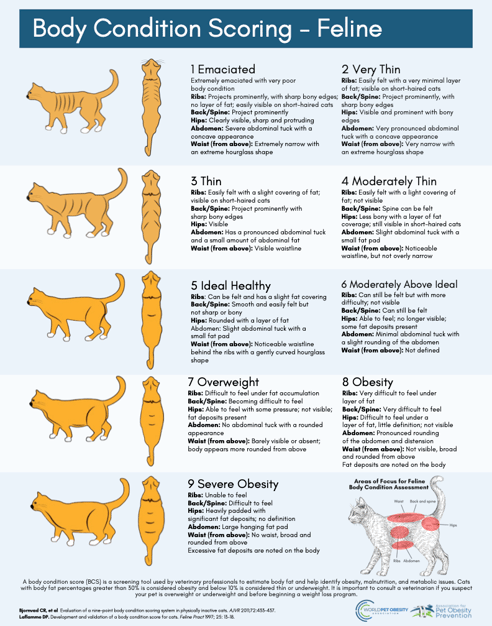
Rapid changes in weight can cause grooming issues. Weight loss may indicate illness or stress. Weight gain might mean mobility problems. A vet can find the cause and help.
Long Periods Without Grooming
Missing grooming for days is a red flag. Cats usually groom daily to stay clean and healthy. If grooming stops for a long time, seek veterinary advice.
Home Care Tips
Helping your cat groom itself again can improve its health and happiness. Home care plays a key role in encouraging your cat to groom. Small changes in daily care can make a big difference in your cat’s grooming habits. Focus on comfort, patience, and gentle support to help your cat feel safe and clean.
Encouraging Grooming
Gently pet your cat to remind it of grooming. Use soft strokes along the fur to mimic licking. Praise your cat with a calm voice during grooming attempts. Offer small treats after grooming to build positive habits. Watch your cat’s reactions and adjust your approach to stay gentle and supportive.
Regular Brushing
Brush your cat daily to remove loose fur and dirt. Use a brush suitable for your cat’s fur type. Brushing prevents hairballs and keeps skin healthy. Start with short sessions and increase time as your cat gets used to it. Brushing also creates bonding time and comfort for your cat.
Creating A Calm Environment
Keep your cat’s space quiet and safe to reduce stress. Avoid loud noises and sudden movements that may scare your cat. Provide cozy resting spots with soft bedding. Use calming scents like lavender or chamomile near your cat’s area. A relaxed cat is more likely to groom itself regularly.
)
Credit: www.northroadvet.com.au
Frequently Asked Questions
Why Is My Cat Suddenly Not Grooming Itself?
Cats may stop grooming due to illness, pain, or stress. Health issues like arthritis or skin conditions can cause discomfort. Stressful changes in environment may also reduce grooming. Consult a vet to rule out medical problems and ensure your cat feels safe and comfortable.
Can Grooming Issues Indicate Cat Health Problems?
Yes, grooming neglect often signals health problems. Conditions like dental disease, obesity, or infections may prevent proper grooming. Behavioral issues such as anxiety can also affect grooming habits. Early vet visits help diagnose and treat underlying causes promptly.
How Does Stress Affect My Cat’s Grooming Habits?
Stress can lead to decreased grooming in cats. Changes in routine, new pets, or loud noises may cause anxiety. This results in less self-care and potential skin issues. Providing a calm environment and routine helps your cat maintain normal grooming.
What Should I Do If My Cat Stops Grooming?
If your cat stops grooming, monitor for other symptoms like lethargy or loss of appetite. Schedule a vet appointment to check for health issues. Keep your cat’s environment calm and offer gentle encouragement to resume grooming.
Conclusion
Cats stop grooming for many reasons. Health problems, stress, or pain might be the cause. Watch your cat closely for changes in behavior. A visit to the vet can help find the problem fast. Keeping your cat comfortable and calm is important.
Regular grooming and care support your cat’s well-being. Remember, early action can make a big difference. Your cat depends on you to stay healthy and happy.



Leave a Reply