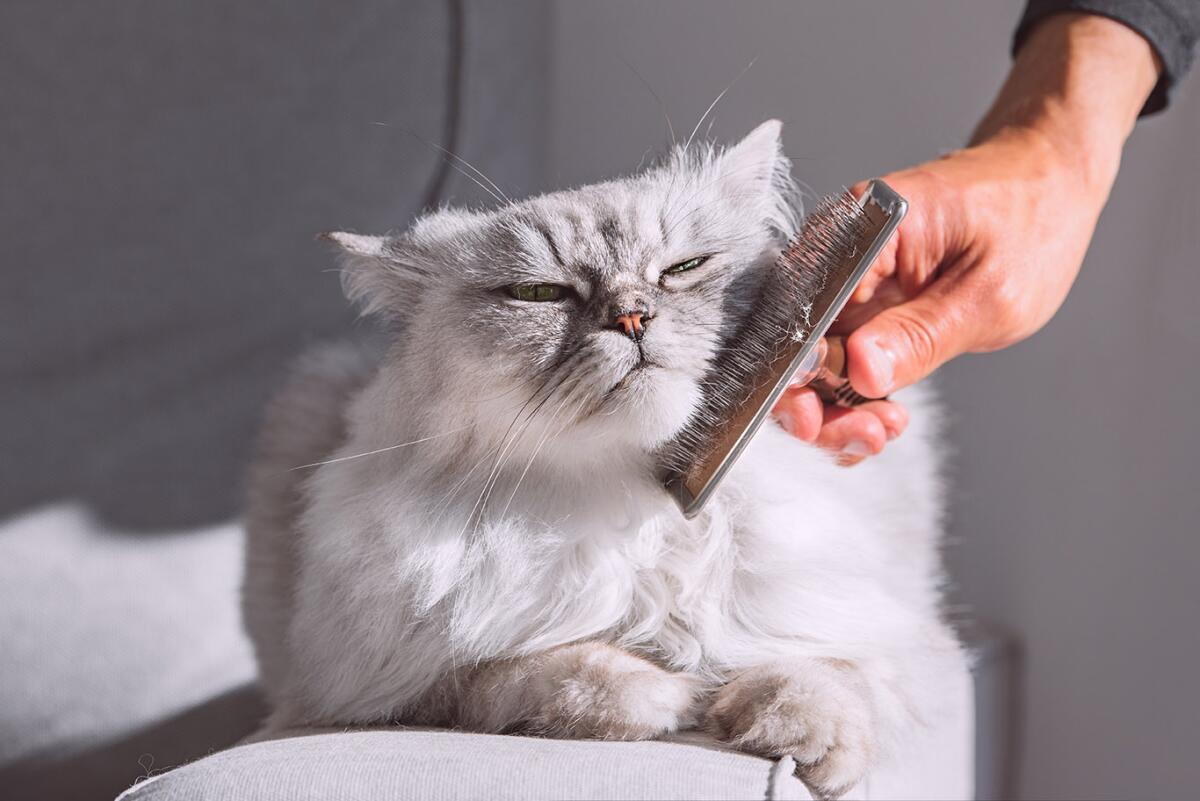
Have you ever wondered how much time your cat spends just licking and cleaning itself? Cats seem to be experts at grooming, almost as if it’s their full-time job.
But why do they do it so often, and how much of their life is actually dedicated to this habit? Understanding your cat’s grooming routine can reveal a lot about their health and happiness. Keep reading to discover surprising facts about your feline friend’s self-care and why it matters more than you might think.
Cats’ Grooming Habits
Cats spend a large part of their day grooming. This behavior keeps their fur clean and healthy. Grooming also helps cats relax and feel calm. It plays a big role in their daily routine and overall well-being.
Understanding how much time cats spend grooming reveals their natural habits. It shows how grooming supports their health and comfort.
Daily Grooming Time
On average, cats groom for about 30% to 50% of their waking hours. This means they can spend up to 4 to 6 hours a day cleaning themselves. Grooming includes licking their fur, cleaning their paws, and wiping their face.
Young cats and kittens often groom more as they learn and develop. Older cats may groom less but still keep up with their routine.
Factors Affecting Grooming Duration
Several factors change how long cats spend grooming each day:
- Age:Younger cats tend to groom more than older ones.
- Health:Cats with health problems may groom less or more, depending on the issue.
- Coat Type:Long-haired cats need more grooming time than short-haired cats.
- Environment:Outdoor cats might groom more to remove dirt and parasites.
- Stress Levels:Stressed cats may groom excessively or stop grooming.
These factors shape each cat’s unique grooming habits. Observing these patterns helps understand your cat’s health and happiness.
Credit: www.purina.com
Reasons Cats Groom Themselves
Cats spend a surprising amount of their day grooming themselves, but why do they do it so often? Grooming isn’t just about looking good—it serves several important purposes that help keep cats healthy and comfortable. Understanding these reasons can help you appreciate your feline friend’s habits and even spot when something might be off.
Hygiene And Cleanliness
Cats groom to keep their fur clean and free from dirt, parasites, and loose hair. This regular cleaning helps prevent skin infections and keeps their coat shiny and healthy. Have you noticed how your cat licks its fur after playing outside? It’s their way of tidying up and removing any unwanted particles.
Grooming also helps distribute natural oils across their fur, which protects their skin and maintains softness. Without this daily ritual, your cat’s coat could become matted and uncomfortable.
Temperature Regulation
Grooming plays a key role in how cats regulate their body temperature. When they lick their fur, saliva spreads out and evaporates, much like sweat does in humans, helping them cool down on hot days. This natural cooling method is essential since cats don’t sweat like we do.
In colder weather, grooming fluffs up their fur to trap warm air close to the skin, acting like a built-in sweater. Next time you see your cat grooming itself, remember it’s not just about cleanliness—it’s about staying comfortable in any temperature.
Stress Relief And Comfort
Grooming is a powerful stress-reliever for cats. When they feel anxious or uneasy, licking their fur can have a calming effect, similar to how humans might bite their nails or take deep breaths. If your cat suddenly starts grooming excessively, it might be trying to soothe itself.
This behavior also strengthens the bond between cats when they groom each other, showing trust and affection. Have you ever noticed your cat grooming you or another pet? It’s their way of sharing comfort and care.
Different Grooming Styles
Cats spend a large part of their lives grooming to keep clean and healthy. Their grooming styles vary, from licking fur to nibbling and scratching. This behavior helps remove dirt and strengthens their bond with other cats.
Different Grooming Styles Cats are known for their meticulous grooming habits, often spending hours each day licking and preening. But did you know that not all cats groom in the same way? Their grooming styles can vary significantly based on factors like fur length, age, and individual preferences. Understanding these differences can help you better care for your feline friend and ensure they’re as comfortable and happy as possible.Short-haired Vs Long-haired Cats
Short-haired cats typically have an easier grooming routine. Their fur requires less time to detangle and clean, making their grooming sessions quicker. They might spend around 30% of their waking hours grooming. Long-haired cats, on the other hand, often need more grooming time. Their fur can easily mat and tangle, requiring more frequent and extended sessions to maintain. In some cases, they may need your assistance to keep their coat in top condition.Age And Grooming Patterns
Kittens often mimic their mother’s grooming habits. As they grow, they develop their own routines and preferences. Young cats are usually more flexible and energetic, so their grooming can be quite thorough. Older cats may experience changes in grooming patterns. Arthritis or dental issues can make it challenging for them to reach certain areas. If you notice your senior cat grooming less, it might be time to step in with a brush or a gentle wipe. Have you ever noticed how your cat’s grooming habits evolve? Paying attention to these changes can provide insights into their health and happiness. Keeping an eye on their grooming can also alert you to potential issues early on.)
Credit: www.northroadvet.com.au
Impact Of Grooming On Health
Grooming is more than just a way for cats to keep clean—it plays a crucial role in their overall health. Cats dedicate a significant portion of their day to grooming, which helps protect them from various health problems. Understanding how grooming impacts your cat’s well-being can help you spot issues early and support their natural habits.
Preventing Parasites
Grooming acts as a natural defense against parasites like fleas and ticks. When cats lick and clean their fur, they often remove parasite eggs and larvae before these pests can cause harm. However, if you notice excessive scratching or biting, it might mean your cat is struggling with parasites despite their grooming efforts.
Have you checked your cat’s fur recently for tiny moving dots or dark specks? Early detection can save your pet from discomfort and more serious infections.
Skin And Coat Health
Regular grooming spreads natural oils across your cat’s skin and fur, keeping the coat shiny and healthy. This process prevents dry skin and reduces shedding, which benefits both your cat and your home. If your cat suddenly stops grooming as much, it could signal pain or illness affecting their skin or joints.
Think about the last time you noticed your cat’s fur looking dull or patchy—did it lead you to check their health more closely?
Signs Of Grooming Issues
Changes in grooming habits often reveal health problems early on. Overgrooming can cause bald spots and skin irritation, while undergrooming might lead to matted fur and unpleasant odors. Watch for signs like excessive licking, scratching, or neglecting certain body areas.
By paying attention to these behaviors, you can intervene before minor issues turn into serious health concerns for your cat.
How Owners Can Support Grooming
Supporting your cat’s grooming habits is essential for their health and happiness. While cats spend a large part of their lives grooming themselves, your help can make this process easier and more effective. Offering regular grooming support not only keeps their coat shiny but also strengthens your bond with your feline friend.
Brushing Techniques
Brushing your cat regularly removes loose fur and prevents mats. Use a brush suited to your cat’s coat type—slicker brushes work well for long-haired cats, while rubber brushes suit short-haired breeds. Start with gentle strokes along the direction of hair growth to avoid discomfort.
Observe how your cat reacts and adjust your pressure accordingly. Focus on common trouble spots like behind the ears, under the legs, and around the neck. Brushing also helps you spot skin issues early, such as bumps or parasites.
Bathing Guidelines
Bathing cats isn’t always necessary, but some situations call for it, such as when they get into something sticky or smelly. Use a cat-specific shampoo to avoid skin irritation and always rinse thoroughly. Keep water lukewarm and use a non-slip surface to help your cat feel secure.
Bath time can be stressful, so keep it short and calm. Reward your cat afterward with treats or playtime to create positive associations. If your cat resists, try wiping them down with a damp cloth instead of a full bath.
When To Consult A Vet
Not all grooming issues can be solved at home. If your cat has persistent bald spots, excessive scratching, or skin redness, it’s time to see a vet. These signs may indicate allergies, parasites, or infections that need professional care.
Also seek advice if your cat suddenly stops grooming. This change could signal pain or illness. Remember, early vet visits can prevent minor problems from becoming serious health concerns.

Credit: pennypaws.com
Frequently Asked Questions
How Much Time Do Cats Spend Grooming Daily?
Cats spend about 30% to 50% of their waking hours grooming. This behavior helps keep their fur clean and healthy. Grooming also supports temperature regulation and reduces stress.
Why Do Cats Groom Themselves So Often?
Cats groom to remove dirt, parasites, and loose fur. It also stimulates blood flow and strengthens their bond with other cats. Grooming is essential for overall health and comfort.
Does Grooming Affect A Cat’s Health?
Yes, grooming maintains skin health and prevents infections. It also helps control shedding and reduces hairballs. Regular grooming is vital for a cat’s physical and emotional well-being.
Can Over-grooming Indicate A Health Issue?
Excessive grooming may signal allergies, stress, or skin problems. If a cat grooms too much, consult a vet to identify underlying causes. Timely intervention prevents further health complications.
Conclusion
Cats spend a large part of their lives grooming. This keeps their fur clean and healthy. Grooming also helps cats relax and feel calm. It is a natural and important habit for them. Knowing this helps us understand our pets better.
Watching a cat groom is watching care in action. Their grooming time shows how much they value cleanliness. Every lick serves a purpose. Cats truly make grooming a daily routine.



Leave a Reply