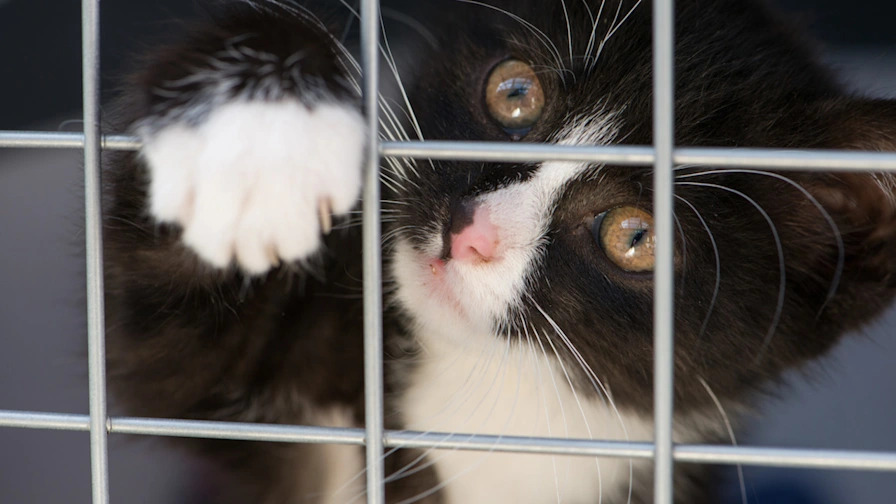
Have you ever noticed your cat growling at his toy and wondered why? It’s confusing when something that’s supposed to be fun suddenly sparks a strange reaction.
Your furry friend isn’t just being grumpy—there’s usually a reason behind that growl. Understanding what’s going on can help you connect better with your cat and keep playtime enjoyable for both of you. Keep reading to discover the surprising reasons why your cat might growl at his toy—and how you can turn those moments into happy, playful ones.
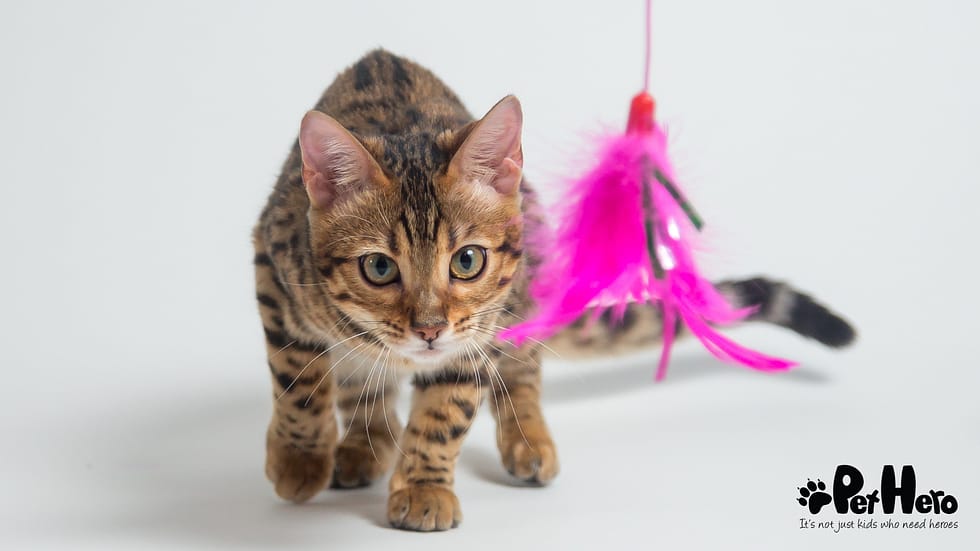
Credit: pethero.co.za
Cat Growling Basics
Understanding why your cat growls at his toy starts with the basics of cat growling. Growling is a form of communication. It tells you how your cat feels. Cats use growling to show discomfort, fear, or protectiveness. This behavior is natural and helps them express strong emotions. Knowing these basics helps you respond better to your pet’s needs.
What Growling Means
Growling is a warning sound. It signals that your cat is uneasy or upset. Your cat might growl to say “back off” or “I don’t like this.” Sometimes, growling happens because of pain or stress. It is a way for cats to protect themselves. Pay attention to your cat’s body language. Growling paired with hissing or raised fur means your cat feels threatened.
Common Growling Triggers
Toys can trigger growling for several reasons. Your cat may see the toy as prey or a rival. New or noisy toys can cause fear or confusion. A toy might be too rough or hurt your cat during play. Sometimes, your cat growls to show possessiveness over a favorite toy. Other triggers include sudden movements or changes in the environment around the toy.
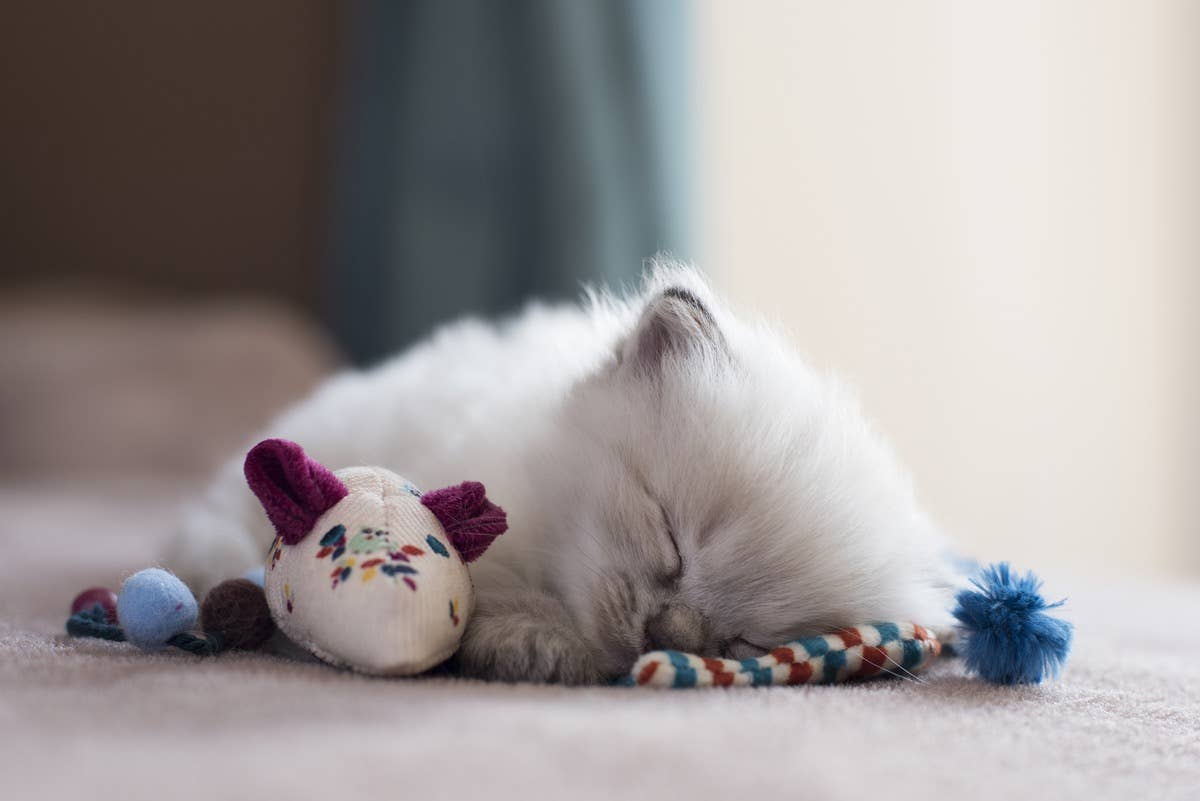
Credit: paradepets.com
Toy-related Growling Reasons
When your cat growls at a toy, it might seem puzzling or even alarming. Understanding why this happens can help you respond in ways that keep playtime fun and stress-free. The reasons behind toy-related growling often tie back to your cat’s natural instincts and emotional state.
Territorial Behavior
Cats often see their toys as personal property. If another pet or even a person gets too close, your cat might growl to defend this cherished item. This behavior is a way to mark boundaries and protect what they consider theirs.
Think about times when your cat snarls if you try to take a favorite toy away. This reaction shows how seriously they take their “territory.” You can help by creating separate play zones or offering duplicate toys to reduce conflicts.
Frustration Or Overstimulation
Sometimes, your cat’s growling comes from frustration. If a toy is difficult to catch or doesn’t move as expected, your cat might express irritation through growling sounds. Overstimulation during intense play sessions can also trigger this response.
Have you noticed your cat growling after a long chase with a feather wand? This is a sign they might need a break. Offering calm moments between play bursts can prevent frustration and keep your cat engaged without stress.
Play Aggression
Growling during play can be a sign of play aggression, a natural behavior where your cat practices hunting skills. This type of growling is often mixed with pouncing, biting, and clawing at the toy. It’s a healthy outlet for their predatory instincts.
To manage play aggression, use toys that keep your hands safely out of reach, like wand toys or laser pointers. This helps channel your cat’s energy into appropriate targets without encouraging biting or scratching you.
Emotional Factors Behind Growling
Understanding the emotional factors behind your cat growling at his toy can offer valuable insights into his behavior. Cats, like humans, have emotions that can influence their reactions. Recognizing these emotions can help you address any underlying issues and ensure your feline friend feels secure and happy.
Stress And Anxiety
Stress and anxiety can make your cat more prone to growling, even at his favorite toy. Changes in the environment, such as moving to a new home or the arrival of a new pet, can trigger these feelings. If your cat is growling more than usual, consider any recent changes in his routine that might be causing stress.
Have you noticed your cat hiding more often or being less playful? These could be signs of anxiety. Try to create a calm and stable environment for your cat, and observe if his behavior improves.
Protectiveness Over Toys
Cats can become possessive of their toys, treating them as prized possessions. Growling might be your cat’s way of expressing protectiveness over what he perceives as his ‘property’. This behavior is quite common and can be observed if your cat seems reluctant to share his toys with other pets or even with you.
Does your cat carry his toy around and stash it in a secret spot? This could be his way of guarding it. Make sure your cat has plenty of toys to reduce the need for possessiveness and provide a sense of abundance.

Credit: www.reddit.com
Health Issues Influencing Growling
Health issues can cause your cat to growl at his toy. Sometimes, the toy might trigger pain or discomfort. Other times, sensory sensitivities make the toy seem unpleasant or scary. Understanding these health factors helps you respond better to your cat’s behavior.
Pain Or Discomfort
Your cat may growl if touching the toy causes pain. Conditions like arthritis or dental problems can make playing hurt. Even a small injury on paws or mouth can make your cat defensive. The toy might press on a sore spot, triggering growling. Watch for other signs like limping or avoiding play.
Sensory Sensitivities
Cats have strong senses that can get easily overwhelmed. A noisy or rough toy may scare a sensitive cat. Some cats dislike certain textures or smells on toys. Bright colors or flashing lights can cause stress. These sensitivities can lead to growling as a warning to stay away.
How To Respond To Growling
Understanding how to respond to your cat’s growling at his toy can change the way you interact during playtime. It’s important to recognize that growling is a form of communication. Your cat might be telling you something about his mood, comfort level, or even the toy itself.
Responding appropriately helps keep play safe and enjoyable for both you and your feline friend. It also strengthens your bond and prevents any unwanted behavior from escalating.
Safe Play Techniques
Always observe your cat’s body language alongside the growling. If your cat growls but seems relaxed, he might be just excited or overstimulated. In this case, try to redirect his attention with a different toy or a short break.
Use toys that keep a safe distance between your hands and your cat’s teeth or claws, like wand toys or laser pointers. Avoid using your hands or fingers as toys to prevent accidental bites or scratches.
Set clear boundaries during play. If your cat growls, pause the game for a moment to let him calm down. This teaches your cat that calm behavior gets more playtime and helps him associate growling with the end of fun.
When To Consult A Vet
If your cat’s growling becomes frequent, aggressive, or is paired with other signs like hiding, loss of appetite, or changes in litter box habits, it could signal pain or illness. In these cases, a vet visit is necessary to rule out medical issues.
Sometimes, growling at toys may indicate discomfort if the toy causes pain, especially if your cat has dental problems or arthritis. Mention these behaviors during your vet appointment for a thorough check-up.
Have you noticed changes in your cat’s play habits along with the growling? Monitoring these details and acting early can prevent bigger problems later.
Frequently Asked Questions
Why Does My Cat Growl At His Toy?
Cats may growl at toys due to overstimulation or frustration. It mimics hunting behavior, showing excitement or territorial instincts. Sometimes, the toy’s movement or texture triggers this reaction. Understanding your cat’s body language helps manage playtime and avoid stress.
Can Growling Indicate Toy Aggression In Cats?
Yes, growling can signal toy aggression. Cats see toys as prey or rivals. Growling warns others to stay away. This behavior is natural but should be monitored. Providing appropriate toys and play sessions reduces aggressive responses.
How To Stop My Cat From Growling At Toys?
To stop growling, use gentle play and avoid overstimulation. Offer interactive toys that mimic prey movement. Give your cat breaks during playtime. Reward calm behavior to encourage positive associations. Consult a vet if growling persists or worsens.
Is Growling Normal During Cat Playtime?
Growling can be normal during intense play. It reflects your cat’s hunting instincts and excitement. However, if growling turns into hissing or biting, it may indicate stress. Watch your cat’s overall behavior to ensure healthy play.
Conclusion
Cats growl at toys for many reasons, such as excitement or feeling playful. Sometimes, they see the toy as a small rival. This behavior shows their natural hunting skills. Watching your cat carefully helps you understand their feelings. Giving your cat different toys can keep them happy and active.
Remember, growling is normal and not always a sign of anger. Enjoy your cat’s unique way of playing and bonding with you.

Leave a Reply