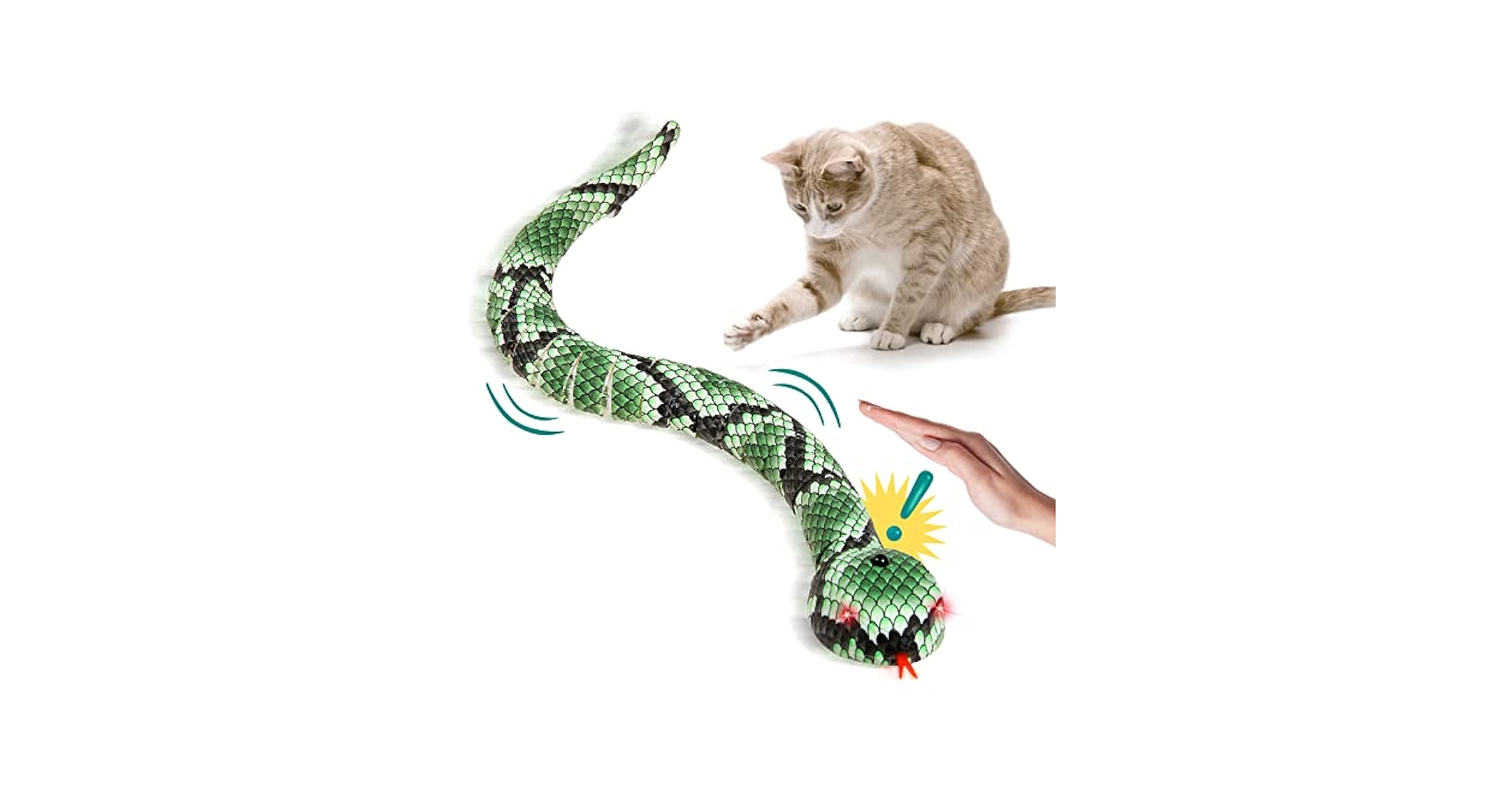
Are you tired of your cat sneaking into places it shouldn’t be? Maybe you’ve heard that toy snakes can keep curious cats away.
But does this trick really work? If you want to protect your furniture, plants, or certain rooms from your furry friend, understanding whether toy snakes truly deter cats is key. Keep reading to discover the surprising truth and find out if this simple tool can help you manage your cat’s behavior easily.
How Cats React To Toy Snakes
Understanding how cats react to toy snakes can help you decide if these gadgets truly work as deterrents. Cats rely heavily on their instincts, but their behavior toward toy snakes varies widely. Some cats might freeze or bolt, while others simply ignore the fake threat.
Instinctive Fear Responses
Cats have an inborn fear of snakes, a survival trait passed down from their wild ancestors. When a cat spots a toy snake, it may hiss, puff up, or back away quickly. These reactions are your cat’s natural way of staying safe.
However, not every cat responds the same way. Some may only show mild caution or briefly pause before investigating further. It all depends on your cat’s personality and past experiences.
Curiosity Versus Caution
Curiosity often wins over caution in many cats. After an initial scare, your cat might approach the toy snake to sniff or paw at it. This behavior shows that the fear isn’t deep-rooted but more of a momentary surprise.
Have you noticed your cat’s body language when it encounters something new? Watch closely—ears forward, tail twitching, and slow blinking signal curiosity, while flattened ears and hissing indicate fear. Understanding these signs helps you gauge how effective a toy snake might be.
Limitations Of Toy Snakes
Toy snakes lack movement and scent, two key elements that real snakes use to intimidate predators. Because of this, many cats quickly learn that toy snakes pose no real danger. This means the deterrent effect often wears off after a few encounters.
For lasting results, consider combining toy snakes with other deterrents like scents cats dislike or physical barriers. Remember, no single tool works for every cat, so observe your pet’s reaction and adjust your approach accordingly.

Credit: www.amazon.com
Choosing The Right Toy Snake
Choosing the right toy snake can make a big difference in keeping cats away. The effectiveness depends on several factors like size, how real it looks, where it is placed, and the material it is made from. Each factor affects how your cat reacts to the toy snake.
Size And Realism
The toy snake should be large enough to catch your cat’s attention. Small, tiny snakes might be ignored. Realistic colors and patterns increase the chance your cat will see it as a threat. A snake that looks fake may not work well. Details like eyes and texture help the toy seem more lifelike.
Placement Strategies
Put the toy snake where your cat usually visits. Near garden beds, doorways, or favorite spots work best. Moving the snake to different places can keep your cat curious and cautious. Avoid placing it in open areas where it looks out of place. The toy should blend into the environment but still be visible enough to scare your cat.
Material And Durability
Choose a toy snake made of strong materials. Cats can be rough, so the snake needs to last. Rubber or thick plastic works well and can handle bites and scratches. Lightweight materials might blow away or break easily. A durable toy saves money and keeps your cat deterred for longer.
Additional Methods To Deter Cats
Toy snakes can scare cats by mimicking real snakes, triggering their natural fear. Placing these toys in gardens or near plants may help keep cats away. Many cats avoid areas with snake-like shapes and sudden movements.
Cats can be delightful companions, but sometimes they wander into places you’d rather they didn’t. If toy snakes aren’t enough to keep them at bay, there are additional methods you can try. Each approach has its own benefits, and combining them can create a more effective deterrent strategy. Let’s explore some of these options to maintain a cat-free zone in your garden or home.Scent-based Repellents
Cats have a keen sense of smell, which can be used to your advantage. Certain scents are notorious for being off-putting to felines. Citrus peels, for instance, can be scattered around the areas you want to protect. Essential oils like lavender or eucalyptus can be mixed with water and sprayed in problem areas. Just be cautious—some oils can be harmful to cats if ingested.Physical Barriers
A tangible barrier can be a strong deterrent for curious cats. Fences with angled tops prevent climbing. Consider using chicken wire laid flat on the soil in gardens; cats dislike walking on it. Placing prickly plants around your garden can also serve as a natural barrier. These physical deterrents not only keep cats away but can also enhance the aesthetic of your space.Sound And Motion Deterrents
Innovative devices that use sound and motion can effectively deter cats. Motion-activated sprinklers surprise cats with a harmless burst of water. These can be particularly useful in gardens where you can’t always keep an eye out. Ultrasonic devices emit a sound uncomfortable for cats but inaudible to humans. Think about how you might combine these tech-savvy solutions with other methods for maximum impact. Have you tried any of these methods before? Each strategy offers a unique way to keep your space cat-free. Which one will you try next?
Credit: www.amazon.com
Safety Tips For Using Deterrents
Using toy snakes as deterrents can be effective but requires care. Safety is key for both cats and your home environment. Follow simple tips to ensure deterrents work without causing harm or stress to your pets.
Avoiding Harm To Cats
Choose toy snakes made from soft, non-toxic materials. Avoid sharp edges or small parts that cats could swallow. Place deterrents where cats cannot knock them over or get trapped. Never leave toy snakes unattended with curious cats. Watch for signs of fear or distress and remove the item if needed.
Monitoring Cat Behavior
Observe your cat’s reaction closely after placing toy snakes. Note if the cat avoids the area or shows signs of stress. Look for changes in eating, sleeping, or play habits. Adjust placement or remove deterrents if negative behavior appears. Consistent monitoring helps keep your cat safe and comfortable.
Combining Deterrent Techniques
Use toy snakes with other safe deterrents for better results. Try motion-activated sprays, citrus scents, or textured mats. Rotate deterrents to prevent cats from getting used to one type. Combining techniques reduces reliance on any single method. This approach keeps your cat curious but cautious.

Credit: www.amazon.com
Frequently Asked Questions
Do Toy Snakes Effectively Keep Cats Away?
Toy snakes can sometimes startle cats and deter them temporarily. However, cats often get used to these toys over time. Toy snakes are not a guaranteed long-term solution for keeping cats away. Combining methods works better for lasting results.
How Do Cats React To Toy Snakes?
Cats usually show curiosity or fear when seeing toy snakes initially. Some cats may avoid the area, while others might investigate or ignore them. Their reaction depends on the cat’s personality and previous experiences with real snakes.
Are Toy Snakes Safe For Cats?
Yes, toy snakes are safe as they pose no physical harm. They are made from non-toxic materials, but supervision is advised to prevent chewing or swallowing small parts. Always choose durable toys to ensure your cat’s safety.
Can Toy Snakes Replace Other Cat Deterrents?
Toy snakes alone are often not enough to deter cats effectively. Using additional deterrents like scents, sprays, or barriers provides better results. Combining multiple methods creates a more reliable cat deterrent strategy.
Conclusion
Toy snakes may work to keep some cats away. Cats often get scared by snake shapes and move back. But not all cats react the same way. Some get curious or ignore the toy. Changing the toy’s position can help keep cats guessing.
Using toy snakes is a simple, safe way to try. It won’t harm cats or your garden. Testing it yourself shows if it fits your needs. Small steps like this can make a difference. Give it a try and see what happens.


Leave a Reply