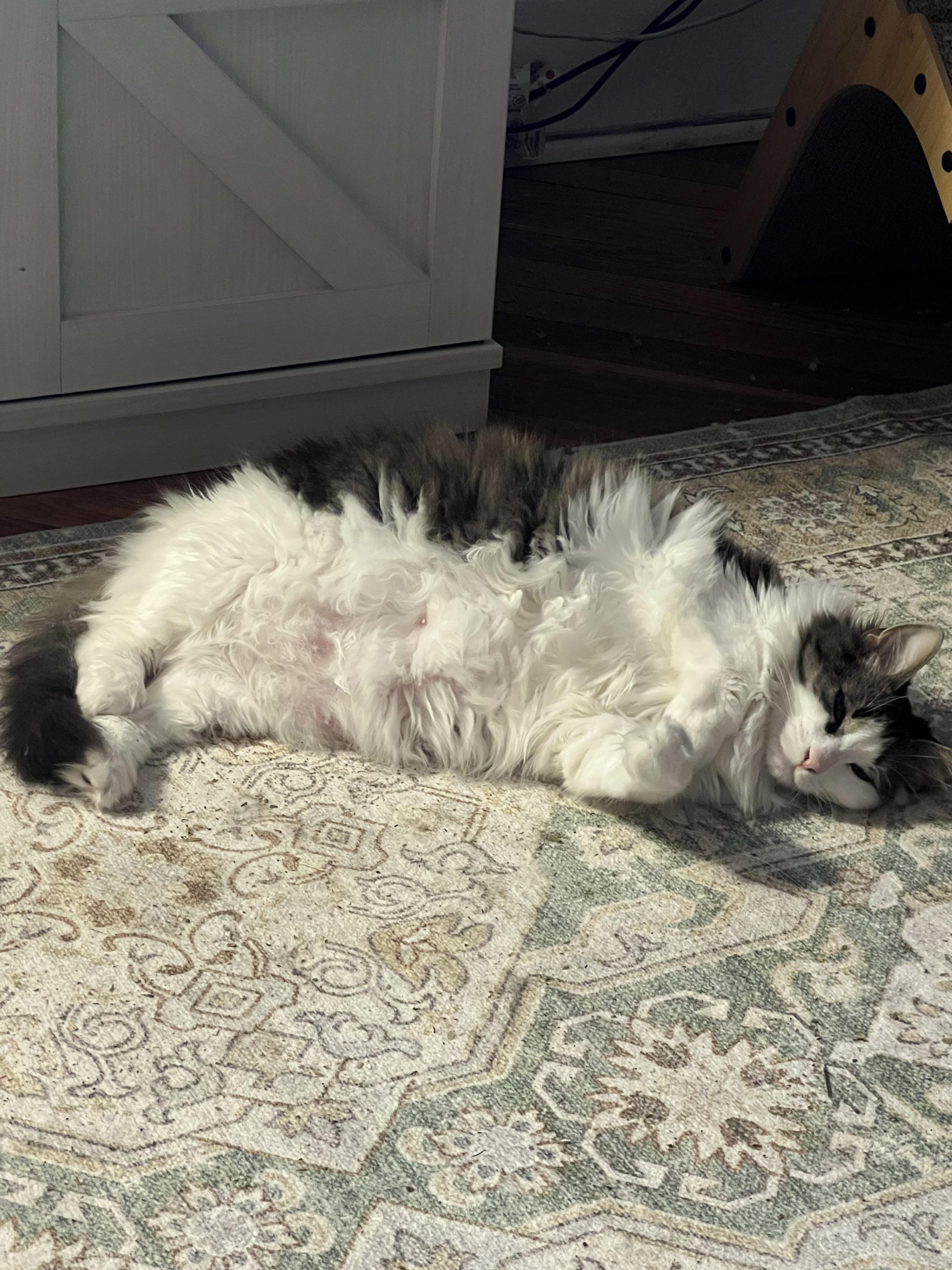
Have you noticed your cat spending way too much time licking or biting its fur? Excessive grooming can be more than just a quirky habit—it might be a sign that something is bothering your furry friend.
If you’re wondering, “Why is my cat excessive grooming? ” you’re not alone. Understanding what’s behind this behavior can help you keep your cat happy and healthy. Keep reading, because uncovering the reasons behind your cat’s grooming habits could make all the difference for their well-being.

Credit: www.reddit.com
Common Reasons For Excessive Grooming
Excessive grooming in cats can be puzzling and concerning for any pet owner. Understanding the common reasons behind this behavior is key to helping your feline friend feel comfortable and healthy. Excessive grooming often signals that something is off, whether it’s physical discomfort or emotional distress.
Stress And Anxiety
Stress is a major trigger for over-grooming in cats. Changes in the environment, like moving to a new home or introducing a new pet, can make your cat anxious. You might notice your cat licking or biting the same spot repeatedly as a way to soothe itself.
Think about your cat’s daily routine—have there been any recent disruptions? Providing safe spaces and maintaining a calm environment can reduce your cat’s stress levels. Have you tried adding interactive toys or spending more quality time together?
Skin Allergies
Skin allergies are another common cause of excessive grooming. Cats may react to food ingredients, cleaning products, or pollen, leading to itchy, irritated skin. You might see redness, bumps, or hair loss in the areas your cat licks most.
Have you changed your cat’s diet or introduced new household products recently? Identifying and eliminating allergens can stop the itching and reduce the grooming. Consulting a vet for allergy testing could provide clear answers and treatment options.
Parasites And Infections
Parasites like fleas and mites often cause intense itching that drives cats to groom excessively. Even a few fleas can cause your cat to obsessively scratch and bite at its fur. Infections, whether bacterial or fungal, can also lead to discomfort and over-grooming.
Do you regularly check your cat for fleas or signs of skin infection? Keep your cat’s environment clean and use vet-recommended parasite preventatives. Early detection and treatment are crucial to stop your cat from harming its skin.
Behavioral Causes To Consider
Excessive grooming in cats often points to more than just a hygiene habit. Behavioral issues can play a big role in why your cat might be overdoing it. Understanding these behaviors helps you respond better and improve your cat’s comfort and well-being.
Boredom And Lack Of Stimulation
Cats need mental and physical activity to stay happy. Without enough play or interaction, they might start grooming too much as a way to pass time. Have you noticed your cat staring out the window or pacing around aimlessly? These are signs your cat may be craving more engagement.
Adding new toys, puzzle feeders, or even short play sessions can reduce this kind of grooming. It’s amazing how a few minutes of chasing a feather wand can shift their focus away from over-grooming.
Compulsive Grooming
Sometimes grooming turns into a repetitive behavior that your cat can’t control. This compulsive grooming often looks like constant licking, biting, or even bald patches appearing. It’s similar to how humans might bite their nails when stressed.
If your cat seems unable to stop, it might be time to consult a vet or a behaviorist. They can help determine if anxiety or stress is the root cause and suggest ways to calm your cat down.
Attention-seeking Behavior
Your cat might groom excessively to get your attention. If you only notice them when they groom too much, they may learn this behavior is a way to make you focus on them. Cats quickly pick up on what works.
Try giving your cat regular affection and playtime before the grooming starts. This can help prevent the need for attention-seeking grooming and strengthen your bond at the same time.
Medical Conditions Linked To Grooming
Excessive grooming in cats can signal health issues like allergies, skin infections, or pain. Stress and anxiety also trigger over-grooming. Watching for these signs helps identify underlying medical problems early.
Cats are known for their grooming habits. But excessive grooming can be a sign of underlying medical conditions. Cats might groom excessively due to stress or health issues. Understanding these conditions can help in addressing the problem effectively.Hormonal Imbalances
Hormonal changes can impact a cat’s grooming behavior. Conditions like hyperthyroidism increase anxiety and restlessness. This leads to more grooming. Hormonal imbalances might also cause skin changes. These changes make the cat groom more. Regular vet check-ups help in diagnosing such issues.Pain Or Discomfort
Pain often causes cats to groom excessively. Arthritis or injuries can make areas sensitive. Cats lick these areas to soothe discomfort. Dental problems might also lead to more grooming. They groom to distract themselves from mouth pain. Observing your cat’s behavior can give clues about hidden pain.Neurological Disorders
Neurological issues can trigger repetitive behaviors. Cats with these disorders might groom excessively. The grooming becomes a compulsive behavior. It offers them comfort in their confusion. Identifying these disorders early helps in managing symptoms better. Always consult a vet for accurate diagnosis and treatment.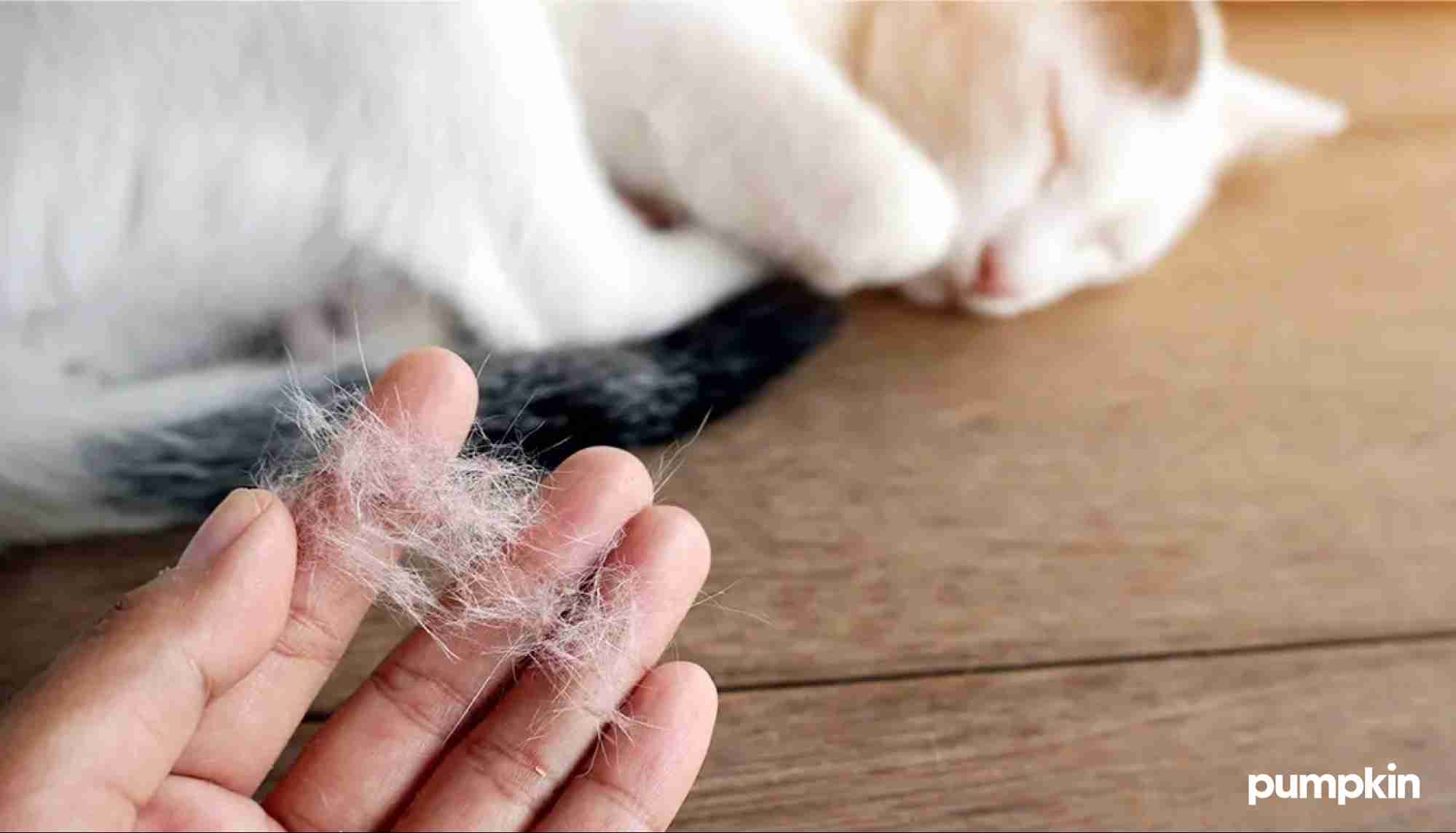
Credit: www.pumpkin.care
How To Identify Excessive Grooming
Excessive grooming in cats can signal health or emotional issues. Identifying this behavior early helps prevent serious problems. Understanding what counts as normal grooming versus over-grooming is key. Observing your cat closely can reveal important clues.
Signs To Watch For
- Hair loss in patches or thinning fur
- Red or irritated skin on groomed areas
- Visible wounds or scabs from licking
- Frequent licking or chewing of the same spot
- Restlessness or anxiety behaviors
- Changes in appetite or sleep patterns
Grooming Vs Over-grooming
Normal grooming keeps your cat clean and comfortable. Cats usually spend about 30-50% of their awake time grooming. Over-grooming happens when grooming causes skin damage or hair loss. It often reflects stress, allergies, or medical issues. Watch for repetitive licking and scratching beyond usual care.
When To See A Vet
Schedule a vet visit if your cat shows wounds or bald spots. Persistent itching or redness needs professional attention. Behavioral changes combined with over-grooming require a health check. Early diagnosis helps treat allergies, parasites, or infections. A vet can also suggest ways to reduce stress.
Steps To Manage And Reduce Grooming
Excessive grooming can stress your cat and cause skin problems. Managing this behavior takes patience and careful steps. Focus on improving your cat’s environment, treating any health issues, and adjusting behavior through gentle changes.
Environmental Enrichment
Provide toys and climbing spaces to keep your cat busy. A bored cat may groom too much to pass time. Rotate toys to keep interest high. Create quiet resting spots for your cat to relax. Use puzzle feeders to stimulate your cat’s mind. Fresh air and windows with views also help reduce stress.
Treating Underlying Conditions
Visit the vet to check for allergies or infections. Skin problems often cause itching and over-grooming. Parasites like fleas can trigger this behavior. Treat pain or discomfort from arthritis or injuries. Proper diagnosis and treatment ease your cat’s urge to groom excessively.
Behavioral Interventions
Distract your cat with play during grooming urges. Use gentle petting to calm your cat when stressed. Avoid punishing your cat, as it increases anxiety. Reward calm behavior to encourage less grooming. Consistency in routine helps your cat feel safe and secure.
Preventive Measures For Healthy Grooming
Preventive measures play a key role in keeping your cat’s grooming healthy and balanced. Excessive grooming often signals an underlying problem. Taking proactive steps can help reduce this behavior and maintain your cat’s well-being. Focus on areas that support overall health and comfort.
Regular Vet Checkups
Schedule vet visits at least twice a year. Vets can spot skin issues, allergies, or parasites early. These problems often cause itching and over-grooming. Early detection allows quick treatment. Keep vaccinations and flea control up to date. Regular exams help maintain your cat’s health and comfort.
Proper Nutrition
Feed a balanced diet rich in essential nutrients. Quality food supports skin health and reduces irritation. Omega-3 fatty acids help soothe dry, itchy skin. Avoid foods that cause allergies or sensitivities. Consult your vet about the best diet for your cat. Proper nutrition strengthens the immune system and promotes healthy fur.
Stress Reduction Techniques
Stress triggers excessive grooming in many cats. Create a calm and safe environment. Provide hiding spots and quiet resting areas. Use interactive toys to keep your cat mentally active. Maintain a consistent daily routine. Consider pheromone diffusers to reduce anxiety. Minimizing stress helps prevent compulsive grooming habits.
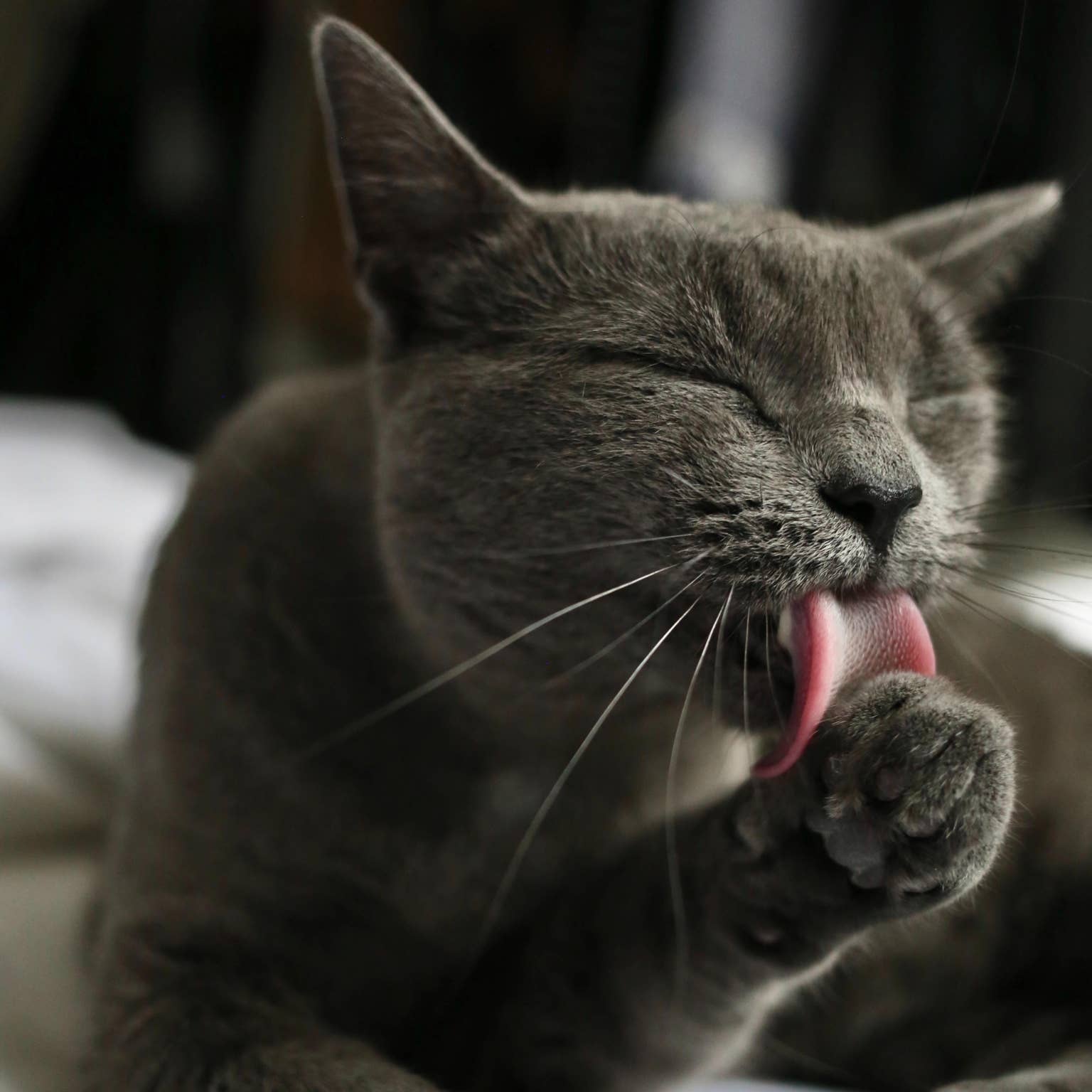
Credit: pethelpful.com
Frequently Asked Questions
Why Is My Cat Grooming Excessively?
Excessive grooming in cats can signal stress, allergies, or parasites. It may also indicate skin infections or behavioral issues. Identifying the cause helps prevent further skin damage and ensures your cat’s well-being.
Can Allergies Cause Cats To Overgroom?
Yes, allergies to food, pollen, or flea bites often trigger overgrooming. Allergic reactions cause itching and discomfort, prompting cats to lick or scratch excessively. Treating allergies reduces grooming and improves skin health.
How Does Stress Affect Cat Grooming Habits?
Stress and anxiety can cause cats to groom excessively as a coping mechanism. Changes in environment or routine often lead to overgrooming. Reducing stress through enrichment and comfort helps normalize grooming behavior.
When Should I See A Vet For My Cat’s Grooming?
If your cat grooms so much it causes hair loss or skin wounds, see a vet. Persistent scratching, redness, or behavioral changes also warrant professional evaluation. Early vet care prevents complications.
Conclusion
Excessive grooming in cats shows something is wrong. It may mean stress, allergies, or health problems. Watch your cat closely and note any changes. A vet visit can help find the cause. Early care stops issues from getting worse. Keep your cat calm and comfortable.
Understanding why your cat grooms too much helps protect their health. Stay patient and observant for the best care. Your cat depends on you to stay happy and healthy.

Leave a Reply