Have you ever noticed your cat avoiding grooming its behind? It might seem strange or even a little funny, but this behavior can actually tell you a lot about your furry friend’s health.
When your cat skips cleaning such an important spot, it could mean something is wrong. You want your pet to be comfortable and clean, right? Keep reading to discover why your cat might be neglecting this area and what you can do to help.
Understanding this can make a big difference for your cat’s happiness and well-being.

Credit: www.reddit.com
Common Grooming Habits
Understanding your cat’s grooming habits can shed light on why they might skip certain areas, like their behind. Cats are usually meticulous groomers, but variations happen. Knowing what’s normal helps you spot when something might be wrong.
How Cats Usually Clean Themselves
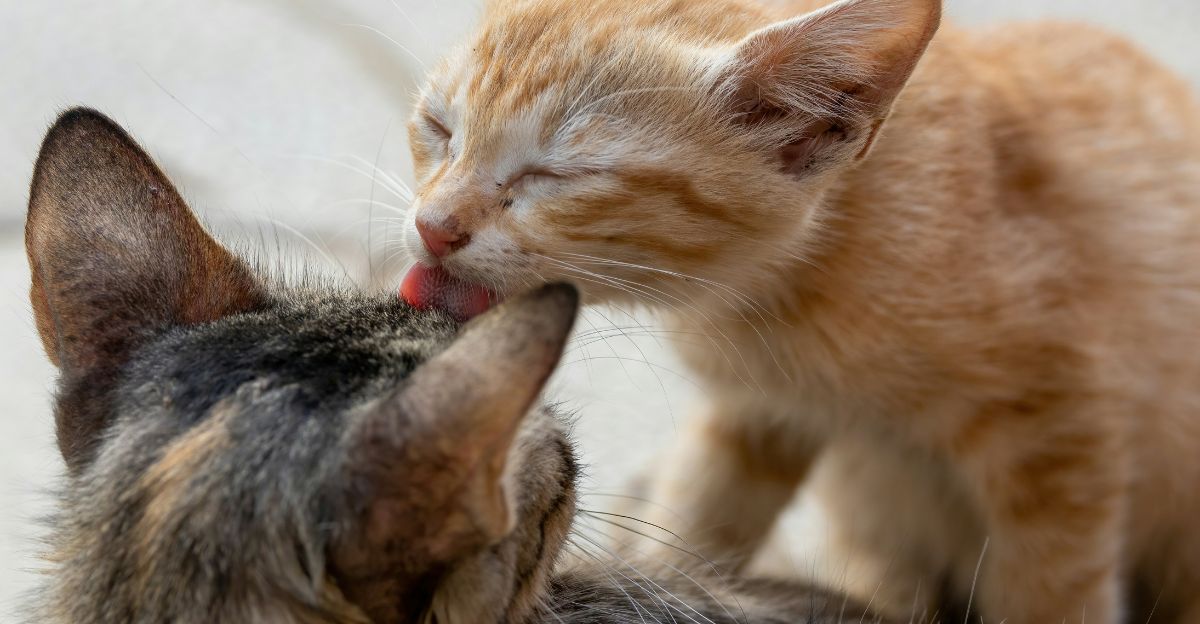
Cats use their rough tongues to clean their fur, removing dirt and loose hair. They start with their face, then move down their body, licking in a careful and repetitive pattern. Their flexibility lets them reach most areas, but some spots can be harder to access.
They also use their paws as little washcloths, moistening them before wiping their face and ears. This paw-licking technique helps reach tight spaces. Notice if your cat struggles or avoids certain spots, as it might indicate discomfort or health issues.
Importance Of Self-grooming
Self-grooming keeps a cat’s coat clean and helps regulate body temperature. It also reduces stress and strengthens their bond when they groom each other. Missing grooming in key areas could mean pain, obesity, or illness, so it’s worth paying attention.
Have you ever seen your cat suddenly stop cleaning themselves? It’s a sign to check their health or environment. Grooming is more than hygiene—it’s a vital part of their well-being that you should never overlook.
Health Issues Affecting Grooming
Your cat’s grooming habits can tell you a lot about their health. When your cat stops grooming their rear area, it might be more than just laziness or moodiness. Health problems can make it difficult or painful for your feline friend to keep clean.
Understanding these health issues helps you catch problems early and provide the right care. Let’s look at some common health reasons why your cat might avoid grooming their butt.
Anal Gland Problems
Cats have small anal glands that can get clogged or infected. When this happens, grooming becomes uncomfortable or painful for them. You might notice your cat scooting on the floor or licking the area excessively but still looking dirty.
If your cat shows signs of discomfort or swelling near the anus, it’s important to see a vet. They can express the glands and treat any infection. Ignoring this can lead to abscesses or more serious issues.
Skin Infections And Irritations
Skin problems like infections, rashes, or parasites can make your cat avoid grooming certain spots. The skin around their rear might be sore or itchy, causing them to shy away from cleaning.
Look closely for redness, hair loss, or scabs in that area. These symptoms often require medical treatment. You might need to clean the area gently and use vet-approved ointments to help your cat feel comfortable again.
Arthritis And Mobility Issues
Older cats or those with joint pain often struggle to reach their rear for grooming. Arthritis can make bending and twisting painful or impossible. This can leave their butt unclean, even if they want to groom properly.
You can help by assisting with grooming or using wipes designed for cats. Regular vet check-ups can identify arthritis early, and pain relief options can improve your cat’s quality of life. Have you noticed your cat moving slower or avoiding certain positions?
Behavioral Factors
Behavioral factors can affect a cat’s grooming habits, especially in sensitive areas like the butt. Cats are creatures of habit. Changes in their behavior often reflect how they feel inside. Stress or anxiety can cause a cat to stop grooming certain parts. Understanding these behaviors helps in identifying why a cat might neglect its hygiene.
Stress And Anxiety Effects
Stress can cause a cat to stop grooming completely or partially. Anxiety makes them restless or distracted. They may focus on other activities or hide more often. Stress from loud noises, new pets, or visitors can trigger this behavior. Grooming is a calming action for cats. When stressed, they might skip grooming areas like their butt. This neglect can lead to discomfort and hygiene issues.
Changes In Routine Or Environment
Cats dislike sudden changes. Moving to a new home or changing furniture can unsettle them. A shift in feeding times or litter box location also affects behavior. Cats may stop grooming if they feel insecure. They need a stable environment to feel safe. Without this, grooming habits can decline. Observing these changes can help spot the cause of grooming neglect early.

Credit: www.reddit.com
Diet And Digestion Impact
Diet and digestion play a key role in a cat’s grooming habits. Cats require a balanced diet to maintain their health and grooming routines. A poor diet can affect their ability to clean themselves. Let’s explore how diet and digestion impact your cat’s grooming behavior.
Poor Diet And Digestive Health
A poor diet can lead to digestive issues in cats. Cats need a diet rich in protein and moisture. Dry food can cause dehydration and digestive problems. Digestive discomfort can make grooming difficult. Watch for signs like bloating or irregular stools. Ensure your cat’s diet is balanced and suitable for their needs.
Parasites And Their Role
Parasites can cause discomfort and affect grooming. Fleas and worms are common in cats. They cause itchiness and irritation, distracting your cat. This makes it hard for them to groom properly. Regular vet check-ups can help detect parasites early. Use prescribed treatments to keep parasites at bay.
When To Seek Veterinary Care
Cats usually groom themselves well, including their rear area. Sometimes, a cat stops grooming its butt. This can show a health issue that needs attention. Knowing when to visit a vet is important for your cat’s well-being. Watch for signs that suggest serious problems and learn about treatment options.
Signs Of Serious Health Problems
- Persistent bad smell around the rear
- Swelling or redness near the anus
- Visible wounds or sores
- Excessive licking or biting of the area
- Difficulty sitting or walking comfortably
- Changes in bathroom habits like straining or constipation
- Weight loss or loss of appetite
- Sudden aggression or hiding behavior
These signs may indicate infections, anal gland issues, or other health problems. Prompt veterinary care helps prevent worsening conditions.
Treatment Options
Treatment depends on the vet’s diagnosis. Common treatments include:
- Cleaning and draining infected anal glands
- Medications like antibiotics or anti-inflammatories
- Special shampoos or ointments for skin issues
- Diet changes to ease digestion and stool consistency
- Pain relief medicines if your cat feels discomfort
- Minor surgery in rare cases
Follow your vet’s advice closely. Regular check-ups support your cat’s health and comfort.

Credit: www.reddit.com
Tips To Encourage Grooming
Encouraging your cat to groom properly is essential for its health. Some cats may avoid grooming certain areas due to discomfort or other issues. Helping your cat maintain cleanliness can improve its well-being.
Regular Cleaning Assistance
Gently wipe your cat’s rear with a soft, damp cloth. This helps remove dirt and prevents buildup. Use pet-safe wipes designed for sensitive skin. Regular cleaning supports hygiene and reduces irritation. Check for any signs of redness or swelling during cleaning. If you notice problems, consult a vet for advice.
Improving Comfort And Hygiene
Keep your cat’s fur trimmed around the rear area. Short fur reduces matting and makes grooming easier. Make sure your cat has a calm, quiet space to groom. Stress can stop cats from cleaning themselves. Provide a balanced diet to support skin and coat health. Healthy cats usually groom more effectively.
Frequently Asked Questions
Why Doesn’t My Cat Groom Its Butt Properly?
Cats may avoid grooming their butt due to pain, obesity, or arthritis. Health issues can make cleaning difficult or uncomfortable. Regular vet checkups help identify and treat these problems early.
Can Health Problems Cause Grooming Issues In Cats?
Yes, conditions like anal gland infections, arthritis, or obesity can hinder grooming. These issues cause pain or limit mobility, making it hard for cats to clean themselves.
How Can I Help My Cat Groom Its Butt Better?
Assist by gently cleaning the area and consulting a vet if problems persist. Maintaining a healthy weight and regular grooming sessions can improve your cat’s hygiene.
Is Lack Of Grooming A Sign Of Serious Illness?
It can be. Neglected grooming might indicate pain, infection, or other health concerns. Prompt veterinary evaluation ensures proper diagnosis and treatment to keep your cat healthy.
Conclusion
Cats may stop grooming their rear for many reasons. Health problems, pain, or stress can cause this change. Watch your cat closely for signs of illness. A quick vet visit helps find the cause fast. Good care and attention make a big difference.
Keep your cat comfortable and clean daily. Small changes can improve their grooming habits. Your cat’s well-being depends on your care. Stay patient and gentle while helping your pet. Understanding your cat leads to a happier life together.

Leave a Reply