Have you ever caught your cat chewing on her toys and wondered, “Why is my cat eating her toys?” It’s a strange habit that can leave you worried or puzzled. You might ask yourself if this behavior is normal or if it means something is wrong.
Understanding why your cat does this can help you keep her safe and happy. Keep reading to discover the surprising reasons behind this curious behavior and what you can do to help your furry friend.
Reasons Cats Chew Toys
Have you ever caught your cat nibbling on her toys and wondered why she does it? Cats chewing on toys is more common than you might think, and it’s driven by several interesting reasons. Understanding these reasons can help you respond better to your feline friend’s behavior and ensure she stays happy and healthy.
Natural Hunting Instincts
Cats are natural hunters. Chewing on toys mimics the action of catching and biting prey, fulfilling their instinctive need to hunt.
Even indoor cats rely on this behavior to express their natural drive. Have you noticed how your cat’s eyes light up when she plays with a toy mouse? That’s her channeling her inner hunter.
Teething And Oral Discomfort
Just like puppies, kittens go through a teething phase that can cause discomfort. Chewing helps relieve the soreness in their gums.
If your cat is young and constantly chewing toys, it might be her way of soothing teething pain. Providing soft, safe chew toys can ease this discomfort effectively.
Boredom And Lack Of Stimulation
When your cat doesn’t have enough mental or physical stimulation, chewing toys can be a way to entertain herself. It’s her way of filling the time and releasing energy.
Does your cat chew more when you’re busy or away? Adding interactive toys or scheduling play sessions can reduce boredom and destructive chewing.
Nutritional Deficiencies
Sometimes, chewing on non-food items like toys can signal a nutritional gap in your cat’s diet. This behavior might mean she’s trying to get minerals or vitamins she’s missing.
Have you checked if her food meets all her nutritional needs? Consulting your vet about her diet can help address this cause.
Stress And Anxiety
Stress and anxiety can lead cats to chew toys as a coping mechanism. It’s a way for them to self-soothe and find comfort.
Changes in the environment, loud noises, or new pets can trigger this behavior. Observing when your cat chews most might help you identify and reduce her stressors.
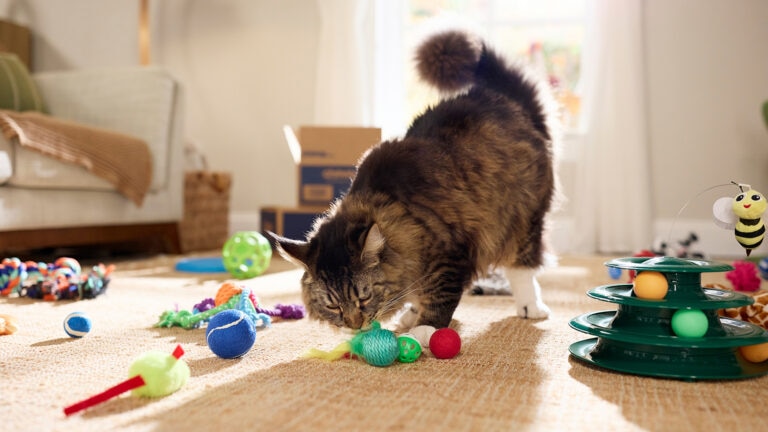
Credit: www.chewy.com
Health Risks Of Eating Toys
Watching your cat chew on or even swallow parts of her toys might seem harmless or even funny at first. However, this behavior can lead to serious health risks that you need to be aware of. Understanding these dangers helps you protect your furry friend and avoid unexpected vet visits.
Choking Hazards
Small toy parts can easily get stuck in your cat’s throat, causing choking. This can happen quickly and without warning, putting your cat in immediate danger. Have you ever seen your cat suddenly coughing or pawing at her mouth? Those are signs you should act fast.
Make sure to inspect toys regularly for loose pieces. If a toy breaks, remove it immediately to prevent your cat from swallowing dangerous fragments.
Intestinal Blockages
Swallowed toy pieces can block your cat’s intestines, which is a medical emergency. Symptoms like vomiting, loss of appetite, and lethargy can indicate a blockage. These issues need urgent veterinary care to avoid severe complications.
Consider how easily your cat can chew and swallow parts of her toys. Choosing durable toys and supervising playtime can reduce the risk of ingestion and blockages.
Toxic Materials In Toys
Many cat toys contain chemicals or dyes that are unsafe if ingested. Your cat’s chewing or swallowing these materials can lead to poisoning or long-term health problems. Have you checked the labels on your cat’s toys for safe, non-toxic materials?
Opt for toys made from natural or certified non-toxic substances. This simple step can protect your cat from harmful exposure and keep her playtime safe and fun.
How To Redirect Chewing Behavior
Redirecting your cat’s chewing behavior is key to keeping her safe and preserving your belongings. Instead of scolding, focus on guiding her towards better habits. Understanding what drives her to chew can help you provide the right outlets for her energy and curiosity.
Providing Safe Chew Alternatives
Offering your cat safe chew toys is essential. Look for products made specifically for cats, such as rubber or plush toys designed to withstand chewing. You might notice your cat prefers certain textures—experiment with different options like soft fabric toys or firmer rubber ones.
Keep these alternatives accessible and rotate them regularly to maintain your cat’s interest. Have you tried freezing a toy? The coldness can soothe teething gums and make chewing more appealing.
Increasing Play And Exercise
Chewing can be a sign of boredom or excess energy. Adding more playtime to your cat’s daily routine can help reduce unwanted chewing. Use interactive toys like feather wands or laser pointers to engage her in active play.
Try short, frequent play sessions throughout the day. This not only tires her out but also strengthens your bond. Do you notice a difference in behavior after a good play session?
Improving Diet And Nutrition
Sometimes chewing stems from nutritional needs or oral discomfort. Make sure your cat’s diet is balanced and meets her specific health requirements. High-quality food with appropriate vitamins and minerals supports overall well-being.
If chewing persists, consider consulting your vet to rule out dental issues or deficiencies. Have you checked if your cat’s diet might be missing something essential?
Using Enrichment Toys
Enrichment toys stimulate your cat’s mind and reduce stress-related chewing. Puzzle feeders, treat-dispensing balls, and interactive electronic toys keep her engaged. These toys mimic hunting and problem-solving, which can satisfy natural instincts.
Introduce new challenges gradually and observe which toys your cat prefers. How often do you switch up her toys to keep her curiosity alive?

Credit: www.reddit.com
When To See A Veterinarian
Noticing your cat chewing or eating her toys can be worrying. It might seem harmless at first, but sometimes it signals a deeper health or behavioral issue. Knowing when to consult a veterinarian can save your cat from discomfort or serious complications.
Signs Of Digestive Problems
If your cat is swallowing parts of her toys, watch closely for digestive issues. Symptoms like vomiting, diarrhea, or constipation can indicate a blockage or irritation in her stomach or intestines.
Another red flag is a loss of appetite or sudden weight loss. These signs suggest your cat might be struggling internally and needs prompt veterinary care.
Behavioral Changes To Monitor
Changes in behavior often point to underlying problems. If your cat becomes unusually lethargic, hides more than usual, or shows signs of pain when touched, it’s time to get her checked.
Also, if the toy-eating habit escalates or your cat starts chewing on other unusual objects, it could be a sign of stress, boredom, or a nutritional deficiency.
Professional Treatment Options
Veterinarians can offer several solutions depending on the cause. They might suggest dietary adjustments, prescribe medications, or recommend environmental enrichment to reduce stress.
In severe cases, like intestinal blockage, surgery might be necessary. Early intervention often leads to quicker recovery and fewer complications.
Have you noticed any of these signs in your cat? Don’t wait—contact your vet to keep your furry friend safe and healthy.
Preventing Future Toy Eating
Cats may chew toys out of boredom or stress. Offering more playtime and safe chew alternatives helps stop this habit. Regular attention keeps your cat busy and less likely to eat toys.
Preventing your cat from munching on her toys can be a bit of a challenge, but it’s not impossible. Understanding why she might be doing this is the first step. Is it boredom, anxiety, or simply a habit she’s picked up? Once you’ve got an idea, you can take practical steps to keep her toys safe and intact.Choosing Durable Toys
Selecting toys made from durable materials can be your first line of defense. Opt for toys crafted from rubber or thick fabric, which are less likely to fall apart under your cat’s playful bites. Avoid toys with small parts that can easily detach, as these can be swallowed and pose health risks. Reading reviews or seeking recommendations from fellow cat parents can guide you to the best options.Regular Toy Inspection And Replacement
Make it a habit to inspect your cat’s toys regularly. Look for signs of wear and tear, like loose threads or exposed stuffing. Replace damaged toys promptly to prevent your cat from ingesting any harmful materials. Keeping a small budget for toy replacement can ensure your cat always has safe options to play with.Creating A Stimulating Environment
A stimulating environment can reduce the likelihood of your cat eating her toys out of boredom. Introduce a variety of toys that engage different senses—such as toys that move, make sounds, or have different textures. Rotate toys weekly to keep things exciting and prevent your cat from getting too attached to any single toy. You can also provide puzzle feeders or interactive games to keep her mentally stimulated and physically active. By taking these proactive steps, you’re not only protecting your cat’s toys but also enhancing her overall well-being. How will you adapt your approach to ensure your feline friend stays entertained and safe?
Credit: www.kittyhelpdesk.com
Frequently Asked Questions
Why Is My Cat Eating Her Toys Frequently?
Cats may eat toys due to boredom, stress, or curiosity. Chewing provides mental stimulation and comfort. Sometimes, it mimics hunting behavior. Ensure your cat has proper playtime and safe, non-toxic toys to prevent health risks.
Can Eating Toys Harm My Cat’s Health?
Yes, swallowing toy parts can cause choking, intestinal blockages, or poisoning. Monitor your cat’s play habits and remove damaged toys immediately to avoid serious health issues.
How Can I Stop My Cat From Eating Toys?
Provide interactive play sessions and safe chew alternatives. Use puzzle feeders and rotate toys to keep interest high. If chewing persists, consult a vet for behavioral advice.
Is Chewing On Toys A Sign Of Nutritional Deficiency?
Occasionally, chewing may indicate a lack of nutrients or minerals. However, it’s often behavioral. Consult your vet to rule out dietary issues and ensure a balanced diet.
Conclusion
Cats chewing toys can mean many things. Sometimes, they are bored or curious. Other times, they want attention or feel stressed. Watching your cat closely helps you understand their behavior. Offering safe toys and regular playtime keeps them happy. Always check toys for damage to avoid swallowing small parts.
Talking to a vet can rule out health problems. Remember, patience and care make your cat feel safe and loved. Small changes can stop unwanted chewing and keep your pet healthy.



Leave a Reply