
How often should you have your cat professionally groomed? If you’ve ever wondered about the right grooming schedule for your feline friend, you’re not alone.
Keeping your cat clean and comfortable isn’t just about looks—it affects their health and happiness too. But how do you know when it’s time to call in the experts? You’ll discover clear answers and simple tips that make grooming easy and stress-free for both you and your cat.
Keep reading to find out how to keep your furry companion looking and feeling their best.

Credit: animalwellnessmagazine.com
Benefits Of Professional Grooming
Professional grooming does more than just keep your cat looking neat. It plays a vital role in maintaining their overall health and happiness. Understanding these benefits can help you decide how often to schedule grooming sessions for your feline friend.
Health Advantages
Regular grooming by a professional helps spot health issues early. Groomers can detect skin problems, parasites, or unusual lumps that you might miss at home.
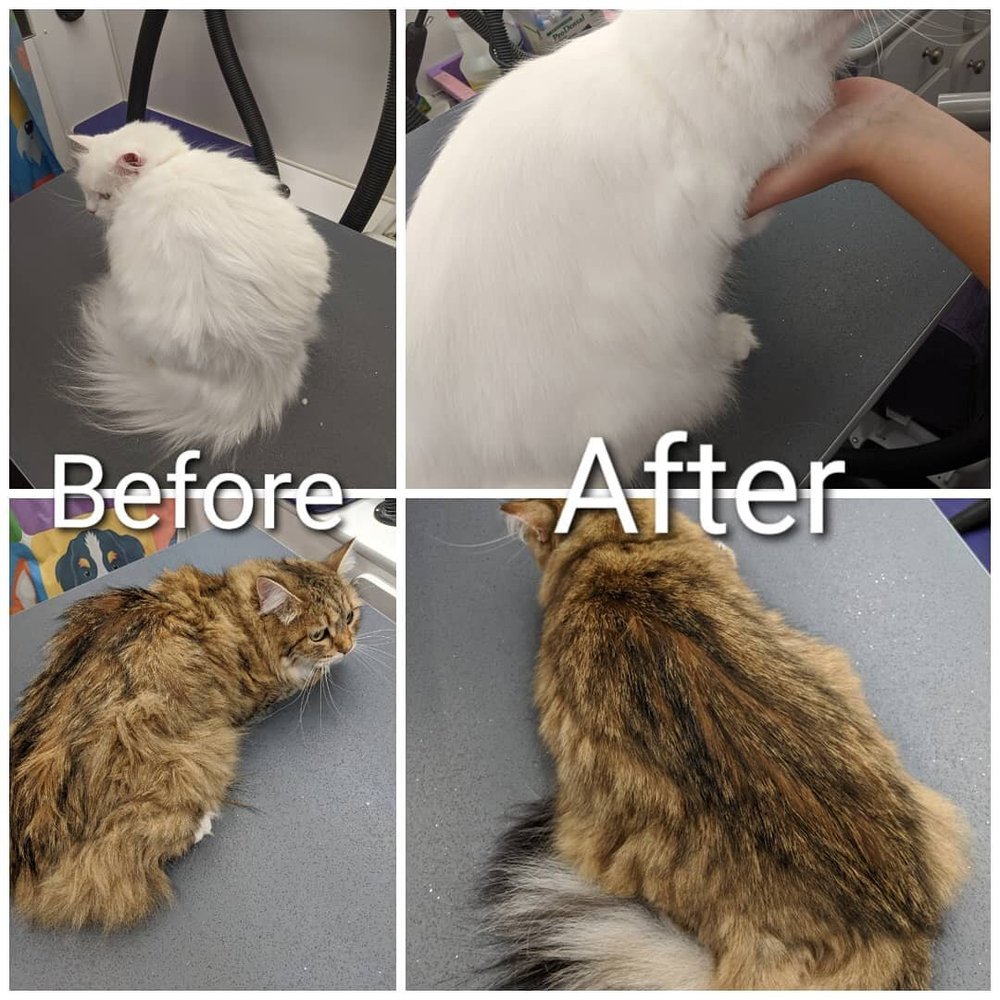
They also remove loose fur and prevent matting, which can cause discomfort or infections. This is especially important for long-haired cats who struggle to keep themselves clean.
Have you ever noticed your cat scratching more than usual? Professional grooming can reduce allergens and improve skin condition, making your pet more comfortable.
Improved Appearance
A groomer enhances your cat’s natural beauty by trimming nails, cleaning ears, and ensuring the coat shines. This attention to detail is hard to match at home.
Professional tools and techniques give your cat a polished look that lasts longer. Your pet will not only look better but also feel fresher after each session.
Do you want your cat to impress guests or simply feel good in their skin? Regular professional grooming can make that difference.
Behavioral Improvements
Many cats find grooming stressful if done incorrectly. Professionals know how to handle cats gently, reducing anxiety and fear.
Regular grooming sessions can help your cat get used to being handled, making vet visits and other care routines easier. This builds trust between you and your pet.
Have you noticed your cat becoming more relaxed after grooming? This calming effect can improve their behavior and overall well-being.
Credit: www.squeakycleangrooming.com
Factors Influencing Grooming Frequency
Deciding how often to have your cat professionally groomed depends on several important factors. These factors shape your cat’s grooming needs and help you create a schedule that keeps your feline friend comfortable and healthy. Understanding these influences helps you avoid over-grooming or missing essential care.
Cat Breed And Coat Type
Your cat’s breed and coat type play a major role in determining grooming frequency. Long-haired breeds like Persians need more frequent grooming to prevent mats and tangles, often every 4 to 6 weeks. Short-haired cats, such as Siamese or American Shorthairs, usually require less frequent professional grooming, sometimes only a few times a year.
Think about your cat’s specific coat texture. Thick or curly coats trap dirt and debris more easily, demanding more attention. You might notice your long-haired cat getting uncomfortable or developing knots if you wait too long between grooming sessions.
Age And Health Conditions
Older cats or those with health issues often need more frequent grooming assistance. Aging cats may struggle to groom themselves properly due to arthritis or dental problems. Professional groomers can help by gently cleaning and checking for skin issues you might miss at home.
If your cat has a condition like obesity or skin allergies, grooming frequency might increase to manage these challenges. Have you noticed your cat grooming less or more than usual? That could signal a need to adjust their grooming schedule.
Lifestyle And Environment
Your cat’s lifestyle greatly affects how often they need professional grooming. Outdoor cats typically encounter more dirt, fleas, and debris, so they benefit from more frequent grooming. Indoor cats, however, usually stay cleaner and may not need grooming as often.
Consider your home environment too. If you have other pets or allergies in the household, regular grooming can reduce shedding and allergens. How active your cat is and the climate you live in also influence how quickly their coat becomes dirty or matted.
Signs Your Cat Needs Grooming
Knowing when your cat needs professional grooming helps keep them healthy and happy. Cats often hide discomfort, so watch for subtle signs. Regular grooming prevents many common issues. Spotting these signs early saves your cat from pain and skin problems.
Matting And Tangles
Mats form when fur gets tightly knotted. They pull on the skin and cause pain. Tangles look like small clumps of hair. Both make your cat uncomfortable and can trap dirt. Groomers carefully remove mats without hurting your cat. Check your cat’s fur often for mats, especially behind ears and under legs.
Excessive Shedding
Shedding is normal but too much can mean a problem. Large fur clumps on furniture or your cat suggest shedding issues. Excessive shedding can cause bald spots or itchy skin. Groomers help by removing loose fur and reducing shedding. Frequent grooming keeps fur healthy and reduces hairballs.
Skin Irritations
Look for redness, bumps, or flaky patches on your cat’s skin. These signs show irritation or allergies. Cats may scratch or lick these spots often. Groomers can spot skin problems early and clean the skin gently. Professional care helps keep your cat’s skin clean and healthy.
Recommended Grooming Schedules
Setting a regular grooming schedule keeps your cat healthy and comfortable. Professional grooming helps manage shedding, mats, and skin issues. The frequency depends on your cat’s coat type and age.
Short-haired Cats
Short-haired cats need grooming less often than long-haired cats. A professional groom every 8 to 12 weeks usually works well. This helps remove loose fur and keeps the coat shiny. Regular brushing at home can reduce the need for frequent grooming visits.
Long-haired Cats
Long-haired cats require more frequent grooming to prevent tangles and mats. Schedule professional grooming every 4 to 6 weeks. These sessions include trimming, brushing, and checking the skin for issues. Daily brushing at home supports a healthy coat and reduces hairballs.
Senior Cats
Older cats may need more gentle and frequent grooming. Their skin can be fragile, and they may groom less effectively. Plan professional grooming every 6 to 8 weeks. Watch for signs of discomfort or health changes during grooming sessions.
Choosing The Right Groomer
Choosing the right groomer for your cat is crucial. A professional groomer ensures your pet’s health and happiness. Not all groomers offer the same level of service. It’s vital to select one that meets your needs and standards.
Qualifications And Experience
Check the groomer’s qualifications. Professional training matters. Look for certifications from reputable grooming schools. Experience is equally important. An experienced groomer understands different cat breeds. They know how to handle them gently and effectively.
Facility Cleanliness
Visit the grooming facility. It should be clean and organized. A clean space prevents infections and illnesses. Pay attention to how they clean their tools. Clean tools mean safe grooming for your cat. A tidy environment also reflects the groomer’s professionalism.
Customer Reviews
Read customer reviews online. Reviews reveal a lot about the groomer’s service. Look for comments on punctuality and treatment of pets. Positive reviews often indicate satisfied customers. Trustworthy reviews help in making informed decisions.
Credit: smoochie-pooch.com
Preparing Your Cat For Grooming
Preparing your cat for professional grooming sets the tone for a smooth experience. Cats can be sensitive to new environments and handling, so easing them into the process helps reduce stress for both of you. Thoughtful preparation can make grooming visits something your cat tolerates, or even enjoys.
Acclimating Your Cat
Start by gently introducing your cat to grooming tools at home. Let them sniff and play with brushes or combs to build positive associations.
Short, calm sessions of brushing before the appointment can help your cat get used to being handled. Have you noticed your cat’s reaction to being touched in different spots? Focus on those areas first to build trust.
Try simulating the grooming environment by softly talking to your cat and handling their paws, ears, and tail regularly. This reduces surprises during the professional session.
Scheduling Tips
Pick a grooming appointment time that fits your cat’s natural energy levels. If your cat is more relaxed in the morning, book early slots to avoid unnecessary stress.
Consider the time between grooming sessions based on your cat’s coat type and lifestyle. Long-haired cats often need more frequent visits, but are you noticing mats or shedding that suggest sooner visits?
Plan around your cat’s feeding and playtime to keep their routine steady. A calm, familiar routine before grooming can ease anxiety.
What To Bring
- Favorite toy or blanket:Familiar items comfort your cat in new surroundings.
- Medical records:Any health issues or allergies should be shared with the groomer.
- Towel or carrier:Use a secure carrier and a soft towel for calm transport.
- Treats:Reward your cat before and after grooming to reinforce good behavior.
Have you considered how much your cat’s mood changes from car rides? Bringing a calming scent or favorite item can make a big difference.
Aftercare Post Grooming
After your cat’s grooming session, the care you provide can make a big difference in how comfortable and healthy your feline friend feels. Grooming is more than just a one-time event—it’s a chance to observe, protect, and maintain your cat’s well-being. Here’s what you should focus on right after the professional grooming is done.
Monitoring Behavior
Keep an eye on your cat’s mood and actions after grooming. Some cats might feel a bit stressed or shy, while others may become more playful or affectionate. If you notice signs of discomfort, such as excessive scratching or hiding, it could indicate skin irritation or sensitivity from the grooming process.
Have you ever seen your cat avoid certain spots or lick excessively after a groom? That behavior can help you catch any issues early. Quick attention can prevent small problems from turning into bigger ones.
Maintaining Coat Health
Grooming professionals do a great job, but daily care at home keeps your cat’s coat in top shape. Brush your cat regularly to prevent mats and tangles, especially if they have long hair. Use a brush suited to your cat’s fur type, and be gentle around sensitive areas.
Also, check the skin for any redness or bumps. These could be signs of allergies or reactions to shampoo or grooming products. Keeping your cat’s coat clean and healthy will reduce shedding and improve their comfort.
Scheduling Follow-ups
How often should you bring your cat back for professional grooming? That depends on their coat type, lifestyle, and health. Long-haired cats might need grooming every 4 to 6 weeks, while short-haired cats can go longer between sessions.
Mark your calendar right after a grooming visit to stay on track. Consistent follow-ups help maintain your cat’s cleanliness and prevent coat problems. Plus, regular visits give groomers a chance to spot health issues you might miss at home.
Frequently Asked Questions
How Often Should Cats Be Professionally Groomed?
Cats should be groomed professionally every 4 to 8 weeks. This frequency depends on their breed, coat length, and lifestyle. Regular grooming prevents matting, reduces shedding, and promotes healthy skin.
What Factors Affect Cat Grooming Frequency?
Breed, coat type, age, and health influence grooming needs. Long-haired cats require more frequent grooming than short-haired ones. Older or less active cats might need extra care to maintain cleanliness.
Can Professional Grooming Improve My Cat’s Health?
Yes, professional grooming helps detect skin issues, parasites, and ear infections early. Groomers also trim nails safely and clean ears, contributing to overall cat health and comfort.
Is Professional Grooming Necessary For Indoor Cats?
Indoor cats benefit from professional grooming to manage shedding and prevent hairballs. It also helps maintain hygiene and reduces allergens in the home environment.
Conclusion
Regular grooming keeps your cat healthy and happy. Schedule sessions based on your cat’s coat type and needs. Short-haired cats need fewer visits than long-haired ones. Watch your cat’s skin and fur for signs of problems. Clean fur means less hairballs and fewer mats.
Professional groomers help with tough spots and nail care. Trust their advice to keep your pet comfortable. A well-groomed cat feels good and looks great too. Keep a routine. Your cat will thank you with purrs and love.



Leave a Reply