Have you noticed your cat scratching and grooming more than usual? It can be worrying to see your furry friend constantly at it, and you might wonder if something is wrong.
Understanding why your cat behaves this way is important for their comfort and health. You’ll discover the common reasons behind this behavior and what you can do to help your cat feel better. Keep reading to learn how to spot the signs and take action before the problem gets worse.
Common Reasons For Scratching
Cats scratch and groom often to keep their skin and fur healthy. Sometimes, this behavior is normal. Other times, it signals a problem. Understanding common reasons for scratching helps identify if your cat needs help.
Scratching can cause discomfort or skin damage if it happens too much. Watch your cat’s behavior closely. Here are some usual causes of constant scratching.
Fleas And Parasites
Fleas are tiny insects that bite your cat’s skin. They cause itching and irritation. Parasites like mites also make cats scratch a lot. These pests live on or inside the skin. They can cause hair loss and redness. Treating fleas and parasites quickly is important to stop discomfort.
Allergic Reactions
Cats can be allergic to food, pollen, or dust. Allergies cause itching and skin inflammation. Sometimes, the cat’s immune system overreacts. This makes the skin red and sore. Allergic reactions may lead to constant scratching and grooming.
Skin Infections
Infections caused by bacteria or fungi affect the skin. They often appear as sores, scabs, or patches of hair loss. Infected skin feels painful or itchy. Cats may scratch or lick these areas more to relieve discomfort. Skin infections need proper treatment to heal.
Environmental Irritants
Cleaning products, perfumes, or certain plants can irritate your cat’s skin. Dust and pollen in the environment may also cause itching. These irritants make cats scratch and groom to soothe their skin. Avoiding harsh chemicals helps reduce irritation.
Grooming Habits And Their Meanings
Cats spend a good part of their day grooming. This behavior is natural and important. Grooming helps cats clean their fur and stay comfortable. It also shows their mood and health status. Understanding grooming habits can tell you if your cat is happy or stressed.
Changes in grooming patterns often mean something is wrong. Cats may groom more or less than usual. Some scratch themselves to relieve irritation. Recognizing these signs helps catch problems early.
Normal Grooming Behavior
Healthy cats groom several times a day. They lick their fur to remove dirt and loose hair. Grooming also spreads natural oils for a shiny coat. Most cats spend 30-50% of their awake time grooming. This keeps their skin clean and prevents matting.
Normal grooming is calm and gentle. Cats stop when clean. They also groom other cats or humans to show affection.
Excessive Grooming Signs
Too much grooming is a red flag. It can cause bald spots or sores. Cats may lick or scratch the same area repeatedly. This often indicates irritation or discomfort. Look for redness, swelling, or scabs. Excessive grooming can lead to infections.
Watch for changes in behavior. Restlessness or hiding may accompany over-grooming.
Stress-induced Grooming
Stress makes cats groom more than usual. It acts like a self-soothing habit. Common triggers include new pets, loud noises, or changes at home. Stress grooming focuses on one spot or is very intense. Cats may also scratch furniture or skin.
Reducing stress can help calm grooming habits. Provide quiet spaces and regular routines.
Grooming And Health Issues
Health problems often show in grooming changes. Skin allergies cause itching and scratching. Parasites like fleas lead to constant grooming. Pain or arthritis may make grooming hard. Cats might avoid cleaning certain areas.
Regular vet visits catch these issues early. Treatment improves comfort and grooming behavior.
Identifying Skin Problems
Noticing your cat constantly scratching and grooming can be worrying. These behaviors often point to underlying skin problems that need your attention. Recognizing the signs early can help you provide the right care and comfort for your furry friend.
Redness And Inflammation
Check your cat’s skin for areas that look red or swollen. Redness is a clear sign of irritation or infection.
Inflammation can make your cat uncomfortable, leading to more scratching. If you spot these signs, your cat might be dealing with allergies, parasites, or skin infections.
Hair Loss Patterns
Observe if your cat has patches where the fur is thinning or missing. Hair loss often appears in specific areas like the belly, neck, or around the ears.
These patterns can tell you if the problem is localized or widespread. It might be caused by fleas, fungal infections, or even stress-related over-grooming.
Dry Or Flaky Skin
Look closely at your cat’s coat for dry patches or flakes that resemble dandruff. Dry skin can itch and cause your cat to scratch more than usual.
This condition might result from poor nutrition, environmental factors, or underlying health issues. Moisturizing shampoos and dietary adjustments could help, but a vet’s advice is crucial.
Pain And Sensitivity
Notice if your cat reacts strongly when you touch certain spots. Pain or sensitivity can indicate deeper skin problems or injuries.
Your cat might avoid being petted or even hiss when you touch irritated areas. This behavior signals that the skin issue is more than just surface-level discomfort and needs prompt attention.
Behavioral Causes Behind Scratching
Cats scratch and groom for many behavioral reasons. These actions are part of how they express themselves and feel safe. Understanding these behaviors can help you care for your cat better. It also helps you know when scratching is normal or a sign of stress.
Boredom And Anxiety
Cats need mental and physical activities daily. Without enough stimulation, they may scratch more. Scratching helps relieve stress and keeps their claws sharp. Anxiety can make cats groom excessively to calm down. This behavior acts like a comfort tool for them.
Territorial Marking
Scratching leaves visible marks and scent from glands in their paws. It tells other cats that the area belongs to them. This behavior is natural and helps cats feel secure. Marking territory can increase if new pets or changes occur at home.
Attention-seeking Actions
Cats learn that scratching can get your attention. They may scratch furniture or themselves to make you notice. This action is a way to communicate needs like hunger or playtime. Responding calmly can reduce unwanted scratching for attention.
When To See A Vet
Persistent scratching and grooming may signal skin problems or parasites. Visiting a vet helps find the cause and provides relief. Early care prevents serious health issues for your cat.
When your cat scratches or grooms excessively, it can be worrying. Understanding when to visit the vet is crucial. Some signs need quick attention to prevent bigger problems.Persistent Scratching
If your cat scratches non-stop, this is a concern. Persistent scratching may point to allergies or parasites. Watch closely for itching that doesn’t improve. A vet can identify the cause and suggest treatments. Don’t wait too long to seek help.Visible Skin Damage
Check your cat’s skin for sores or redness. Visible damage might mean infections or other issues. Open wounds need medical attention to prevent infection. A vet can provide the right care and advice for healing. Never ignore signs of skin trouble.Changes In Grooming Frequency
Notice if your cat grooms more or less than usual. Changes in grooming can signal stress or health problems. Increased grooming might indicate fleas or skin irritations. A decrease might suggest pain or discomfort. A vet visit can help uncover the issue and offer solutions.Preventive Measures And Care
Keeping your cat from constantly scratching and grooming takes more than just reacting to the symptoms. It involves ongoing care and smart prevention. You can help your furry friend feel comfortable and reduce their urge to scratch by focusing on a few key areas.
Regular Flea Control
Fleas are one of the biggest reasons cats scratch nonstop. You might not always see them, but their bites cause intense itching. Use vet-approved flea treatments regularly, especially during warmer months.
Check your cat’s fur often and clean their bedding weekly. If you notice flea dirt or excessive scratching, act fast to stop an infestation before it gets worse.
Balanced Diet For Skin Health
What your cat eats directly affects their skin and coat condition. Feeding a balanced diet rich in omega-3 and omega-6 fatty acids helps reduce inflammation and dryness.
Consider foods formulated for skin health or supplements that support a shiny, itch-free coat. Have you ever noticed a difference in your cat’s scratching after changing their diet?
Stress Reduction Techniques
Stress can trigger over-grooming and scratching in cats. Changes in environment, loud noises, or new pets may cause anxiety. Try creating a calm space with familiar scents and quiet areas where your cat can retreat.
Interactive play sessions and routine help reduce stress. Ever seen your cat calm down after a good playtime? That’s no coincidence—it helps them relax and focus on positive activities.
Safe Grooming Practices
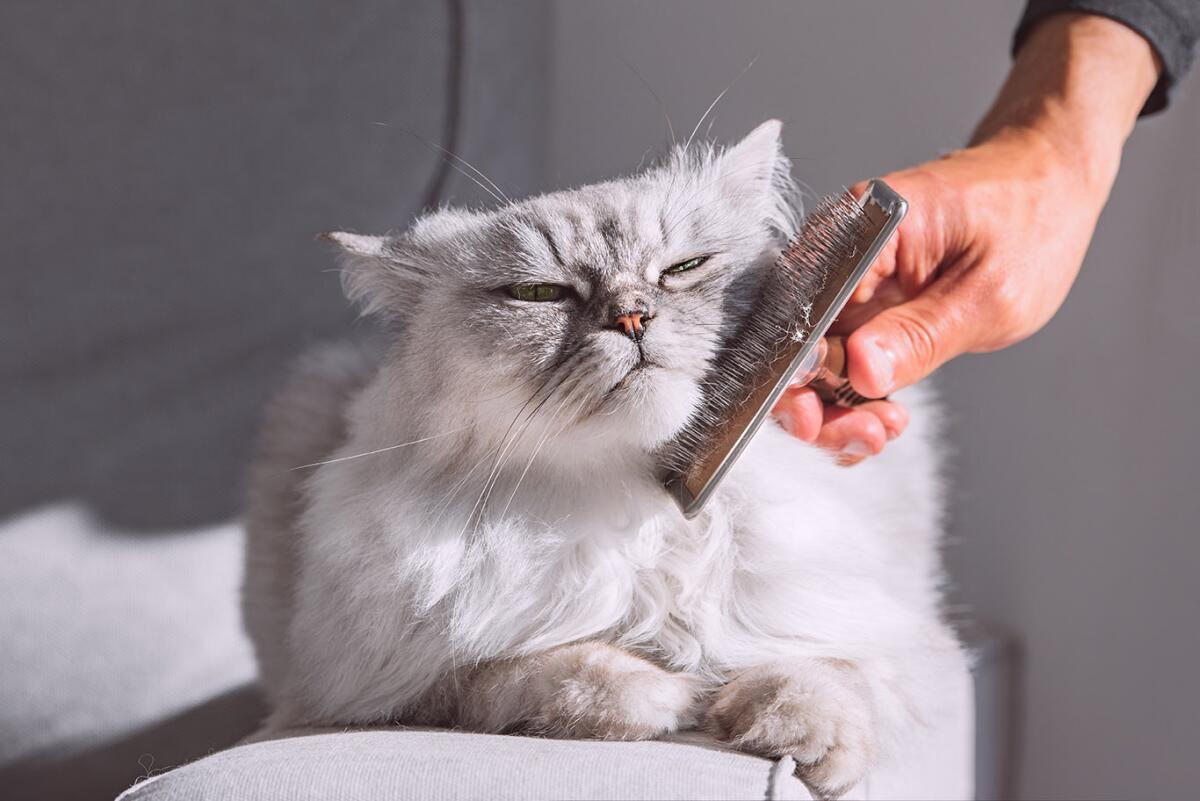
Regular grooming removes dirt and loose fur, preventing skin irritation. Use gentle brushes designed for cats and avoid over-brushing, which can cause discomfort.
Bathing is rarely needed but if you do, use cat-specific shampoo and warm water. Pay attention to your cat’s reaction—forcing grooming can increase stress and scratching later.
Frequently Asked Questions
Why Is My Cat Scratching More Than Usual?
Increased scratching may indicate fleas, allergies, or skin infections. It’s essential to check your cat for pests. Consult a vet if scratching persists to avoid skin damage and discomfort.
Can Excessive Grooming Harm My Cat’s Skin?
Yes, over-grooming can cause bald spots and skin irritation. It may signal stress, allergies, or pain. Monitor your cat’s behavior and seek veterinary advice if grooming seems obsessive.
How Can I Stop My Cat From Scratching Furniture?
Provide scratching posts and toys to divert attention. Regular nail trimming helps reduce damage. Using deterrent sprays on furniture can discourage scratching effectively.
Is Constant Scratching A Sign Of Allergies In Cats?
Yes, allergies often cause itching and scratching. Common allergens include pollen, dust, and certain foods. A vet can help identify allergens and suggest treatment options.
Conclusion
Cats scratch and groom to stay clean and healthy. Sometimes, these habits increase due to stress or skin problems. Watch your cat closely for signs of fleas or allergies. Regular vet visits help catch issues early. Offer a calm space and good food to reduce discomfort.
Understanding why your cat scratches keeps them happy and safe. Stay patient and caring—your cat depends on you.


Leave a Reply