If you have a calico cat, you already know how special and beautiful they are. But keeping their coat shiny and healthy takes the right grooming.
You might wonder how to make grooming easy and stress-free for both you and your cat. This guide will show you simple steps to care for your calico’s unique fur, so they look great and feel comfortable every day. Stick with me, and you’ll learn how to turn grooming into a bonding moment that your cat will actually enjoy.
Calico Cat Coat Basics
Calico cats are known for their beautiful and colorful coats. Understanding their coat basics helps in proper grooming. Their fur needs gentle care to stay healthy and bright. This section explains the key features of a calico cat’s coat.
Unique Coat Patterns
Calico cats have three main colors: white, black, and orange. These colors appear in large patches or spots. No two calico cats have the same pattern. Their coat looks like a natural work of art. The mix of colors makes grooming interesting and important. Dirt and loose fur can hide easily in the patches.
Fur Texture And Length
Calico cats can have short or long fur. Short fur is smooth and lies close to the skin. Long fur feels soft and fluffy. It may tangle or mat if not brushed often. Both fur types need regular grooming. Brushing helps remove loose hairs and keeps the coat shiny. Choose brushes that suit the fur length for best results.
Tools For Grooming
Grooming a calico cat requires the right tools to keep their coat healthy and shiny. Using proper grooming tools makes the process easier and more comfortable for your cat. These tools help remove loose fur, prevent mats, and keep their nails in good shape. Having them ready before you start grooming saves time and stress.
Brushes And Combs
Brushes and combs are essential for maintaining a calico cat’s beautiful fur. Choose a soft-bristle brush to gently remove dirt and loose hair. A slicker brush works well for detangling and removing mats. Use a fine-toothed comb to catch small knots and smooth the fur.
- Soft-bristle brush: for daily brushing and gentle cleaning
- Slicker brush: removes mats and loose hair effectively
- Fine-toothed comb: perfect for detailed grooming
Nail Clippers And Other Essentials
Trimming nails is part of grooming a calico cat. Use sharp, small nail clippers designed for cats. A nail file can smooth sharp edges after clipping. Other useful items include grooming wipes to clean paws and ears, and a soft towel for drying after baths.
- Cat nail clippers: safe and easy nail trimming
- Nail file: smooths rough nail edges
- Grooming wipes: clean paws and ears gently
- Soft towel: dries your cat after baths
Brushing Techniques
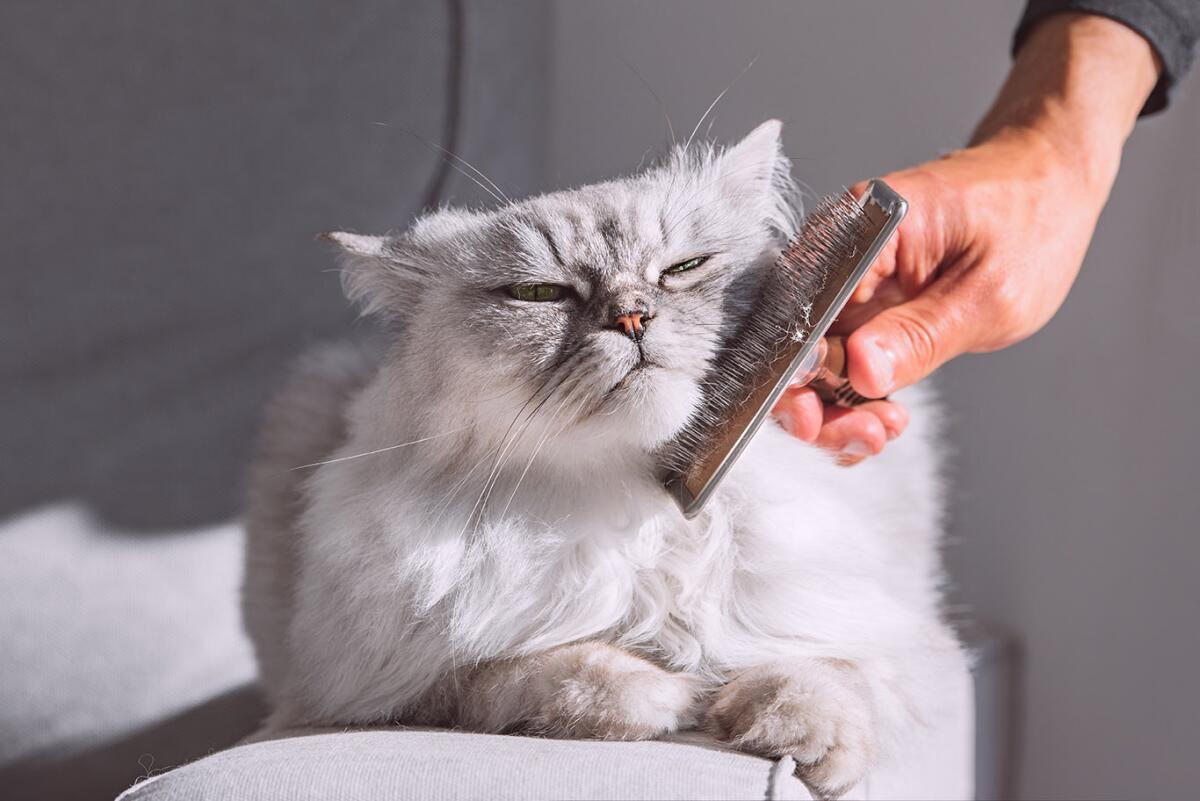
Brushing your calico cat is more than just a grooming task—it’s a chance to bond and keep their beautiful coat healthy. Knowing the right techniques helps you avoid discomfort for your cat while tackling the unique challenges of their fur. Let’s look at how often to brush and how to deal with those inevitable mats and tangles.
Frequency And Timing
How often you brush depends on your calico’s coat length. Short-haired calicos usually benefit from brushing twice a week. Long-haired ones may need daily brushing to prevent tangles.
Choose a quiet time when your cat feels relaxed. Many cats enjoy brushing after a nap or before bedtime. This makes the experience pleasant and helps your cat stay calm.
Have you noticed your cat’s coat looking dull or shedding more than usual? That’s a good sign to increase brushing frequency.
Handling Mats And Tangles
Mats happen, even with regular brushing. Start by gently loosening the mat with your fingers. Avoid pulling hard—it can hurt your cat and make them fearful.
Use a wide-toothed comb to work through tangles, starting at the edges and moving inward. If a mat is stubborn, try applying a bit of detangling spray made for cats before combing.
For severe mats, consider trimming carefully with rounded scissors, but only if you’re confident. If not, a professional groomer can help. Remember, patience is key—rushing can stress both you and your cat.
Bathing Tips
Bathing a calico cat can keep her coat clean and healthy. It also helps reduce shedding and hairballs. Bathing should be done carefully to avoid stress. Use gentle motions and warm water for comfort. Prepare everything before you start to make the process smooth and quick.
When To Bathe
Only bathe your calico cat when necessary. Cats groom themselves well and usually do not need baths often. Consider bathing if:
- Your cat is very dirty or has something sticky on her fur.
- She has fleas or other skin problems.
- Your vet recommends a bath for medical reasons.
- She has allergies that require special shampoos.
Too many baths can dry out her skin. Bathe no more than once a month unless your vet advises otherwise.
Safe Shampoo Options
Use shampoos made specifically for cats. Human or dog shampoos can harm her skin. Look for labels that say “for cats” or “gentle.”
- Oatmeal shampoos soothe dry or itchy skin.
- Hypoallergenic shampoos reduce allergic reactions.
- Flea shampoos kill fleas but use only if needed.
- Medicated shampoos treat skin infections with vet approval.
Always rinse shampoo completely to avoid irritation. Test a small skin area first to check for reactions.
Nail Care For Calicos
Calico cats are known for their stunning tri-colored coats, but their grooming needs go beyond just keeping their fur in check. Nail care is an essential part of grooming for calico cats, ensuring their comfort and health. Proper nail maintenance can prevent unwanted scratches on furniture, reduce the risk of injury, and help your calico feel at ease.
Trimming Basics
Start by getting your calico accustomed to having their paws handled. Gently massage each paw, rewarding them with treats and praise. Use a sharp cat nail clipper, and trim just the tip of the nail, avoiding the quick, which is the pink area inside the nail.
Trim nails every two to four weeks. A consistent schedule helps maintain the ideal nail length and keeps your calico accustomed to the process. Regular grooming sessions can be a bonding experience, strengthening your relationship with your pet.
Avoiding Common Mistakes
One common mistake is cutting too close to the quick, which can cause pain and bleeding. If you’re unsure, trim a small amount and repeat more frequently. Always have styptic powder on hand to stop any accidental bleeding quickly.
Don’t rush the process. If your calico is restless, try breaking the session into multiple shorter ones. This patience pays off in a more relaxed and cooperative cat.
Have you noticed your calico scratching more than usual? It might be a sign their nails are too long. Keeping an eye on their behavior can offer clues into their grooming needs.
Ear And Eye Cleaning
Cleaning your calico cat’s ears and eyes is important for its health. Dirt and wax can build up quickly. This buildup may cause discomfort or infection. Regular checks help catch problems early. Use gentle cleaning methods to avoid hurting your cat. Always observe your pet’s reactions during cleaning. Calm and slow movements keep your cat relaxed.
Signs Of Infection
- Redness or swelling around ears or eyes
- Discharge that is yellow, green, or thick
- Bad smell coming from ears
- Excessive scratching or rubbing
- Squinting or excessive blinking
- Crust or scabs near eyes or ears
Notice any of these signs? Consult a vet quickly. Early treatment prevents serious problems.
Cleaning Methods
- Use a soft, damp cloth or cotton ball
- Wipe gently around the eyes and ears
- Use a vet-approved ear cleaner for ears
- Never insert anything deep into the ear canal
- Clean one side at a time
- Dry the area thoroughly after cleaning
Keep cleaning tools clean and fresh. Avoid using harsh chemicals or soaps. Regular cleaning keeps your calico cat happy and healthy.
Diet And Coat Health
Your calico cat’s diet plays a huge role in the health and shine of her coat. A balanced diet provides essential nutrients that support skin hydration and fur strength. Without the right nutrients, even the best grooming routine won’t keep your cat’s fur looking its best.
Nutritional Needs
Protein is the foundation of a healthy coat. Cats need high-quality animal protein to produce keratin, the main protein in their fur.
Omega-3 and Omega-6 fatty acids keep the coat soft and reduce shedding. These come from fish oils or flaxseed oils commonly found in premium cat foods.
Vitamins like A, E, and biotin are vital for skin repair and preventing dryness. You can find these in well-formulated commercial cat foods or through natural sources like liver and eggs.
Have you checked your cat’s food label lately? Look for ingredients like chicken, salmon, or turkey near the top of the list, and avoid fillers like corn or soy that offer little nutritional value.
Supplements For Shine
If your calico’s coat looks dull or patchy, supplements can give an extra boost. Fish oil capsules are an easy way to add Omega-3s directly to your cat’s diet.
Adding a teaspoon of canned pumpkin once a week can improve digestion, which in turn helps nutrient absorption and coat quality.
Some cat owners swear by powdered kelp supplements for added minerals that support skin health. Just make sure to consult your vet before starting any new supplement.
Would you consider a natural supplement to enhance your cat’s coat, or do you prefer sticking strictly to formulated foods? Your choice can make a noticeable difference in her grooming results.
Common Grooming Challenges
Calico cats often resist grooming due to their independent nature. Tangled fur and shedding can also make grooming tricky. Patience and gentle handling help ease these common challenges.
Grooming a calico cat might seem like a simple task, but there are a few common challenges that can surprise even the most experienced cat owners. Their unique tri-color coats are not only beautiful but also require particular attention to maintain their vibrant appearance. Understanding these challenges will make the grooming process smoother for both you and your feline friend.Dealing With Shedding
Calico cats, like many other cats, can shed quite a bit. Regular brushing is essential to keep shedding under control. Use a soft-bristle brush to gently remove loose hair from their coat. Daily brushing sessions can help minimize the amount of hair your cat leaves around the house. It can also prevent hairballs, which are unpleasant for both you and your cat. Consider using a vacuum specifically designed to pick up pet hair to keep your home tidy.Managing Sensitive Skin
Calico cats can sometimes have sensitive skin, making grooming a delicate task. It’s crucial to pay attention to how your cat reacts during brushing. If your cat shows signs of discomfort, it might be time to switch up your grooming tools or technique. Opt for hypoallergenic grooming products to avoid irritating your cat’s skin. Test any new product on a small patch of skin first. This ensures that your cat doesn’t have an adverse reaction. Have you ever noticed how some cats seem to enjoy grooming more than others? Your approach could be the key. Create a calm environment and use gentle strokes to make grooming a relaxing experience for your calico cat.When To Seek Professional Help
Grooming a calico cat usually is simple at home. Yet, some situations need expert care. Knowing when to seek professional help keeps your cat healthy and happy. It protects your cat from stress and injury during grooming.
Recognizing Grooming Issues
Watch for signs your cat struggles with grooming. Matted fur that you cannot remove is a clear sign. Skin irritation or wounds under the fur need expert attention. Excessive shedding or bald spots can mean health problems. If your cat resists grooming and shows stress, consider help. Unusual odors or dirt that don’t wash away also signal issues.
Choosing A Groomer
Pick a groomer who knows cats well. Ask about their experience with calico cats or similar breeds. Check reviews from other cat owners for trustworthiness. Ensure they use gentle tools and methods to avoid hurting your cat. A calm and clean place reduces your cat’s anxiety. Talk about your cat’s needs before booking an appointment.
Frequently Asked Questions
How Often Should I Groom A Calico Cat?
Calico cats should be groomed at least once a week. Regular brushing removes loose hair and prevents matting. During shedding seasons, increase grooming frequency to two or three times weekly. Consistent grooming also helps reduce hairballs and keeps their coat healthy and shiny.
What Tools Are Best For Grooming A Calico Cat?
Use a soft-bristle brush or a grooming glove for Calico cats. These tools gently remove loose fur without irritating their skin. For long-haired Calicos, a wide-tooth comb helps detangle fur. Avoid harsh brushes to prevent discomfort and skin damage.
Can Grooming Improve My Calico Cat’s Health?
Yes, grooming improves skin health by removing dirt and dead hair. It also reduces the risk of mats and hairballs. Grooming sessions help you spot skin issues early. Regular grooming strengthens your bond with your Calico cat.
How Do I Handle A Calico Cat During Grooming?
Stay calm and gentle during grooming sessions. Use slow, soothing strokes and speak softly to your cat. Take breaks if your cat shows signs of stress. Reward them with treats to create a positive grooming experience.
Conclusion
Grooming a calico cat helps keep her coat healthy and shiny. Regular brushing removes loose fur and prevents mats. It also builds trust between you and your cat. Pay attention to nails, ears, and teeth for full care. Stay calm and patient during grooming sessions.
Small steps make grooming easier for both of you. Enjoy the time spent caring for your beautiful calico cat. Simple habits keep her happy and comfortable every day.


Leave a Reply