Have you ever tried grooming your cat and felt unsure if you were doing it right? You might think brushing or trimming your cat’s fur is a simple task, but it can actually be more dangerous than you realize.
Your cat’s safety—and your own—can be at risk if grooming isn’t done carefully. Want to know why cat grooming can be risky and how to protect both you and your furry friend? Keep reading, because understanding these dangers could save you from unexpected harm.
Common Cat Grooming Practices
Common cat grooming practices are essential for a cat’s health and comfort. These activities help keep a cat clean and prevent health problems. Many cat owners try to groom their pets at home. It is important to know the risks involved. Some grooming tasks can cause stress or injury if done incorrectly.
Brushing And Combing
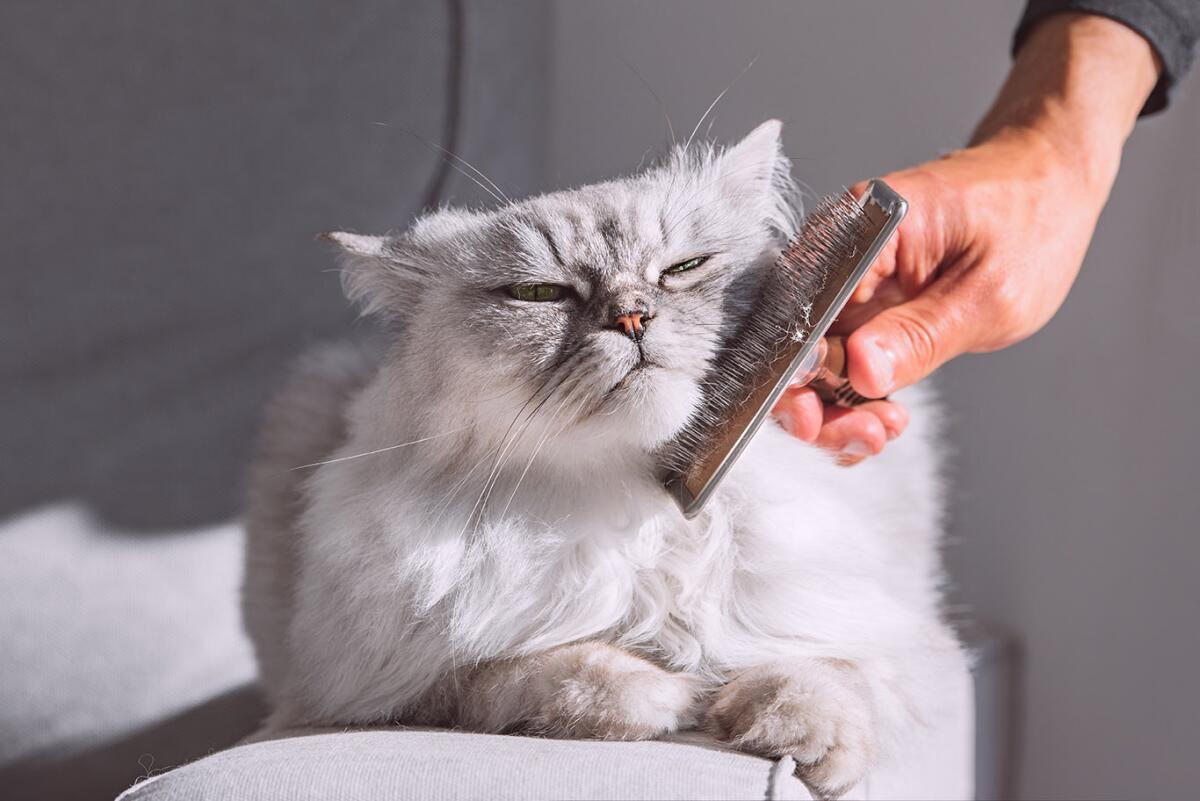
Brushing removes loose fur and prevents mats. It also reduces shedding around the house. Cats with long hair need frequent brushing. Using the wrong brush or brushing too hard can hurt your cat’s skin. Some cats may scratch or bite during brushing.
Bathing Cats
Bathing is less common for cats since they groom themselves. Some cats need baths for dirt or skin problems. Bathing can be very stressful for cats. Water and shampoo must be safe and gentle. Improper bathing may cause fear or skin irritation.
Nail Trimming
Trimming nails keeps them from growing too long or sharp. Long nails can damage furniture and skin. Cutting nails incorrectly can cause pain or bleeding. Many cats dislike nail trimming and try to escape. Using the right tools and technique is important.
Ear And Eye Cleaning
Cleaning ears and eyes helps prevent infections. Dirt and wax build-up can cause discomfort. Using the wrong products or pushing too hard can hurt your cat. Some cats resist cleaning and may scratch or bite.
Hidden Dangers In Grooming Tools
Grooming your cat might seem like a simple task, but the tools you use can hide unexpected risks. Many cat owners don’t realize that some grooming equipment can cause harm, even when handled carefully. Understanding these hidden dangers helps you protect your furry friend and keep grooming sessions safe and pleasant.
Sharp Blades And Clippers
Sharp blades are designed to cut through fur quickly, but they can easily nick your cat’s delicate skin. Cats rarely stay still during grooming, increasing the risk of accidental cuts or scrapes.
Have you ever noticed your cat flinching or pulling away suddenly? That might be your cue to check the blade condition. Dull blades cause more pulling and discomfort, while overly sharp ones can cause injury if used without caution.
Chemical-based Shampoos
Many shampoos contain harsh chemicals that irritate a cat’s sensitive skin. Even products labeled “pet-safe” might cause allergic reactions or dryness.
Think about the last time you used a shampoo with strong scents or detergents. Would you want that on your skin? Your cat’s skin is even more vulnerable. Always test a small patch first or choose natural, gentle alternatives.
Unsuitable Brushes
Using the wrong brush can hurt your cat instead of helping. Brushes with stiff bristles may scratch the skin or pull on tangles painfully.
Consider your cat’s coat type before picking a brush. A fine-toothed comb for short hair or a soft bristle brush for sensitive skin can make a big difference. What kind of brush does your cat tolerate best?
Health Risks From Improper Grooming
Improper grooming can pose serious health risks to your cat, affecting their skin, mental well-being, and overall health. You might think grooming is harmless, but using the wrong tools or techniques can lead to painful issues. Understanding these risks helps you protect your furry friend and keep them comfortable.
Skin Irritations And Injuries
Using dull or inappropriate grooming tools can easily cause skin scratches or irritations. Even a small nick can lead to bleeding and open wounds that may take time to heal. I once saw a cat develop painful sores after a rushed grooming session with a rough brush—something you want to avoid at all costs.
Be gentle and choose the right combs and brushes for your cat’s fur type. Always check your pet’s skin for redness, swelling, or raw spots after grooming to catch problems early.
Stress And Anxiety In Cats
Improper grooming can turn a calming routine into a nightmare for your cat. If you rush, hold your cat too tightly, or ignore their discomfort signals, they may become fearful or aggressive during future grooming. How often have you tried to groom your cat only to be met with resistance or hiding?
Take breaks, speak softly, and pay attention to their body language. Creating a calm environment makes grooming less stressful and more effective for both of you.
Infections And Allergies
Using dirty grooming tools or failing to clean wounds can introduce harmful bacteria, leading to infections. Allergic reactions might also occur if you use shampoos or products not meant for cats. I learned this the hard way when a well-meaning friend used a dog shampoo on a cat, causing an itchy rash that required a vet visit.
Always sanitize grooming tools before use and choose cat-specific products. If your cat shows signs of itching, swelling, or unusual behavior after grooming, consult your vet promptly.
Behavioral Risks During Grooming
Grooming your cat might seem like a simple task, but it can trigger unexpected behaviors that put both you and your pet at risk. Cats often react instinctively to discomfort or fear during grooming, which can lead to serious challenges. Understanding these behavioral risks helps you prepare and protect yourself while keeping your cat calm and safe.
Biting And Scratching
Many cats bite or scratch when they feel threatened or trapped during grooming. These reactions aren’t about being mean—they’re self-defense. If your cat suddenly lashes out, it’s often because they’re overwhelmed or in pain.
To reduce the risk, watch for warning signs like twitching tails, flattened ears, or dilated pupils. Stopping grooming immediately when these appear can prevent injury. Have bandages or gloves handy just in case, especially if your cat has a history of aggressive reactions.
Fear And Aggression
Fear is a powerful trigger for aggression in cats during grooming. A cat that once enjoyed brushing might become aggressive if a past grooming session was uncomfortable or painful. Have you noticed your cat’s mood change before grooming? That’s a key sign to pause and reassess your approach.
Creating a calm environment can ease fear. Use soft voices, gentle motions, and consider short, frequent sessions instead of long ones. This builds trust and reduces the chance your cat will lash out next time.
Handling Difficult Cats Safely
Handling a cat that resists grooming requires care and patience. Wrapping your cat in a towel can provide a sense of security and protect your hands from scratches. However, be careful not to restrict breathing or cause additional stress.
Enlist help if possible—an extra pair of hands can hold your cat gently but firmly. If grooming triggers intense aggression, consulting a professional groomer or vet might be safer for everyone involved.
Have you ever experienced a sudden change in your cat’s behavior during grooming? Understanding these risks empowers you to make grooming a safer experience for both you and your feline friend.
When To Seek Professional Grooming Help
Cat grooming can be a daunting task for many pet owners. While some cats tolerate it, others may become stressed, aggressive, or even injured. Recognizing when to seek professional grooming help can make all the difference in ensuring your feline friend’s health and well-being.
Signs Your Cat Needs Expert Care
- Aggressive Behavior: If your cat hisses, swats, or bites during grooming, it might be time for a professional’s touch.
- Matted Fur: Severe tangles and mats can cause skin irritation or infection. Professionals have the tools and skills to safely remove them.
- Overgrown Claws: If your cat’s claws are curling into their paw pads, it’s crucial to have them trimmed by someone experienced.
Benefits Of Professional Groomers
Professional groomers are trained to handle cats with care and patience. They have the right equipment to ensure a safe grooming session.
Moreover, groomers can spot potential health issues, like skin conditions or parasites, that you might miss. Regular visits can prevent these problems from escalating.
Additionally, they can offer advice tailored to your cat’s specific needs, from diet tips to grooming schedules.
Choosing The Right Groomer
Not all groomers are created equal, so it’s important to do your homework. Ask for recommendations from friends or your veterinarian.
Visit the grooming facility to ensure it’s clean and well-organized. Observe how they handle other cats to gauge their level of expertise and care.
Consider scheduling a trial session to see how your cat responds. A good groomer will prioritize your cat’s comfort and safety above all else.
Next time you find yourself struggling with grooming, ask yourself: Is it time to call in the experts? Your cat might just thank you for it!
Safety Tips For Safe Cat Grooming
Cat grooming can be risky without proper care and attention. Following safety tips helps protect your cat and makes grooming easier. Safe grooming keeps your cat calm and avoids injuries. Knowing how to prepare, use tools, and spot warning signs is key.
Preparing Your Cat
Choose a quiet, comfortable space for grooming. Let your cat relax before starting. Use gentle petting to build trust. Keep sessions short at first to avoid stress. Have treats ready to reward good behavior. Trim nails beforehand to reduce scratching risks.
Using The Right Tools
Select tools made for cats, like soft brushes and small clippers. Avoid using human grooming tools. Clean tools before and after each use. Use sharp blades to avoid pulling fur. Handle tools gently to prevent cuts. Replace dull blades quickly for safety.
Recognizing Warning Signs
Watch your cat’s body language closely. Signs like hissing, growling, or biting mean stop grooming. Look for rapid breathing or wide eyes as stress signals. If your cat pulls away, pause and try later. Sudden movements increase injury risk. Always stay calm and patient.
Frequently Asked Questions
Why Is Cat Grooming Sometimes Dangerous?
Cat grooming can be dangerous due to sharp claws and teeth. Cats may scratch or bite if scared. Improper handling can cause injury to both cat and owner. Using wrong tools or techniques also risks skin damage or stress to the cat.
Can Grooming Stress Harm My Cat’s Health?
Yes, grooming stress can cause health issues. Stress weakens a cat’s immune system and can trigger anxiety. Cats may develop behavioral problems or avoid grooming altogether. Gentle handling and proper techniques reduce stress and improve grooming safety.
What Injuries Can Happen During Cat Grooming?
Common injuries include scratches, bites, and skin cuts. Rough brushing can cause hair loss or skin irritation. Using dull or inappropriate tools increases injury risk. Proper grooming tools and gentle methods minimize these dangers.
How Can I Safely Groom A Nervous Cat?
To safely groom a nervous cat, stay calm and patient. Use soft brushes and short sessions. Offer treats and praise to create positive associations. If needed, seek help from a professional groomer or vet.
Conclusion
Cat grooming can be risky if not done carefully. Sharp tools and nervous cats create chances for injury. Stress and sudden moves can lead to accidents. Knowing your cat’s limits helps avoid problems. Always watch for signs of discomfort or fear.
Regular grooming by a trained person keeps cats safe. Taking time and staying calm makes grooming easier. Protect your cat by handling them gently and with care. Safe grooming means a happy, healthy pet every day.

Leave a Reply