If you have a Siberian cat or are thinking about getting one, you might wonder, “Do Siberian cats need to be groomed?” You probably want to keep your furry friend healthy and happy without spending too much time on care. The answer might surprise you.
Understanding your cat’s grooming needs can save you from unexpected problems and help your pet look and feel its best. Keep reading to discover what Siberian cats really need when it comes to grooming—and how easy it can be to keep their beautiful coats in top shape.
Siberian Cat Coat Characteristics
The Siberian cat has a unique coat that sets it apart from other breeds. This coat helps the cat stay warm in cold climates. It is thick, soft, and water-resistant. Understanding the coat’s characteristics helps in knowing how much grooming is needed.
Fur Texture And Length
The Siberian cat’s fur is dense and layered. It has three types of hair:
- Soft undercoat for insulation
- Longer guard hairs for protection
- Silky topcoat that shines
The fur length varies, with longer hair around the neck and tail. This creates a mane-like appearance. The texture feels plush and smooth to touch. This thick coat requires regular brushing to avoid tangles and mats.
Seasonal Shedding Patterns
Siberian cats shed their coat twice a year. This happens in spring and fall. The undercoat loosens and falls out to adjust to the temperature. During shedding, the fur comes out in clumps. Regular grooming helps remove loose hair and reduces hairballs. It also keeps the coat healthy and shiny all year.
Grooming Frequency For Siberian Cats
Understanding how often to groom your Siberian cat is key to keeping their thick, luxurious coat healthy and shiny. Their dense fur can trap dirt and loose hair, which means regular grooming can prevent matting and reduce shedding around your home. But how often should you reach for the brush? Let’s break down what works best for your feline friend.
Daily Vs Weekly Grooming
Siberian cats don’t necessarily need daily grooming, but brushing them every day can make a big difference, especially if your cat is active outdoors or sheds heavily. Daily brushing helps catch loose fur before it falls off and prevents tangles from forming. It also gives you a chance to check for any skin issues or parasites early.
If daily grooming feels overwhelming, aim for at least two to three times a week. Weekly sessions can work well for cats who mostly stay indoors and shed less. The key is to watch your cat’s coat condition and adjust as needed. Have you noticed more hair on your clothes or furniture? That’s a clear sign you might need to increase grooming frequency.
Adjusting Grooming By Season
Siberian cats shed more during seasonal changes, especially in spring and fall. Their thick winter coat comes off to make way for a lighter summer fur, which means you’ll need to brush more frequently during these times. Increasing grooming to daily sessions during shedding seasons helps manage loose hair and keeps your home cleaner.
In the warmer months, a few sessions per week might be enough to maintain their coat and skin health. When winter arrives, your cat’s fur thickens again, and you can reduce grooming slightly. Paying attention to seasonal changes and adjusting your routine accordingly ensures your Siberian stays comfortable and looks their best year-round.
Essential Grooming Tools
Proper grooming keeps Siberian cats healthy and comfortable. Their thick coat needs regular care to prevent mats and tangles. Using the right tools makes grooming easier and more effective. Choose tools designed for dense, long fur to maintain their natural beauty.
Brush Types For Siberians
- Slicker Brush:Removes loose hair and untangles knots gently.
- Wide-Tooth Comb:Helps find and remove small mats without hurting the skin.
- Bristle Brush:Smooths the coat and distributes natural oils for shine.
- Undercoat Rake:Targets the thick undercoat to reduce shedding.
Additional Grooming Supplies
- Scissors:Trim any stubborn mats or long hair around paws safely.
- Nail Clippers:Keep claws short to avoid scratches and damage.
- Pet Shampoo:Use a gentle formula made for cats to keep fur clean.
- Ear Cleaner:Helps prevent infections by removing dirt and wax build-up.
- Soft Towels:Dry your cat after baths without hurting their delicate skin.
Step-by-step Grooming Routine
Grooming your Siberian cat is more than just a chore—it’s a way to bond and keep your feline friend healthy and comfortable. A clear routine helps you stay consistent and catch any issues early. Here’s how you can create a simple, effective grooming habit that suits both you and your cat.
Brushing Techniques
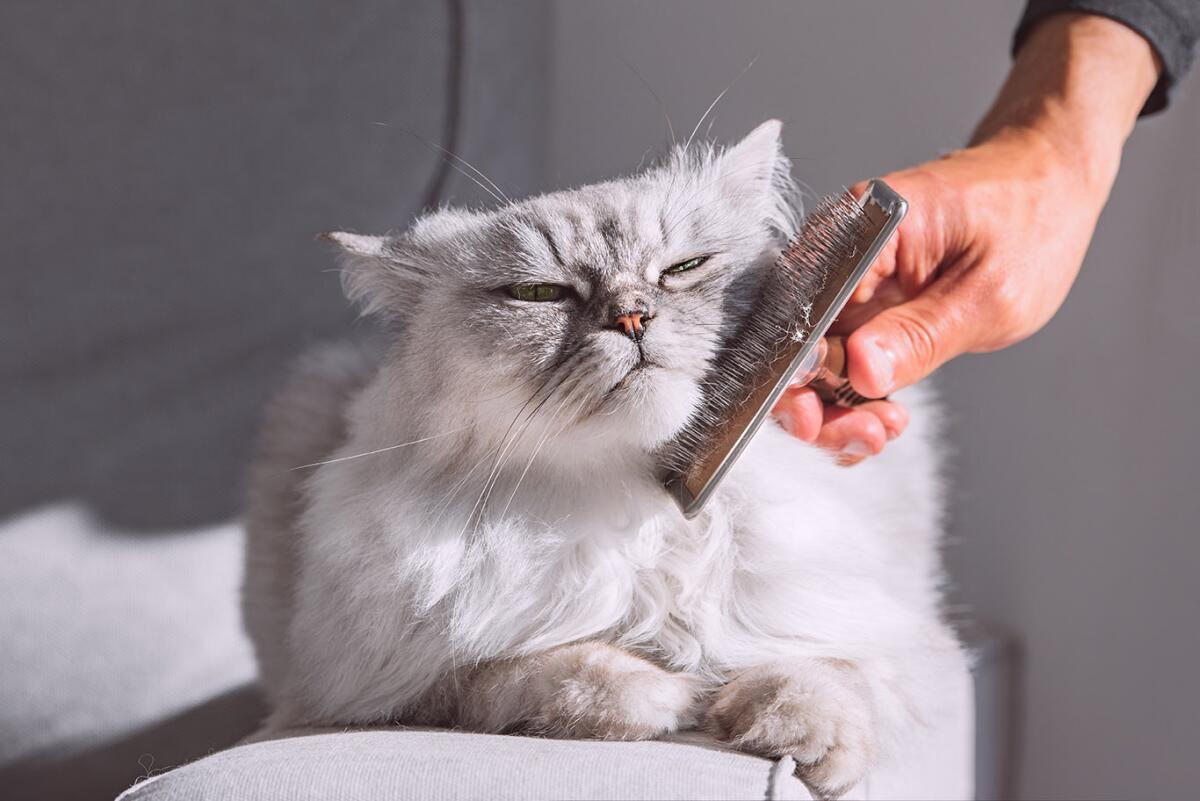
Use a wide-toothed comb or a slicker brush designed for long-haired cats. Start brushing gently from the head and move towards the tail, following the direction of the fur. Pay special attention to areas like behind the ears and under the legs where mats tend to form.
Brush your cat at least two to three times a week. This helps reduce shedding and prevents tangles. Notice how your cat reacts—if they seem uncomfortable, slow down and use softer strokes to build trust.
Bathing Tips
Bathing isn’t needed very often unless your Siberian gets unusually dirty. When you do bathe them, choose a cat-specific shampoo that won’t irritate their skin. Use lukewarm water and keep the session short to avoid stressing your cat.
- Wet their fur gently with a handheld sprayer or cup.
- Apply shampoo sparingly and lather carefully.
- Rinse thoroughly to remove all soap residue.
Dry your cat with a soft towel and avoid using a hairdryer unless your cat is comfortable with the noise. Have you ever noticed how calm your cat gets after a good bath? It’s a chance to relax together.
Nail And Ear Care
Trim your Siberian’s nails every two to three weeks. Use a sharp, cat-specific nail clipper and avoid cutting too close to the quick, which can cause pain and bleeding. If your cat is squirmy, try trimming nails after a play session when they’re more tired.
Check their ears weekly for dirt or wax buildup. Use a damp cotton ball to gently clean the outer ear—never insert anything deep inside. If you see redness or smell a foul odor, it might be time to visit the vet.
Have you noticed how a little ear cleaning can make your cat perk up? It’s often a sign of relief and comfort.
Common Grooming Challenges
Siberian cats boast a beautiful, thick coat. But grooming them can pose challenges. Their fur needs regular attention to prevent issues. Understanding these challenges helps maintain their coat’s health and beauty.
Dealing With Mats And Tangles
Mats and tangles are common in Siberian cats. Their long fur can easily knot if neglected. Regular brushing helps prevent this. Use a wide-toothed comb for stubborn tangles. Be gentle to avoid hurting your cat. Mats can form behind ears and under legs. Check these areas often. Keeping a consistent grooming schedule reduces the risk of mats.
Handling Shedding Issues
Siberian cats shed, especially during seasonal changes. This can lead to fur everywhere. Regular grooming can help manage shedding. Use a slicker brush to remove loose hair. This keeps your home cleaner and reduces allergens. A lint roller can also be handy for stray hairs. Consistent grooming minimizes shedding and keeps your cat comfortable.
Health Benefits Of Grooming
Grooming your Siberian cat offers more than just a clean appearance. It plays a key role in keeping your cat healthy and comfortable. Regular grooming supports their skin and coat, and helps reduce common problems like hairballs. These benefits improve your cat’s overall well-being and happiness.
Skin And Coat Health
Brushing removes loose hair and dirt from your cat’s coat. It helps spread natural oils evenly across the fur. This keeps the coat soft, shiny, and less prone to matting. Grooming also allows you to check for skin issues like dryness or irritation early. Healthy skin reduces the risk of infections and discomfort for your Siberian cat.
Reducing Hairballs
Siberian cats have thick fur that can lead to hairballs. Regular brushing cuts down on the amount of hair they swallow. Fewer swallowed hairs mean fewer hairballs to cough up. This keeps your cat’s digestive system healthier and prevents blockages. Grooming is a simple way to keep your cat feeling better every day.
When To Seek Professional Grooming
Siberian cats have thick, dense coats that need regular care. While home grooming covers most needs, some situations require expert help. Professional grooming keeps your cat healthy and comfortable. It also prevents skin problems and matting. Knowing when to seek expert care is key for your cat’s well-being.
Signs Your Cat Needs Expert Care
- Severe matting that is hard to remove
- Skin irritation or redness under the fur
- Excessive shedding that is unusual
- Strong odor coming from the coat
- Difficulty cleaning sensitive areas like ears or paws
- Behavior changes during grooming, such as stress or aggression
- Long nails that require trimming
These signs show that professional grooming will improve your cat’s comfort and health.
Finding A Groomer For Siberian Cats
Choose a groomer familiar with Siberian cats’ thick coats. Ask about experience with long-haired breeds. Check if the groomer uses gentle tools and products. Look for a calm, safe environment to reduce your cat’s stress. Read reviews or get recommendations from other cat owners. Visit the salon before booking an appointment.
Clear communication with the groomer helps ensure proper care. Describe your cat’s needs and any health issues. A skilled groomer will tailor the session for your Siberian cat’s comfort.
Frequently Asked Questions
Do Siberian Cats Require Regular Grooming?
Yes, Siberian cats need regular grooming to prevent matting. Brushing their thick fur 2-3 times weekly keeps their coat healthy and reduces shedding.
How Often Should I Brush A Siberian Cat?
Brush your Siberian cat at least 2-3 times a week. Frequent grooming helps avoid tangles and maintains their dense, water-resistant coat.
Can Siberian Cats Groom Themselves Completely?
While Siberian cats groom themselves, their thick fur often needs human help. Regular brushing supports their natural grooming and prevents hairballs.
What Grooming Tools Work Best For Siberian Cats?
Use a slicker brush or wide-tooth comb for Siberian cats. These tools effectively remove loose hair and prevent mats in their dense coat.
Conclusion
Siberian cats enjoy regular grooming to stay healthy and happy. Brushing their thick fur prevents mats and reduces shedding. It also helps spot skin problems early. Grooming strengthens the bond between you and your cat. A little effort each week keeps your Siberian comfortable.
Clean ears and trimmed nails add to their well-being. Simple grooming steps make a big difference in their life. Caring for your cat shows love and keeps them looking great. Easy routines keep Siberian cats feeling their best every day.

Leave a Reply