Have you noticed your elderly cat isn’t grooming like before? It can be worrying when your furry friend stops cleaning themselves.
Grooming is more than just keeping fur clean—it’s a sign of health and comfort. When your cat suddenly quits this habit, it might mean something is wrong. Understanding why your older cat stops grooming can help you take the right steps to keep them happy and healthy.
Let’s explore the common reasons behind this change and what you can do to help your beloved pet feel their best again.

Credit: weareallaboutcats.com
Common Reasons For Grooming Decline
Many elderly cats show less interest in grooming as they age. This decline can confuse cat owners. Understanding the common reasons helps provide better care. Several factors can reduce their grooming habits.
Physical Limitations
Older cats may have joint pain or arthritis. Moving to clean hard-to-reach places becomes difficult. Stiffness reduces their flexibility. Grooming requires stretching and bending, which can hurt. This makes the cat avoid grooming tasks.
Health Issues
Illnesses can lower a cat’s energy and motivation. Dental problems make grooming painful. Skin conditions may cause discomfort during cleaning. Cats feeling sick focus on resting. Grooming becomes less important than healing.
Cognitive Decline
Older cats can develop confusion or memory loss. They may forget grooming routines. Reduced awareness causes less attention to cleanliness. Cognitive problems change behavior and habits. Grooming may feel less necessary to them.
Behavioral Changes
Stress or anxiety affects grooming habits. Changes in environment or routine can upset cats. Depression in cats leads to less self-care. Lack of interest in grooming shows emotional distress. These shifts impact their usual behavior.
Impact Of Grooming Changes On Cats
Changes in grooming habits can have a significant impact on your elderly cat’s overall health and happiness. Grooming is not just about keeping clean—it plays a vital role in maintaining their skin, coat, hygiene, and emotional balance. When your cat stops grooming, these areas can quickly be affected, making it important for you to notice and address the signs early.
Skin And Coat Problems
Without regular grooming, your cat’s fur can become matted and tangled, causing discomfort and even pain. Dirt and oils build up on the skin, leading to irritation or infections. You might notice dandruff, bald spots, or an unpleasant odor, all signs that your cat needs help keeping clean.
If your cat is missing patches of fur or scratching more than usual, it’s a clear signal something is wrong. You can assist by gently brushing them daily, which also helps distribute natural oils and prevents mats.
Hygiene Concerns
When grooming stops, your cat’s hygiene suffers too. Urine or feces can stick to the fur, increasing the risk of skin infections. This can also cause unpleasant smells and discomfort that might make your cat hide or avoid interaction.
Regular cleaning around sensitive areas and checking for any signs of sores can prevent bigger problems. Have you noticed your cat avoiding the litter box or licking excessively? These behaviors often connect to grooming difficulties and should prompt a vet visit.
Emotional Well-being
Grooming is a calming activity for cats and helps reduce stress. When your elderly cat stops grooming, it might indicate underlying emotional issues like anxiety or depression. Changes in behavior, such as withdrawal or irritability, often accompany a drop in grooming habits.
Spend extra time petting and comforting your cat to help them feel secure. Could your cat’s grooming change be a silent cry for more attention or a sign of discomfort? Your close observation can make a real difference in their emotional health.
Medical Conditions Affecting Grooming
Medical conditions can greatly impact your elderly cat’s grooming habits. When your cat stops grooming, it’s often a sign of discomfort or underlying health issues. Understanding these medical reasons helps you provide the right care and improve your cat’s quality of life.
Arthritis And Joint Pain
Arthritis is common in older cats and causes joint stiffness and pain. Grooming requires flexibility, and when your cat’s joints hurt, reaching certain spots becomes difficult.
You might notice your cat grooming less or missing patches of fur. Simple touches can become painful, leading to avoidance. Providing soft bedding and gentle massages can ease their discomfort.
Dental Problems
Dental issues like tooth decay or gum disease cause pain that affects your cat’s grooming. Cats use their mouth to groom hard-to-reach areas, and mouth pain can stop them from cleaning themselves properly.
Bad breath, drooling, or reluctance to eat can be signs of dental trouble. Regular dental check-ups and cleanings can prevent these problems and keep your cat comfortable.
Skin Disorders
Skin conditions such as allergies, infections, or parasites make grooming uncomfortable for your cat. Irritated or painful skin can cause your cat to avoid grooming certain areas.
You may see redness, bald spots, or scabs. Treating the underlying skin issue can restore your cat’s desire and ability to groom.
Internal Diseases
Chronic illnesses like kidney disease or diabetes affect your cat’s energy levels and overall health. When your cat feels weak or unwell, grooming becomes a low priority.
Look for other symptoms like weight loss or changes in appetite. Managing these diseases with your vet can help your cat regain grooming habits.
Behavioral And Environmental Factors
Understanding why an elderly cat stops grooming involves examining behavioral and environmental factors. Cats are creatures of habit, and any changes can affect their grooming habits. Let’s explore some key factors that might impact an older cat’s grooming routine.
Stress And Anxiety
Cats feel stress due to various reasons, like moving or new pets. Stress can disrupt their usual behavior, including grooming. Anxiety may cause them to neglect their fur, leading to mats and tangles. Creating a calm environment can help reduce stress levels.
Changes In Routine
Cats thrive on routine. Disruptions can lead to behavioral changes. A new feeding schedule or change in daily activities can confuse them. This confusion might result in less grooming. Consistency in their routine can help maintain their grooming habits.
Litter Box Issues
Litter box problems can affect a cat’s grooming behavior. A dirty or hard-to-access box may discourage its use. This can lead to discomfort, reducing their desire to groom. Ensure the litter box is clean and accessible to encourage regular use.
Expert Tips To Encourage Grooming
Encouraging an elderly cat to groom again can greatly improve their comfort and health. Grooming is more than just cleaning; it helps prevent matting, skin infections, and promotes better circulation. Here are some expert tips to help you support your aging feline friend in maintaining their grooming habits.
Regular Vet Check-ups
Regular visits to the vet can catch health issues that might stop your cat from grooming, such as arthritis or dental pain. These conditions can make grooming uncomfortable or even painful. Have your vet check for underlying problems and suggest treatments that can ease your cat’s discomfort.
Ask your vet about supplements or medications that might improve your cat’s joint health or skin condition. Sometimes, simple pain relief can motivate your cat to groom themselves again.
Assisted Grooming Techniques
If your cat struggles to groom, you can step in with gentle assistance. Use soft brushes or grooming gloves designed for cats to remove loose fur and dirt. Take your time and watch your cat’s reactions to find what they enjoy.
Try grooming sessions during quiet moments when your cat feels relaxed. You might notice that short, regular sessions work better than long ones. Have you noticed certain spots where your cat needs the most help?
Diet And Nutrition
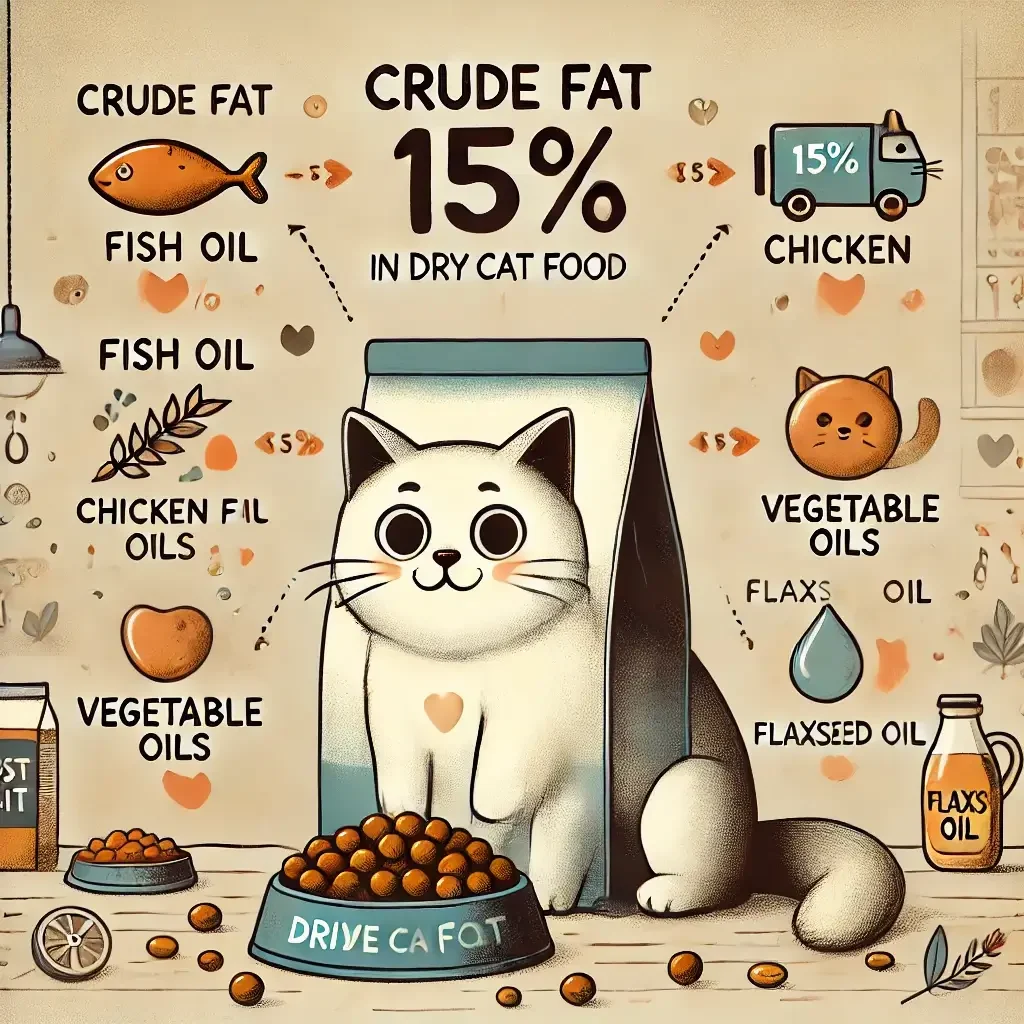
What your cat eats plays a big role in their coat’s health. Foods rich in omega-3 and omega-6 fatty acids support skin and fur health. Consider adding supplements like fish oil after checking with your vet.
Hydration is also key. Ensure your cat has access to fresh water at all times. Sometimes, a diet change or hydration boost can make grooming feel easier and more satisfying for your cat.
Creating A Comfortable Environment
Stress or discomfort can stop your cat from grooming. Create a calm and warm space that encourages relaxation. Soft bedding and quiet corners can make a big difference.
Keep grooming tools nearby so you can help your cat whenever needed. Have you tried using calming pheromone diffusers or gentle music to soothe your cat during grooming times? Small environmental changes can encourage your cat to groom more often on their own.
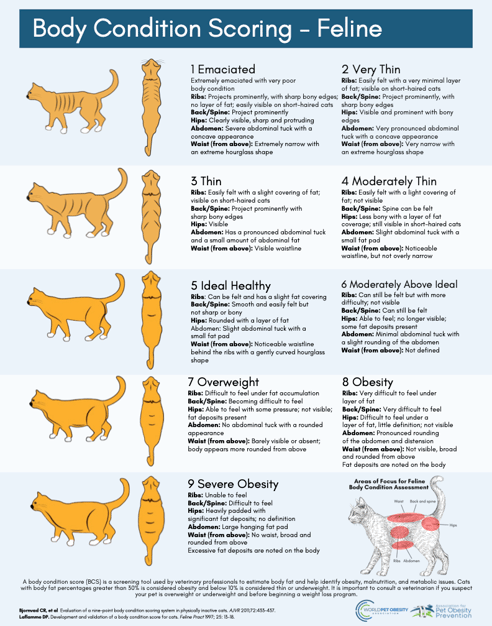
Credit: www.preventivevet.com
When To Seek Veterinary Help
Noticing your elderly cat has stopped grooming can be worrying. It’s important to know when this behavior signals a health issue that needs professional attention. Understanding the signs and options helps you act quickly to support your cat’s well-being.
Warning Signs To Watch For
Look out for sudden changes in your cat’s coat, such as matting, excessive shedding, or bald patches. If your cat seems lethargic, loses weight, or shows changes in appetite, these could be red flags. Also, watch for unusual behaviors like hiding, irritability, or difficulty moving.
Has your cat’s grooming stopped alongside other symptoms? That’s a sign you shouldn’t ignore. Early recognition can make a big difference in treatment success.
Diagnostic Tests
Your veterinarian may perform a physical exam to check your cat’s skin, coat, and overall condition. Blood tests can reveal underlying problems such as kidney disease, diabetes, or thyroid issues that affect grooming habits. Skin scrapings or allergy tests might be needed if infections or parasites are suspected.
Sometimes, diagnostics help uncover hidden problems that aren’t obvious at home. Would you want to wait, or act now to understand what’s really going on?
Treatment Options
Treatment depends on the cause identified by your vet. If illness is involved, medication or dietary changes may be prescribed. For arthritis or mobility issues, pain relief and supportive care can improve your cat’s ability to groom.
In some cases, regular grooming assistance from you or a professional groomer may be necessary. Helping your cat stay clean and comfortable improves their quality of life and shows your care in a very direct way.

Credit: www.eliteveterinarycare.com
Frequently Asked Questions
Why Does My Elderly Cat Suddenly Stop Grooming?
Older cats may stop grooming due to arthritis, dental pain, or reduced flexibility. These issues make self-cleaning difficult and uncomfortable, causing a decline in grooming habits.
Can Health Problems Cause Grooming Loss In Senior Cats?
Yes, health problems like kidney disease, diabetes, or hyperthyroidism often reduce grooming. Illness can lower energy and motivation, leading to less frequent cleaning.
How Does Grooming Affect An Elderly Cat’s Health?
Regular grooming helps prevent skin infections and mats. When grooming stops, cats risk fur matting, skin irritation, and poor hygiene, impacting their overall health.
When Should I Consult A Vet About Grooming Changes?
If your elderly cat stops grooming suddenly or shows other symptoms, consult a vet promptly. Early diagnosis can address underlying health issues effectively.
Conclusion
Elderly cats may stop grooming due to pain or health problems. Aging can make cleaning hard or uncomfortable. Notice changes in your cat’s behavior and fur condition. Regular vet visits help catch issues early. Gentle care and patience support your cat’s comfort.
Helping your cat stay clean improves its happiness and health. Keep an eye on your pet to give the best care. Small efforts make a big difference in your cat’s life.

Leave a Reply