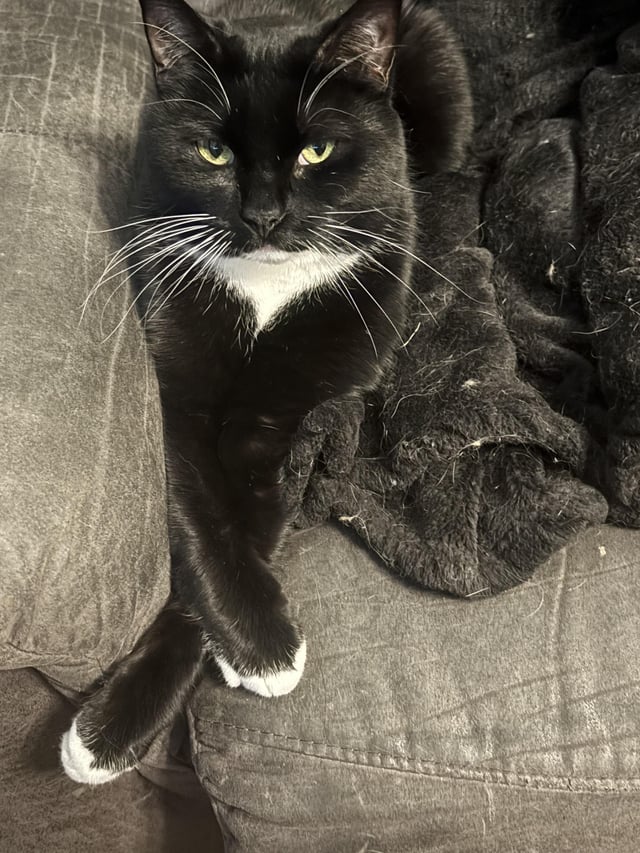
Have you ever felt your cat gently licking your hand one moment and then suddenly giving you a little bite? It’s confusing, right?
You might wonder, “Why does my cat groom and bite me? ” Understanding this strange behavior can bring you closer to your furry friend and help you enjoy your time together even more. You’ll discover the surprising reasons behind this mix of love and playfulness.
Keep reading to unlock the secret language your cat is trying to share with you!

Credit: www.reddit.com
Cat Grooming Behavior
Cats groom themselves and others as a natural part of their daily routine. This behavior helps keep their fur clean and healthy. Grooming also plays a big role in how cats interact with their owners and other animals. Understanding why cats groom and sometimes bite during this process reveals their unique communication style.
Natural Instincts
Grooming is a strong natural instinct in cats. It removes dirt, loose fur, and parasites. Cats use their tongues to clean hard-to-reach places. This habit keeps their coat smooth and shiny. Grooming also helps cats cool down and relax after play or stress.
Social Bonding
Cats groom others to show affection and trust. This behavior is common among cats in the same family group. When your cat licks or nibbles you, it may be sharing a friendly bond. Grooming helps build closeness and calmness between cats and humans.
Marking Territory
Grooming leaves a cat’s scent on the person or animal. This scent marking is a way to claim territory. Cats feel safer when their smell is on nearby objects or people. Biting lightly during grooming can be a gentle reminder of this connection.
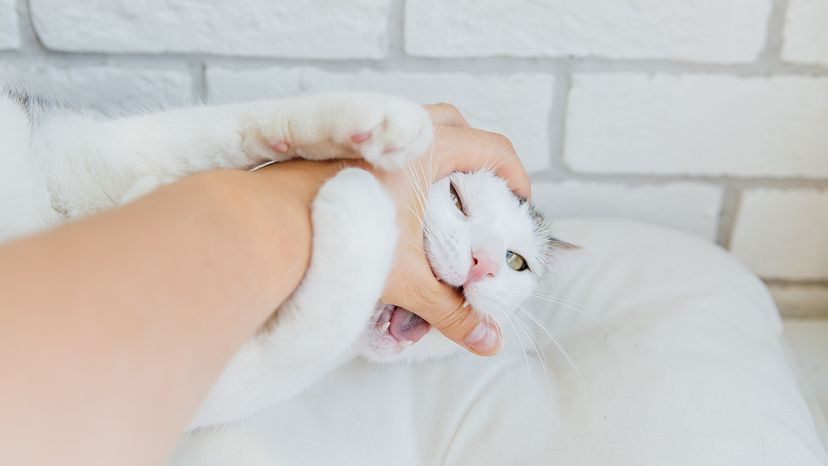
Credit: animals.howstuffworks.com
Reasons For Biting
Cats use biting as a form of communication and interaction. Understanding why your cat bites helps build a better bond. Some bites are gentle and playful, while others may signal discomfort or stress. Recognizing the reason behind the bite can improve your relationship with your cat.
Playful Bites
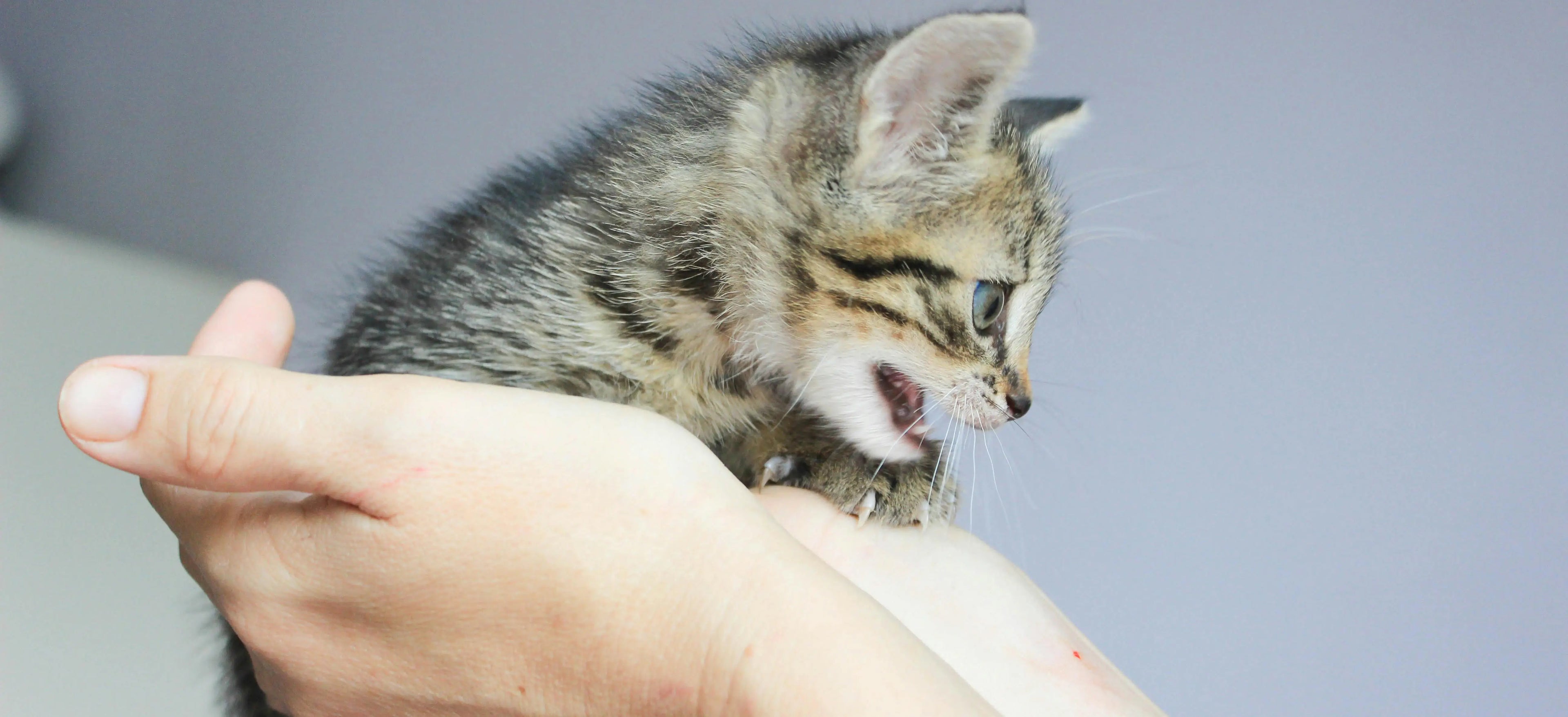
Young cats and kittens often bite during play. It is their way to practice hunting skills. These bites are usually soft and not meant to hurt. Playful biting shows your cat trusts you as a playmate. Watching your cat’s body language helps know when play is happening.
Overstimulation
Too much petting can make cats feel overwhelmed. Their skin is sensitive, and overstimulation causes them to bite. A sudden bite may warn you to stop touching. Cats send signals like tail flicking before biting. Learning these signs stops unwanted bites in time.
Communication Signals
Biting can be a direct message from your cat. It may mean “stop,” “leave me alone,” or “I want attention.” Cats use gentle nibbles to show affection or groom you. Harder bites often tell you to respect their space. Understanding these signals improves your cat’s comfort.
Stress And Anxiety
Stress can make cats bite more often. Changes in environment or loud noises may trigger anxiety. Biting acts as a defense or coping mechanism. Providing a calm space helps reduce stress bites. Recognizing stress signs prevents unnecessary biting episodes.
When Grooming Turns To Biting
Sometimes, a cat’s grooming can suddenly turn into a bite. This change can confuse many cat owners. Understanding why this happens helps improve your bond. Cats have different reasons for shifting from gentle licking to biting. These reasons show mixed feelings and communication signals from your cat.
Mixed Messages
Cats use grooming to show care and trust. But biting can mean different things. Sometimes, a cat bites lightly as a way to say, “Enough now.” This can happen if they feel overwhelmed. They might want to stop the petting but still feel close to you. The bite is a soft warning, not aggression.
Redirected Aggression
Cats can get upset by things you may not see. Loud noises or another pet nearby might stress them. They cannot bite the real cause of anger, so they bite you instead. This is called redirected aggression. It’s their way to release tension without meaning harm.
Attention Seeking
Some cats bite to get your attention quickly. They learn that a small nip makes you react fast. This bite is different from an angry or scared bite. It is a playful or curious signal. Your cat wants you to notice them and maybe play or pet more.
How To Respond
Cats may groom and bite to show affection or set limits during play. Watch their body language to understand their mood. Gently redirect biting to toys to keep interactions positive.
Cats have unique ways of showing affection, which can sometimes confuse their owners. Understanding their grooming and biting behavior helps in responding appropriately. Creating a balance between affection and boundaries is essential for a harmonious relationship. Here are some strategies to handle your cat’s behavior effectively.Setting Boundaries
It’s important to set clear boundaries with your cat. Gently push your cat away if biting becomes too rough. Speak in a calm, firm voice to signal that the behavior is unacceptable. Consistency is key in reinforcing these boundaries.Positive Reinforcement
Reward your cat for calm and gentle behavior. Use treats or affection when your cat behaves well. Positive reinforcement helps your cat associate good behavior with rewards. This encourages them to repeat such actions.Redirecting Behavior
Distract your cat with toys if they start biting. Introduce interactive toys to keep them engaged. This redirects their energy from biting to play. Regular playtime helps reduce aggressive behavior.Preventing Unwanted Bites
Unwanted bites from your cat can be frustrating and painful. Understanding how to prevent these bites helps keep your bond strong. Cats often bite due to overstimulation, fear, or play aggression. Preventing bites involves learning your cat’s signals and creating a positive environment.
Recognizing Triggers
Cats give signs before they bite. Watch for tail flicking, ears flattening, or sudden stillness. These signals mean your cat feels stressed or annoyed. Stop interaction immediately when you notice these signs. Avoid petting areas your cat dislikes. Every cat has different limits and preferences.
Regular Playtime
Play helps cats release energy and reduce biting. Use toys like feather wands or laser pointers to engage them. Avoid using your hands or fingers during play. Schedule short, frequent play sessions daily. This keeps your cat happy and less likely to bite out of boredom.
Creating A Calm Environment
A calm home reduces your cat’s stress and biting behavior. Provide quiet spaces and cozy beds for resting. Keep loud noises and sudden movements to a minimum. Use pheromone diffusers to help your cat feel safe. Consistent routines make your cat feel more secure.
Credit: tryfurgo.com
When To Seek Help
Knowing when to seek help is crucial if your cat’s grooming and biting behavior starts to affect your well-being or signals deeper issues. Not all biting is playful, and ignoring changes in your cat’s habits can lead to bigger problems. Pay close attention to what your cat is communicating through these actions and don’t hesitate to take action when needed.
Behavioral Changes
Has your cat suddenly become more aggressive or withdrawn? Notice if biting shifts from gentle nibbles to harder, more frequent bites. Changes in grooming habits—like over-grooming or neglecting self-care—can also indicate stress or discomfort.
Ask yourself: Are these behaviors new or worsening over time? These signs often mean your cat is struggling emotionally or physically and needs attention beyond just patience and toys.
Veterinary Advice
If your cat’s biting seems linked to pain or health issues, a vet visit is essential. Sometimes, cats bite because of underlying medical problems such as dental pain, skin irritation, or arthritis. A professional exam can rule out or confirm these causes.
Don’t wait until the behavior becomes dangerous for you or your cat. Early diagnosis can prevent worsening conditions and help you manage your cat’s needs more effectively.
Professional Training
When biting is rooted in behavioral patterns, professional training can make a huge difference. Certified animal behaviorists or trainers can assess triggers and teach you strategies to redirect your cat’s energy positively.
Have you tried changing your cat’s environment or routine without success? A trainer can offer practical tools tailored to your cat’s personality, making life more enjoyable for both of you.
Frequently Asked Questions
Why Does My Cat Groom Me Frequently?
Cats groom you to show affection and bond with you. It’s their way of including you in their social group and expressing trust.
Is Cat Biting During Grooming Normal Behavior?
Yes, gentle biting can be normal during grooming. It often indicates playful affection or a way to get your attention.
How Can I Stop My Cat From Biting Me?
Distract your cat with toys or gentle redirection. Avoid rough play to reduce biting and encourage positive interaction.
Does Grooming Mean My Cat Loves Me?
Yes, grooming is a strong sign of love and trust. Cats groom those they feel safe and close to.
Conclusion
Cats groom and bite to show love or set limits. These actions help them feel close and safe with you. Understanding why your cat behaves this way builds a stronger bond. Watch their signals to know when they want attention or space.
This knowledge makes living with your cat more joyful and peaceful. Every cat is unique, so patience and care matter most. Keep learning about your cat’s habits for a happy home. Simple actions bring you closer to your furry friend each day.

Leave a Reply