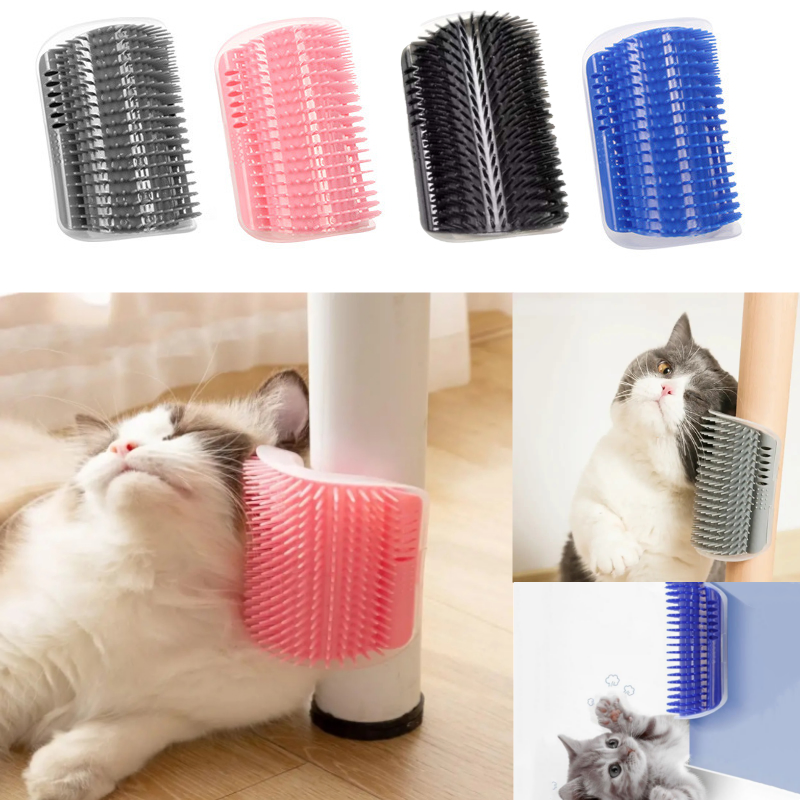
Has your cat stopped grooming as well as it used to? You might have noticed more fur around the house or your furry friend looking a bit untidy.
When cats can no longer groom themselves properly, it’s not just about appearance—it can affect their health and happiness. But don’t worry, you’re not alone, and there are simple, effective tools and products you can use to help your cat stay clean and comfortable.
Keep reading to discover exactly what to use when your cat needs a little extra grooming care.
Signs Your Cat Needs Grooming Help
Knowing when your cat needs help with grooming is important. Cats usually keep themselves clean. But some health or age issues make grooming hard. Spotting signs early helps keep your cat healthy and comfortable. Watch for changes in their coat, behavior, and health that affect grooming.
Changes In Coat Condition
- Fur looks dull or greasy instead of shiny.
- Hair mats or clumps that are hard to remove.
- Excessive shedding or bald patches appear.
- Skin becomes flaky, dry, or irritated.
- Unusual odors from the coat or skin.
Behavioral Clues
- Your cat stops licking or cleaning itself.
- Shows signs of pain or discomfort when touched.
- Spends less time grooming than usual.
- Becomes more withdrawn or hides away.
- Acts restless or scratches excessively.
Health Issues Affecting Grooming
- Arthritis or joint pain limits movement.
- Dental problems cause pain during grooming.
- Obesity makes reaching certain spots difficult.
- Skin infections or parasites irritate the cat.
- Age-related conditions reduce flexibility and energy.
Essential Grooming Tools For Cats
Essential grooming tools help keep cats clean and healthy. Cats unable to groom themselves need special care. Using the right tools makes grooming easier and more effective. Regular grooming prevents hair mats and skin problems. It also reduces shedding and helps monitor your cat’s health.
Brushes And Combs
Brushes and combs remove loose fur and dirt. Choose a brush type based on your cat’s fur length.
- Soft bristle brushes suit short-haired cats.
- Slicker brushes work well for long-haired cats.
- Wide-toothed combs help untangle mats gently.
Brush your cat gently to avoid skin irritation. Regular brushing keeps fur smooth and shiny.
Nail Clippers And Trimmers
Clipping nails prevents scratching and injury. Use small, sharp clippers made for cats.
- Trim nails every 2 to 3 weeks.
- Avoid cutting the quick, the pink part inside nails.
- Use a nail file to smooth sharp edges.
Keep your cat calm during nail care by speaking softly and offering treats.
Bathing Supplies
Bathing helps remove dirt and excess oils. Use cat-specific shampoo to protect their skin.
- Choose a gentle, fragrance-free shampoo.
- Use a non-slip mat in the sink or tub.
- Have towels ready to dry your cat quickly.
Bathing should be calm and quick to reduce stress. Only bathe cats when necessary to avoid drying out skin.
Safe Grooming Techniques
As cats age or face health issues, grooming can become difficult. Safe grooming techniques help maintain their cleanliness and comfort. Gentle handling and patience are key to stress-free grooming.
Brushing Tips For Matted Fur
Matted fur can cause discomfort and skin issues. Use a soft-bristled brush to gently detangle knots. Start at the tips and work towards the skin. Hold the fur close to the skin to avoid pulling. Regular brushing prevents mats and keeps fur smooth.
Trimming Nails Without Stress
Long nails can cause pain and injury. Trim nails in a calm environment. Use a cat-specific nail clipper. Hold the paw gently, pressing to extend the nail. Cut only the tip, avoiding the pink area, or quick. Reward your cat after each session to build trust.
Bathing A Cat Safely
Not all cats need frequent baths. When necessary, use lukewarm water and cat-friendly shampoo. Fill a basin with a few inches of water. Wet the fur slowly, avoiding the face. Lather gently and rinse thoroughly. Pat dry with a soft towel to prevent chills.
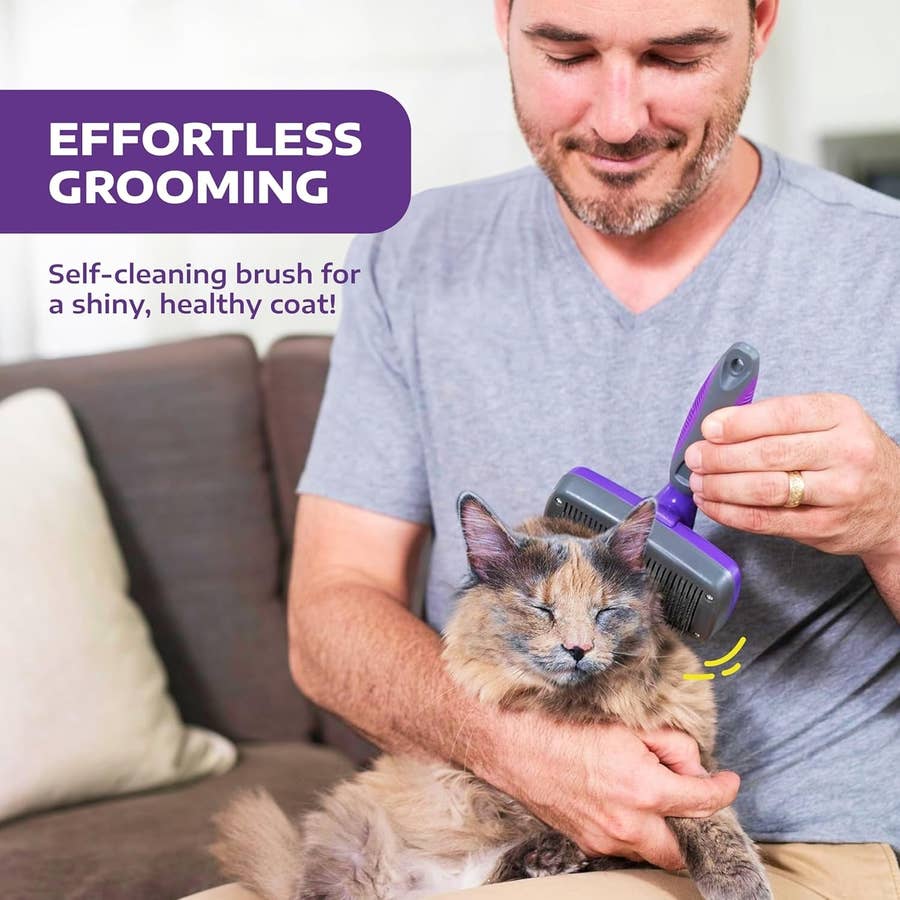
Credit: www.buzzfeed.com
Alternatives To At-home Grooming
Sometimes cats struggle to groom themselves well. Age, illness, or obesity can limit their grooming abilities. Owners need to find alternatives to keep their pets clean and comfortable. Professional help offers a safe and effective way to maintain your cat’s hygiene. These options relieve stress for both cats and owners. They ensure your cat looks and feels its best without the hassle of at-home grooming.
Professional Grooming Services
Professional groomers have the right tools and skills to care for cats. They handle fur trimming, nail clipping, and bathing with care. Grooming salons provide a calm environment designed for pets. Staff know how to manage anxious or uncooperative cats. Regular visits keep your cat’s coat healthy and mat-free. These services also check for skin issues or parasites during grooming.
Mobile Groomers
Mobile groomers bring grooming services directly to your home. This reduces stress for cats that dislike travel. Mobile units have all necessary equipment for full grooming. They create a quiet, familiar space for your pet. Mobile grooming saves time and effort for busy owners. It is a practical choice for cats with special needs or limited mobility.
Veterinary Grooming Assistance
Veterinarians can provide grooming help for cats with health problems. They can safely groom cats with skin conditions or injuries. Veterinary grooming ensures a gentle approach tailored to medical needs. Vets can sedate cats if grooming causes too much stress. This option is ideal for cats requiring careful handling. It also allows vets to monitor your cat’s overall health during grooming.
Managing Skin And Coat Health
Managing your cat’s skin and coat health becomes especially important when they can no longer groom themselves effectively. A healthy coat not only looks good but also protects your cat from infections and discomfort. Paying attention to diet, hydration, and skin conditions can make a big difference in maintaining your cat’s overall well-being.
Diet And Supplements
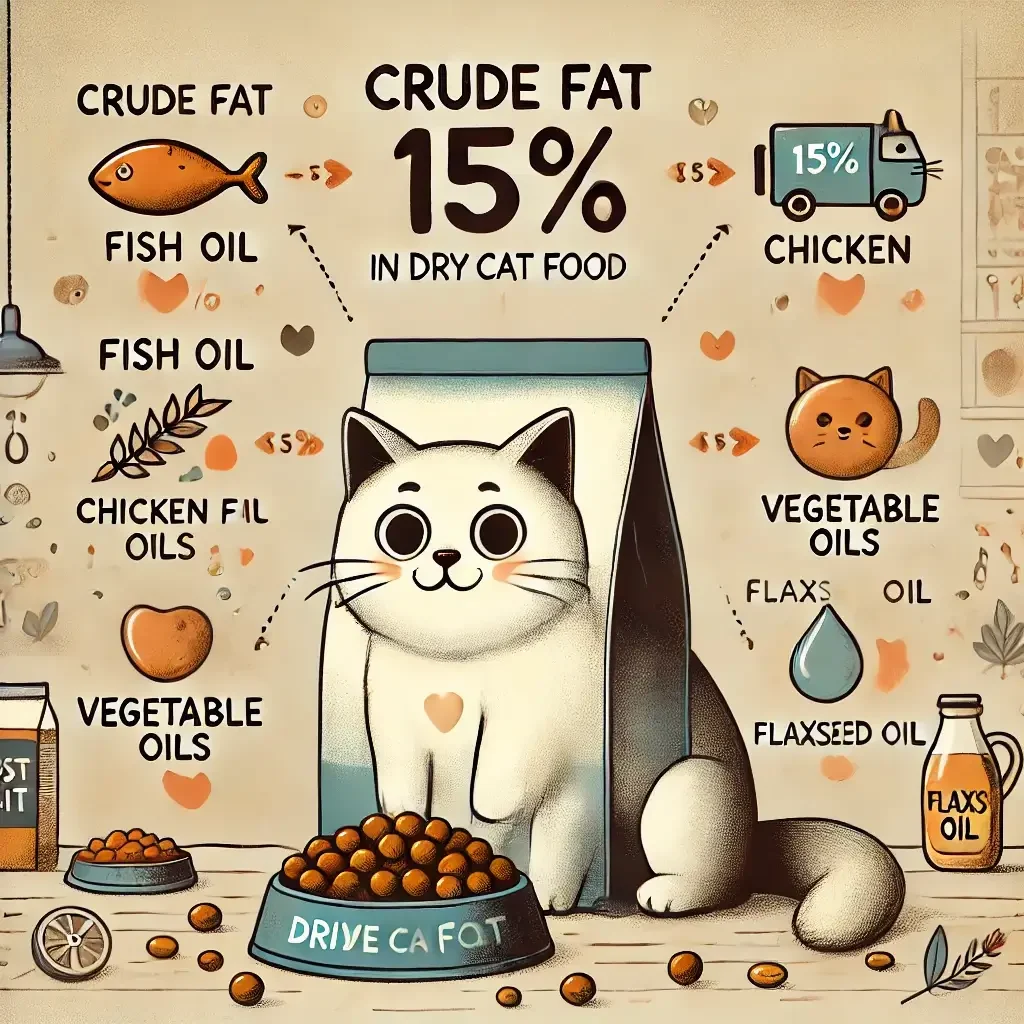
Your cat’s diet plays a crucial role in skin and coat health. Foods rich in omega-3 and omega-6 fatty acids help reduce inflammation and keep the coat shiny and smooth. Adding supplements like fish oil or specialized skin formulas can boost these benefits.
Have you noticed your cat’s fur becoming dull or patchy? It might be time to check their food labels or consult your vet about adding supplements. Keep in mind that sudden diet changes can upset your cat’s stomach, so introduce new foods gradually.
Hydration Importance
Hydration is often overlooked but essential for healthy skin. Dry skin can lead to itching and flaking, making your cat uncomfortable. Make sure your cat always has access to fresh water and consider adding wet food to their diet to increase moisture intake.
If your cat isn’t drinking enough, try using water fountains or adding a bit of broth to their water bowl. These small changes can encourage better hydration and improve skin elasticity.
Addressing Skin Conditions
Skin problems like allergies, infections, or parasites can worsen if grooming declines. Watch for redness, sores, or unusual hair loss and seek veterinary advice promptly. Early treatment can prevent discomfort and more serious health issues.
Sometimes, topical treatments such as medicated shampoos or sprays are necessary. Using these products as directed can soothe irritated skin and promote healing, helping your cat feel more comfortable.
Supporting Mobility For Grooming
Supporting a cat’s mobility helps them groom for longer. Many cats slow down due to age or health issues. Keeping them active and comfortable boosts their grooming ability. Small changes in their environment and care can make a big difference. Focus on exercise, assistive tools, and easy-to-reach grooming spots.
Exercise And Physical Therapy
Regular exercise keeps muscles strong and joints flexible. Gentle play with toys encourages movement. Short, frequent sessions work best for older cats. Stretching exercises help improve their range of motion. Physical therapy guided by a vet can relieve pain. Massage can also ease stiffness and improve circulation.
Assistive Devices
Special tools can support cats with limited mobility. Soft ramps help them reach high places safely. Non-slip mats prevent slipping during grooming. Raised litter boxes reduce strain on their legs. Harnesses and slings assist during walks or therapy. Consult your vet to choose the best devices.
Creating Accessible Grooming Areas
Set up grooming spots that are easy to reach. Place brushes and combs in low, stable areas. Use soft cushions or mats for comfort. Keep grooming tools within the cat’s reach. Bright lighting helps both owner and cat see better. A calm, quiet space reduces stress during grooming.
When To Seek Veterinary Advice
Knowing when to seek veterinary advice is vital if your cat struggles to groom. Cats often hide pain or illness, so careful observation is key.
Early help can prevent bigger problems and keep your cat healthy. Look for changes in behavior or grooming habits that seem unusual or worrying.
Signs Of Pain Or Discomfort
- Your cat limps or avoids using a limb.
- There is swelling or redness on the skin.
- Your cat cries out or hisses when touched.
- Sudden aggression or withdrawal from interaction.
- Excessive licking or biting at a specific area.
Persistent Grooming Issues
- Fur looks matted or dirty for several days.
- Cat stops cleaning certain body parts.
- Visible bald patches or skin sores appear.
- Odor from fur or skin that does not go away.
- Changes in grooming habits lasting more than a week.
Underlying Medical Conditions
Some health problems affect a cat’s ability to groom. Arthritis can make bending and reaching difficult. Dental pain might reduce grooming around the face. Skin infections or allergies cause discomfort during grooming. Obesity may limit flexibility and movement.
Veterinarians can diagnose these conditions through exams and tests. Early diagnosis helps manage symptoms and improves your cat’s quality of life.

Credit: petscathouse.com

Credit: www.latimes.com
Frequently Asked Questions
Why Can’t My Cat Groom Themselves Properly?
Cats may struggle to groom due to age, illness, or injury. Conditions like arthritis or obesity limit their movement. Regular vet checks can identify issues. Assistive grooming tools and gentle brushing help maintain their coat health and comfort.
What Tools Help Cats Groom When They Can’t?
Use soft brushes, grooming gloves, and dematting combs. These tools gently remove loose fur and prevent matting. Choose ergonomic designs for better control. Regular grooming reduces hairballs and skin problems, keeping your cat comfortable and clean.
How Often Should I Groom A Cat That Can’t Self-groom?
Groom your cat at least twice a week. More frequent grooming is needed for long-haired or elderly cats. Consistent grooming prevents mats and skin infections. Monitor your cat’s skin condition and coat health during each session.
Can Diet Improve A Cat’s Grooming Ability?
A balanced diet rich in omega-3 fatty acids boosts skin and coat health. Proper nutrition supports energy and mobility. High-quality food helps reduce shedding and dryness. Consult your vet for dietary recommendations tailored to your cat’s needs.
Conclusion
Helping your cat groom longer keeps them healthy and happy. Use gentle brushes and special wipes made for cats. Regular grooming stops fur mats and skin problems. Pay attention to their comfort and needs. Small steps make a big difference.
Your care shows love and keeps your cat clean. Keep tools handy and set a routine. This helps your cat enjoy grooming time more. Simple care keeps your furry friend bright and well.

Leave a Reply