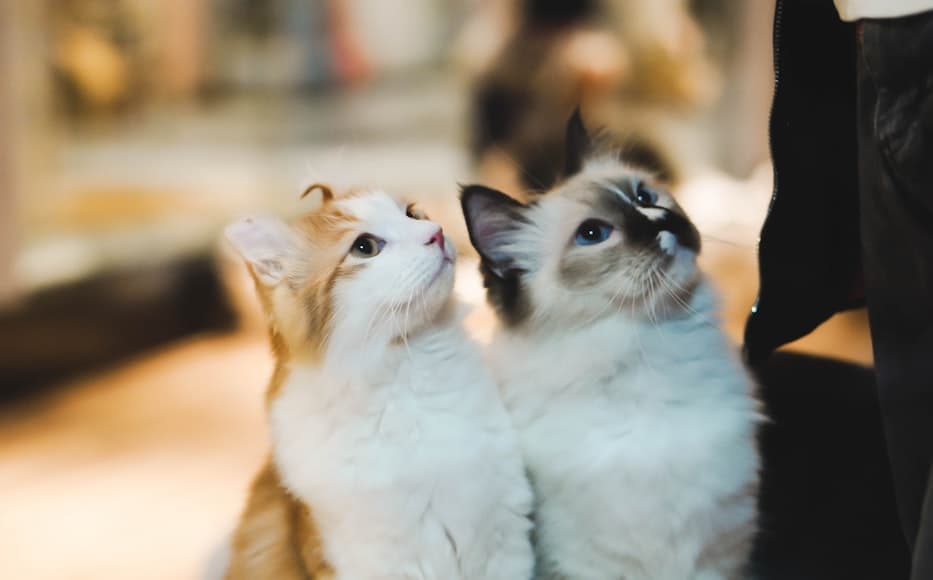
Have you ever watched two cats suddenly start licking each other with surprising intensity? It might look a bit rough, but there’s a reason behind this aggressive grooming.
Understanding why cats groom each other so fiercely can help you better connect with your furry friends and even spot if something’s wrong. Keep reading to discover the secrets behind this strange yet fascinating behavior and what it means for your cats’ health and happiness.
Social Bonding Through Grooming
Social bonding through grooming is a key part of cat behavior. Cats use grooming to connect and show care for each other. This action helps build trust and friendship in groups. Grooming is more than cleaning; it is a way to communicate and strengthen ties.
Strengthening Group Connections
Grooming links cats within a group. It creates a sense of unity and belonging. Cats often groom friends and family members. This act helps form a close social network. It shows acceptance and support among cats.
Group grooming also signals cooperation. Cats feel safer and more relaxed. This shared activity reduces stress and encourages peaceful living.
Reducing Tensions Among Cats
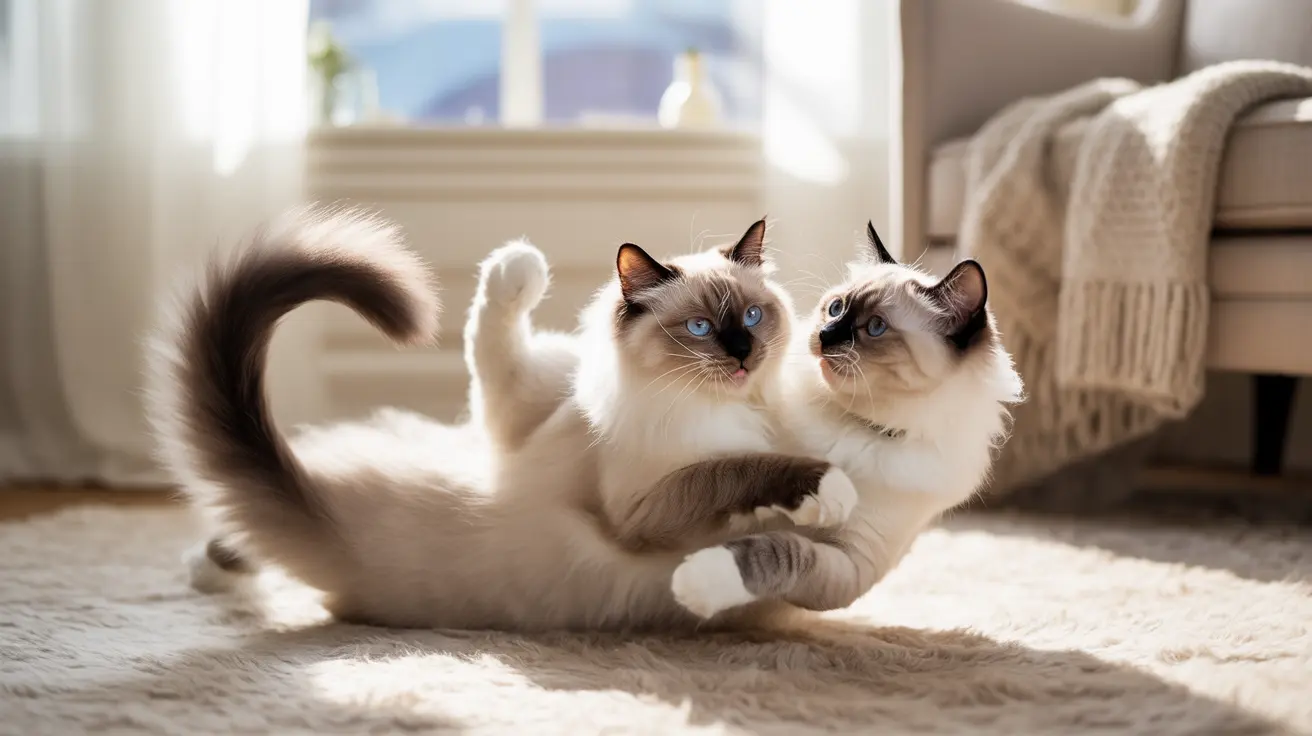
Grooming can calm conflicts and ease tensions. Aggressive grooming may seem rough but it helps settle disputes. Cats use it to show dominance without fighting. It acts as a peaceful way to control behavior.
By grooming, cats express forgiveness and reduce anger. This helps keep harmony in the group. It lowers chances of serious fights and injuries.
Establishing Dominance
When dogs groom each other aggressively, they are often doing more than just cleaning. This behavior plays a critical role in establishing dominance within their social group. Grooming becomes a way to communicate power and control, helping dogs understand their place in the pack.
Marking Hierarchy Within The Group
Dogs use grooming to mark their rank in the social order. The dominant dog often initiates grooming, signaling its higher status. Subordinates usually accept this grooming as a sign of respect and submission.
This interaction helps maintain peace. Without clear signals, dogs might challenge each other more often, leading to fights. Grooming gently enforces the unspoken rules of the group.
Controlling Subordinates
Aggressive grooming can also be a way for dominant dogs to control those beneath them. By grooming firmly or persistently, they remind subordinates who is in charge. It’s a subtle form of discipline that avoids open conflict.
Have you noticed how a dominant dog might nip or lick a subordinate’s ears or neck? This behavior reduces challenges and keeps the group stable. Understanding this can help you manage multi-dog households better.
Stress And Anxiety Signals
Cats often groom each other aggressively to show stress or anxiety. This behavior helps them cope with tension and maintain social bonds. Signs like biting or rough licking reveal their uneasy feelings.
Cats communicate stress and anxiety through various behaviors. One surprising method is through grooming. Often, grooming serves as a way to cope with stress. Understanding this behavior can help cat owners support their pets better.Grooming As A Coping Mechanism
Cats groom each other to feel secure. This action releases endorphins, soothing their nerves. Grooming helps them bond and feel connected. They use grooming to calm themselves during stressful times. It’s a way of reassuring each other in the feline world. This behavior is natural and beneficial when done gently.When Grooming Turns Aggressive
Sometimes, grooming can become too rough. Stress or anxiety might cause this shift. Aggressive grooming might lead to biting or scratching. Cats may feel threatened or overwhelmed, prompting this reaction. Observing changes in grooming behavior can signal a problem. It’s essential to monitor and address any aggressive behavior.
Credit: basepaws.com
Medical And Skin Issues
Medical and skin issues can cause dogs to groom each other aggressively. This behavior often signals discomfort or pain. Dogs may try to soothe an irritated area by licking or biting. Sometimes, this grooming turns rough, leading to fights or injuries. Owners should watch for signs of redness, swelling, or hair loss. These may indicate an underlying health problem affecting their skin or coat.
Irritation Leading To Aggression
Skin irritation causes dogs to become restless and sensitive. Constant itching makes them focus on the affected spot. This focus can lead to aggressive grooming toward another dog. The irritated dog might snap or growl to stop the behavior. Both dogs may end up in a scuffle if the irritation persists. Identifying and treating the irritation can reduce aggressive grooming.
Checking For Parasites Or Allergies
Parasites like fleas or ticks cause intense itching and discomfort. Allergies to food or environment also lead to skin problems. Dogs may groom each other aggressively to remove irritants or soothe itchy skin. Regular checks for parasites help prevent skin irritation. A vet can diagnose allergies with tests and suggest treatments. Keeping dogs clean and parasite-free reduces aggressive grooming incidents.
Territorial Behavior
Territorial behavior plays a key role in how cats interact with each other, especially during grooming. Cats use grooming not just to clean but to set boundaries. Aggressive grooming can signal a struggle over space and control within their shared territory. This behavior helps cats manage their personal zones and avoid conflicts.
Protecting Personal Space
Cats value their personal space highly. When one cat grooms another aggressively, it can be a way to keep distance. The dominant cat may push the other away by grooming with more force. This action marks the space as theirs and tells the other cat to respect the boundary. It reduces the chance of fights over territory.
Grooming As A Warning Sign
Aggressive grooming can act as a warning. It signals that a cat feels its territory is threatened. The cat uses this behavior to show dominance without direct fighting. It is a way to communicate tension and control. Other cats understand this and may back off to avoid conflict.
Credit: www.petscare.com
Hormonal Influences
Hormonal influences play a significant role in why cats groom each other aggressively. These chemical messengers affect their behavior deeply, especially during certain times of the year or when imbalances occur. Understanding these hormonal effects can help you better interpret your cats’ interactions and respond appropriately.
Effects Of Mating Season
During mating season, cats experience a surge in hormones like testosterone and estrogen. These hormones increase their energy and sometimes trigger more intense grooming behaviors. Aggressive grooming can be a way to assert dominance or strengthen social bonds within a group.
If you notice your cats suddenly grooming each other with more intensity, this could be linked to the mating season’s hormonal shifts. It’s their way of managing stress and reinforcing their place in the social hierarchy. Have you observed changes in your cats’ behavior during certain months? That might be the season speaking through their actions.
Impact Of Hormonal Imbalances
Hormonal imbalances can also cause cats to groom each other aggressively. Conditions like hyperthyroidism or adrenal gland issues disrupt normal hormone levels, leading to unusual behavior. Your cat might groom another more roughly or frequently as a response to discomfort or anxiety.
These imbalances sometimes go unnoticed until the grooming behavior becomes problematic. If your cats start showing signs of stress or irritation during grooming, consider consulting a vet. Addressing hormonal health can improve not only their behavior but their overall well-being.
Preventing Over-grooming
Preventing over-grooming is essential to keep cats healthy and happy. Over-grooming can cause skin problems and stress. Understanding how to reduce this behavior helps protect your cats’ well-being.
Creating A Calm Environment
A calm environment helps reduce stress that leads to over-grooming. Keep noise levels low and avoid sudden changes in the home. Provide quiet spaces where cats can relax undisturbed.
Use soft bedding and toys to keep cats comfortable. Regular playtime helps release energy and lowers anxiety. Consistent routines make cats feel secure and less likely to groom aggressively.
Recognizing When To Intervene
Watch for signs of over-grooming such as bald spots or red skin. Notice if cats groom each other too often or seem tense. Intervene early to prevent skin damage and stress.
Distract cats with toys or gentle petting if grooming becomes excessive. Separate cats briefly if necessary to break the cycle. Consult a vet if over-grooming continues or worsens.

Credit: basepaws.com
Frequently Asked Questions
Why Do Cats Groom Each Other Aggressively?
Cats groom each other aggressively to establish social bonds and hierarchy. It helps reduce stress and builds trust. This behavior also removes dirt and parasites efficiently. Aggressive grooming can signal dominance or playfulness among cats.
Is Aggressive Grooming A Sign Of Cat Dominance?
Yes, aggressive grooming often signals dominance in cats. Dominant cats use it to assert control while maintaining group harmony. It helps reinforce social order and reduces conflicts. This behavior is common in multi-cat households or colonies.
Can Aggressive Grooming Hurt Cats?
Aggressive grooming can occasionally cause discomfort or minor skin irritation. However, cats usually stop if the other cat signals distress. Owners should monitor to prevent excessive grooming that might lead to fur loss or wounds.
How To Stop Cats From Grooming Aggressively?
To reduce aggressive grooming, provide enough toys and attention to both cats. Separate them during tense moments and use calming pheromones. Consult a vet if aggression persists to rule out medical issues.
Conclusion
Cats groom each other to build trust and stay clean. Sometimes, grooming looks rough but it shows care. This behavior helps cats bond and stay healthy. Watching cats groom can teach us about their feelings. Understanding this helps pet owners support their cats better.
Keep observing your cats’ actions to know them well. Aggressive grooming means love, not fights. It’s part of their natural way to connect.



Leave a Reply