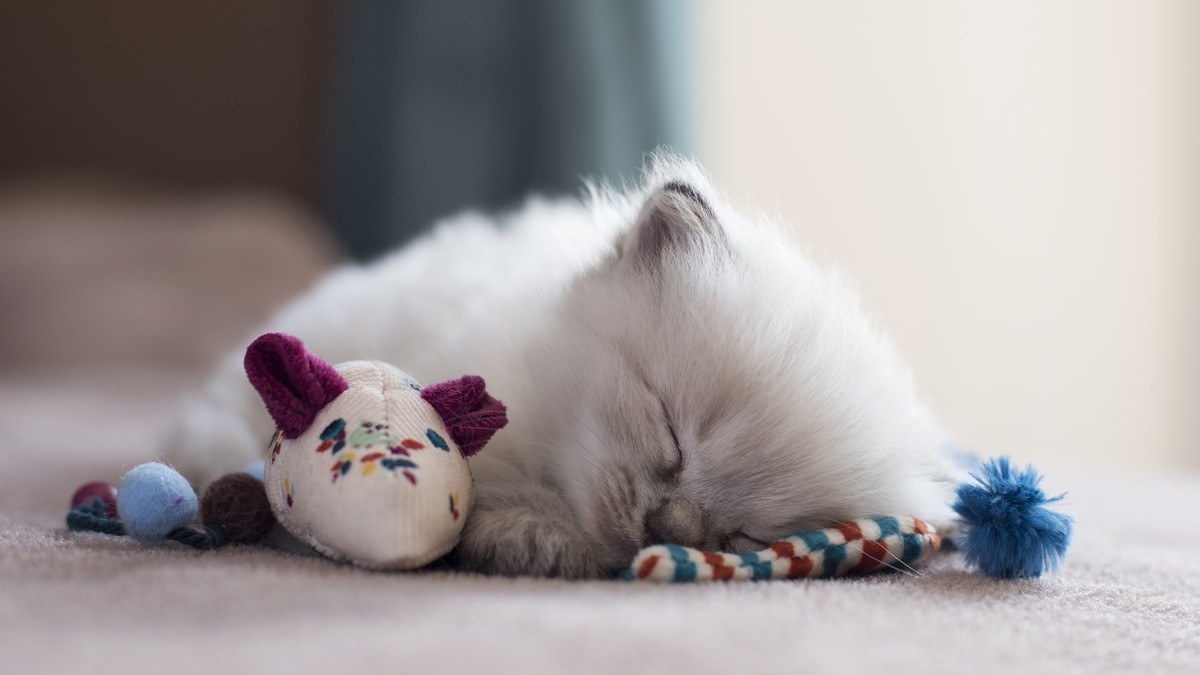
Have you ever noticed your cat growling while playing with a toy and wondered why? It might seem strange or even a little scary, but this behavior actually reveals a lot about your cat’s feelings and instincts.
Understanding why your furry friend growls during playtime can help you connect better and create a happier environment for both of you. Keep reading to uncover the surprising reasons behind this curious behavior and learn how you can respond in the best way.
Cat Growling Basics
Understanding why cats growl while playing with toys starts with knowing the basics of cat growling. Growling is a vocal signal cats use to express different feelings. It is important to notice what your cat’s growl really means. This helps you respond in a way that keeps playtime fun and safe. Cats use growling to communicate their mood, comfort level, and sometimes their excitement during play.
What Growling Means
Growling can show many emotions in cats. It often means your cat feels threatened or annoyed. Sometimes, growling happens because your cat is very focused or excited. In play, a growl may mean your cat is in hunting mode. This is a natural part of their behavior. Growling can also warn others to stay away or to be gentle. Knowing what your cat’s growl means can improve your bond.
Growling Vs Other Sounds
Cats make many sounds, and each has a different meaning. Growling is a low, rumbling noise. It sounds rough and deep. Other sounds include purring, meowing, and hissing. Purring usually shows contentment. Meowing is a way to get attention. Hissing means fear or anger. Growling differs because it signals a stronger warning. Recognizing these sounds helps you understand your cat’s feelings during play.
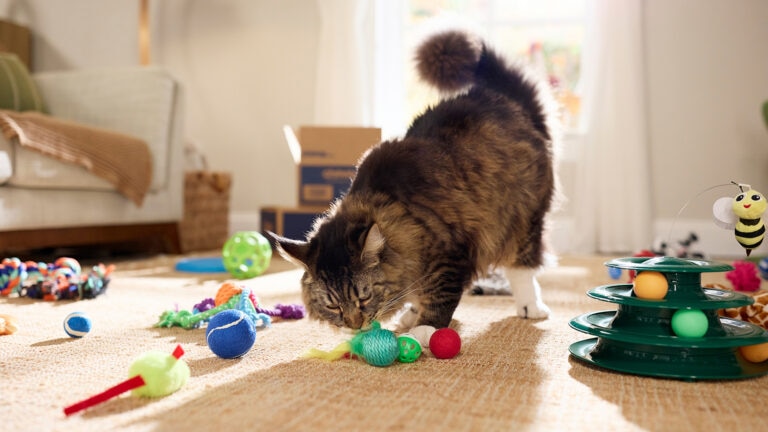
Credit: www.chewy.com
Growling During Play
Growling during play might seem odd at first, but it’s a natural part of how cats interact with their toys. This behavior can tell you a lot about your cat’s mood and energy levels. Understanding why your cat growls can help you create more fun and positive playtimes.
Toy Interaction Explained
When your cat growls at a toy, it’s often a sign of intense focus and engagement. The toy becomes a target, triggering your cat’s hunting instincts. This growl isn’t about anger; it’s part of the thrill of the chase.
Think about the last time you saw your cat pounce on a moving string or a feather wand. The growl adds to the excitement, almost like your cat is talking to its “prey.” This vocalization helps them feel in control during play.
Excitement And Stimulation
Growling during play can also reflect your cat’s excitement and mental stimulation. Playtime mimics hunting, which is a vital activity for their mental health. The growl releases tension and heightens focus.
Have you noticed if your cat growls more with certain toys? Toys that move unpredictably or make noise can increase stimulation and lead to more vocalizations. You can use this insight to choose toys that keep your cat actively engaged.
Next time your cat growls while playing, watch closely. Are they about to pounce or just finished a playful “attack”? This can help you understand your cat’s play style and deepen your connection.
Territorial Behavior
Cats growl at toys to protect their space and show ownership. This behavior comes from their natural need to guard territory and feel safe. Toys become their little “prey” to defend, sparking territorial instincts.
Cats are fascinating creatures with behaviors that often puzzle us. One such behavior is growling at their toys. This growling is commonly linked to their territorial instincts. Cats are naturally territorial animals, and this instinct can manifest even when they’re playing with something as simple as a stuffed mouse or a feather on a string.Protecting Their Toys
When a cat growls at a toy, it’s often a sign they’re claiming it as their own. They see it as valuable, much like they would a piece of prey. This behavior can be surprising, especially if your cat is usually laid back. But if you think about it, it makes perfect sense. Just like you wouldn’t want someone taking your favorite book or gadget, your cat doesn’t want to lose their prized possession. Cats may growl to signal to other pets—or even you—that the toy is off-limits. It’s their way of saying, “This is mine, don’t touch.” You might notice this behavior more if you have multiple cats. One cat might growl to ensure their toy isn’t taken by their feline sibling.Marking Territory
Besides growling, cats have other ways of marking their territory, like rubbing their scent glands on objects. Growling while playing is an auditory way of doing the same thing. It’s a warning sign to keep others at bay. You might observe your cat carrying their toy around the house, growling softly. This behavior shows they’re marking their territory beyond just the toy itself—they’re showing ownership of the space around them. Have you ever noticed your cat dragging their toys to their favorite spot? This is a classic move to blend their scent with the toy, further cementing their claim. Understanding this behavior can help you manage your cat’s environment better. You might consider providing multiple toys or play zones to diffuse territorial conflicts, especially in multi-cat households. What other ways have you noticed your cat asserting their territory?Hunting Instincts
Cats growl with toys because their hunting instincts kick in. These instincts are deep inside their nature. Playtime triggers behaviors like stalking, chasing, and capturing. Growling shows excitement and focus during play. It mimics real hunting sounds and actions.
Simulating Prey Capture
Cats treat toys like real prey. They stalk quietly, then pounce suddenly. Growling happens as they “catch” the toy. This sound shows their thrill and alertness. It also signals their determination to hold on to the prize. Play mimics hunting in the wild, satisfying natural urges.
Chasing And Guarding
After catching the toy, cats guard it fiercely. Growling warns others to keep away. The toy becomes their treasure to protect. This behavior reflects how cats defend real prey. Chasing the toy sharpens their reflexes and agility. It keeps their hunting skills sharp and active.
Communication Signals
Cats use growling as a unique way to communicate their feelings while playing with toys. This vocalization is not random; it often carries specific messages aimed at others around them. Understanding these communication signals can help you respond better to your cat’s needs and create a more enjoyable playtime for both of you.
Warning To Other Pets
When your cat growls while playing with a toy, it can serve as a clear warning to other pets nearby. It’s their way of saying, “This is my territory” or “Back off, I’m focused.”
Imagine your cat clutching a favorite toy and letting out a low growl as another pet approaches. This behavior helps prevent conflicts by signaling that your cat wants space during play.
Have you noticed if your cat’s growl changes depending on which pet is around? Paying attention to these subtle differences can deepen your understanding of their social boundaries.
Expressing Frustration
Growling can also indicate frustration, especially if the toy isn’t behaving the way your cat expects. Maybe the toy slips away too quickly, or it’s not responding to their pounces.
This frustration shows your cat’s desire for control and engagement. They want the play to be satisfying and may use growling to express their impatience.
Next time your cat growls during play, try switching toys or changing the way you play. You might find that a simple adjustment turns frustration into excitement and joy.
When To Be Concerned
Cats often growl during play with toys. This sound can be normal or a sign of discomfort. Knowing when to be concerned helps keep your cat happy and safe. Watch your cat’s behavior closely to understand what the growling means.
Aggression Vs Playfulness
Growling can show both playfulness and aggression. Playful growls are usually soft and short. Your cat may pounce and then relax quickly. Aggressive growls sound louder and longer. The cat might hiss, swipe, or bite during aggression. Pay attention to your cat’s body language:
- Playful: relaxed ears, gentle pawing, quick recovery
- Aggressive: pinned ears, stiff body, intense staring
Understanding these signs helps you respond correctly.
Signs Of Stress
Growling can also show stress or fear. Stress signs include hiding or avoiding touch. Your cat may also have wide eyes and fast breathing. Stress can come from new toys, sounds, or changes in the environment. Watch for:
- Excessive growling or vocalizing
- Avoiding the toy or playtime
- Changes in eating or sleeping habits
Notice these signs early to reduce your cat’s stress.
Encouraging Positive Play
Encouraging positive play is key to building a strong bond with your cat while keeping their growling during toy time harmless and fun. Understanding why your cat growls can help you create a play environment that feels safe and exciting. With the right approach, playtime becomes a joyful activity that channels your cat’s natural instincts without causing stress.
Choosing The Right Toys
Select toys that match your cat’s hunting style and energy level. Some cats prefer toys that mimic small prey, like feather wands or mice-shaped toys, while others enjoy chasing laser pointers or balls.
Watch how your cat reacts to different toys. Does your cat growl more with certain toys? That might mean they feel more stimulated or challenged. Toys that are too easy might bore them, and toys that are too difficult could cause frustration.
Try rotating toys regularly to keep your cat interested. This simple change can prevent boredom and reduce aggressive growling by keeping playtime fresh and exciting.
Safe Play Practices
Use toys rather than your hands for play to avoid confusion between play and actual biting or scratching. This helps your cat understand that hands are not toys, reducing accidental nips during play.
Pay attention to your cat’s body language. If growling turns into hissing or aggressive behavior, give your cat a break. Interrupting play early can prevent escalation and keeps the experience positive.
End play sessions on a high note with gentle petting or treats. This teaches your cat that playtime is rewarding and safe, encouraging more relaxed and happy interactions next time.

Credit: www.yahoo.com

Credit: moderncat.com
Frequently Asked Questions
Why Do Cats Growl When Playing With Toys?
Cats growl during play to mimic hunting behavior. It shows excitement and engagement with the toy, simulating a real prey capture.
Is Growling A Sign Of Aggression In Cats?
Not always. Growling can indicate excitement or frustration during play, but if combined with hissing or biting, it may signal aggression.
Can Growling Mean A Cat Is Stressed By A Toy?
Yes, if the toy causes fear or discomfort, cats may growl to express stress or unease about the situation.
How Should I Respond When My Cat Growls At A Toy?
Observe the cat’s body language. If playful, continue interacting gently. If aggressive, give space and remove the toy temporarily.
Conclusion
Cats growl with toys to show excitement or protect their playthings. This sound helps them express feelings without hurting anyone. Understanding why cats growl can improve your bond with them. Watch their body language to know what they want. Respect their space during play to keep them happy.
Every cat has its unique way of playing and communicating. Enjoy these moments as they show your cat’s true personality. Playtime becomes better when you listen and respond kindly. This small growl is just part of their fun world.



Leave a Reply