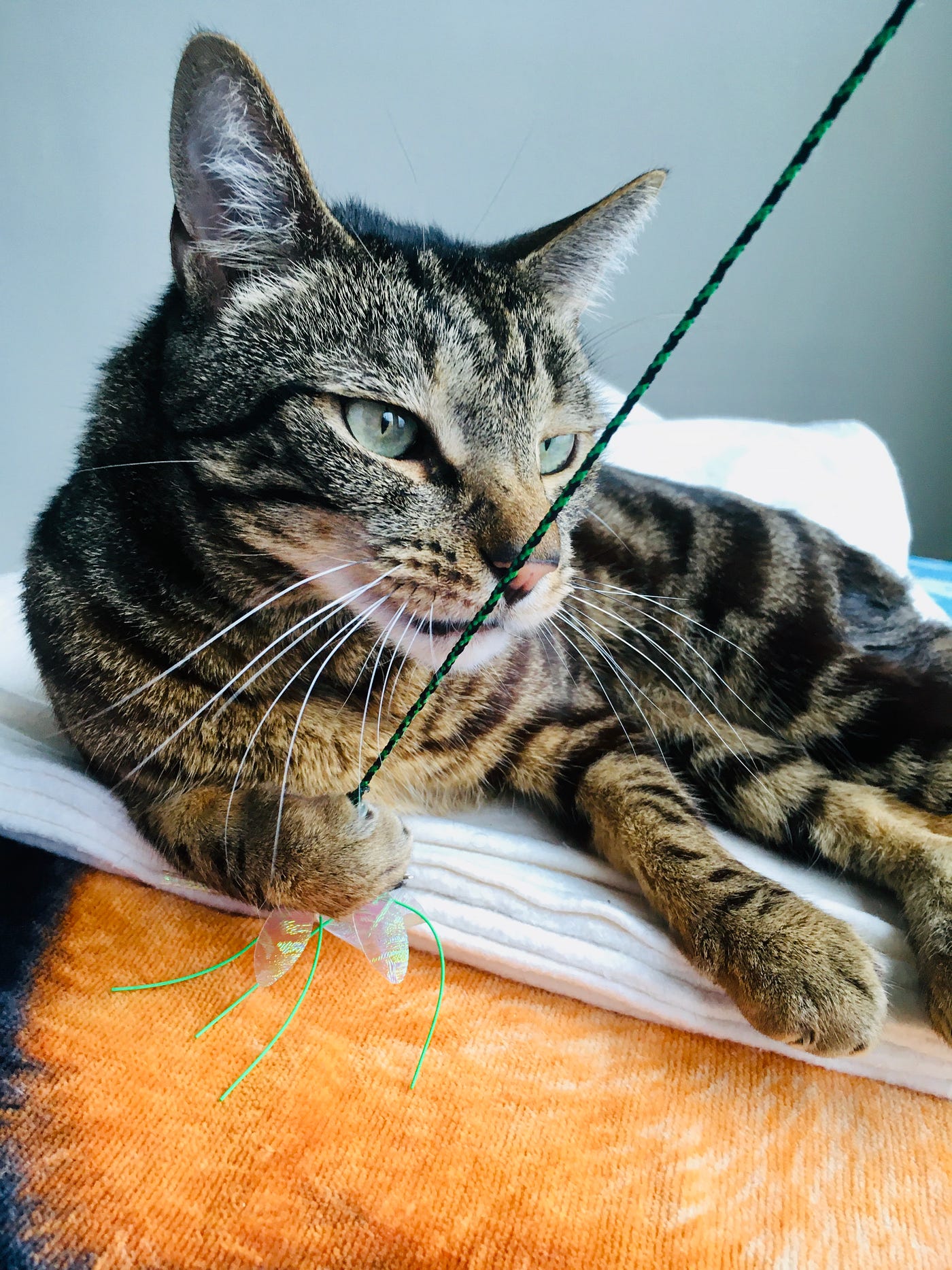
Have you ever bought a toy for your cat, only to watch it completely ignore it? It’s frustrating, right?
You want your furry friend to have fun and stay active, but instead, your gift ends up collecting dust. You might be wondering, “Why doesn’t my cat like toys? ” Understanding the reasons behind this behavior can help you connect better with your pet and find the perfect way to keep them entertained.
Keep reading to discover surprising insights that could change how you play with your cat forever.

Credit: www.youtube.com
Cat Play Behavior
Cats play to practice skills they use in the wild. Play behavior helps them stay sharp and healthy. Understanding how cats play can explain why some ignore toys. Each cat has unique ways to enjoy playtime. Recognizing these habits helps you choose the right toys or activities.
Instincts Behind Play
Play mimics hunting actions. Cats stalk, chase, pounce, and bite during play. These acts come from their natural hunting instincts. Kittens learn to hunt through playful fights with siblings. Adult cats keep these skills fresh by playing. If a toy does not trigger hunting instincts, a cat may ignore it.
Different Play Styles
Cats prefer different types of play. Some enjoy chasing moving objects. Others like pouncing on stationary toys. Some cats prefer interactive play with humans. Quiet cats may enjoy gentle batting or cuddling toys. Age, personality, and past experiences shape play style.
- Active chasers: love toys that move fast
- Ambushers: prefer hiding and surprise attacks
- Social players: want human involvement
- Quiet players: like soft, plush toys
Common Toy Issues
Understanding why your cat ignores toys can be tricky. Often, the problem lies not with your cat but with the toys themselves. Common toy issues like type, size, texture, scent, and noise can turn a potential playtime favorite into a forgotten item.
Unappealing Toy Types
Not all cats like the same kind of toys. Some prefer feathers, while others go crazy for small balls or laser pointers. If your cat isn’t interested, try switching toy categories—something as simple as a different shape or movement pattern might spark their curiosity.
Think about what your cat naturally hunts or chases. Does your cat react to anything in the environment? Use those clues to choose toys that mimic those prey behaviors.
Toy Size And Texture
The wrong size can make toys hard to carry or bat around. A toy that’s too big might frustrate your cat, while one that’s too small could be ignored or swallowed. Textures also matter—a soft, plush mouse might be rejected if your cat prefers crinkly or rubbery surfaces.
Try offering toys with different textures and sizes and observe which ones your cat engages with. Your cat’s comfort is key to sustained play.
Scent And Noise Factors
Cats have sensitive noses and ears. A toy with an unpleasant or overly strong scent can be off-putting. Similarly, noisy toys can either excite or scare your cat. If your cat avoids a toy, check if it has a strong perfume or makes loud, sudden sounds.
Some cats love toys with catnip scent, while others dislike it. Experiment with scent-free toys or those lightly scented with natural herbs to find what your cat prefers.
Health And Age Factors
Cats often lose interest in toys due to health and age factors. As they grow older, their energy and playfulness can decrease. Health issues might also affect their desire to play. Understanding these factors helps in addressing your cat’s needs effectively.
Impact Of Age On Playfulness
Age plays a significant role in a cat’s play behavior. Kittens are usually full of energy and curiosity. They love exploring and playing with toys. As cats age, their interest in toys might decline. Senior cats prefer resting more than engaging in play. This is normal as their energy levels decrease with age.
Possible Health Concerns
Health issues can also impact a cat’s interest in toys. Pain from arthritis or dental problems can make playing uncomfortable. Cats with obesity may find it difficult to move around. This limits their ability to engage with toys. Regular vet check-ups can help identify and manage such health issues. Addressing these concerns can sometimes revive their interest in play.
Environment And Mood
Your cat’s environment and mood play a huge role in whether they enjoy toys or not. Cats are sensitive creatures, and small changes around them can affect their interest in playing. Understanding these factors can help you create a space that encourages your feline friend to engage and have fun.
Stress And Anxiety Effects
Stress and anxiety can make your cat avoid toys entirely. If your cat feels unsafe or unsettled, they won’t have the energy or desire to play. Loud noises, new people, or other pets in the house can cause this kind of stress.
Think about a time when your cat hid during a thunderstorm or a loud party. This shows how mood and environment impact their willingness to interact. You might notice your cat only plays when they feel calm and secure.
To help reduce stress, try creating quiet, cozy areas for your cat. Soft blankets, hiding spots, and gentle interaction can improve their mood. When your cat feels relaxed, they’re more likely to show interest in toys again.
Role Of Environment In Play
The environment where your cat plays influences their enthusiasm. A cluttered or noisy space can distract or overwhelm your cat, making toys less appealing. Cats like clear, safe areas where they can focus on the toy without interruptions.
Sometimes, simply moving a toy to a different room can spark interest. Your cat might prefer playing near a window or in a sunny spot. Observing where your cat feels most comfortable can guide you in choosing the best play area.
Think about adding interactive elements to the environment, like shelves for climbing or scratching posts. These changes can make the playtime more stimulating and enjoyable. Have you noticed your cat’s mood shift in different parts of your home?
Improving Toy Appeal
Improving your cat’s interest in toys can transform playtime from a chore into a highlight of their day. Sometimes, it’s not that cats dislike toys but that the toys don’t match their unique preferences or instincts. By tweaking what and how you present toys, you can spark your cat’s curiosity and bring out their playful side.
Choosing The Right Toys
Your cat’s personality plays a huge role in what toys they’ll enjoy. Some cats love chasing small balls, while others prefer toys that mimic prey, like feathers or mice-shaped objects. Watch how your cat reacts to different textures and sizes—soft plush toys might appeal to one, while another prefers crinkly or noisy toys.
Think about your cat’s hunting style. Does your cat stalk quietly or pounce energetically? Match toys to these behaviors. If your cat is less active, interactive toys that move slowly might engage them better than fast, erratic ones.
Encouraging Play With Interaction
Many cats respond better when play involves you. Using a wand toy or laser pointer gets your cat moving and thinking. Your involvement adds excitement and helps your cat bond with the toy.
Try changing your play routine to keep things fresh. Short, frequent sessions work better than long, tiring ones. If your cat seems bored, switch toys or introduce a new movement pattern to reignite their interest.
Using Catnip And Treats
Catnip can be a powerful motivator, but it doesn’t work for every cat. Sprinkle some on a toy to see if it triggers playful behavior. If your cat enjoys it, you can use catnip to make certain toys more attractive.
Treats also add positive reinforcement. Reward your cat after a few minutes of play to build a connection between toys and fun experiences. This encourages them to return to toys even when you’re not around.
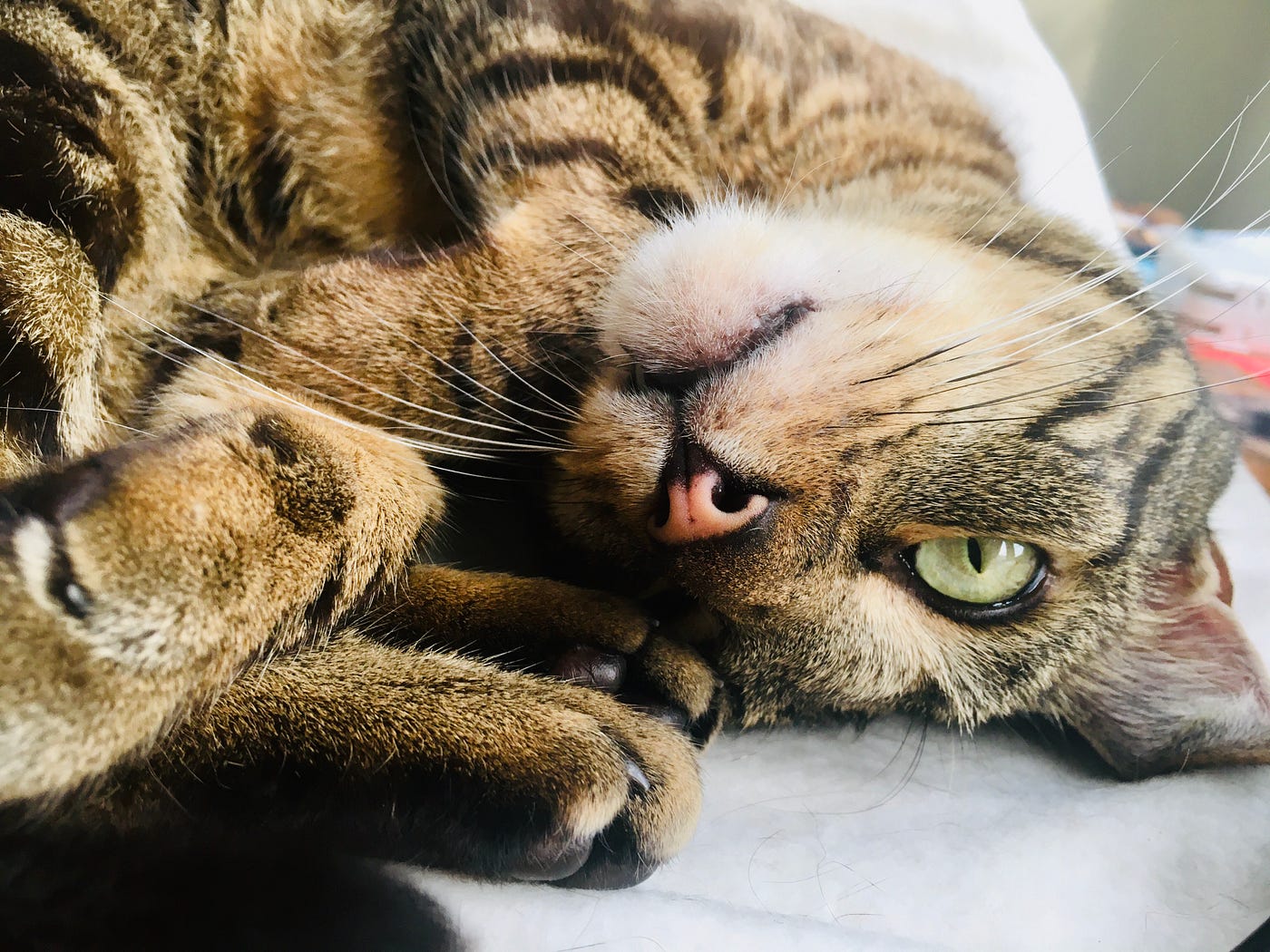
Credit: medium.com
Alternative Activities
Sometimes, your cat might ignore toys because they simply need different kinds of activities to spark their interest. Offering alternative activities can keep your cat engaged and mentally stimulated. These options often connect better with their natural instincts and preferences.
Interactive Games
Interactive games invite you to play alongside your cat, making the experience more engaging. Using wand toys or laser pointers lets your cat chase and pounce, which feels rewarding to them. If you notice your cat loses interest quickly, try changing the game pace or switching the toy’s direction to keep their attention.
Have you tried involving yourself more in playtime? Cats often respond better when you’re part of the action rather than toys left alone. This interaction can build trust and make playtime something your cat looks forward to.
Exploration And Hunting Simulations
Cats love to explore and hunt, so activities that mimic these behaviors can captivate them. Hide treats in puzzle feeders or under small boxes to encourage problem-solving and the thrill of the hunt. This type of play satisfies their curiosity and need for mental challenges.
Consider setting up safe spaces where your cat can climb and observe. High perches or tunnels simulate a hunting environment and encourage natural behaviors. What new areas can you create in your home to satisfy your cat’s explorer side?
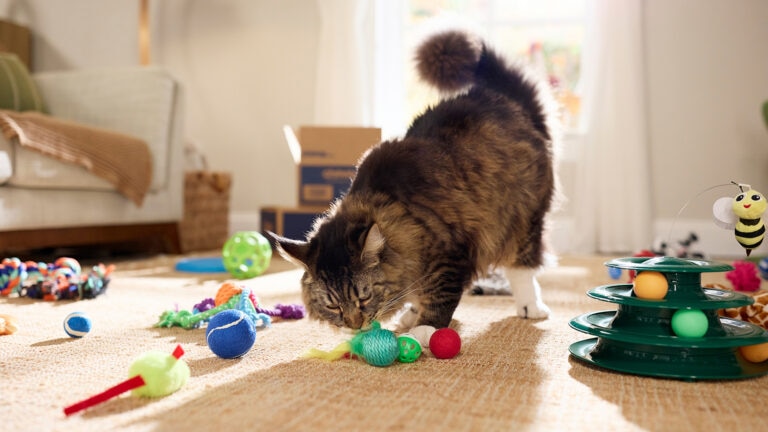
Credit: www.chewy.com
Frequently Asked Questions
Why Doesn’t My Cat Play With Toys Anymore?
Cats may lose interest due to boredom, stress, or health issues. Rotate toys often and check their health to revive playfulness.
Can A Cat’s Age Affect Toy Interest?
Yes, older cats may prefer less active play. Choose gentle, interactive toys to match their energy levels.
How Do I Find Toys My Cat Likes?
Observe your cat’s play style and preferences. Offer varied textures, sounds, and movements to discover favorites.
Could Health Problems Cause Toy Disinterest?
Yes, pain or illness can reduce playfulness. Consult a vet if your cat suddenly stops playing.
Conclusion
Cats have different reasons for not liking toys. Some prefer quiet time or real hunting. Age, mood, and health also affect their play. Trying various toys helps find what they enjoy. Patience and observation make playtime better for both. Remember, every cat is unique and special.
Keep their comfort and happiness your top priority. Enjoy the moments you share together.

Leave a Reply