
Are you wondering if dry food is the right choice for your adult cat? Choosing the best diet for your furry friend can be confusing with so many options out there.
You want to make sure your cat stays healthy, happy, and full of energy. But is dry food really the best option for them? Keep reading to discover the surprising facts about dry cat food and how it might impact your cat’s health.
By the end, you’ll feel confident making the best decision for your beloved pet.

Credit: www.tippaws.com
Benefits Of Dry Cat Food
Dry cat food offers many benefits for adult cats and their owners. It is easy to handle and provides nutritional value in a compact form. Many cat owners find dry food practical and efficient for daily feeding routines. Below are some key advantages that make dry cat food a popular choice.
Convenience And Storage
Dry cat food is simple to store and lasts longer than wet food. It does not need refrigeration after opening. Measuring portions is easy and less messy. You can leave it out for cats to nibble during the day. This suits cats that prefer to eat small amounts often.
Dental Health Advantages
Crunchy dry food helps reduce plaque and tartar buildup. The texture can gently scrape teeth while cats chew. This supports better oral hygiene and fresher breath. Regular dry food feeding may lower the risk of dental problems.
Cost-effectiveness
Dry cat food tends to cost less per serving than wet food. It comes in larger bags, making it economical for long-term use. Less spoilage means less waste and more savings. This makes dry food a budget-friendly option for many cat owners.
Potential Drawbacks
Dry food is popular for feeding adult cats, but it has some drawbacks. Understanding these issues helps pet owners make better choices. Knowing the limits and risks of dry food ensures a healthier diet for cats.
Hydration Concerns
Dry food contains very little moisture. Cats naturally drink less water than dogs. This low water intake can lead to dehydration. Dehydration may cause urinary tract problems. Wet food helps keep cats hydrated more effectively. Relying only on dry food can increase health risks related to low hydration.
Nutritional Limitations
Dry food often has fewer nutrients than wet food. It may lack enough protein and fats cats need. Some brands include fillers that add little value. Essential nutrients can degrade during processing and storage. Cats require a balanced diet to stay healthy. Feeding only dry food might not meet all their nutritional needs.
Risk Of Overeating
Dry food is easy to overeat because of its small size. Cats may eat more than needed without feeling full. Overeating leads to weight gain and obesity. Obesity increases risks of diabetes and joint problems. Portion control is harder with dry food. Monitoring intake helps prevent these health issues.
Comparing Dry And Wet Food
Dry food offers convenience and dental benefits, while wet food provides more moisture and palatability. Adult cats can eat dry food, but balancing hydration is important for their health.
Comparing dry and wet cat food is vital for cat owners. Each type has its unique benefits and drawbacks. Understanding these can help make informed choices for your pet’s diet. Both types of food offer essential nutrients but differ in many ways.Moisture Content Differences
Dry food has low moisture content. This can lead to dehydration in cats. Wet food, on the other hand, is rich in moisture. It helps keep cats hydrated. Water is crucial for a cat’s health.Impact On Urinary Health
Wet food supports urinary health. It helps prevent urinary tract infections. Dry food can increase the risk of kidney issues. Cats need enough water to avoid urinary problems.Palatability And Texture
Some cats prefer the crunch of dry food. It helps clean their teeth. Wet food has a soft texture and strong aroma. Many cats find it tastier. Each cat has different preferences.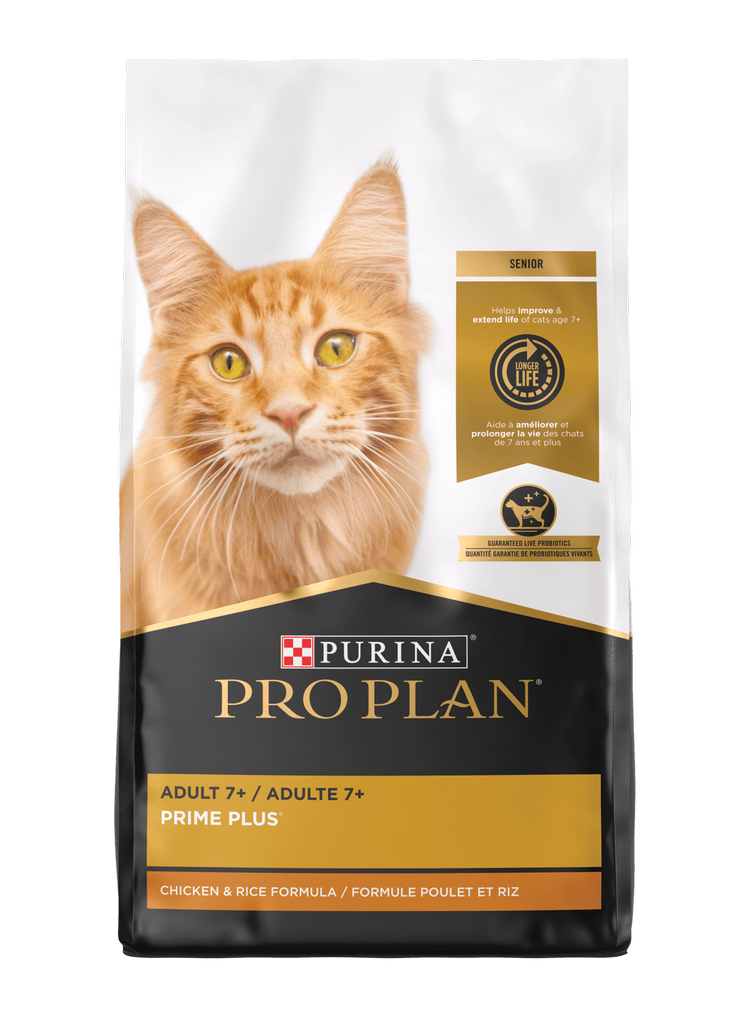
Credit: www.purina.com
Key Nutrients For Adult Cats
Adult cats need the right nutrients to stay healthy and active. Their diet should provide energy, support body functions, and keep their coat shiny. Dry food can meet these needs if it contains key nutrients in the right amounts.
Protein And Fat Requirements
Protein is vital for muscle maintenance and repair in adult cats. Cats are obligate carnivores, so they need animal-based protein. Fat gives energy and helps absorb vitamins. Both protein and fat must come from quality sources. Too little protein or fat can cause health problems.
Essential Vitamins And Minerals
Vitamins and minerals support many body functions. For example:
- Vitamin A helps vision and skin health
- Taurine supports the heart and eyes
- Calcium and phosphorus keep bones strong
- Vitamin E works as an antioxidant
Dry food should include these nutrients in balanced amounts to prevent deficiencies.
Avoiding Fillers And Additives
Fillers like corn and wheat add little nutrition. They can cause weight gain and digestive issues. Artificial additives may harm cats or cause allergies. Choose dry food with minimal fillers and no harmful additives. Pure ingredients give better nutrition and support overall health.
Feeding Guidelines For Dry Food
Feeding dry food to adult cats requires careful planning to keep them healthy. Proper guidelines help control weight and support digestion. Understanding portion sizes, meal timing, and food changes is essential. This ensures your cat enjoys their meals and stays in good shape.
Portion Control Tips
Measure dry food using a standard cup or scoop. Follow package recommendations based on your cat’s weight. Avoid free feeding to prevent overeating. Use a kitchen scale for more accuracy. Monitor your cat’s weight regularly and adjust portions as needed.
Meal Frequency Recommendations
Feed adult cats two meals per day. Space meals about 8 to 12 hours apart. Consistent meal times help regulate digestion. Avoid leaving dry food out all day. Scheduled feeding reduces the risk of obesity and boredom eating.
Transitioning Between Foods
Change dry food gradually over 7 to 10 days. Mix increasing amounts of new food with old food. Watch for any digestive upset during the switch. Stop the transition if your cat shows discomfort. Gradual changes help your cat accept new tastes and textures.
Signs Of A Healthy Diet
A healthy diet is vital for adult cats to thrive. It supports their body functions and keeps them active. Signs of a healthy diet show in various ways. Observing these signs helps ensure your cat’s food meets their needs.
Coat And Skin Condition
A shiny, smooth coat shows good nutrition. The skin should be soft and free from flakes. Dull fur or dry patches may indicate poor diet. Essential fatty acids in food keep fur healthy. Regular grooming also reflects overall skin health.
Energy And Behavior Levels
A well-fed cat is lively and curious. They move with ease and play often. Low energy or excessive sleeping can signal diet issues. Proper nutrients fuel their daily activities. Watch for sudden behavior changes linked to food.
Weight And Body Condition
Healthy weight is a clear sign of good feeding. Cats should have a visible waist and ribs you can feel. Overweight or underweight cats need diet adjustments. Balanced meals help maintain ideal body condition. Monitor weight regularly to avoid health problems.
When To Consult A Veterinarian
Knowing when to talk to a veterinarian about your adult cat’s diet is important. Changes in eating habits or health can signal problems. Early advice helps keep your cat healthy and happy.
Diet-related Health Issues
Watch for signs like vomiting, diarrhea, or weight loss. These can result from dry food intolerance. Some cats may develop allergies or urinary problems. A vet can identify the cause and suggest diet changes.
Special Dietary Needs
Cats with unique health needs need special diets. Pregnant or nursing cats require extra nutrients. Older cats may need food that is easier to digest. Your vet can recommend the best dry food or alternatives.
Monitoring Chronic Conditions
Chronic illnesses like kidney disease or diabetes affect diet choices. Regular vet check-ups help adjust food plans. Proper nutrition supports treatment and improves quality of life. Follow the vet’s advice closely for best results.

Credit: companion-vets.com
Frequently Asked Questions
Is Dry Food Suitable For Adult Cats Daily?
Dry food can be suitable for adult cats if it meets their nutritional needs. It is convenient and helps with dental health. However, ensure it contains high protein and low carbohydrates to maintain a healthy diet.
What Are The Benefits Of Dry Food For Adult Cats?
Dry food is cost-effective, easy to store, and helps reduce plaque buildup. It also allows free feeding, which suits some adult cats’ eating habits. Always choose quality brands with balanced nutrition.
Can Dry Food Cause Health Issues In Adult Cats?
Poor quality dry food or overfeeding can lead to obesity and urinary problems. Ensure your cat drinks enough water and receives a balanced diet to avoid health risks.
How To Transition Adult Cats To Dry Food Safely?
Gradually mix dry food with current food over 7-10 days. Monitor for any digestive issues or refusal. This slow transition helps your cat adjust without stress or stomach upset.
Conclusion
Adult cats can eat dry food safely with proper care. Dry food helps keep teeth clean and is easy to store. Always choose quality brands with good nutrition. Make sure your cat drinks plenty of water daily. Mixing dry and wet food can offer balanced meals.
Watch your cat’s health and weight closely. Consult a vet if you notice any problems. Feeding dry food fits many cats’ lifestyles well. Keep your pet happy and healthy with smart choices.




Leave a Reply