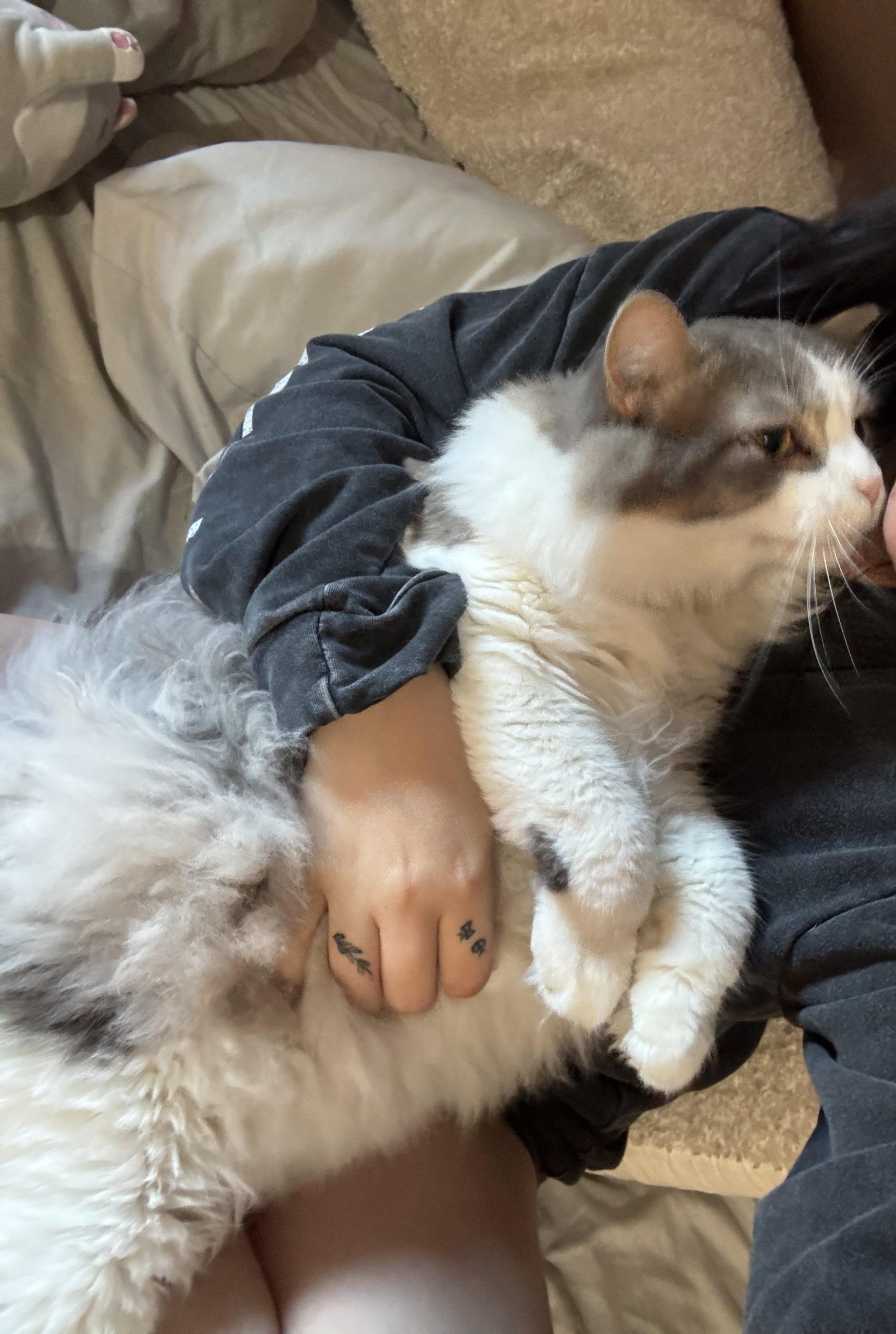
Have you noticed that your cat isn’t grooming himself like he used to? It can be worrying when your furry friend stops keeping clean.
Grooming is more than just about looking good—it’s how cats stay healthy and comfortable. If your cat isn’t licking his fur or cleaning his paws, something might be wrong. You’ll discover the surprising reasons why your cat might have stopped grooming and what you can do to help him feel better.
Keep reading to find out how to protect your cat’s health and happiness.
Common Grooming Habits
Understanding your cat’s grooming habits is key to recognizing when something might be wrong. Cats are known for their cleanliness and spend a significant part of their day grooming themselves. But what exactly does normal grooming look like, and how do cats keep their coats so pristine?
Normal Grooming Frequency
Most cats groom themselves several times a day, often totaling up to 50% of their waking hours. Younger, healthy cats may groom more frequently, while older or sick cats tend to groom less. If you notice your cat suddenly stops grooming or does it very rarely, it could signal discomfort or health issues.
Think about your own cat’s routine. Does it spend time licking its fur after meals or naps? These moments are typical grooming triggers. If your cat skips these, it might be worth observing closely.
How Cats Groom Themselves
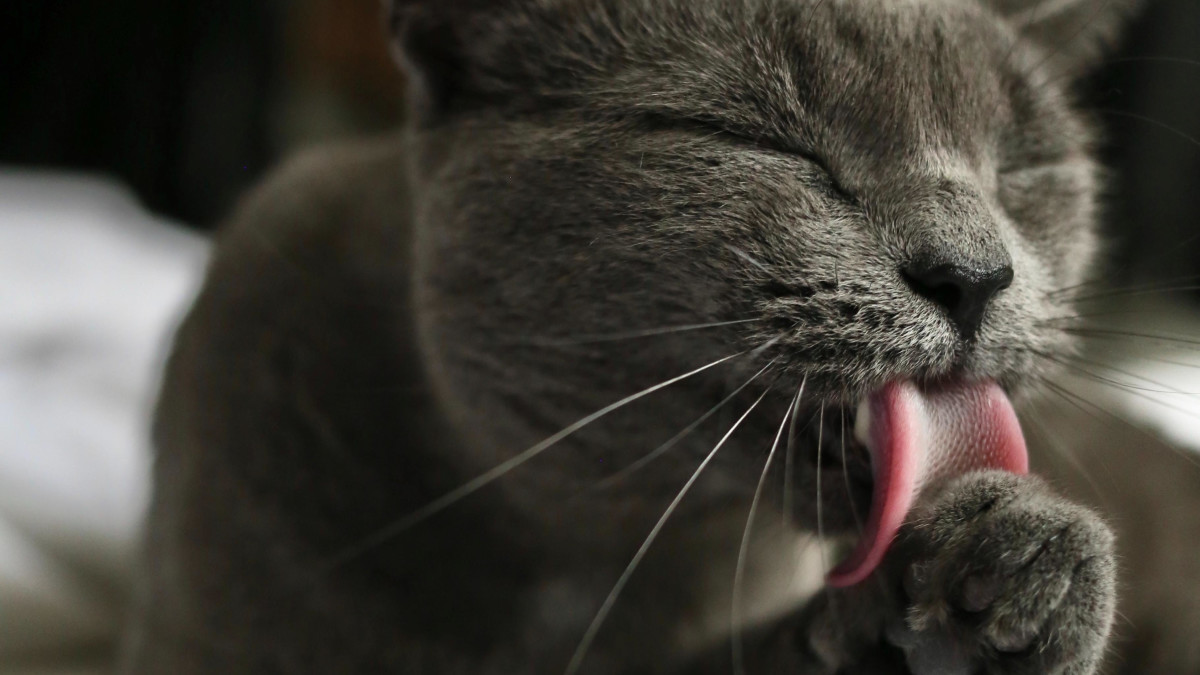
Cats use their tongues like tiny combs, covered with papillae—small hook-like structures that catch loose hair and dirt. They start by licking their paws and then use the dampened paws to clean their face, which they can’t reach with their tongues alone.
Grooming also helps regulate body temperature and reduce stress. Have you noticed your cat grooming more after a stressful event or change in environment? This behavior is their way of calming down and feeling secure.
Watching your cat’s grooming can tell you a lot about its health and emotional state. Are they grooming as usual? If not, what changes have happened recently in their life or health?
Health Issues Affecting Grooming
When your cat stops grooming itself, it might be more than just a bad mood or laziness. Health problems often play a big role in why your feline friend neglects their coat. Understanding these issues can help you spot warning signs early and get your cat the care they need.
Skin Conditions
Skin problems can make grooming painful or uncomfortable for your cat. Conditions like dermatitis, fungal infections, or parasites cause itching and soreness. If your cat avoids grooming certain areas, check for redness, bumps, or hair loss.
Have you noticed your cat scratching more than usual? This could indicate a skin issue affecting their desire or ability to groom. Treating the underlying skin condition can often restore their grooming habits.
Dental Problems
Dental pain is a hidden reason why cats may stop grooming. When teeth or gums hurt, moving the tongue becomes difficult and painful. Your cat might avoid grooming because it causes mouth discomfort.
Look for signs like bad breath, drooling, or reluctance to eat hard food. These symptoms suggest dental trouble that needs a vet’s attention. Fixing dental issues often leads to better grooming and happier cats.
Arthritis And Mobility Issues
Older cats or those with arthritis may struggle to reach certain parts of their body. Joint pain limits their flexibility, making grooming a challenge. You might see matted fur or dirty patches where your cat simply can’t reach.
Can you help your cat groom by brushing them regularly? This can ease their discomfort and prevent skin problems. Consider talking to your vet about treatments that improve mobility and quality of life.
Behavioral Causes
Behavioral causes can stop a cat from grooming itself. Cats rely on grooming to stay clean and healthy. Changes in behavior often affect this important habit. Stress, anxiety, and depression can reduce grooming. Shifts in the cat’s environment can also lead to less self-care. Understanding these reasons helps you support your cat better.
Stress And Anxiety
Stress can make cats avoid grooming. Loud noises, new pets, or strangers cause stress. A stressed cat may hide or stop cleaning. Anxiety might make grooming feel less important. Watch for signs like pacing or hiding.
Depression In Cats
Cats can get depressed too. Loss of a companion or lack of attention can trigger it. A depressed cat might lose interest in grooming. They may appear tired and less active. Depression lowers their motivation to clean themselves.
Changes In Environment
Moving to a new home or changes at home affect cats. New smells, sounds, and layouts confuse them. This discomfort often stops regular grooming habits. A cat may feel unsafe or unsettled. Give your cat time to adjust and feel secure.
Credit: www.latimes.com
Age-related Factors
Older cats may groom less due to weaker muscles or joint pain. Aging can reduce their flexibility, making self-cleaning hard. This often leads to a messy or matted coat.
As cats age, their grooming habits might change, leaving you wondering why your feline friend isn’t as fastidious about cleanliness as before. Older cats may experience several age-related factors that influence their grooming behavior. Understanding these factors can help you address the issue and ensure your cat maintains good hygiene and comfort.Grooming In Senior Cats
Senior cats often experience a decline in physical capabilities, which can make grooming difficult. Arthritis, for instance, is a common ailment in older cats and can make it painful for them to reach certain areas of their bodies. If your cat seems to be skipping grooming sessions, consider if they might be experiencing discomfort in their joints. Weight gain is another factor that may hinder grooming in senior cats. Extra pounds can limit their flexibility and make it challenging to clean hard-to-reach spots. Observing your cat’s mobility and considering a suitable diet or exercise plan might help them regain some of their grooming skills.Impact Of Cognitive Decline
Cognitive decline in cats can also play a role in their grooming habits. As cats age, they might experience changes in their mental faculties, which can affect their daily routines, including grooming. You might notice your cat seems confused or forgetful, which can result in them neglecting their usual grooming practices. Have you noticed your cat staring blankly at the wall or getting lost in their own home? These could be signs of cognitive decline impacting their grooming habits. Engaging your cat in interactive play and keeping their environment stimulating can help maintain their cognitive health. If you’re concerned about your cat’s grooming habits and suspect age-related factors are at play, consulting with a veterinarian can provide valuable insights and solutions. After all, ensuring your senior cat’s comfort and health is a top priority.Obesity And Grooming Difficulties
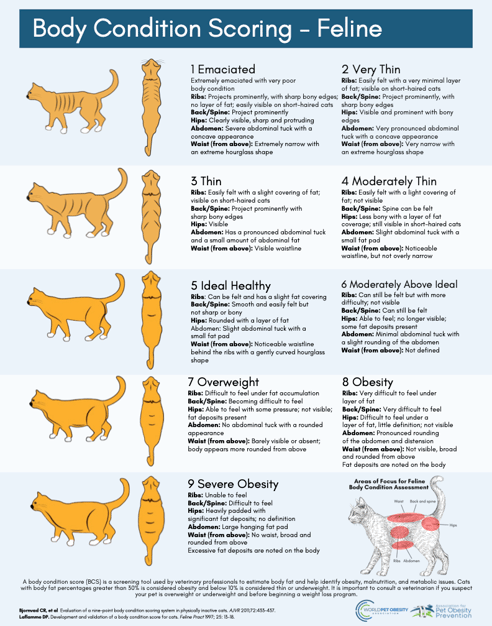
Obesity can create real challenges for your cat’s grooming habits. Excess weight limits flexibility, making it hard for cats to reach certain parts of their bodies. This can lead to patches of matted fur and skin issues if not addressed.
Limited Reach Due To Weight
When a cat carries extra weight, bending and twisting becomes difficult. Areas like the lower back, belly, and hind legs may be out of reach. This means your cat might not groom these spots properly, causing discomfort and hygiene problems.
Have you noticed your cat avoiding certain grooming spots or developing fur mats? That’s often a sign that weight is getting in the way. Helping your cat maintain a healthy weight can improve their ability to clean themselves efficiently.
Encouraging Movement
Helping your cat lose weight starts with encouraging more activity. Play sessions with toys that mimic prey can motivate your cat to move. Short, frequent bursts of exercise work better than long, tiring sessions.
Try interactive toys like feather wands or laser pointers to get your cat moving. Even small changes, like placing food in puzzle feeders or encouraging climbing, can boost activity levels. Increased movement not only helps with weight but also improves grooming ability naturally.
Credit: www.preventivevet.com
Parasites And Grooming
Cats are known for their grooming habits. They spend a lot of time cleaning themselves. But sometimes, they stop grooming. One common reason is parasites. Parasites can make cats uncomfortable. This discomfort affects their grooming routines.
Fleas And Mites
Fleas and mites are common in cats. They cause itching and irritation. Fleas bite the skin, causing allergic reactions. Mites can lead to ear infections. Both can make your cat miserable. This discomfort may stop them from grooming.
How Parasites Affect Grooming Behavior
Parasites cause constant itching. Cats may scratch instead of grooming. They might also avoid grooming painful areas. The discomfort makes grooming less appealing. A cat’s energy focuses on scratching, not cleaning. This can lead to a neglected coat.
When To See A Veterinarian
Knowing when to see a veterinarian is vital if your cat stops grooming. Grooming is a sign of a cat’s well-being and health. Changes in grooming habits may signal health problems that need quick care.
Early vet visits can prevent serious issues. Watch your cat closely for signs that require medical help. Being prepared helps make the visit smooth and stress-free for your cat.
Signs Indicating Medical Attention
- Fur looks matted or dirty for many days
- Skin shows redness, sores, or swelling
- Cat scratches or bites itself often
- Noticeable weight loss or gain
- Cat moves slowly or limps
- Breathing is heavy or fast
- Loss of appetite or vomiting
- Cat hides or acts unusually tired
Preparing For The Vet Visit
- Write down your cat’s symptoms and behavior changes
- Note any changes in eating or litter box use
- Bring a sample of your cat’s stool or urine if possible
- Keep your cat calm and secure in a carrier
- Take a soft towel or blanket for comfort
- Arrive early to fill out any needed forms
- Ask the vet questions about your cat’s grooming and health

Credit: www.latimes.com
Helping Your Cat Groom Better
Helping your cat groom better is essential when you notice they’re not keeping up with their usual self-cleaning habits. Cats rely on grooming not just for cleanliness but also for their overall health. By supporting your feline friend with simple steps, you can improve their grooming routine and boost their comfort.
Regular Brushing Techniques
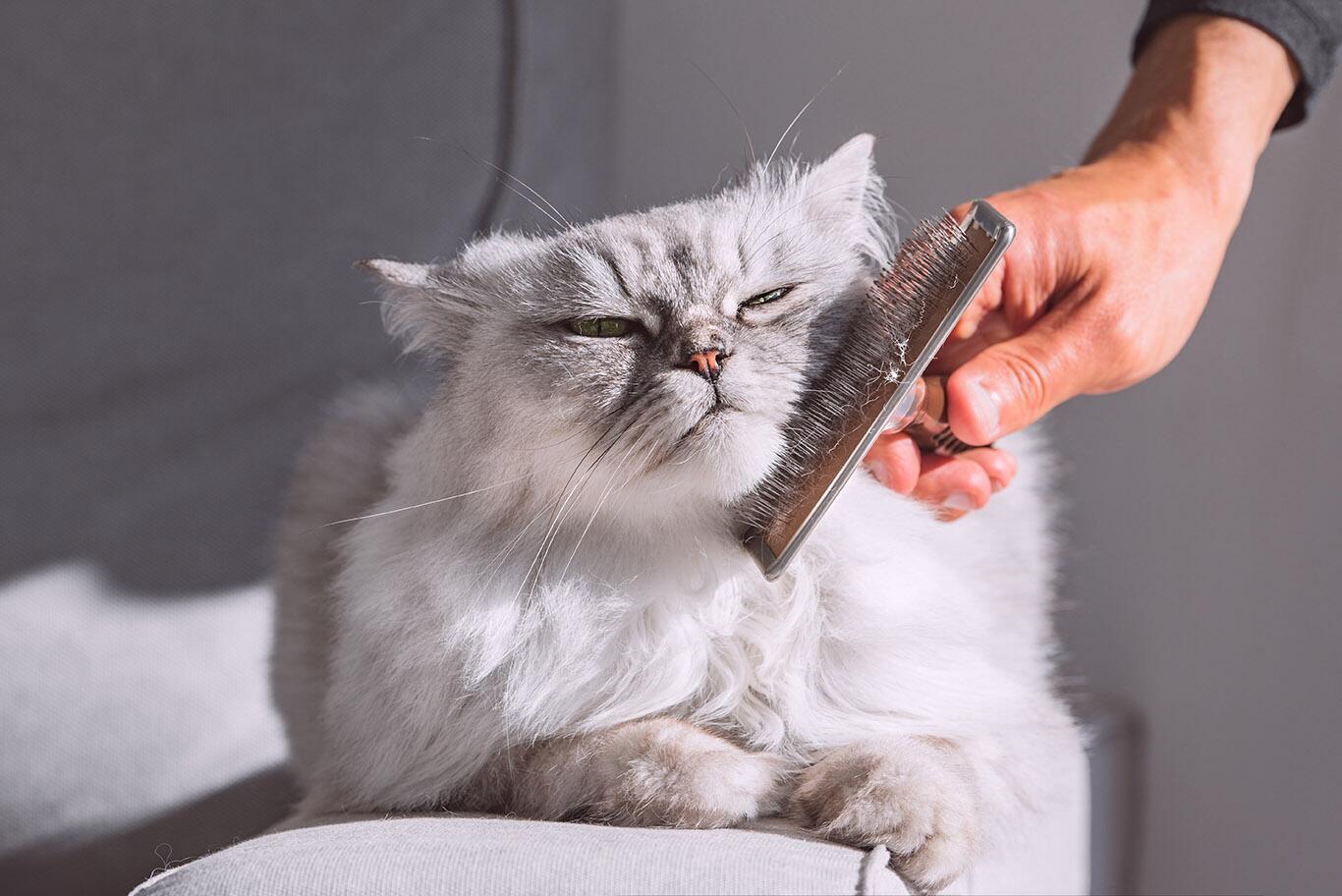
Brushing your cat regularly can make a big difference, especially if they’re struggling to groom themselves. Use a brush suitable for your cat’s fur type—slicker brushes work well for long-haired cats, while rubber brushes are great for short-haired ones.
Try brushing in the direction of hair growth to avoid discomfort. Start slowly and gently to build trust, and reward your cat with treats or praise after each session. How often you brush depends on your cat’s coat, but aim for at least a few times a week.
Creating A Stress-free Environment
Stress can stop cats from grooming. Think about your cat’s surroundings: is it noisy, crowded, or full of other pets that make your cat anxious? Creating a calm space with quiet corners and safe hiding spots can encourage your cat to relax and groom.
Consider adding pheromone diffusers or playing soft music to reduce stress. Have you noticed your cat grooming more after a calm nap spot is introduced? Small changes like these can change their behavior dramatically.
Diet And Hydration Tips
Your cat’s diet affects their skin and coat health, which in turn affects grooming. Make sure your cat eats a balanced diet rich in omega-3 and omega-6 fatty acids to keep their fur shiny and skin healthy.
Hydration is equally important. Cats often don’t drink enough water, which can lead to dry skin. Offering wet food or adding water to dry kibble can help increase their water intake and improve grooming habits.
Frequently Asked Questions
Why Is My Cat Not Grooming Itself Properly?
Cats may stop grooming due to illness, pain, or stress. Dental problems, arthritis, or skin infections can cause discomfort. Behavioral changes or anxiety also impact grooming habits. Consult a vet if your cat suddenly stops grooming to identify and treat underlying issues.
Can Health Problems Cause Poor Cat Grooming?
Yes, health problems like infections, parasites, or obesity can hinder grooming. Pain or discomfort makes self-cleaning difficult. Early diagnosis and treatment improve your cat’s grooming behavior and overall health. Always monitor changes and seek veterinary advice promptly.
How Does Stress Affect A Cat’s Grooming Habits?
Stress can reduce or increase grooming in cats. Stress triggers anxiety, leading to overgrooming or neglecting self-care. Changes in environment, routine, or new pets cause stress. Providing a calm, safe space helps restore normal grooming behavior.
When Should I See A Vet About My Cat’s Grooming?
See a vet if your cat stops grooming suddenly or shows patchy fur. Also seek help if you notice wounds, swelling, or excessive licking. Early intervention prevents worsening conditions and helps maintain your cat’s health and comfort.
Conclusion
Cats may stop grooming due to health or stress reasons. Watch for signs like fur mats or bad smell. Help your cat by keeping it clean and calm. Visit a vet if grooming stops suddenly. Remember, a healthy cat usually grooms itself well.
Taking care of your cat’s needs helps it stay happy. Small changes in behavior tell a lot. Always give your cat plenty of love and attention. This helps maintain its grooming habits naturally.

Leave a Reply