Are you wondering if you can groom your Ragdoll cat at home? Keeping your fluffy friend clean and comfortable is important, but you might be unsure where to start.
Grooming a Ragdoll isn’t as hard as it sounds, and with the right tips, you can make it a calm and enjoyable experience for both of you. You’ll discover easy steps to keep your Ragdoll’s coat shiny and healthy, plus expert advice to avoid common mistakes.
Ready to become your cat’s favorite groomer? Keep reading!
Ragdoll Cat Coat Characteristics
The Ragdoll cat is famous for its beautiful, soft coat. Understanding the coat’s characteristics helps with proper grooming. Their fur is one of the main reasons these cats attract attention. It requires care but is not hard to maintain. Knowing the texture, length, and shedding habits makes grooming easier.
Fur Texture And Length
Ragdoll cats have semi-long fur that feels silky smooth. Their coat is dense but not fluffy like some other breeds. The hair lies flat against the body, giving a sleek look. The texture is soft, which makes petting very pleasant. Unlike some long-haired cats, Ragdolls do not have an undercoat. This reduces matting and tangling. Their fur grows longer around the neck and tail, adding charm.
Shedding Patterns
Ragdolls shed moderately throughout the year. Shedding increases slightly during seasonal changes in spring and fall. Their lack of an undercoat means less fur falls out compared to other long-haired cats. Regular brushing helps remove loose hairs and controls shedding. This keeps the home cleaner and the cat comfortable. A weekly grooming session is usually enough to manage shedding well.
Credit: petdirect.co.nz
Essential Grooming Tools
Grooming a Ragdoll cat needs the right tools. These tools help keep your cat’s fur soft and healthy. They also make grooming easier and more fun for both you and your pet. Choosing the best brushes, combs, and nail clippers is key.
Brush Types
Ragdoll cats have long, silky fur that can tangle easily. A good brush removes loose hair and prevents mats. Use a slicker brush for daily grooming. It has fine wires that gently detangle fur. A bristle brush helps spread natural oils, keeping the coat shiny. For stubborn knots, a pin brush works well. It reaches deeper layers of the fur without hurting your cat.
Combs And Nail Clippers
A wide-tooth comb is useful for checking mats after brushing. It slides through the fur smoothly. Use a fine-tooth comb near the face and ears to remove small debris. Nail clippers designed for cats keep claws neat and safe. Choose clippers with a sharp, curved blade. This design prevents splitting and discomfort. Trim nails every two to three weeks to avoid scratching.
Daily Grooming Routine
Daily grooming is key for a happy Ragdoll cat. Their soft, long fur needs care to stay smooth and healthy. A simple routine keeps their coat shiny and free from tangles. It also helps spot skin problems early. Spending a few minutes each day builds trust and comfort for your cat.
Brushing Techniques
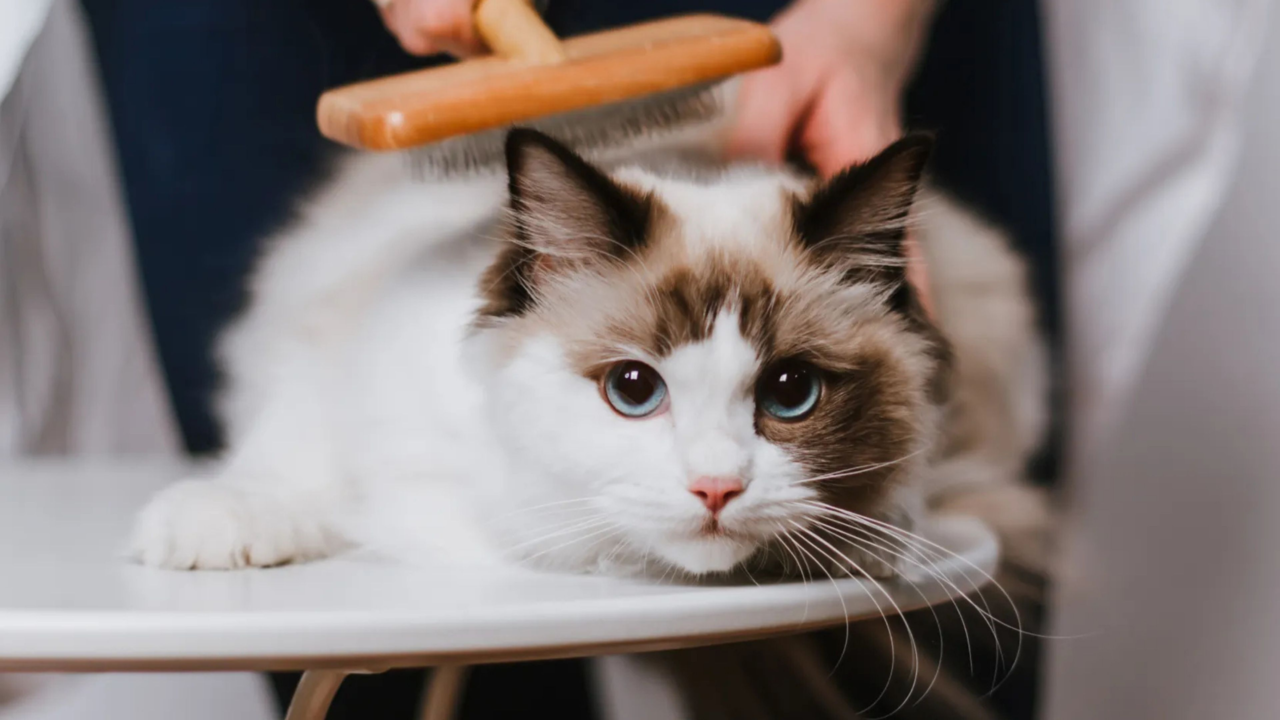
Use a wide-toothed comb or a soft brush. Start brushing gently from the head to the tail. Follow the fur direction to avoid pulling. Focus on areas where tangles often form, like behind the ears and under the legs. Brush daily to remove loose hair and dirt. This also reduces shedding around your home.
Handling Matting
Mats can hurt your cat and trap dirt. Check your Ragdoll’s fur for tight knots every day. If you find mats, try to loosen them gently with your fingers first. Use a dematting comb for stubborn tangles. Never cut mats with scissors to avoid injury. Regular brushing helps prevent mats from forming.
Bathing Tips For Ragdolls
Bathing your Ragdoll cat may seem daunting, but it can be a smooth experience with the right approach. These gentle giants usually don’t require frequent baths, but occasional washing helps keep their silky coats clean and healthy. Understanding the best products and drying methods will make the process easier for both you and your feline friend.
Frequency And Products
Ragdolls don’t need frequent baths because their fur is naturally low in oils and mats less than other long-haired breeds. Bathing every 4 to 6 weeks is usually enough unless your cat gets into something messy.
Choose shampoos designed specifically for cats. Avoid harsh chemicals or human products, which can irritate their sensitive skin. Look for gentle, hypoallergenic formulas that moisturize without stripping natural oils.
Have you noticed how some cats seem to enjoy the water while others hate it? Pay attention to your Ragdoll’s behavior and adjust the frequency accordingly. If your cat tolerates baths well, a bit more regular cleaning might be fine, but always watch for signs of stress.
Drying Methods
Drying your Ragdoll properly is just as important as the bath itself. Their thick fur holds water, so leaving it damp can lead to discomfort or skin issues.
Start by gently towel-drying your cat with a soft, absorbent towel. Avoid rubbing vigorously; instead, press the towel against the fur to soak up moisture. If your cat allows, use a hairdryer on a low, cool setting, keeping it at a safe distance to avoid overheating.
- Brush the fur while drying to prevent tangles.
- Choose a quiet room to reduce stress during drying.
- Consider drying in short bursts if your cat is nervous.
Have you ever tried drying your Ragdoll outside on a warm day? Natural air drying can work, but watch out for cold drafts or dirt that might stick to wet fur. Your cat’s comfort should always come first.
Maintaining Healthy Skin
Healthy skin is key to a happy Ragdoll cat. Their soft fur hides many skin details, so careful care is essential. Skin problems can cause discomfort and lead to more serious issues. Gentle grooming keeps the skin clean and allows early detection of problems.
Regular checks during grooming help maintain skin health. Watch for changes that might need attention. A healthy skin barrier protects against infections and keeps fur shiny. Moisture balance and cleanliness support this barrier.
Detecting Skin Issues
Look for redness, bumps, or scabs on the skin. These signs may mean irritation or infection. Pay attention to areas behind ears, under the legs, and around the tail. These spots often hide skin problems.
Check for excessive scratching or licking. This behavior can signal discomfort or allergies. Notice any hair loss or patches of thinning fur. These might indicate fleas or fungal infections.
Use a soft brush to reveal hidden skin conditions. Grooming sessions are good times to inspect closely. Early detection leads to quicker treatment and less pain.
Preventing Allergies
Allergies can cause itchy and inflamed skin in Ragdolls. Avoid harsh shampoos or products with strong chemicals. Use gentle, hypoallergenic grooming supplies instead.
Keep your cat’s environment clean and dust-free. This reduces the chance of airborne allergens affecting their skin. Wash bedding often and vacuum regularly.
Feed a balanced diet with essential fatty acids. These nutrients support skin health and reduce inflammation. Consult a vet for allergy-friendly food recommendations.
Monitor your cat’s reaction to new foods or products. Stop use if signs of allergies appear. Early prevention helps keep your Ragdoll’s skin calm and healthy.

Credit: www.reddit.com
Diet And Its Impact On Fur
Your ragdoll cat’s diet plays a crucial role in the health and appearance of its fur. What you feed your feline friend can directly affect how shiny, soft, and manageable their coat is. Paying attention to the nutrients and hydration in their diet can make grooming easier and more effective.
Nutrients For Shine
Certain nutrients are essential for a vibrant and healthy coat. Proteins are the building blocks of fur, so high-quality protein sources like chicken, turkey, or fish are important. Omega-3 and omega-6 fatty acids, found in fish oil and flaxseed, help maintain the natural oils that keep fur glossy and reduce shedding.
Vitamins such as Vitamin E and Biotin also support skin health and fur strength. You might notice your ragdoll’s coat looking dull or brittle if their diet lacks these nutrients. Have you checked the ingredient list on your cat’s food lately to see if these are included?
Hydration Importance
Water is often overlooked but is just as important for your cat’s coat. Proper hydration keeps the skin moisturized, preventing dryness and flakiness. Cats naturally have a low thirst drive, so encouraging water intake with fresh bowls or water fountains can make a big difference.
Wet cat food can also contribute to hydration, which in turn supports fur health. If your ragdoll’s skin appears itchy or their fur feels rough, consider whether they are drinking enough. How often do you refresh your cat’s water to keep it appealing?
When To Seek Professional Grooming
Ragdoll cats have long, beautiful fur. Grooming them can be a delightful task. Sometimes, professional help becomes necessary. Understanding when to seek professional grooming can keep your Ragdoll healthy and happy. It’s crucial to recognize the signs that indicate you need expert assistance.
Signs You Need Help
Your Ragdoll’s fur may become matted despite regular brushing. Mats can cause discomfort and even skin problems. If your cat has an unusual odor, it might need a professional bath. Excessive shedding could signal a need for expert grooming. Struggling to trim your cat’s nails? Professionals can safely manage that.
Choosing A Groomer
Selecting the right groomer for your Ragdoll is vital. Look for someone with experience in handling long-haired cats. A good groomer should communicate clearly about the grooming process. Check reviews and ask for recommendations from other cat owners. Visit the grooming facility to ensure it’s clean and safe. A professional groomer will prioritize your cat’s comfort and well-being.
Credit: www.burgesspetcare.com
Frequently Asked Questions
How Often Should You Groom A Ragdoll Cat?
Ragdoll cats require grooming at least twice a week. Regular brushing prevents matting and reduces shedding. It keeps their coat clean and healthy. More frequent grooming may be needed during shedding seasons.
What Tools Are Best For Grooming Ragdoll Cats?
Use a wide-toothed comb and a soft bristle brush. These tools gently remove loose hair without hurting your cat. A slicker brush helps with tangles. Avoid harsh brushes that can irritate their skin.
Can Grooming Reduce Ragdoll Cat Shedding?
Yes, grooming significantly reduces shedding. Brushing removes loose fur before it falls around your home. It also helps maintain a healthy coat. Regular grooming minimizes hairballs and keeps your Ragdoll comfortable.
Is Bathing Necessary For Ragdoll Cats?
Bathing is not often necessary unless your cat is very dirty. Ragdolls groom themselves well. When needed, use a mild cat shampoo. Always dry your cat thoroughly to prevent chills.
Conclusion
Grooming a Ragdoll cat is simple and rewarding. Their soft fur needs regular brushing to stay healthy. This helps avoid mats and reduces shedding around your home. A gentle touch keeps your cat calm and happy. Brushing also builds trust between you and your pet.
Clean ears and trimmed nails add to good care. Small daily efforts make a big difference in your cat’s comfort. Enjoy these moments together—they strengthen your bond and keep your Ragdoll looking great. Regular grooming shows love and keeps your cat feeling its best.




Leave a Reply