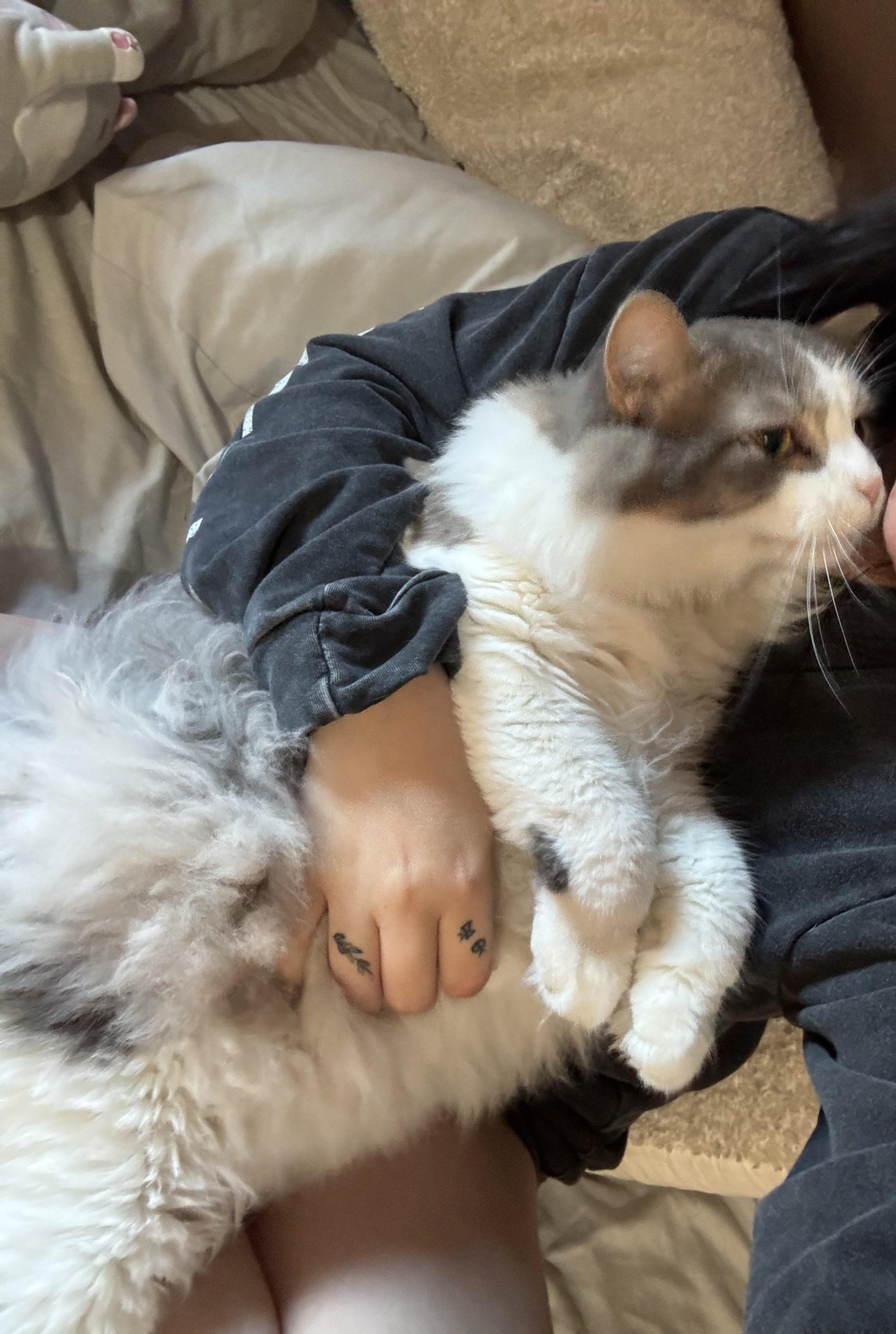
Have you noticed that your cat isn’t grooming herself like she used to? It can be worrying when your furry friend stops cleaning her fur.
Grooming is a natural habit for cats, and when it suddenly stops, it might mean something is wrong. You’re probably wondering why this is happening and what it means for your cat’s health. Keep reading, because understanding the reasons behind this behavior can help you take the right steps to keep your cat happy and healthy.
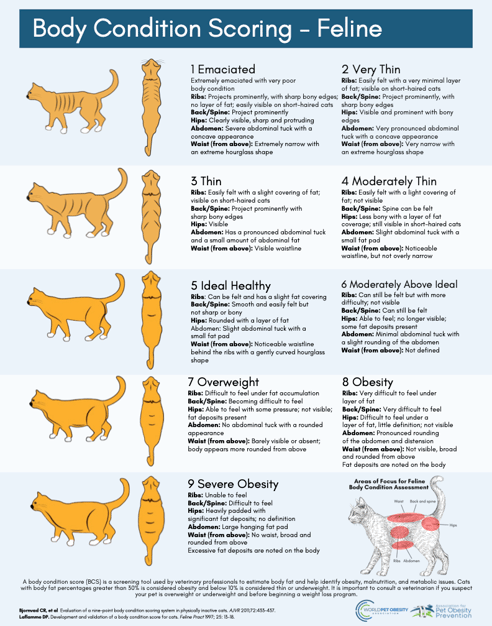
Credit: www.preventivevet.com
Cat Grooming Basics
Understanding why your cat might not be grooming herself starts with knowing the basics of cat grooming. Cats are known for their cleanliness, often spending a significant portion of their day licking their fur. But what happens when your furry friend stops this behavior? Let’s explore the essential aspects of cat grooming.
Normal Grooming Behavior
Cats are meticulous creatures when it comes to grooming. They instinctively clean themselves using their tongue, which acts like a comb to remove dirt and loose hair. This behavior starts at a young age, with kittens learning from their mother.
On average, a healthy cat will spend several hours a day grooming. This ritual not only keeps their coat clean but also helps them relax and stay calm. If your cat isn’t grooming, it could be a sign of something amiss.
Importance Of Grooming For Cats
Grooming is more than just about looking good; it’s crucial for your cat’s health. Regular grooming helps prevent skin infections by removing dirt and oils. It also reduces the chances of hairballs, which can cause digestive issues.
Moreover, grooming allows cats to regulate their body temperature. By spreading natural oils across their fur, they maintain an insulating layer that keeps them warm. If your cat stops grooming, it could affect her health in more ways than one.
Have you noticed any changes in your cat’s grooming habits? This might be the time to pay closer attention. Addressing grooming issues early can prevent potential health problems and keep your feline friend happy and healthy.
Common Grooming Issues
Cats usually groom themselves daily to stay clean and healthy. Grooming keeps their coat shiny and removes dirt or loose fur. Sometimes, cats stop grooming. This can signal a problem that needs attention. Common grooming issues often affect a cat’s ability or desire to groom. Understanding these helps you care for your pet better.
Physical Injuries Or Pain
Injuries can stop cats from grooming properly. Cuts, bruises, or broken bones cause pain. Cats avoid touching sore areas. Arthritis also makes stretching and bending painful. This limits their grooming reach. Watch for limping or swelling. These signs suggest pain that blocks grooming.
Obesity And Mobility Problems
Overweight cats struggle to move well. Extra weight makes bending and turning hard. Grooming becomes difficult or tiring. Cats with obesity may miss spots on their body. Mobility problems, like joint stiffness, worsen this issue. Helping your cat lose weight improves grooming ability.
Dental Issues Affecting Grooming
Dental pain can reduce grooming habits. Mouth sores, gum disease, or tooth pain make cats avoid licking. Grooming needs tongue and mouth movement. Pain leads to less cleaning and a messy coat. Regular dental checks keep your cat comfortable and clean.
Medical Conditions Affecting Grooming
When your cat stops grooming herself, it’s not always just about laziness or mood. Sometimes, underlying medical issues could be the real reason behind this change in behavior. Understanding these health problems can help you spot trouble early and get your furry friend the care she needs.
Skin Allergies And Infections
Your cat’s skin is sensitive, and allergies can make grooming painful or irritating. Allergies might come from food, flea bites, or environmental factors like dust or pollen. If your cat is scratching a lot or has bald patches, she might avoid grooming because it hurts or itches.
Infections, whether bacterial or fungal, can also cause discomfort and discourage grooming. You might notice redness, swelling, or even unpleasant smells. Checking your cat’s skin regularly can alert you to these issues before they get worse.
Arthritis And Joint Problems
Older cats often face arthritis or other joint problems that make bending and twisting to groom difficult. Imagine trying to reach your back with a sore shoulder—it’s painful and frustrating. Your cat might skip grooming certain areas simply because it hurts to reach them.
Signs to watch for include stiffness, limping, or reluctance to jump. If you notice these, a vet visit can help manage the pain and improve your cat’s mobility, encouraging her to groom again.
Neurological Disorders
Neurological problems can disrupt your cat’s coordination and balance, making grooming a challenge. Conditions like nerve damage or brain disorders might cause awkward movements or forgetfulness about self-care. Has your cat seemed clumsy or confused lately?
If grooming suddenly stops and you observe other strange behaviors, it’s time to consult your vet. Early diagnosis can make a big difference in treatment and quality of life.
Emotional And Behavioral Factors
Emotional and behavioral factors can significantly affect your cat’s grooming habits. Unlike physical issues, these are often less obvious but equally important to notice. Understanding your cat’s emotional state can help you identify why she might stop grooming herself and what you can do to support her.
Stress And Anxiety
Stress is a common reason cats neglect grooming. Changes like a new pet, loud noises, or even your altered daily routine can trigger anxiety. Have you noticed your cat hiding or acting restless? These signs often accompany reduced grooming.
Try to create a calm environment for your cat. Soft music, quiet spaces, and consistent routines can ease her anxiety. You might also notice that stress causes over-grooming in some cats, so pay attention to any unusual patterns.
Depression In Cats
Yes, cats can experience depression, and it can lead to a lack of grooming. If your cat seems withdrawn, less playful, or loses interest in food, she might be feeling down. This emotional state often results in a neglected coat and poor hygiene.
Consider your cat’s recent experiences—loss of a companion or lack of interaction can contribute. You can help by spending more quality time with her, offering new toys, or even consulting your vet for guidance on mental health.
Changes In Environment
Moving to a new home or rearranging furniture can unsettle your cat. Cats rely on familiar surroundings to feel safe, and disruption can stop her from grooming. Have you recently changed anything in your home that might stress your cat?
Reintroduce your cat slowly to the new environment. Provide hiding spots and maintain her feeding and sleeping areas. This stability encourages her to resume normal grooming routines.
Age-related Grooming Decline
As cats grow older, their grooming habits often change. Age-related grooming decline is common in senior cats. They may groom less or miss certain areas. This change can affect their coat health and comfort.
Grooming Challenges In Senior Cats
Older cats face many challenges with grooming. Arthritis and joint pain make bending difficult. Their teeth may weaken, causing mouth pain during grooming. Energy levels often drop, reducing grooming time. These problems lead to a less clean and matted coat.
- Stiff joints limit movement
- Dental issues cause discomfort
- Lower energy reduces grooming effort
How Aging Affects Self-care
Aging slows down a cat’s overall self-care ability. Sensory decline reduces their awareness of dirt or mats. Cognitive changes may lead to forgetfulness about grooming. Their skin becomes thinner and less elastic. This makes grooming more painful and less effective.
- Reduced sense of touch and smell
- Memory lapses in grooming routines
- Fragile skin that tears easily

Credit: www.purina.com
When To Seek Veterinary Help
Knowing when to seek veterinary help is vital if your cat stops grooming. Cats usually keep themselves clean. Grooming neglect can signal health or emotional issues. Early action helps prevent serious problems. Watch your cat closely for any changes in behavior or appearance. Veterinary advice ensures proper diagnosis and care.
Signs Of Grooming Neglect
- Mattes or tangled fur that won’t come out
- Strong body odor or greasy coat
- Visible dirt or debris stuck in fur
- Skin redness, sores, or scabs
- Excessive scratching or licking
- Weight loss or lethargy
- Changes in appetite or mood
Diagnostic Steps
The vet will start with a full physical exam. They check skin, coat, and overall health. Blood tests may help find infections or organ problems. Skin scrapings detect parasites or fungal infections. The vet might ask about your cat’s diet and daily habits. They may also recommend allergy testing or X-rays.
Treatment Options
Treatment depends on the cause of grooming neglect. Parasite control often involves medicated shampoos or oral medicine. Skin infections may require antibiotics or antifungal drugs. Pain or arthritis might need pain relief or supplements. Behavior issues can improve with environmental changes or medication. Regular follow-ups help track your cat’s progress.
Supporting Your Cat’s Grooming
Supporting your cat’s grooming helps keep her healthy and happy. Cats might stop grooming due to age, illness, or stress. Helping your cat maintain a clean coat is important. You can use gentle techniques and create a calm space for grooming. Also, good nutrition supports healthy skin and fur.
Regular Brushing Techniques
Brushing removes loose fur and dirt. Use a soft brush suited for your cat’s fur type. Brush in the direction of hair growth. Start with short sessions and increase time slowly. Praise your cat to make grooming pleasant. Check for mats or skin problems during brushing. Regular brushing reduces hairballs and shedding.
Creating A Comfortable Environment
Find a quiet, warm spot for grooming. Avoid loud noises or sudden movements. Let your cat explore the brush before starting. Keep sessions short to prevent stress. Use calm, gentle strokes while brushing. Watch your cat’s body language for signs of discomfort. A relaxed environment helps your cat enjoy grooming.
Diet And Hydration Tips
Good food supports a shiny, healthy coat. Provide balanced meals rich in omega fatty acids. Fresh water is essential for skin hydration. Wet food can increase your cat’s water intake. Avoid sudden diet changes that upset digestion. Healthy skin reduces grooming problems. Consult a vet for specific dietary advice.
)
Credit: www.northroadvet.com.au
Frequently Asked Questions
Why Does My Cat Stop Grooming Suddenly?
Cats may stop grooming due to illness, pain, or stress. It can signal health issues like arthritis or skin problems. Watch for other symptoms and consult a vet if grooming changes persist.
Can Stress Cause A Cat To Stop Grooming?
Yes, stress often leads to grooming neglect in cats. Changes in environment or routine can trigger this behavior. Reducing stress and providing comfort can help restore grooming habits.
Is Lack Of Grooming A Sign Of Cat Illness?
Lack of grooming can indicate illness such as infections, dental issues, or obesity. Sick cats may lack energy to groom properly. Early vet checkups are crucial for diagnosis and treatment.
How Can I Help My Cat Groom Itself Again?
Encourage grooming by keeping your cat comfortable and stress-free. Regular brushing can stimulate grooming instincts. If grooming issues continue, seek veterinary advice to rule out health problems.
Conclusion
Cats may stop grooming due to illness, stress, or pain. Watch your cat closely for changes in behavior or fur condition. Regular vet visits help catch problems early. Gentle brushing can support your cat’s grooming needs. Understanding why your cat avoids grooming helps keep them healthy.
Stay patient and caring to make your cat comfortable. Small steps improve your cat’s well-being every day. Your attention makes a big difference in their life.

Leave a Reply