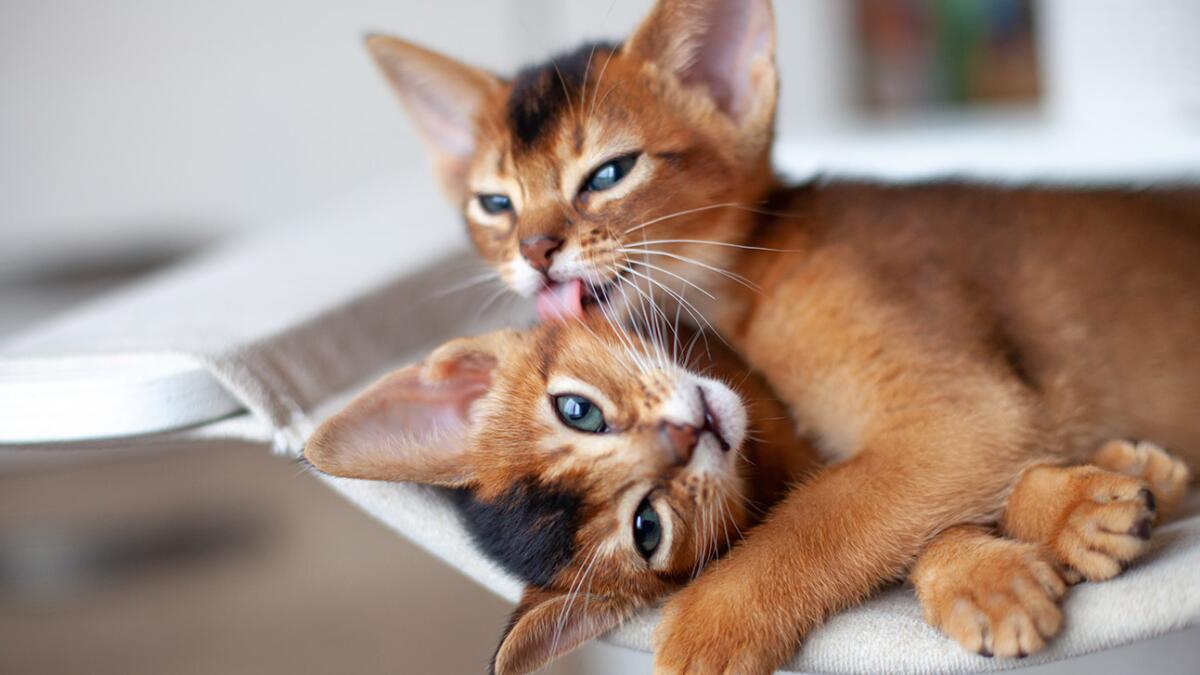
Are you thinking about adding a new feline friend to your home? Choosing the right cat breeds to live together can make all the difference in creating a peaceful and happy environment.
You want your cats to get along, play, and relax without constant stress or fights. But how do you know which breeds are the best match? You’ll discover which cat breeds tend to form strong bonds and why some combinations work better than others.
Keep reading to find the perfect pair (or group) that will bring harmony and joy to your household.
:format(jpeg):quality(75))
Credit: manypets.com
Choosing Compatible Cat Breeds
Choosing compatible cat breeds is key to a happy multi-cat home. Cats have different needs and personalities. Matching these traits helps avoid conflicts and stress. Understanding what makes cats get along improves their bond. Consider personality, energy, and social needs for the best pairing.
Personality Traits To Consider
Some cats are shy and gentle, while others are bold and curious. Calm cats often prefer quiet companions. Playful breeds enjoy active, fun-loving friends. Dominant cats may not accept other strong-willed cats easily. Look for breeds with similar or complementary temperaments. This helps them feel safe and relaxed together.
Energy Levels And Play Styles
Cats vary in energy from laid-back to very active. Active breeds love chasing toys and climbing. Low-energy cats prefer lounging and short play bursts. Matching energy levels prevents frustration and boredom. Play styles also matter. Some cats like rough play, others gentle interactions. Balanced play keeps both cats happy and healthy.
Social Needs And Independence
Some cats crave constant attention and company. Others enjoy alone time and space. Social breeds benefit from having a feline friend nearby. Independent cats may prefer to be the only pet. Mixing social and independent cats requires patience and time. Respect each cat’s social style for a peaceful home.
Best Cat Breed Pairings
Choosing the right cat breeds to live together can make a huge difference in your home’s harmony. Some breeds naturally complement each other’s personalities and energy levels. This can lead to less conflict and more companionship between your furry friends.
Siamese And Burmese
Siamese cats are known for their vocal and social nature. They love interaction and often seek attention from their owners.
Burmese cats share this affectionate trait but tend to be a bit more laid-back. Together, these two breeds can keep each other engaged without overwhelming one another.
If you want lively conversations and playful moments, this pairing is a great choice. Have you noticed how some cats seem to “talk” to each other? This duo often does just that.
Ragdoll And Maine Coon
Ragdolls are calm and gentle, often described as “dog-like” in their loyalty. Maine Coons are friendly giants, known for their easygoing and social behavior.
Both breeds enjoy a relaxed lifestyle but are also playful. This balance helps them coexist smoothly, making your home feel peaceful yet lively.
Think about how these two breeds can share quiet cuddle times and bursts of fun without stepping on each other’s paws.
Scottish Fold And British Shorthair
Scottish Folds have a sweet, mellow temperament and adapt well to different environments. British Shorthairs are calm, dignified, and enjoy a routine.
Pairing these breeds often results in a tranquil household where both cats respect each other’s space. Their similar energy levels reduce stress and competition.
Could this calm and steady pairing be the key if you want cats that simply get along without drama?
Pairings To Avoid
Some cat breeds may not get along well due to different energy levels or temperaments. Avoid pairing highly active cats with very calm ones to prevent stress. Choosing breeds with similar personalities helps create a peaceful home environment.
Pairing the right cat breeds can lead to a harmonious household where your feline friends thrive. However, some combinations might not work as well as others. Understanding which pairings to avoid can save you and your pets from unnecessary stress. Let’s explore the types of cat breeds that might not gel well together.Highly Territorial Breeds
Some cats are naturally more territorial than others. Breeds like the Siamese or the Bengal can be particularly possessive of their space. Introducing another cat into their territory can lead to constant marking, hissing, and even fighting. If you already have a territorial cat, it’s essential to consider breeds that are more laid-back and less likely to challenge their space.Breeds With Clashing Energy Levels
Imagine a highly energetic Abyssinian trying to coax a lazy British Shorthair into play. The result? Frustration on both sides. Cats with mismatched energy levels can cause a lot of tension, as the more active cat might become bored or even agitated, while the calmer cat could feel overwhelmed. It’s crucial to match cats with similar energy levels to ensure they can enjoy activities together without stress.Aggressive Or Shy Temperaments
Cats with aggressive tendencies can intimidate or even harm those with shy and timid personalities. A confident and sometimes assertive breed like the Maine Coon might not be the best match for a more reserved breed like the Ragdoll. If you have a cat that is either very bold or very shy, consider adopting a breed with a temperament that complements rather than contrasts. Have you ever witnessed a mismatched cat duo that just couldn’t get along? How did you address the situation? Share your experiences in the comments below!Introducing New Cats Successfully
Introducing new cats to your home can be tricky. Cats are territorial animals. They need time to adjust to new companions. A smooth introduction helps reduce stress for all cats involved. Careful planning and patience are key to success.
Preparation Before Introduction
Prepare a separate space for the new cat. This room should have food, water, litter box, and bedding. Keep the new cat isolated for a few days. This allows both cats to get used to each other’s scent. Swap bedding or toys between cats to help with scent familiarization. Make sure both cats are healthy and vaccinated before meeting.
Step-by-step Introduction Process
- Start with short, supervised visits through a barrier like a baby gate.
- Observe body language for signs of stress or aggression.
- Allow brief face-to-face meetings in a neutral room.
- Gradually increase time spent together if they remain calm.
- Feed cats on opposite sides of the door to create positive associations.
- Use treats and playtime to build trust and reduce tension.
Managing Conflicts And Stress
Expect some hissing or growling at first. Do not punish cats for natural reactions. Separate them if fights occur. Provide many hiding spots and vertical spaces. This helps cats feel safe and control their environment. Use calming aids like pheromone diffusers if needed. Monitor their behavior daily and adjust introduction pace accordingly.
Tips For Maintaining Harmony
Keeping peace between different cat breeds under one roof can be tricky but definitely doable. You need to create an environment where each cat feels safe and respected. Small changes in how you manage their space and interactions can make a huge difference in their daily harmony.
Providing Separate Resources
Each cat needs its own set of essentials—food bowls, water dishes, litter boxes, and resting spots. Crowding these resources causes stress and competition, which can lead to fights or anxiety.
Place these resources in different areas of your home to prevent any one cat from feeling cornered or dominated. You might notice your shy cat avoids the food bowl if it’s too close to a more dominant feline. Have you observed any resource guarding in your cats? Adjusting their space might be the fix.
Encouraging Positive Interactions
Encourage your cats to spend time together doing activities they enjoy. Play sessions with interactive toys, like feather wands or laser pointers, can help them bond through shared fun.
Reward calm and friendly behavior with treats or gentle petting. This helps your cats associate positive feelings with each other’s presence. Think about how your cats react during play—do they chase or avoid each other? Tailoring playtime can boost their relationship.
Regular Health And Behavior Checks
Regular vet visits keep each cat healthy and reduce irritability caused by pain or illness. Sometimes, behavioral issues stem from health problems you might not spot immediately.
Watch for changes in behavior like hiding, aggression, or loss of appetite, and address them quickly. Are your cats acting differently lately? Early checks can prevent small issues from turning into big conflicts.

Credit: www.rd.com
:quality(75))
Credit: manypets.com
Frequently Asked Questions
Which Cat Breeds Are Most Sociable Together?
Breeds like Ragdolls, Maine Coons, and Siamese cats are very sociable. They enjoy company and adapt well to other cats, making them ideal for multi-cat homes.
Can Two Dominant Cat Breeds Live Peacefully?
Two dominant breeds, such as Bengals and Persians, may face challenges. Proper introductions and space are essential to help them coexist peacefully over time.
Are Playful Cat Breeds Compatible With Calm Ones?
Playful breeds like Abyssinians can match well with calm breeds like British Shorthairs. Their different energy levels often balance each other, promoting harmony.
How To Introduce Different Cat Breeds To Each Other?
Introduce cats gradually, using scent swapping and controlled meetings. This reduces stress and helps build positive associations between different breeds.
Conclusion
Choosing cat breeds that get along can make your home peaceful. Some cats enjoy company, while others like quiet. Watch their behavior to see who fits best. Give each cat space to feel safe and calm. Patience helps cats build trust and friendship.
Happy cats mean happy owners and a warm home. Mixing the right breeds brings joy and less stress. Remember, every cat is unique and special in its own way.



Leave a Reply