Have you ever noticed one cat grooming another while the favor isn’t returned? It might seem strange at first.
Why does only one cat take the time to clean and care for the other? Understanding this behavior can reveal a lot about your cats’ relationship and feelings. If you want to know what this means for your furry friends and how it affects their bond, keep reading.
You’ll discover surprising reasons behind this unique grooming habit that can change the way you see your cats forever.

Credit: www.companionanimalpsychology.com
Cat Grooming Behavior
Cat grooming behavior is more than just a way to keep clean. It’s a social activity that helps build bonds between cats. You might have noticed that sometimes only one cat grooms the other, which can seem a bit puzzling at first.
What Is Allogrooming
Allogrooming is when one cat grooms another. This behavior goes beyond hygiene; it’s a way cats show affection and trust. When your cat licks or nibbles on another, it’s a sign they feel comfortable and safe together.
This behavior can also reduce stress and tension between cats. You might see it after a play session or during quiet moments. It’s their way of saying, “You’re part of my group.”
Common Grooming Patterns
Have you noticed that grooming often happens in certain places? Cats usually focus on hard-to-reach areas like the head, neck, and ears. These spots are difficult for a cat to groom themselves, so having a friend help out is a big plus.
Sometimes, the grooming is one-sided because one cat prefers to give comfort while the other receives it. This can depend on personality, age, or social rank. For example, an older cat might groom a younger one to teach or calm them.
Do you think your cat chooses who to groom based on friendship or simply because one needs more help staying clean? Watch closely next time your cats interact—you might spot these subtle social cues in action.
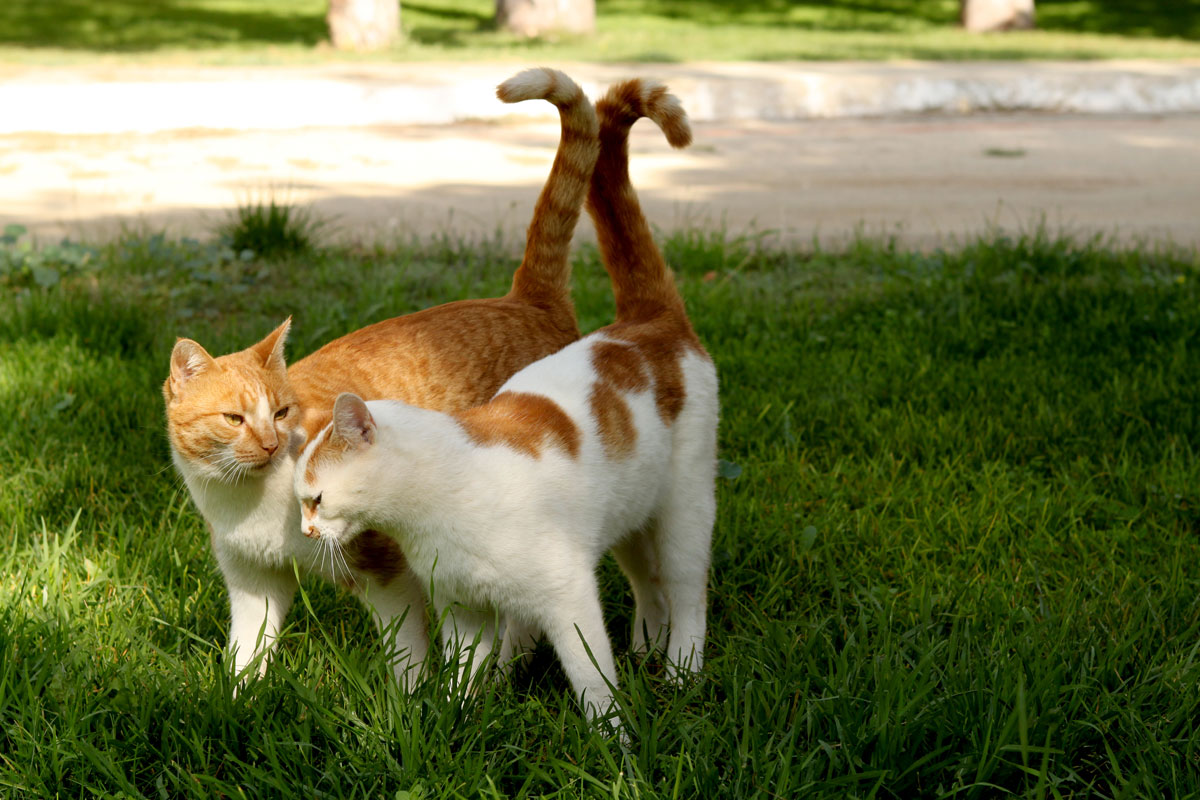
Credit: www.companionanimalpsychology.com
Social Bonds Between Cats
Cats use grooming to create and maintain social bonds. This behavior shows their relationships and feelings. Grooming each other helps cats feel safe and close. It is more than just cleaning fur; it builds connections. Often, only one cat grooms the other. This act has deeper meanings tied to how cats interact.
Hierarchy And Dominance
One cat grooming another often reflects a social rank. The cat doing the grooming usually has a higher status. This action can show control or leadership within the group. The groomed cat accepts this behavior, showing respect or submission. Grooming helps keep peace by reinforcing roles. It stops fights by making roles clear and accepted.
Building Trust And Affection
Grooming also strengthens trust between cats. The cat receiving grooming feels cared for and safe. This act shows friendship and love in cat language. It helps cats relax and lowers stress levels. Grooming bonds cats, making them feel like part of a family. Trust grows as grooming happens more often and gently.
Reasons For One-sided Grooming
One cat may groom the other to show affection or establish social bonds. Sometimes, one cat is more dominant and takes the lead in grooming. Grooming can also help reduce stress and comfort the other cat.
Cats often engage in mutual grooming, a behavior known as allogrooming. Sometimes, though, grooming becomes one-sided. This can happen for several reasons. Understanding these reasons can help cat owners provide better care. Let’s explore some common causes for one-sided grooming.Health And Age Factors
Older cats may not groom due to arthritis or limited movement. Younger or healthier cats might then take over grooming duties. Illness or pain can also reduce a cat’s interest in grooming. A cat may groom its partner to compensate for this lack.Personality Differences
Cats have unique personalities. Some are more nurturing and willing to groom others. Others prefer to be the center of attention. This can lead to one cat always grooming the other. Dominant cats may also expect to be groomed more often.Stress And Anxiety Effects
Cats can feel stress and anxiety just like humans. These emotions might make a cat less likely to groom. The more relaxed cat may step in to comfort its friend. Changes in environment or routine can increase stress levels in cats.Benefits Of Grooming For Cats
Grooming between cats is more than just a way to keep clean. It offers a range of benefits that support their health and well-being. Understanding these benefits can help you appreciate why one cat might take the lead in grooming the other.
Physical Hygiene
Grooming removes dirt, loose fur, and parasites from your cat’s coat. Cats can’t always reach every spot on their own, especially hard-to-reach areas like the back of the neck or behind the ears.
When one cat grooms another, it helps maintain cleanliness in these tricky spots. This reduces the chance of skin infections and keeps the coat shiny and healthy.
Emotional Comfort
Grooming is also a powerful way cats bond and show trust. Have you noticed how calm your cat looks when another cat licks them? This behavior releases calming hormones that reduce stress.
It’s like a gentle reminder that they are safe and cared for. Next time you see one cat grooming another, think of it as a furry hug that boosts their emotional health.
How To Encourage Mutual Grooming
Encouraging mutual grooming between your cats can deepen their bond and reduce tension. It’s about creating the right setting and encouraging friendly, gentle interactions. You might be surprised how small changes in their environment and your approach can spark this positive behavior.
Creating A Calm Environment
Your cats need to feel safe and relaxed to groom each other. Loud noises or sudden movements can make them anxious, blocking any urge to connect. Try playing soft music or using a pheromone diffuser to create a soothing atmosphere.
Arrange cozy spots where both cats can rest close together without feeling crowded. This encourages them to be near each other naturally. Have you noticed if your cats avoid certain areas? Adjust those spaces to be more inviting.
Promoting Positive Interactions
Encourage your cats to spend quality time together with shared play sessions using interactive toys. This builds trust and comfort, making grooming more likely. Reward calm behavior around each other with treats or gentle petting to reinforce the bond.
If one cat tends to dominate, gently redirect their attention during grooming attempts to keep things balanced. Sometimes, brushing both cats yourself in the same room can model grooming behavior they might copy. Have you tried joining them in their grooming routine?
When To Worry About Grooming Behavior
Not all grooming between cats is a sign of harmony. Sometimes, one cat grooming another can be a red flag indicating underlying issues. Knowing when to worry about grooming behavior helps you protect your cats’ well-being and maintain peace in your home.
Signs Of Aggression Or Avoidance
Watch closely if grooming turns one-sided and tense. Signs like hissing, growling, or swatting during grooming are clear signals something is wrong.
If the groomed cat tries to escape or hides afterward, it might be avoiding the interaction. Grooming should be a bonding activity, not a source of stress.
You might notice excessive licking that leads to hair loss or skin irritation. This can suggest anxiety or dominance struggles rather than affection.
Consulting A Veterinarian
If you see any troubling signs, don’t hesitate to seek professional advice. A veterinarian can check for skin problems, parasites, or pain that might cause changes in grooming behavior.
Sometimes, underlying health issues make a cat less willing to groom or be groomed. Early vet visits can prevent bigger problems later on.
Veterinarians can also guide you on managing behavioral issues or suggest a cat behaviorist. Getting expert help ensures your cats stay happy and healthy.

Credit: www.catsessentials.com
Frequently Asked Questions
Why Does Only One Cat Groom The Other?
One cat grooming another shows social bonding and trust. Usually, the dominant or more affectionate cat grooms the other to strengthen their relationship and maintain group harmony.
Is One-sided Grooming Common In Cats?
Yes, one-sided grooming is common. It often reflects social hierarchy, where the dominant cat grooms the subordinate to reinforce bonds and reduce tension.
Does One Cat Grooming Another Mean Dominance?
Sometimes, yes. Grooming can signal dominance, but it also expresses care, comfort, and social connection between cats in the same group.
Can One Cat Refuse Grooming From Another?
Yes, cats may refuse grooming if they feel stressed or uncomfortable. Refusal helps maintain personal boundaries and indicates the need for space.
Conclusion
Cats groom each other to build trust and show care. One cat may groom more because it feels closer or more confident. Grooming also helps keep their fur clean and free of bugs. This behavior strengthens their bond and keeps them calm.
Watching cats groom can teach us about their feelings and friendship. It’s a simple, natural way cats connect. Understanding this helps pet owners care better for their furry friends. Caring cats make happy cats.



Leave a Reply