Wondering how much dry cat food your adult cat should eat every day? You’re not alone.
Feeding your cat the right amount is key to keeping them healthy and happy. Too little, and they might feel hungry or lack energy. Too much, and you risk weight problems that can lead to serious health issues. You’ll discover simple, clear guidelines to help you get your cat’s daily dry food portion just right.
Keep reading—you’ll learn easy tips that make feeding time stress-free for both you and your furry friend.
Daily Calorie Needs
Understanding your adult cat’s daily calorie needs is key to keeping them healthy and happy. Just like people, cats require the right amount of energy each day to maintain their weight and support their activities. Providing too many or too few calories can lead to health problems, so knowing what your cat really needs helps you feed them just right.
Factors Affecting Calorie Requirements
Several things influence how many calories your cat needs each day. Age is important; younger adult cats often burn more calories than older ones. Activity level also plays a big role—an active outdoor cat will need more energy than a mostly indoor, sedentary cat.
Body size and weight matter too. A larger cat naturally requires more calories, but if your cat is overweight, cutting calories carefully is necessary. Health conditions like thyroid problems or diabetes can change calorie needs as well, so always consider your cat’s overall health.
Calculating Your Cat’s Calorie Intake
Calculating the right calorie intake starts with knowing your cat’s ideal weight. A good rule of thumb is to provide about 20 calories per pound of body weight daily for a moderately active adult cat.
| Cat Weight (lbs) | Daily Calories Needed |
|---|---|
| 8 | 160 calories |
| 10 | 200 calories |
| 12 | 240 calories |
Check the calorie content on your cat food package to figure out how much to feed. For instance, if your dry cat food has 400 calories per cup and your cat needs 200 calories daily, you’d feed half a cup per day.
Do you monitor your cat’s weight regularly? Adjusting the food amount based on weight changes is crucial. If your cat gains or loses weight, tweak the calories accordingly to keep them in their ideal range.
Measuring Dry Cat Food
Measuring dry cat food accurately is essential to keep your adult cat healthy and happy. Overfeeding can lead to unwanted weight gain, while underfeeding may cause nutritional deficiencies. By understanding how to measure the right amount, you can ensure your cat enjoys balanced meals every day.
Understanding Feeding Guidelines On Packaging
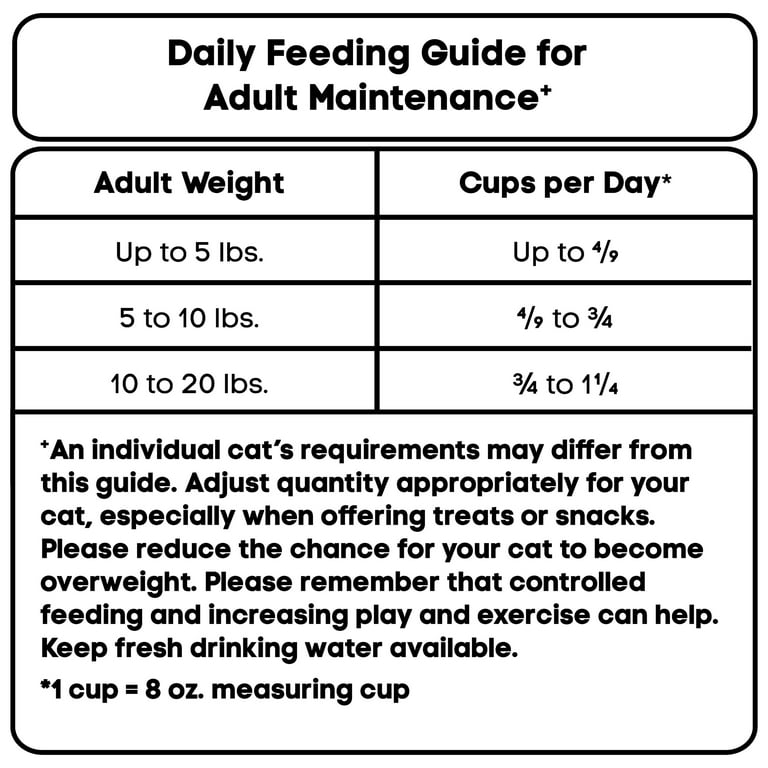
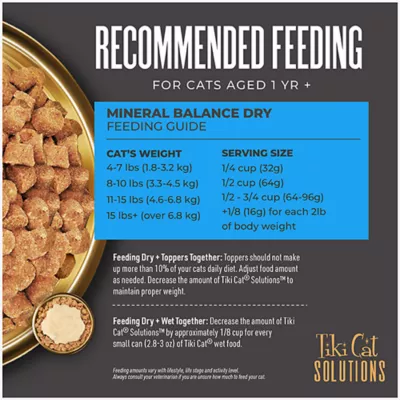
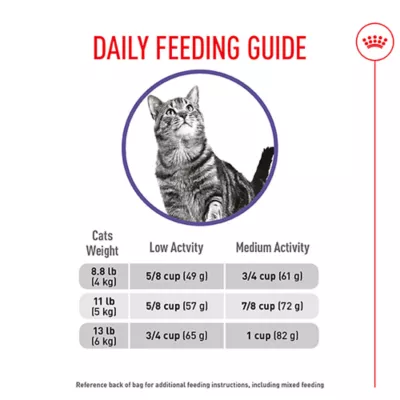
Most dry cat food packages include feeding guidelines based on your cat’s weight. These instructions offer a starting point, but they don’t consider your cat’s activity level or metabolism. Always check the label and adjust portions if your cat is very active or tends to be less energetic.
Feeding charts usually display daily amounts in grams or cups. Since cup sizes can vary, using a kitchen scale can help you measure food more precisely. Have you noticed your cat’s weight changing despite following the package guidelines? That’s a sign you might need to tweak the portion size.
Converting Calories To Food Quantity
Every cat needs a certain amount of calories daily to maintain their weight. You can find the calorie content on the food label, often listed as kcal per cup or per 100 grams. Knowing this helps you convert calorie needs into the exact food quantity.
For example, if your cat requires 250 kcal per day and the food provides 400 kcal per cup, you should feed a bit less than two-thirds of a cup. Using a simple calculation like this makes feeding more accurate than just eyeballing the amount. How often do you check the calorie content of your cat’s food before serving?
Cat’s Age And Activity Level
Adult cats with higher activity levels need more dry food to maintain energy. Older or less active cats require smaller portions to avoid weight gain. Adjust feeding amounts based on your cat’s daily movement and age.
A cat’s age and activity level play a crucial role in determining how much dry food they need daily. Just like humans, cats have different energy requirements based on their age and how active they are. Understanding these factors can help ensure your furry friend stays healthy and happy.Adjusting Portions For Active Cats
If your cat is a bundle of energy, darting around the house or playing with toys for hours, they might require more calories. Active cats burn more energy, and their food portions should reflect that. Consider adding a bit more dry food to their daily servings to meet their increased caloric needs. It’s essential to monitor your cat’s weight and health regularly. If you notice your cat gaining weight despite being active, it might be time to reassess their portion sizes. Remember, more activity doesn’t always mean they need significantly more food.Feeding Senior Cats
As cats age, their metabolism slows down, and they may become less active. Older cats generally require fewer calories, and their portion sizes should be adjusted accordingly. Feeding your senior cat the same amount as when they were younger could lead to weight gain and related health issues. Consider choosing a dry food formula specifically designed for senior cats. These often have the right balance of nutrients to support aging joints and overall health. Keep an eye on your senior cat’s weight and adjust their food intake as needed to maintain a healthy weight. Have you ever noticed a difference in your cat’s energy levels as they age? Adjusting their diet to match their changing needs can make a significant difference in their quality of life.Weight Management Tips
Managing your cat’s weight is key to keeping them healthy and happy. Feeding the right amount of dry cat food daily helps avoid problems like obesity or malnutrition. Let’s look at some practical tips to keep your adult cat’s weight in check.
Preventing Overfeeding
Overfeeding is a common issue, especially if your cat begs for extra treats or meals. Measure their food carefully using a standard cup or scale instead of guessing portions.
Try feeding smaller meals multiple times a day rather than leaving food out all the time. This controls calorie intake and keeps your cat interested in their food.
Remember, treats should make up no more than 10% of your cat’s daily calories. Have you ever noticed how easy it is to give in to those big, pleading eyes? Resist the urge and stick to planned portions.
Recognizing Signs Of Weight Gain Or Loss
How can you tell if your cat’s weight is off balance? Regularly check their body condition by feeling their ribs and looking at their waistline.
If you can’t easily feel their ribs or if their belly hangs low, your cat might be gaining too much weight. Conversely, if ribs are overly visible and your cat seems less energetic, they may be losing weight.
Keep a simple weight log at home. Weigh your cat every few weeks and note any changes. This helps catch trends early before they turn into health issues.
Feeding Schedule And Routine
Establishing a proper feeding schedule and routine is key for your adult cat’s health. A steady routine helps control portion sizes and prevents overeating. It also supports digestion and keeps your cat comfortable.
Meal Frequency Options
Adult cats usually eat two to three meals each day. Some owners prefer free feeding, leaving dry food out all day. Others choose set meal times for better portion control.
- Two meals daily: morning and evening, spaced about 12 hours apart.
- Three smaller meals: morning, afternoon, and evening for steadier energy.
- Free feeding: food available all day, but harder to monitor intake.
Choose a plan that fits your cat’s lifestyle and eating habits.
Benefits Of Consistent Feeding Times
Feeding your cat at the same times every day builds a strong routine. Cats thrive on predictability and feel more secure with regular meals.
- Improves digestion by regulating stomach activity.
- Reduces begging and anxiety around meal times.
- Makes it easier to spot changes in appetite or health.
- Helps maintain a healthy weight by controlling portions.
Consistency also strengthens the bond between you and your cat. Your cat will learn to expect meals, reducing stress and improving behavior.
Credit: www.petsmart.com
Choosing Quality Dry Cat Food
Choosing the right dry cat food is more than just picking a brand off the shelf. The quality of the food directly impacts your cat’s health, energy, and happiness. You want to make sure your feline friend gets the nutrition they need without any harmful extras that could cause problems down the line.
Key Ingredients To Look For
High-quality protein should be the star of the ingredient list. Look for named meat sources like chicken, turkey, or salmon as the first ingredient. Your cat needs protein to maintain muscle and support overall health.
Besides protein, essential fatty acids such as omega-3 and omega-6 help keep your cat’s coat shiny and skin healthy. Ingredients like fish oil or flaxseed are great sources. Also, whole grains or vegetables provide fiber and important vitamins.
Think about your cat’s specific needs. For example, if your cat has sensitive digestion, foods with added probiotics can be a big help. Have you noticed your cat’s energy level or coat condition changing? That can be a clue to switch up their diet.
Avoiding Harmful Additives
Many dry cat foods contain fillers and artificial ingredients that offer little nutritional value. Avoid foods with corn, wheat, and soy as primary ingredients—they can cause allergies or digestive issues.
Artificial colors, flavors, and preservatives like BHA and BHT are also red flags. These additives might seem harmless but can lead to long-term health concerns. You want your cat’s food to be as natural as possible.
Check the label carefully. If you see a long list of unrecognizable chemicals, it’s best to skip that product. Your cat deserves food that supports their health, not one loaded with unnecessary extras.
Common Feeding Mistakes
Feeding your adult cat the right amount of dry food daily can be tricky, especially when common mistakes sneak in. These errors can lead to overfeeding, underfeeding, or unbalanced nutrition, affecting your cat’s health and happiness. Let’s look at some typical feeding pitfalls and how to avoid them.
Over-reliance On Treats
Treats are a great way to bond with your cat, but relying on them too much can disrupt their diet. Many cat owners don’t realize that treats often add extra calories that aren’t accounted for in the daily food portion. This can easily push your cat into overeating without you noticing.
Think about how many treats you give in a day. Are they included in your cat’s total calorie intake? If not, your cat might gain weight or develop digestive issues. Try limiting treats to no more than 10% of your cat’s daily calories and choose healthy options.
Ignoring Individual Cat Needs
Each cat is unique, and their feeding needs vary based on age, activity level, and health. A one-size-fits-all approach to dry food portions often leads to mistakes. For example, a lazy indoor cat needs fewer calories than an active outdoor cat.
Ask yourself: Does your cat’s food amount match their lifestyle? Adjust portions based on weight changes or energy levels. Consulting your vet can help tailor the feeding plan specifically for your cat’s needs.
Credit: www.petsmart.com
Credit: www.purina.com
Frequently Asked Questions
How Much Dry Cat Food Should An Adult Cat Eat Daily?
An adult cat typically needs 1/4 to 1/3 cup of dry food daily. This depends on weight, age, and activity. Always check your cat’s specific food packaging for exact portions.
Does Cat Weight Affect Dry Food Quantity?
Yes, heavier cats require more calories and food. Adjust the portion based on your cat’s ideal weight. Consult your vet for personalized feeding advice.
Can Feeding Too Much Dry Food Harm Cats?
Overfeeding dry food can cause obesity and health issues. Stick to recommended portions and monitor your cat’s weight regularly for a healthy balance.
Should I Feed Dry Food All Day Or In Meals?
It’s best to feed dry food in measured meals twice daily. Free-feeding can lead to overeating and weight gain in adult cats.
Conclusion
Feeding your adult cat the right amount of dry food keeps them healthy. Watch their weight and adjust food as needed. Each cat is different, so observe their energy and body condition. Fresh water must always be available. Consult a vet for personalized advice.
Feeding well supports a happy, active cat every day. Simple steps make a big difference in your cat’s health.



Leave a Reply