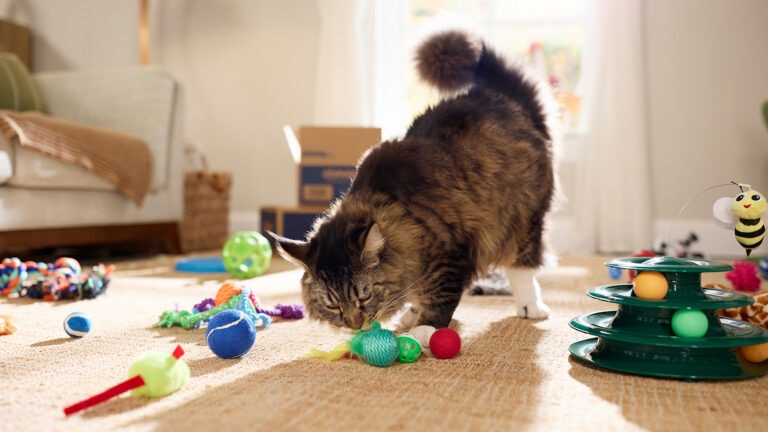
Have you ever found your cat’s favorite toys wet and wondered, “Why does my cat wet his toys?” It can be confusing and even a little gross. But there’s more to this behavior than just a messy habit.
Understanding why your cat does this can help you keep your furry friend happy and healthy. You’ll discover the surprising reasons behind this odd behavior and what it means for your cat’s well-being. Keep reading—you might just learn something new about your pet that changes how you care for him.
Cat Behavior Basics
Cats have unique ways of showing their feelings and instincts. Understanding basic cat behavior helps explain why your cat wets his toys. This action might seem strange but often connects to natural habits. Cats use playtime to practice skills and express emotions.
Common Play Habits
Cats play to hunt, explore, and stay active. They often bite, pounce, and chase toys. Some cats carry toys in their mouth like prey. Others scratch or bat toys with paws.
Play helps cats release energy and reduce stress. They may also knead or lick toys during play. These habits come from their wild ancestors and natural instincts.
How Cats Interact With Toys
Cats use toys as if they were real animals. Carrying toys in their mouth is a common way to “capture” prey. Wetting toys can happen if cats lick or chew on them.
Saliva on toys may mark them as part of the cat’s territory. It also helps soften the toy for easier biting. Some cats show affection by grooming toys like they do with other cats.

Credit: www.reddit.com
Reasons Cats Wet Their Toys
Cats have unique ways of interacting with their environment, and one curious behavior you might notice is your cat wetting their toys. This action might seem odd or even annoying, but it actually reveals a lot about your cat’s instincts and communication methods. Understanding why cats wet their toys can help you better connect with your feline friend and provide toys that satisfy their natural needs.
Marking Territory
Cats have scent glands around their mouths, and when they wet their toys, they are often marking their territory. This behavior is a way of claiming ownership over the toy, signaling to other pets that this is their special item.
Next time you see your cat licking or biting a toy, remember it’s more than play—it’s a form of communication. Have you noticed your cat guarding certain toys more than others? That’s a sign they’ve marked it as theirs.
Scent Mixing
When cats wet their toys, they sometimes mix their saliva scent with the toy’s smell to create a familiar and comforting scent. This helps reduce anxiety and makes the toy feel like an extension of their safe space.
Think about how your cat reacts to new toys. If they lick them first, they’re likely trying to blend the toy’s scent with their own. This small act can make a big difference in how quickly they accept new playthings.
Mimicking Hunting Behavior
Wetting toys can also mimic the natural hunting process. Cats often use their mouths to catch and “kill” prey, and saliva plays a role in this instinctual activity.
When your cat bites and wets a toy, they might be simulating the experience of catching live prey. Watching this behavior can give you clues about what types of toys excite your cat the most—are they more interested in soft, furry toys or ones that mimic small animals?
Health Factors To Consider
When your cat wets his toys, health factors might be the cause. It is important to watch for signs that show your cat may need help. Some health problems can make cats behave this way. Understanding these signs helps you keep your cat safe and happy.
Possible Urinary Issues
Urinary problems can cause cats to urinate outside the litter box. This may include infections, bladder stones, or inflammation. Cats with urinary issues might wet their toys as a way to mark territory. It can also be a sign of discomfort or pain.
Look for other signs like:
- Frequent trips to the litter box
- Straining to urinate
- Blood in urine
- Excessive licking of the genital area
Take your cat to the vet if you notice these symptoms. Early treatment helps avoid serious health problems.
Stress And Anxiety Indicators
Stress and anxiety can change a cat’s behavior. Wetting toys may be a way to cope with stress. Changes in the environment, loud noises, or new pets can cause anxiety. Cats may also wet toys to feel comfort or control.
Other signs of stress include:
- Hiding more often
- Loss of appetite
- Aggression or irritability
- Excessive grooming
Help your cat by creating a calm space. Play and gentle attention can reduce anxiety.
Credit: ziggyfamily.com
Environmental Influences
Environmental factors play a big role in why your cat might be wetting his toys. Cats are sensitive creatures, and even small changes around them can lead to unusual behaviors. Understanding these influences helps you create a more comfortable space for your furry friend.
Changes In Home Setup
Have you recently moved furniture or introduced new items in your cat’s play area? Cats often mark their territory to feel secure, and wetting toys can be one way to do this. If your cat’s favorite spot feels different, he might try to claim his toys as a comforting constant.
Even subtle changes like new scents from cleaning products or air fresheners can unsettle your cat. These unfamiliar smells might trigger a reaction, making your cat mark toys to re-establish a familiar scent. Pay attention to when this behavior started and what environmental changes happened around the same time.
Impact Of Other Pets
Bringing a new pet into your home can shake up your cat’s world. If your cat feels threatened or stressed by another animal, he might wet his toys as a way to assert dominance or cope with anxiety. This behavior helps him feel more in control of his space.
Even if the other pet isn’t aggressive, the simple presence of a new companion can create tension. Watch how your cat interacts with other pets and notice if the wetting happens more during or after these interactions. This insight can guide you in managing pet introductions and easing your cat’s stress.
How To Manage Wet Toys
Managing wet toys is important for keeping your cat’s play area clean and safe. Wet toys can harbor bacteria and cause unpleasant smells. Regular care helps extend the life of the toys and ensures your cat stays healthy.
Cleaning And Maintenance Tips
Wash soft toys regularly with mild soap and warm water. Use a gentle cycle if machine washing is allowed. Dry toys completely before giving them back to your cat. For hard toys, wipe them down with pet-safe disinfectant. Check for damage or loose parts often. Replace toys that are torn or worn out to avoid choking hazards.
Providing Alternative Outlets
Offer your cat fresh toys made of different materials. Try puzzle feeders or interactive toys to engage your cat’s mind. Provide scratching posts and climbing trees to reduce boredom. Rotate toys often to keep your cat interested. Create a cozy play area that encourages fun but limits wetness. This helps your cat enjoy playtime without making a mess.
Credit: ziggyfamily.com
When To Seek Veterinary Advice
Cats may wet their toys to mark territory or show comfort. Seek veterinary advice if the behavior is sudden, frequent, or linked to other changes. A vet can check for health issues causing this unusual action.
When your cat starts wetting their toys, it might seem like just a quirky behavior. However, there are instances when this could signal a deeper issue. Knowing when to consult a veterinarian can ensure your furry friend stays healthy and happy. It’s essential to observe your cat’s habits and health for any warning signs that warrant professional advice.Warning Signs Of Health Problems
There are several health concerns that could make your cat wet their toys. Urinary tract infections are a common issue, leading to discomfort that might cause your cat to act out. If your cat is frequently urinating outside the litter box or in unusual places, it could be a red flag. Pay attention to any changes in your cat’s behavior. Lethargy, loss of appetite, or excessive grooming in the genital area could indicate a health problem. If you notice these signs, it’s time to call your vet.Behavioral Concerns
Sometimes, wetting toys is not about health but rather a behavioral issue. Stress can lead to behaviors like this. Have you recently moved houses, introduced a new pet, or changed your cat’s routine? Consider if your cat is marking territory. Male cats, especially, may wet objects to assert dominance. Observing these behaviors can help you understand if it’s a temporary phase or something that needs addressing. When in doubt, seeking veterinary advice can provide peace of mind. It ensures you’re taking the best care of your feline friend. Your vet can offer solutions tailored to your cat’s needs.Frequently Asked Questions
Why Does My Cat Urinate On Toys?
Cats may urinate on toys to mark territory or express stress. This behavior signals ownership or anxiety. It can also indicate medical issues like urinary tract infections. Observing your cat’s health and environment helps identify the cause and find solutions to stop this behavior.
Is Toy-wetting A Sign Of Cat Stress?
Yes, toy-wetting can indicate stress or anxiety in cats. Stressful changes or conflicts may cause this behavior. Providing a calm environment and interactive play can reduce anxiety. If it persists, consulting a vet or behaviorist is recommended for proper diagnosis and treatment.
Can Marking Toys Be A Territorial Behavior?
Absolutely. Cats use scent marking to claim territory. Wetting toys transfers their scent, signaling ownership. This is common in multi-cat households or new environments. Managing stress and providing enough resources can help minimize territorial marking on toys.
Should I Worry If My Cat Wets Toys Frequently?
Frequent toy-wetting can be a concern. It may indicate health or behavioral issues. Monitor your cat for other symptoms like litter box avoidance or changes in appetite. Consulting a veterinarian ensures your cat’s well-being and helps address the underlying cause promptly.
Conclusion
Cats wet their toys for many reasons. It could be play, stress, or marking scent. Watching your cat helps understand its behavior better. Always keep toys clean and check your cat’s health. Wetting toys is usually normal but watch for changes.
Happy cats make happy homes. Keep learning about your pet’s unique habits. This helps build a stronger bond every day.




Leave a Reply