Are you curious about the unique traits and personalities of your feline friend? Knowing what cat breed your pet belongs to can help you understand their behavior, health needs, and even how to care for them better.
Whether your cat is a fluffy ball of energy or a calm companion, discovering their breed unlocks secrets that make your bond even stronger. Keep reading to find out how you can identify your cat’s breed and why it matters to both you and your furry buddy.
Cat Breed Basics
Understanding the basics of cat breeds helps you connect better with your feline friend. Each breed carries unique traits that influence their looks, behavior, and care needs. Knowing these basics can make your experience with cats more rewarding and less surprising.
Common Cat Breed Groups
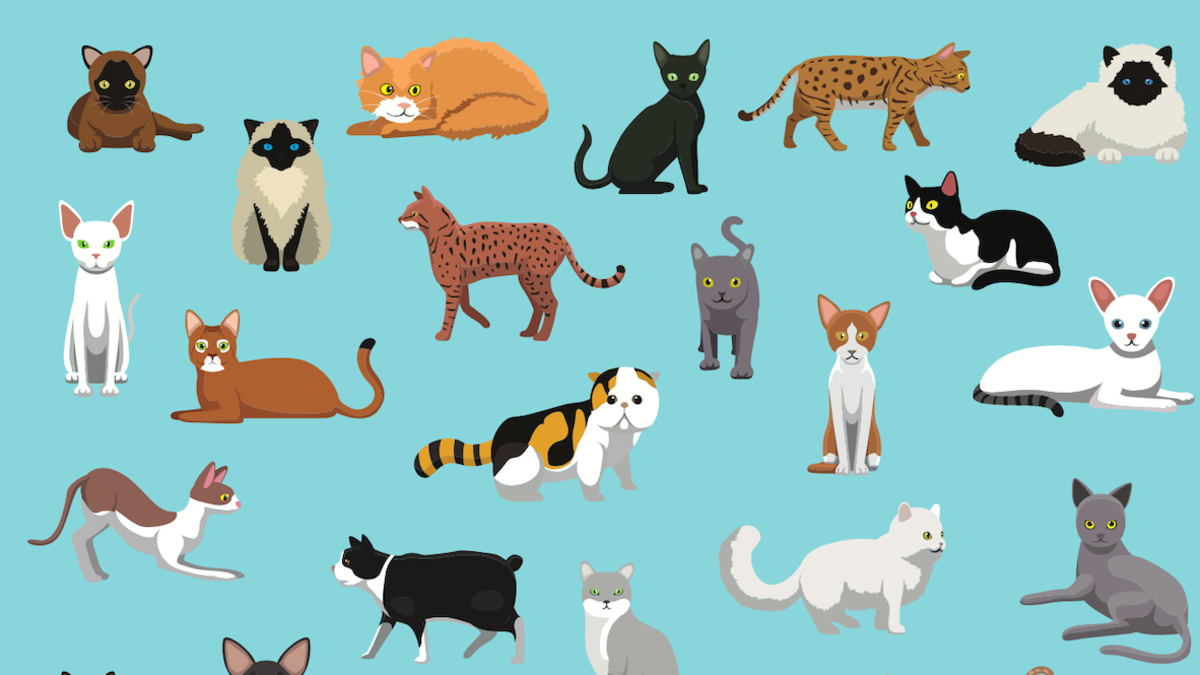
Cat breeds often fall into a few main groups based on their origins and characteristics:
- Natural breeds:These cats developed naturally in specific regions, like the Maine Coon or the Siamese.
- Hybrid breeds:Created by crossing domestic cats with wild species, such as the Bengal.
- Designer breeds:Bred intentionally for particular traits, like the Ragdoll or Scottish Fold.
Knowing these groups helps you understand how your cat’s history shapes its personality and needs.
Traits That Define Breeds
Cat breeds have defining physical and behavioral traits you can spot easily.
- Appearance:Coat length and pattern, eye color, ear shape, and body size.
- Temperament:Some breeds are more social, while others prefer solitude.
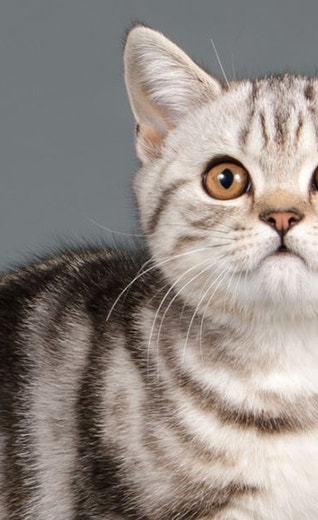
- Activity level:High-energy breeds like the Abyssinian contrast with more laid-back ones like the British Shorthair.
These traits aren’t just for show—they affect how your cat interacts with you and its environment every day.
How Breeds Affect Behavior
Your cat’s breed can offer clues about how it behaves and what it enjoys.
For example, Siamese cats are known for being vocal and affectionate, often seeking constant interaction. On the other hand, a Persian might prefer quiet, calm surroundings and gentle handling.
Have you noticed how certain breeds seem to have their own “personality”? Recognizing this can help you provide the right environment and avoid frustration for both you and your cat.
Identifying Your Cat’s Breed
Identifying your cat’s breed helps understand its needs and behavior. Many cats look alike, but small details set breeds apart. Observing your cat closely can reveal its breed traits. This knowledge improves care and strengthens your bond with your pet.
Visual Clues And Physical Features
Look at your cat’s size, coat, and color patterns. Some breeds have unique markings or fur length. For example, Siamese cats have a slim body and pointed ears. Maine Coons are large with thick, fluffy fur. Eye color and shape also give hints about the breed.
- Coat type: short, long, curly, or dense
- Color patterns: solid, striped, spotted, or color-point
- Body shape: slim, muscular, or stocky
- Ear shape and size
- Tail length and fluffiness
Personality And Temperament
Each breed has typical behavior and energy levels. Some cats are playful and active, while others are calm and shy. For instance, Bengals are curious and energetic. Ragdolls are gentle and love being held. Watching how your cat acts can give clues to its breed.
Using Dna Testing
DNA tests offer precise breed identification. A simple cheek swab sends your cat’s DNA to a lab. The results show breed percentages and genetic traits. These tests also detect health risks linked to certain breeds. DNA testing is useful for mixed-breed cats.
Popular Cat Breeds
Cats are delightful companions, each with their own unique personalities and traits. If you’re wondering, “What is my cat’s breed?” you’re not alone. Many cat lovers are curious about the background of their feline friends. To help you unravel the mystery, let’s dive into some of the most popular cat breeds that capture our hearts. Whether you prefer a fluffy companion to snuggle with or a sleek, low-maintenance feline friend, there’s a breed out there that might match your cat’s characteristics.
Fluffy And Long-haired Cats
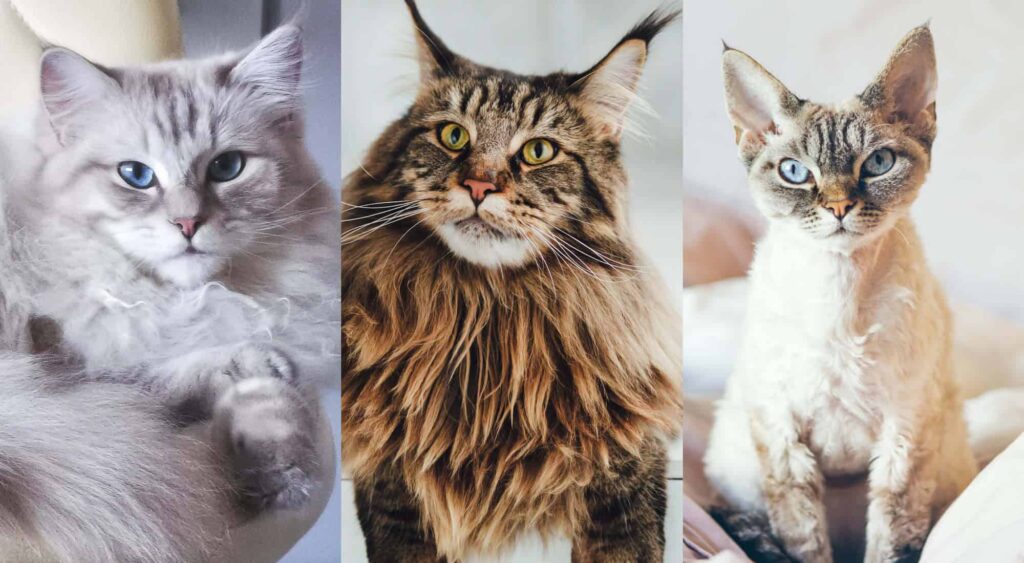
Fluffy cats are a joy to behold, with their luxurious fur and regal demeanor. Think about the Persian, known for its glamorous coat and calm personality. Or the Maine Coon, often referred to as the “gentle giant” due to its large size and friendly nature. These breeds are perfect for those who enjoy grooming their pets and have the time for regular brushing sessions. Have you noticed your cat leaving a trail of fur around your home? It might be a sign you’re sharing your space with a long-haired beauty.
Sleek And Short-haired Cats
If you prefer a cat that’s easier to maintain, consider short-haired breeds. The Siamese is a classic example, famous for its striking blue eyes and talkative nature. Then there’s the Abyssinian, with its ticked coat and playful demeanor that keeps you entertained for hours. Short-haired cats are perfect for busy individuals who love cats but prefer less grooming. Is your cat a bundle of energy with a smooth coat? It might belong to one of these lively breeds.
Rare And Exotic Breeds
For those who are intrigued by the unusual, rare and exotic cat breeds offer something truly special. The Sphynx, with its hairless body and bat-like ears, is a conversation starter. The Bengal cat, with its leopard-like spots, brings a touch of the wild into your home. These breeds often require special care, so they are perfect for dedicated cat enthusiasts. Does your cat have a unique appearance or rare trait? It might be one of these exotic breeds, adding a touch of the extraordinary to your life.
Credit: rawznaturalpetfood.com
Mixed Breed Cats
Mixed breed cats are a fascinating part of the feline world. They don’t fit into a single category or pedigree, making each one truly unique. Their backgrounds are often a blend of different breeds, which gives them a wide variety of looks and personalities.
Common Mixes And Their Traits
Some mixed breed cats combine traits from popular breeds like the Maine Coon, Siamese, or Persian. For example, a cat with Maine Coon and Domestic Shorthair genes might have a fluffy tail and a playful nature.
Traits can vary widely, but you might notice:
- Distinctive coat patterns or colors
- Varied personality traits, from shy to outgoing
- Differences in size and body shape
Have you ever noticed how a mixed breed cat can surprise you with unexpected behaviors or looks? This diversity is part of their charm.
Benefits Of Mixed Breed Cats
Mixed breed cats often have fewer health issues compared to purebreds because their gene pool is broader. This can mean fewer visits to the vet for genetic problems.
They tend to have unique personalities that don’t fit into breed stereotypes, so you get a one-of-a-kind companion. Plus, adopting a mixed breed cat often supports animal shelters and rescues.
What benefits have you noticed in your own mixed breed cat that maybe a purebred didn’t offer?
How To Appreciate Your Unique Cat
Focus on your cat’s individual traits rather than breed labels. Observe how they interact with you and their environment to understand their true personality.
Celebrate the quirks that make your cat special, like a funny habit or a unique meow. These details build a deeper bond and appreciation.
Ask yourself: What makes my cat different from others I’ve known? How can I honor their uniqueness every day?
Caring For Your Cat’s Breed
Caring for your cat’s breed means understanding its unique needs. Each breed has specific traits that affect diet, grooming, and health. Meeting these needs helps your cat stay happy and healthy. This section guides you through essential care tips for your cat’s breed.
Diet And Nutrition Tips
Different cat breeds have different dietary needs. Some breeds need more protein, while others require fewer calories. Feeding the right food supports energy, weight, and coat health. Fresh water should always be available.
- Choose high-quality cat food made for your cat’s age and size.
- Include wet food to increase moisture intake.
- Avoid feeding your cat human food or harmful treats.
- Feed smaller, frequent meals for active or young breeds.
Grooming Needs By Breed
Grooming depends on your cat’s fur type. Long-haired breeds need daily brushing to prevent mats. Short-haired cats require less frequent grooming but still benefit from regular care. Grooming also helps spot skin problems early.
- Long-haired cats: Brush daily to avoid tangles and hairballs.
- Short-haired cats: Brush weekly to remove loose fur.
- Some breeds need special care for ears, eyes, or claws.
- Bathing is rarely needed unless recommended by a vet.
Health Concerns To Watch
Each cat breed may have common health issues. Knowing these risks helps catch problems early. Regular vet check-ups are important. Watch for changes in behavior, appetite, or energy.
- Persian cats may face breathing and eye problems.
- Siamese cats can have dental issues and respiratory problems.
- Maine Coons are prone to heart disease.
- Keep vaccinations and parasite control up to date.
Credit: www.whiskas.com.ph
Finding Your Cat’s Community
Finding your cat’s community can transform your experience as a cat owner. It connects you with others who share your passion and offers valuable insights about your cat’s breed. Building these connections makes caring for your cat more enjoyable and informed.
Breed-specific Clubs And Groups
Joining a club or group dedicated to your cat’s breed opens doors to specialized knowledge. These clubs often host events, share breeding tips, and discuss breed-specific health concerns. Have you checked if your cat’s breed has a local or national club? It’s a great way to meet enthusiasts who truly understand your cat’s quirks and needs.
Online Resources And Forums
The internet is packed with forums and websites tailored to every cat breed imaginable. These platforms let you ask questions, share photos, and read stories from owners worldwide. Imagine getting advice instantly on grooming a Persian or training a Siamese—online communities make that possible anytime you need.
Connecting With Other Cat Owners
Sometimes, the best support comes from everyday cat owners near you. Local pet stores, vet clinics, or community centers often host meetups or informal gatherings. Have you considered joining one? Sharing experiences face-to-face can provide practical tips and foster friendships that enhance your life and your cat’s.
Credit: paradepets.com
Frequently Asked Questions
What Are The Most Popular Cat Breeds Worldwide?
Popular cat breeds include Persian, Siamese, Maine Coon, Ragdoll, and Bengal. Each breed has unique traits, appearance, and temperament.
How Can I Identify My Cat’s Breed At Home?
Observe your cat’s size, fur type, color, and behavior. Online breed identification tools and vet consultations can also help.
Are Mixed-breed Cats Less Healthy Than Purebreds?
Mixed-breed cats often have fewer genetic health issues. Purebreds may face breed-specific conditions, so regular vet care is essential for all cats.
What Traits Define Common Cat Breeds?
Traits include fur length, color patterns, eye color, body shape, and personality. These features help distinguish breeds like Siamese or Maine Coon.
Conclusion
Knowing your cat’s breed helps understand its habits and needs. Each breed has unique traits and care tips. This knowledge makes pet care easier and more fun. Cats bring joy and comfort to any home. Learning about breeds can deepen your bond.
Keep exploring and enjoy your time with your cat.




Leave a Reply