
Have you ever watched your cat suddenly stomp on their toys and wondered why they do it? It might seem strange or even a little rough, but your cat’s stomping is more than just play.
Understanding this behavior can help you connect better with your furry friend and keep them happier. Keep reading to discover the surprising reasons behind your cat’s toy-stomping and what it means for their mood and well-being.
Credit: medium.com
Cat Stomping Behavior
Cats have many unique behaviors that can puzzle their owners. One curious action is stomping on toys. This behavior shows a cat’s natural instincts and playful nature. Understanding why cats stomp helps you connect better with them and provides clues about their mood and needs.
What Stomping Looks Like
Stomping means your cat uses its paws to press down hard on a toy. They might push or tap repeatedly. Sometimes, the cat may hold the toy with one paw while stomping with the other. The motion looks like a mix of play and hunting. Their claws may stay out or be tucked in.
Stomping can be gentle or more forceful. It often happens quickly, with the cat focused on the toy. Sometimes, the cat will bite or kick the toy after stomping. This shows excitement or practice for catching prey.
Common Toys Targeted
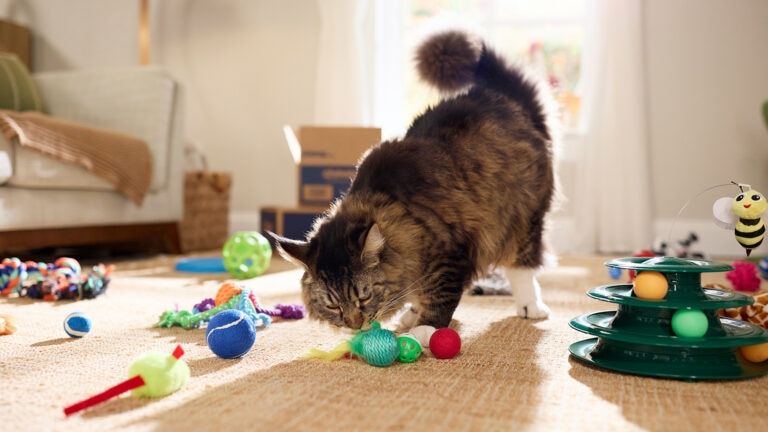
Cats usually stomp on toys that feel soft or move easily. Toys that mimic small animals attract their attention most. Some common toys include:
- Plush mice or small stuffed animals
- Feather wands or dangling feathers
- Small balls or crinkle toys
- Interactive toys that move or make noise
These toys allow cats to use their paws and claws freely. The texture and size make them ideal for stomping and pouncing. Toys with feathers or fur-like material often trigger more stomping because they seem alive to the cat.
Hunting Instincts
Cats have strong hunting instincts. These instincts drive many of their behaviors. Stomping on toys is one way cats express this natural urge. It mimics actions they use in the wild to catch and control prey. This behavior helps cats feel connected to their wild ancestors.
Simulating Prey Capture
Stomping on toys mimics the way cats trap small animals. Cats use their paws to pin prey down. This keeps the prey from escaping. By stomping on toys, cats feel like they are holding real prey. It is a way to practice capturing and controlling prey safely.
Practice For Real Hunting
Cats use toys to sharpen their hunting skills. Stomping helps improve their paw strength and coordination. It also trains their timing and reflexes. Even indoor cats keep these skills sharp through play. This practice is important for their mental and physical health.
Marking Territory
Cats stomp on toys to mark their territory using scent glands in their paws. This behavior shows ownership and helps them feel safe. It also mimics hunting instincts, keeping their minds active and engaged.
Understanding why your cat stomps on his toys can be both fascinating and insightful. One of the key reasons behind this behavior is marking territory. Cats are naturally territorial creatures, and they have unique ways of claiming their space and belongings.Scent Glands On Paws
Cats have scent glands located on their paws, which they use to mark their territory. When your cat stomps on his toys, he is essentially leaving his scent on them. This is a subtle yet powerful way for him to communicate ownership and comfort. Next time you see your cat kneading his toys, remember that he’s marking them as his own. This behavior is instinctual and provides him with a sense of security. Have you noticed your cat doing this with other objects around the house?Claiming Ownership
Stomping on toys also signifies a cat’s desire to claim ownership. By leaving his scent, your cat tells other pets, “This is mine.” This behavior is especially evident in multi-pet households where resources are shared. Consider it a way of your cat expressing his personality and preferences. Does your cat have a favorite toy he stomps on more often? Understanding this behavior strengthens your bond with your feline friend, allowing you to better cater to his needs and comfort.Play And Exercise
Play and exercise are vital parts of your cat’s daily routine. They help your feline stay healthy, happy, and mentally sharp. When your cat stomps on his toys, it’s often a natural way to engage with his environment and expend energy.
Energy Release
Your cat has bursts of energy that need an outlet. Stomping on toys allows him to mimic hunting behaviors and physically release built-up energy.
Think about how your cat suddenly zooms around the room. That same energy drives the stomping action, making playtime both fun and functional.
Have you noticed your cat is more relaxed after a vigorous play session? That’s because physical activity helps reduce stress and prevent boredom.
Mental Stimulation
Stomping isn’t just physical; it challenges your cat’s brain too. It simulates the process of capturing prey, which keeps his hunting instincts sharp.
Providing a variety of toys can make this experience even more engaging. Different textures and shapes encourage your cat to think and adapt his play style.
Next time your cat stomps on a toy, watch closely. He’s not just playing—he’s exercising his mind and body in a way that keeps him balanced and content.
Stress And Anxiety Signals
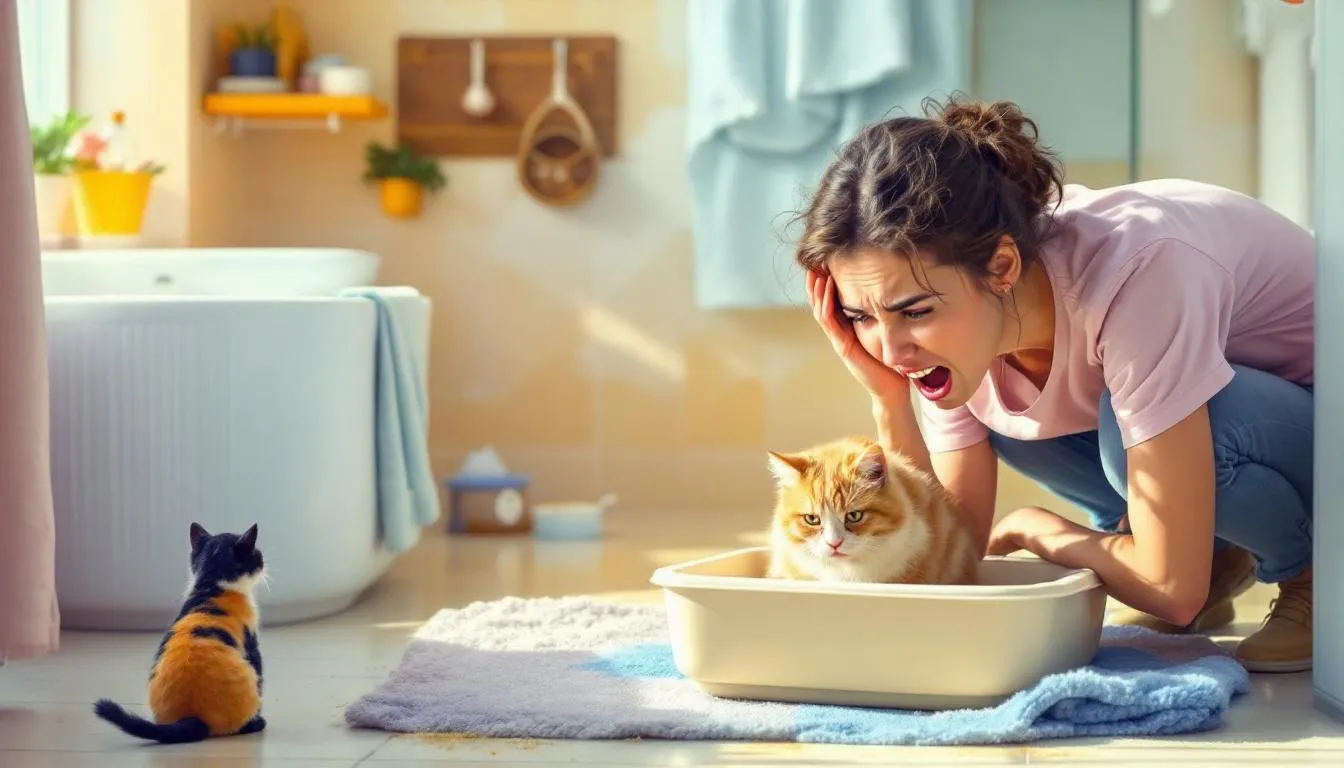
When your cat stomps on his toys, it might be more than just playful behavior. This action can reveal underlying stress or anxiety your cat is experiencing. Understanding these signals helps you respond better and support your feline friend’s emotional health.
Stress Indicators
Cats often show stress through subtle actions. Stomping on toys can be a sign of frustration or nervous energy. You might also notice other signs like:
- Excessive grooming or scratching
- Hiding more than usual
- Changes in eating habits
- Increased vocalization or aggression
Have you observed these behaviors alongside the stomping? Noticing patterns helps you pinpoint stress triggers in your cat’s environment.
Calming Mechanisms
Stomping on toys might be your cat’s way of coping. It can serve as a calming outlet, redirecting their anxious energy into a physical action. Similar to how humans might tap their fingers or pace, cats need a release.
To help your cat feel calmer, try adding interactive toys or puzzle feeders that engage their mind. Creating a quiet, safe space also reduces anxiety. You might find that with these changes, the stomping decreases and your cat becomes more relaxed.

Credit: medium.com
Age And Personality Factors
Age and personality shape how cats interact with toys. Cats use toys to play, hunt, and explore. Their behavior changes as they grow and depend on their unique traits. Understanding these factors helps explain why cats stomp on their toys.
Kittens Vs Adult Cats
Kittens stomp on toys to practice hunting skills. Their energy is high, and they learn about their environment. Stomping mimics catching prey, sharpening reflexes.
Adult cats may stomp less often. They know how to handle toys better. Sometimes, adults stomp to show dominance or keep control. Age affects the strength and reason behind this action.
Individual Differences
Each cat has a unique personality. Some are calm and gentle with toys. Others are playful and stomp hard. Personality affects how often and why cats stomp.
Bold cats may stomp to express excitement. Shy cats might do it to feel safe. Understanding your cat’s nature helps explain their toy behavior.
How To Respond
Knowing how to respond when your cat stomps on toys helps build a stronger bond. It guides your cat toward good play habits. React calmly and observe what your cat needs. Your response can shape your cat’s behavior over time.
Encouraging Positive Play
Offer toys that match your cat’s hunting style. Use feather wands or small balls to mimic prey. Praise your cat with gentle words or petting after good play. Avoid yelling or punishment. It can scare your cat and cause stress. Rotate toys regularly to keep your cat interested. Create short play sessions to keep energy high and focus sharp.
Managing Stress
Look for signs of stress like hiding or over-grooming. Provide quiet spaces for your cat to relax. Keep the environment calm with soft sounds and low lighting. Use calming sprays or diffusers designed for cats. Maintain a consistent routine for feeding and playtimes. Stress reduction can lessen aggressive stomping on toys. Patience and gentle care help your cat feel safe and happy.

Credit: medium.com
Frequently Asked Questions
Why Does My Cat Stomp On His Toys?
Cats stomp on toys to mimic hunting behavior. It helps them practice skills like catching and killing prey. This behavior is natural and shows their playful, instinctive side. Stomping also helps cats relieve energy and stay mentally stimulated.
Is Toy Stomping A Sign Of Aggression?
No, toy stomping is not usually aggressive. It’s part of a cat’s hunting play, not anger or fear. This action helps cats express natural instincts in a safe way. If your cat shows no other signs of aggression, toy stomping is normal.
How Can I Encourage Healthy Toy Stomping?
Provide interactive toys that simulate prey, like feather wands or small balls. Rotate toys regularly to keep your cat interested. Create a safe, quiet play space to help your cat focus and enjoy healthy hunting play.
Does Toy Stomping Indicate Boredom In Cats?
Yes, toy stomping can indicate boredom or excess energy. Cats need mental and physical stimulation daily. Offering varied toys and regular playtime helps reduce boredom and prevents destructive behavior. Active play keeps cats happy and healthy.
Conclusion
Cats stomp on toys to practice hunting skills and have fun. This behavior shows their natural instincts and helps them stay active. Watching your cat play this way can be entertaining and shows they feel safe. Providing various toys keeps your cat happy and healthy.
Understanding why your cat stomps helps you enjoy their playful nature more. Keep offering toys and time for play every day. Your cat will thank you with joy and energy. Play is important for a cat’s well-being and happiness.

Leave a Reply