
Have you ever wondered why some cat breeds seem to get all the spotlight, while others remain almost invisible? You might be surprised to learn that many beautiful and unique cat breeds aren’t as recognized as you’d expect.
This isn’t just about popularity—it’s about history, genetics, and even the way we see cats today. If you love cats or are curious about what makes certain breeds stand out, keep reading. You’re about to discover the hidden reasons behind why some cat breeds stay in the shadows—and why that matters to you.
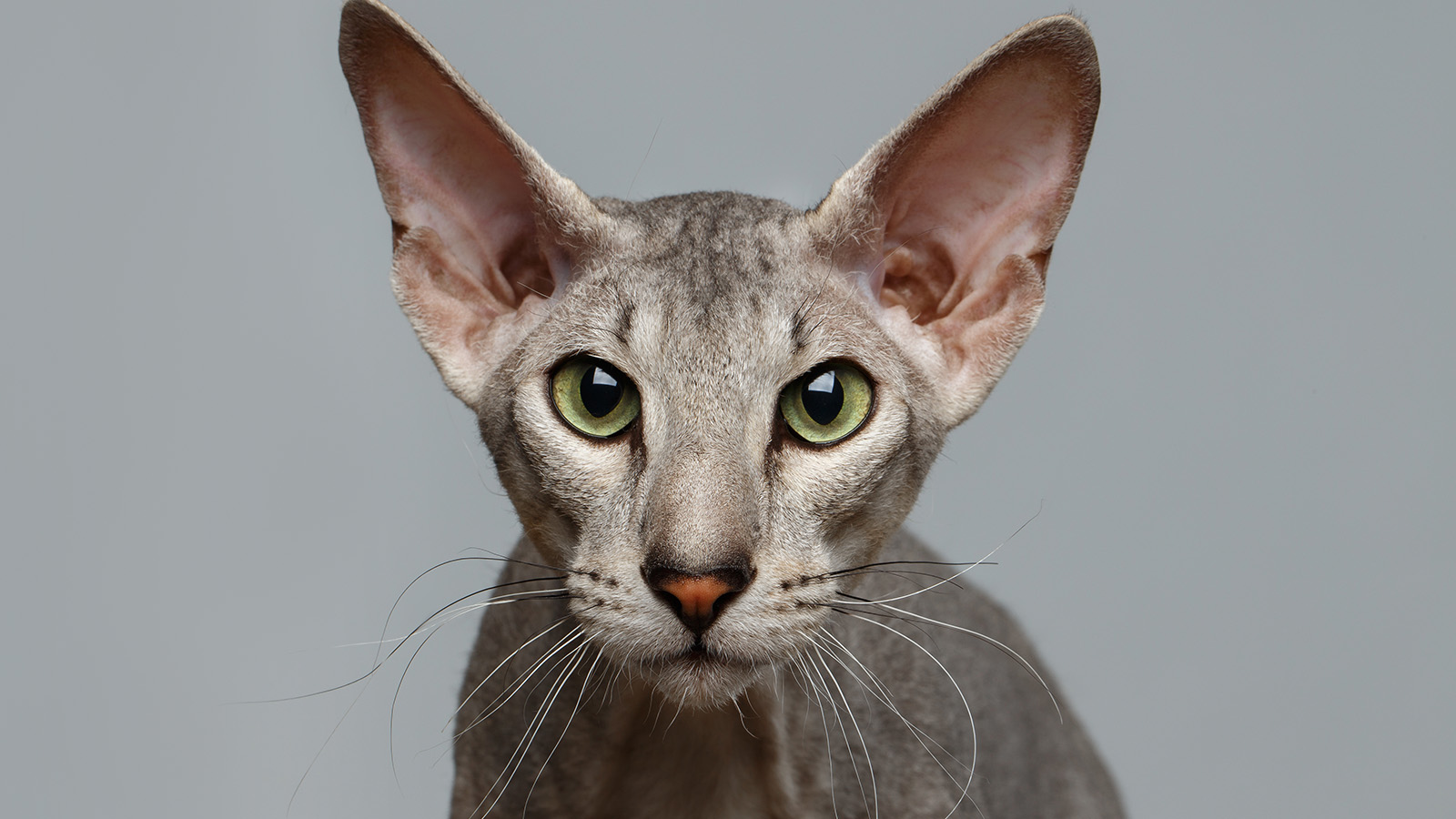
Credit: animals.howstuffworks.com
Breed Recognition Challenges
Understanding why many cat breeds aren’t widely recognized starts with the challenges in breed recognition itself. These challenges affect how breeds gain official status and how widely they are accepted by cat associations around the world. Let’s break down the key obstacles that slow down or complicate this process.
Lack Of Standardized Criteria
One major issue is the absence of universal standards for recognizing cat breeds. Different cat organizations use varying criteria, making it hard to agree on what defines a breed. This inconsistency means a breed accepted by one group might be ignored or rejected by another.
Think about how you might judge something as simple as a “perfect” cat look—everyone has a different opinion. Without clear, agreed-upon guidelines, the process remains subjective and confusing. This can leave breeders and cat lovers wondering why their favorite breed isn’t officially acknowledged.
Regional Variations In Recognition
Recognition also varies greatly depending on geography. Breeds popular and accepted in one region might be unknown or unrecognized elsewhere. For example, a breed common in Asia may not have the same status in Europe or North America.
This regional difference creates challenges for breeders who want their cats to compete internationally. It also affects how you, as a cat owner or enthusiast, perceive the legitimacy of a breed. Could your local favorite breed be waiting for global recognition?
Impact Of Genetic Diversity
Genetic diversity complicates breed recognition in unexpected ways. Some breeds have such a wide gene pool that defining consistent breed traits becomes difficult. This variability can make it hard to create a standard that fits all cats within the breed.
On the other hand, breeds with limited genetic diversity might face health issues, making associations cautious about endorsing them. Balancing genetic health and breed consistency is a tough puzzle. How might this affect your choice when looking for a healthy, recognized cat breed?
Role Of Cat Registries
Cat registries play a crucial role in determining which cat breeds gain official recognition. These organizations set the standards, rules, and guidelines that breeders and enthusiasts must follow to have a breed acknowledged. Understanding their influence helps explain why some breeds remain less recognized despite their unique traits.
Major International Registries
Several major international cat registries influence breed recognition worldwide. The Cat Fanciers’ Association (CFA), The International Cat Association (TICA), and Fédération Internationale Féline (FIFe) are among the most prominent. Each has its own set of breed standards and recognition criteria.
These registries maintain detailed breed profiles and organize cat shows that promote certain breeds. Their global reach means that a breed recognized by one may not be acknowledged by others, leading to discrepancies in recognition.
Influence On Breed Popularity
Your favorite cat breed’s popularity often depends on registry recognition. When a registry officially recognizes a breed, it gains more visibility through shows, competitions, and breeder programs. This exposure can boost demand and encourage more breeders to focus on that breed.
On the other hand, breeds not recognized by major registries often struggle to attract attention. Without official status, they may lack the marketing platform that helps build a strong fan base. Have you ever wondered why some beautiful breeds remain rare and less talked about?
Recognition Processes And Requirements
Getting a breed recognized is a detailed process requiring breeders to meet strict standards. Registries typically require a stable breeding population, documented lineage, and consistent physical traits. Breeders often need to submit evidence and participate in registry-sponsored events.
This process can take years, and some breeds fail to meet the rigorous demands. For instance, a breed with high genetic variability may not fit the strict mold registries want. This raises a question: should recognition be about strict uniformity, or should diversity within breeds be celebrated more?
Unrecognized Cat Breeds
Many cat breeds remain unrecognized due to limited breeding populations and lack of official standards. Some breeds are new or rare, making it hard for cat organizations to accept them. This keeps many unique cats off the official breed lists.
Unrecognized Cat Breeds In the world of cats, not all breeds earn recognition. Many exist that remain unrecognized by official cat associations. These breeds often captivate with their unique traits. Yet, they lack the formal acknowledgment that others enjoy. Let’s explore some of these unrecognized cat breeds.Rare And Emerging Breeds
Rare breeds often have small populations. This makes them less known. Some are new to the scene. They emerge from selective breeding. Breeders focus on unique characteristics. These cats may have distinct features or behaviors. Despite their rarity, they lack official status.Hybrid And Experimental Breeds
Hybrid breeds mix two different species. This includes domestic cats and wild cats. They often result in exotic appearances. Experimental breeds involve new genetic combinations. Breeders aim for specific traits. These breeds face challenges. Gaining recognition requires meeting strict standards.Reasons Behind Non-recognition
Several factors lead to non-recognition. Small population sizes play a role. Breeds need time to establish. Consistency in traits is essential. Breeding practices must follow guidelines. Associations set high standards. Meeting these can be difficult. It takes dedication and patience.
Credit: www.reddit.com
Cultural And Historical Factors
Cultural and historical factors shape how cat breeds gain recognition. These influences affect which breeds become popular and which stay less known. Understanding these elements helps explain why some cat breeds are recognized widely while others remain obscure.
Traditional Vs Modern Breeds
Traditional breeds have deep roots in history and culture. They often come from specific regions and have been bred for centuries. Modern breeds are newer and sometimes created through deliberate breeding programs. Traditional breeds tend to have stronger recognition due to their long-standing presence and cultural significance.
Geographical Impact On Breed Status
Geography plays a key role in breed recognition. Cats native to certain areas gain more recognition locally. Some breeds remain unknown outside their home regions. Limited exposure and breeding outside these areas reduce their global status. Geographic isolation can also preserve unique traits in breeds.
Cultural Preferences And Biases
Different cultures prefer certain cat traits. Some value appearance, others personality or hunting skills. These preferences influence which breeds become popular. Biases toward familiar or traditional breeds can limit acceptance of new or foreign breeds. Culture also affects how people view cats as pets or symbols.
Genetics And Breed Standards
Understanding cat breeds requires a close look at genetics and breed standards. These two factors shape which breeds gain recognition and which remain on the fringes. Genetics determines the traits a cat can inherit, while breed standards set the official criteria for what makes a breed distinct.
Genetic Testing Limitations
Genetic testing has improved our ability to identify breed traits, but it’s not foolproof. Many breeds share common genes, making it tricky to distinguish one from another based solely on DNA. You might think a cat fits a breed perfectly, but genetic tests can reveal unexpected ancestry that complicates recognition.
Additionally, not all genetic markers for breed traits are well understood yet. This leaves some breeds without clear genetic proof to back their unique qualities. How do you decide which traits are essential when science itself is still catching up?
Health Concerns And Breed Viability
Breed standards often prioritize specific physical features, but this focus can lead to health problems. Some breeds suffer from inherited diseases because the gene pool is too narrow. It’s a tough balance between maintaining breed purity and ensuring the cat’s well-being.
Breeds with serious health concerns may struggle to gain or keep official recognition. Breed clubs and registries want healthy cats that can thrive for generations. Have you ever wondered how much a breed’s health influences its acceptance?
Balancing Purity And Diversity
Maintaining breed purity means breeding cats with consistent traits, but it reduces genetic diversity. Low diversity increases risks of genetic disorders, making some breeds less viable long-term. Breeders face the challenge of preserving defining characteristics without sacrificing health.
Some registries are now open to controlled outcrossing—introducing new bloodlines to boost diversity. This approach questions traditional ideas of what a breed should be. What if expanding the gene pool means changing the breed’s look slightly but improving its future?
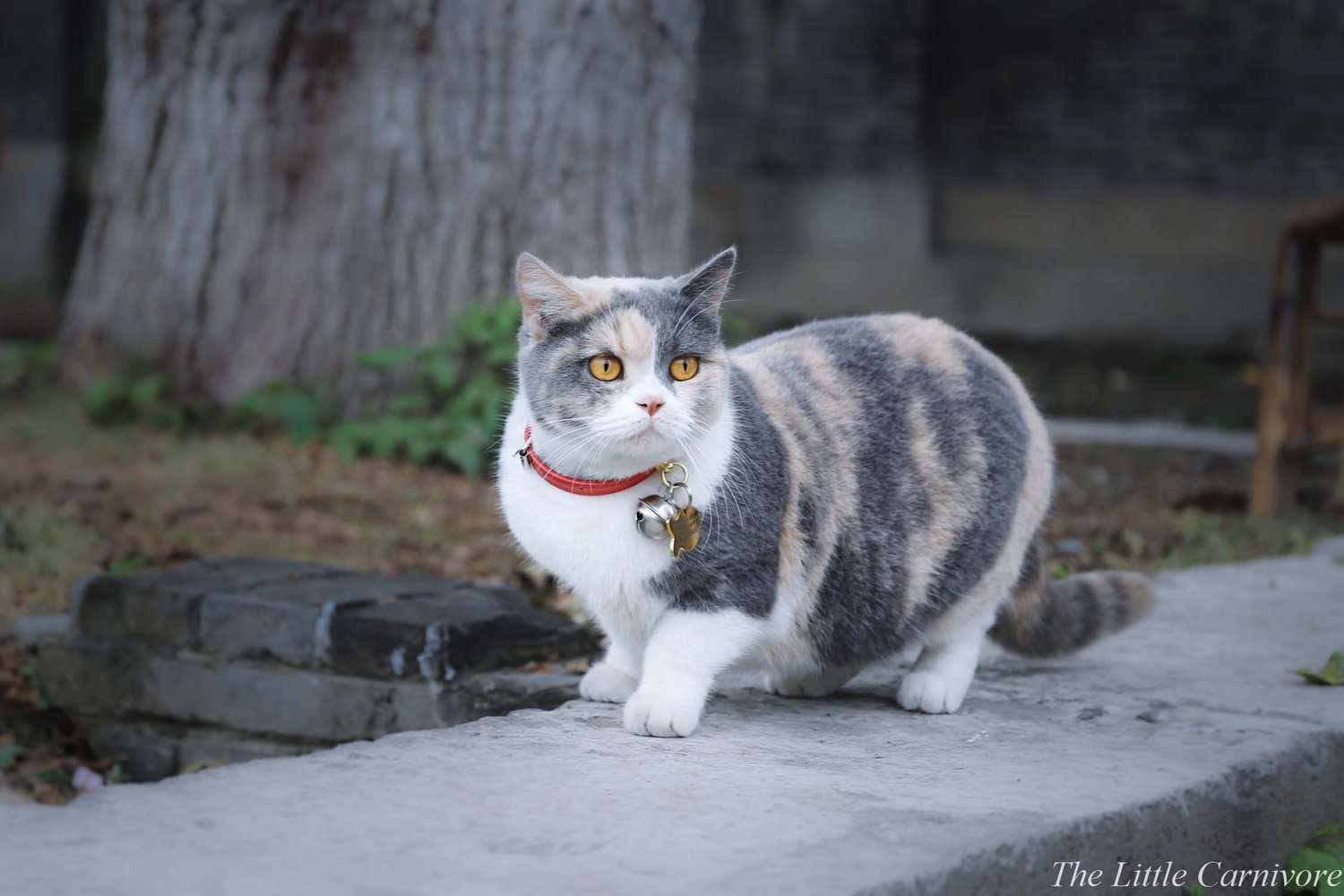
Credit: thelittlecarnivore.com
Future Of Cat Breed Recognition
The future of cat breed recognition is full of possibilities and challenges. As more cat enthusiasts seek to understand and classify their feline friends, the systems for recognizing breeds must evolve. This evolution depends on technology, registry policies, and breeding trends that shape what qualifies as a distinct breed.
Technological Advances In Identification
Technology is changing how we identify and classify cat breeds. DNA testing is becoming more affordable and accurate, allowing breeders and owners to confirm a cat’s lineage beyond just appearance.
Imagine being able to verify your cat’s breed with a simple genetic test at home. This would help resolve disputes about breed recognition and encourage a more scientific approach to classification.
Could this technology lead to new breeds being recognized faster? It’s likely, as genetic markers provide clear evidence of unique breed traits.
Potential Changes In Registry Policies
Registry organizations are starting to rethink their rules to keep up with new discoveries and breeding practices. Some registries might become more flexible, allowing hybrids or less traditional breeds to gain recognition.
This shift could open doors for cats that don’t fit classic breed standards but have distinct, stable traits. It also raises questions about how strict or inclusive breed definitions should be.
Are registries ready to balance tradition with innovation? Your opinion as a cat lover matters in shaping these policies.
Emerging Trends In Cat Breeding
Breeders are exploring new directions, such as breeding for health and personality rather than just looks. This focus could influence which breeds get recognized in the future.
There’s also a growing interest in preserving rare and native breeds that have been overlooked. Supporting these breeds can diversify the cat world and introduce fresh traits.
What qualities do you think should define a breed going forward? Your preferences could help guide emerging trends in breeding.
Frequently Asked Questions
Why Aren’t Some Cat Breeds Officially Recognized?
Some cat breeds lack official recognition due to inconsistent traits and limited breed standards. Breed registries require clear, stable characteristics to classify a breed. Without consensus, organizations hesitate to acknowledge new or rare breeds officially, impacting their recognition status.
How Do Breed Standards Affect Cat Recognition?
Breed standards define physical and behavioral traits for classification. Without clear standards, breeds cannot be consistently identified or judged. This ambiguity delays or prevents official recognition by cat associations and registries, affecting breed legitimacy.
What Challenges Do Rare Cat Breeds Face?
Rare cat breeds often have small populations and inconsistent traits. This makes it hard to establish stable breed standards. Limited genetic diversity and lack of widespread breeding programs slow official recognition.
Do All Cat Registries Recognize The Same Breeds?
No, cat registries have varying criteria and standards. Some recognize more breeds, while others are stricter. This leads to differences in breed acceptance and official recognition across organizations.
Conclusion
Cat breeds often go unrecognized due to unclear standards and limited awareness. Many breeds share similar looks, causing confusion. Some cats come from mixed backgrounds, making classification tough. Breed recognition needs more study and clear rules. People love cats for their personalities, not just breeds.
Understanding this helps appreciate all cats equally. Recognition will grow as knowledge spreads worldwide. Cats remain special companions, no matter their breed status.

Leave a Reply