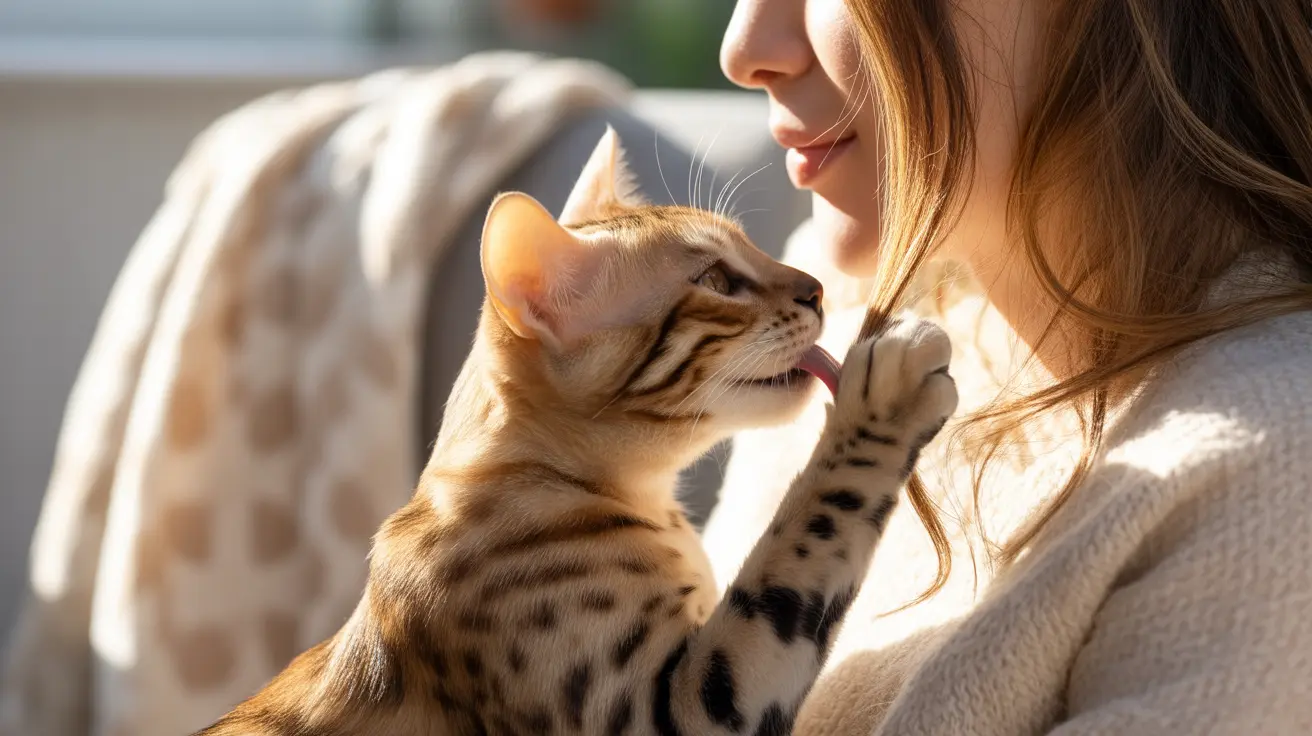
Have you ever watched your cat grooming and noticed a strange slurping sound? It can be surprising and maybe even a little puzzling.
You might wonder if it’s normal or if something is wrong with your furry friend. Understanding why your cat slurps while grooming can help you feel more connected to your pet and give you peace of mind. Keep reading to discover the reasons behind this curious behavior and what it means for your cat’s health and happiness.
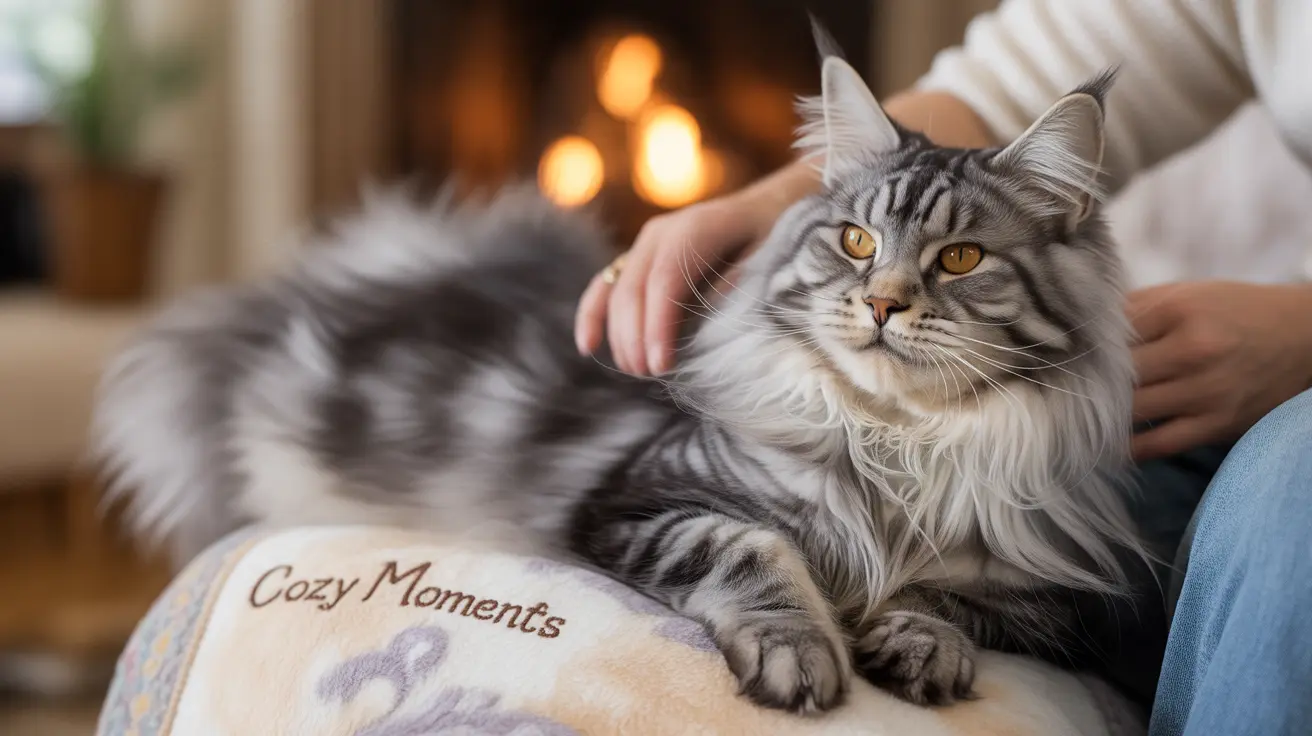
Credit: www.petscare.com
Cat Grooming Basics
Understanding the basics of cat grooming helps you notice the little details that reveal your cat’s health and comfort. Grooming is more than just keeping clean; it’s a way your cat feels secure and relaxed. Paying attention to how your cat grooms can also explain curious behaviors, like why your cat might slurp while grooming.
How Cats Groom Themselves
Cats use their tongues like a brush, running it over their fur to remove dirt and loose hair. Their tongues have tiny, hook-like structures that catch and pull out debris efficiently. This action also spreads natural oils, which keeps their coat shiny and waterproof.
Besides the tongue, cats use their teeth and paws to reach tricky spots. You might see your cat nibbling or licking its paws before rubbing its face. This multi-step process helps them stay spotless and comfortable.
Common Grooming Behaviors
Grooming isn’t just about cleaning. It’s a routine that helps cats regulate body temperature and reduce stress. You might notice your cat licking intensely after a stressful event or spending extra time grooming before sleep.
- Slow, gentle licks usually mean relaxation.
- Rapid, repeated licking might indicate irritation or discomfort.
- Paw licking followed by face wiping is a common grooming pattern.
Have you seen your cat slurping or making unusual sounds during grooming? This can happen if their tongue traps saliva while they lick. Sometimes, it’s simply a sign they’re enjoying the process deeply, but it’s worth watching to ensure no dental or throat issues are present.
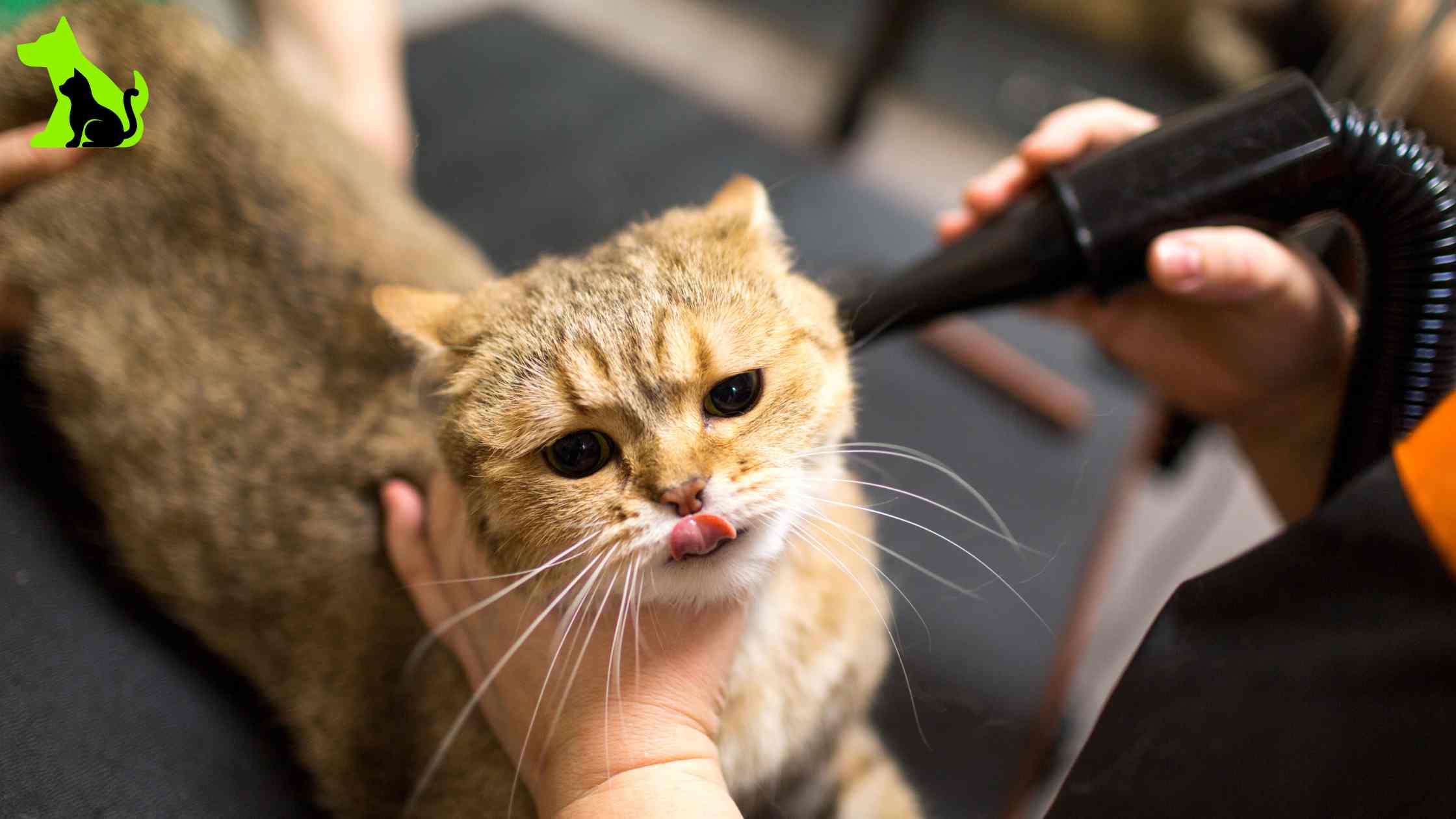
Credit: hellopetsinc.com
What Causes Slurping Sounds
Slurping sounds during a cat’s grooming session often catch owners’ attention. These noises come from the way cats lick and clean themselves. Understanding what causes these sounds reveals a lot about feline behavior and grooming techniques. The sounds are linked to the movement of the tongue and the use of saliva.
Tongue Movement During Grooming
A cat’s tongue is rough, covered with tiny, hook-like structures called papillae. These hooks help cats catch loose fur and dirt. When cats groom, their tongues move quickly in and out of their mouths. This rapid movement creates a suction sound, which can seem like slurping.
The way cats curl their tongues during grooming also adds to the noise. They flick their tongues with precision, helping spread saliva evenly. The combination of speed and shape makes the slurping sound common and natural.
Role Of Saliva In Grooming
Saliva plays a key role in grooming. It helps clean the fur and skin by removing dirt and loose hair. Saliva also cools the cat down and keeps the fur soft and shiny.
When cats lick, the saliva mixes with their tongue’s rough surface. This creates a wet, slurping noise as the tongue moves across the fur. The sound indicates the saliva is working to clean effectively.
Health Factors Behind Slurping
Does your cat make slurping noises while grooming? This behavior might signal a health issue. Cats are meticulous groomers. Changes in their grooming habits warrant attention. Let’s explore some health factors behind slurping.
Dental Issues And Discomfort
Dental problems can make grooming painful. Cats may slurp to soothe their discomfort. Tooth decay, gum disease, or broken teeth are common culprits. These issues make it hard for cats to groom smoothly. Regular dental check-ups can help detect problems early. Preventing dental issues is essential for your cat’s well-being.
Oral Infections And Irritations
Oral infections can cause slurping sounds too. Infections like stomatitis lead to mouth pain. Cats with irritated gums might slurp to ease the discomfort. Other signs include drooling or avoiding food. A vet visit can identify infections and provide treatment. Keeping your cat’s mouth healthy is crucial.
Behavioral Reasons For Slurping
Understanding why your cat slurps during grooming can reveal important insights into their behavior. Sometimes, this unusual sound isn’t just about hygiene but ties deeply to how your cat feels and copes with their environment. Looking at behavioral reasons helps you see grooming as more than a routine—it’s a window into your cat’s emotional world.
Stress And Anxiety Effects
Cats often groom themselves more intensely or with unusual sounds like slurping when they feel stressed. This behavior can be a reaction to changes in their environment, such as moving to a new home or the arrival of another pet. You might notice your cat slurping after loud noises or when they seem unsettled.
Stress can cause your cat to over-groom, making the grooming session longer and more intense than usual. Have you observed your cat slurping more when visitors come over or during thunderstorms? This may be their way of dealing with anxiety without showing obvious signs.
Self-soothing Mechanisms
Slurping during grooming can act like a calming ritual for your cat, similar to how humans might hum or tap their fingers when nervous. This self-soothing helps them feel safe and in control when things around them feel unpredictable.
Think about a time your cat was alone for a while and started grooming with that distinctive slurp. It might have been their way to comfort themselves. Understanding this can help you provide a more secure environment, such as a quiet space or familiar toys, to reduce their need for such intense self-soothing.
When To Consult A Vet
Knowing when to consult a vet about your cat’s slurping during grooming is important. Sometimes, this behavior is normal. Other times, it may signal health issues. Watching your cat closely helps catch problems early. Prompt action can keep your cat safe and healthy.
Signs Of Health Problems
- Excessive drooling or foaming at the mouth
- Difficulty swallowing or eating
- Bad breath or mouth sores
- Sudden changes in grooming habits
- Loss of appetite or weight
- Unusual lethargy or behavior changes
These signs can point to dental issues or infections. They may also indicate pain or discomfort. If you notice any of these symptoms, schedule a vet visit quickly.
Monitoring Grooming Changes
Keep track of how often your cat slurps while grooming. Note if the slurping becomes louder or more frequent. Watch for other grooming changes like excessive licking or avoiding grooming. Compare these behaviors to your cat’s usual routine.
Regular monitoring helps spot early problems. Take photos or videos to show your vet. This information helps the vet diagnose and treat your cat better.

Credit: www.reddit.com
Tips To Support Your Cat’s Grooming
Supporting your cat’s grooming habits can improve their health and happiness. Sometimes, slurping during grooming hints at underlying issues you can address. Helping your cat feel comfortable and cared for encourages better self-care and fewer worries for you.
Regular Dental Care
Have you noticed your cat’s slurping might be linked to dental discomfort? Cats with dental problems often show changes in how they groom. Regularly checking and cleaning your cat’s teeth can prevent pain that disrupts grooming.
Try brushing your cat’s teeth gently with a pet-safe toothpaste. Schedule dental checkups with your vet to catch issues early. Healthy teeth make grooming easier and more pleasant for your cat.
Creating A Calm Environment
Does your cat seem stressed when grooming or slurping? A noisy or chaotic space can make grooming uncomfortable. Set up a quiet, cozy spot where your cat feels safe and relaxed.
Use soft lighting and keep distractions low during grooming times. Your calm presence can reassure your cat and help reduce any anxiety linked to grooming. Have you noticed how a peaceful environment changes your cat’s behavior?
Frequently Asked Questions
Why Does My Cat Make Slurping Sounds Grooming?
Cats slurp when grooming to help spread saliva evenly on their fur. It aids in cleaning and cooling the body. The slurping sound comes from their tongue’s unique rough texture and licking technique, which ensures effective grooming and moisture distribution.
Is Slurping Normal Behavior During Cat Grooming?
Yes, slurping is normal during grooming. It shows your cat is cleaning itself thoroughly. This sound is part of the natural licking process, caused by the tongue’s movement. If your cat is healthy, slurping indicates proper grooming habits without any issues.
Can Slurping Indicate Health Problems In Cats?
Slurping alone rarely signals health problems. However, if combined with excessive drooling or discomfort, consult a vet. These signs may indicate oral issues or infections. Regular slurping during grooming is healthy, but watch for changes in behavior or eating habits.
How Does A Cat’s Tongue Cause Slurping Sounds?
A cat’s tongue has tiny, hook-like structures called papillae. These help lift and spread saliva while grooming. The interaction between rough papillae and wet fur creates the slurping noise. This unique tongue design aids in cleaning and maintaining fur health.
Conclusion
Cats slurp when grooming to clean their fur and stay cool. Their rough tongues help remove dirt and loose hair. Slurping also soothes and relaxes them. Sometimes, it may mean they feel stressed or uncomfortable. Watching your cat’s grooming helps you understand their health and mood.
Keep their environment calm and offer fresh water. Notice any changes in grooming habits for early health clues. Knowing why cats slurp makes pet care easier and more caring. Small details show how much your cat trusts you.

Leave a Reply