Are you passionate about cats and dreaming of turning that love into a rewarding career? Becoming a cat breeder in Queensland can be an exciting path, but it takes more than just affection for felines.
You need to understand the rules, care standards, and the right steps to start strong. In this guide, you’ll discover exactly what it takes to become a successful cat breeder in Queensland. Ready to learn how to make your dream a reality?
Keep reading to find out everything you need to know.
Credit: www.qfeline.com
Requirements For Cat Breeders
Becoming a cat breeder in Queensland involves meeting specific requirements that ensure you operate responsibly and ethically. Understanding these requirements helps protect the welfare of the cats and maintains the reputation of breeders in your area. Let’s break down what you need to know before starting your breeding journey.
Legal Obligations In Queensland
Queensland has strict laws to regulate cat breeding and ownership. You must comply with the Animal Care and Protection Act, which outlines your responsibilities for animal welfare. This includes providing adequate food, shelter, and medical care for your cats.
Failure to follow these legal obligations can lead to penalties or loss of your breeding license. Are you prepared to meet these standards every day?
Registration And Licensing
To breed cats legally, you need to register your breeding business with the local council. Licensing requirements vary depending on the number of cats you keep and breed. You’ll need to submit an application detailing your facilities and care practices.
Keep in mind, regular inspections may be part of the process to ensure you maintain proper conditions. Have you checked which council governs your area and their specific application steps?
Health And Safety Standards
Maintaining high health and safety standards is crucial. Your cats should have regular veterinary check-ups, vaccinations, and parasite control. Clean, secure, and comfortable living spaces help prevent disease and stress.
Think about how you will manage emergencies or illness in your breeding cats. Are your facilities equipped to handle such situations effectively?
Choosing The Right Cat Breed
Choosing the right cat breed is a crucial step when starting your journey as a cat breeder in Queensland. The breed you select will shape your daily routine, the care your cats need, and how you connect with potential buyers. It’s not just about picking a popular breed; it’s about finding one that fits your lifestyle and breeding goals.
Popular Breeds In Queensland
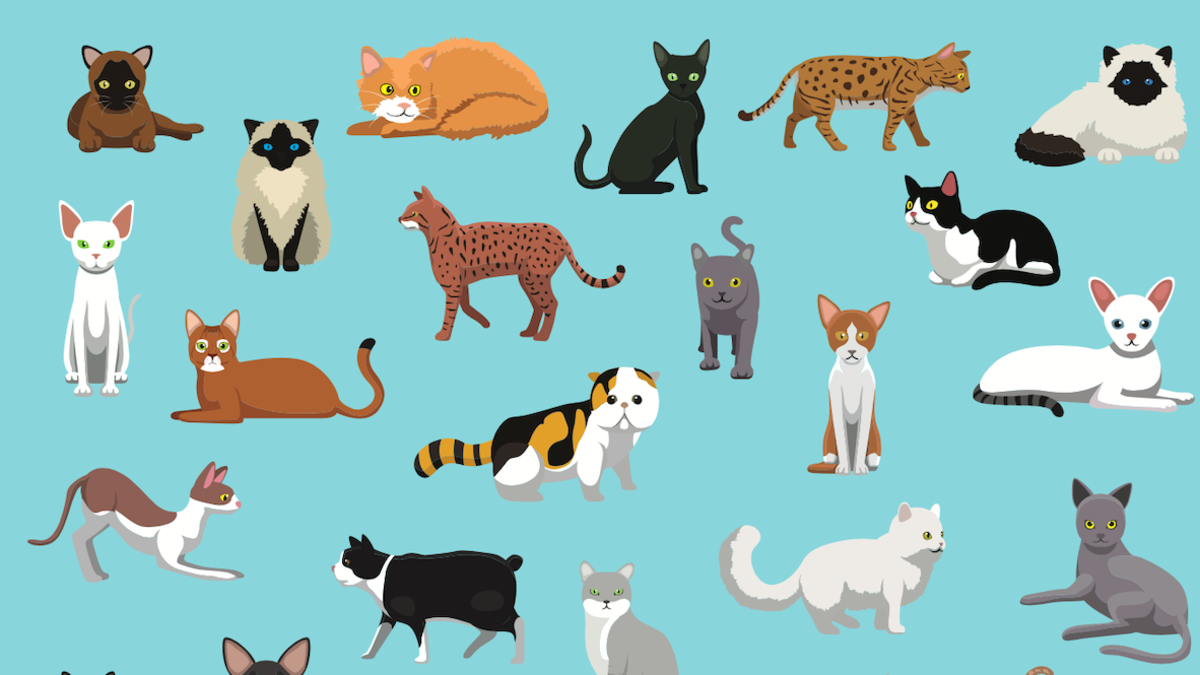
Queensland cat breeders often favor breeds that thrive in the local climate and appeal to buyers. Some popular choices include:
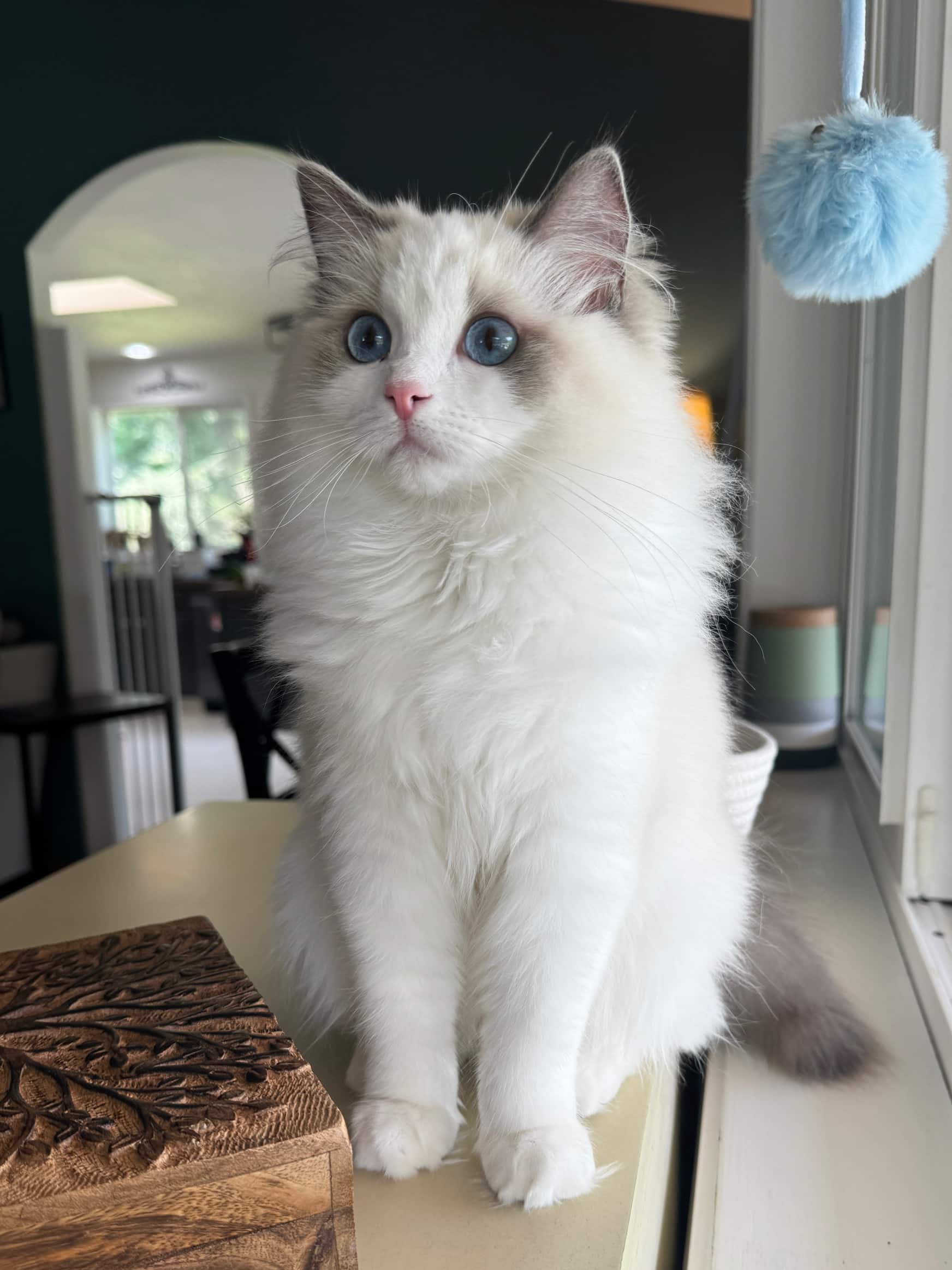
- Ragdoll:Known for their calm nature and striking blue eyes.
- British Shorthair:Stocky, easygoing, and low maintenance.
- Oriental Shorthair:Sleek, vocal, and social cats.
- Maine Coon:Large, friendly, and adaptable to outdoor environments.
Each breed has its fans and unique traits, so understanding what’s in demand locally can give you an edge.
Breed Characteristics
Every breed comes with its own set of physical and behavioral traits that affect care and breeding practices. For example, Ragdolls are gentle and need less grooming, while Maine Coons require more space and attention due to their size.
Temperament varies widely. Some cats are independent and low key, others need constant interaction. Consider how much time you can dedicate to socializing and caring for your cats.
Health issues also differ by breed. Knowing common genetic problems helps you prepare for responsible breeding and ensures healthier kittens.
Matching Breed To Lifestyle
Your daily schedule and living environment should influence your breed choice. If you work long hours, a low-maintenance, independent breed might suit you better than a highly social, demanding one.
Space matters. Larger breeds like Maine Coons thrive in roomy homes, while smaller breeds adapt well to apartments. Ask yourself: Can you provide the environment your chosen breed needs?
Think about your goals too. Are you breeding for show, companionship, or specific traits? Aligning your lifestyle with your breeding goals helps avoid burnout and keeps your cats happy.
Setting Up Your Breeding Space
Create a quiet, clean area with enough space for cats to move and rest comfortably. Ensure good ventilation and easy access to food, water, and litter boxes. Proper setup helps keep cats healthy and happy during breeding.
Setting up your breeding space is crucial for a successful cat breeding business in Queensland. A well-organized space ensures your cats feel safe and comfortable. It also helps you manage your daily tasks efficiently. Let’s explore how to create the perfect breeding environment.Creating A Comfortable Environment
Cats need a calm and cozy space to thrive. Choose a quiet room away from noise and disturbances. Ensure the room has good ventilation and natural light. Soft bedding is essential for warmth and comfort. Provide scratching posts and toys to keep cats entertained.Necessary Equipment And Supplies
Equip your space with essential items. Have food and water bowls that are easy to clean. Use litter boxes with high sides to prevent mess. Keep a supply of high-quality cat food. A first-aid kit is vital for emergencies. Consider investing in grooming tools like brushes and nail clippers.Sanitation And Hygiene Practices
Maintain cleanliness to prevent diseases. Clean litter boxes daily. Disinfect surfaces regularly to kill germs. Wash bedding often to remove dirt and odors. Ensure food and water bowls are cleaned after each use. Keep grooming tools sanitized to prevent infections.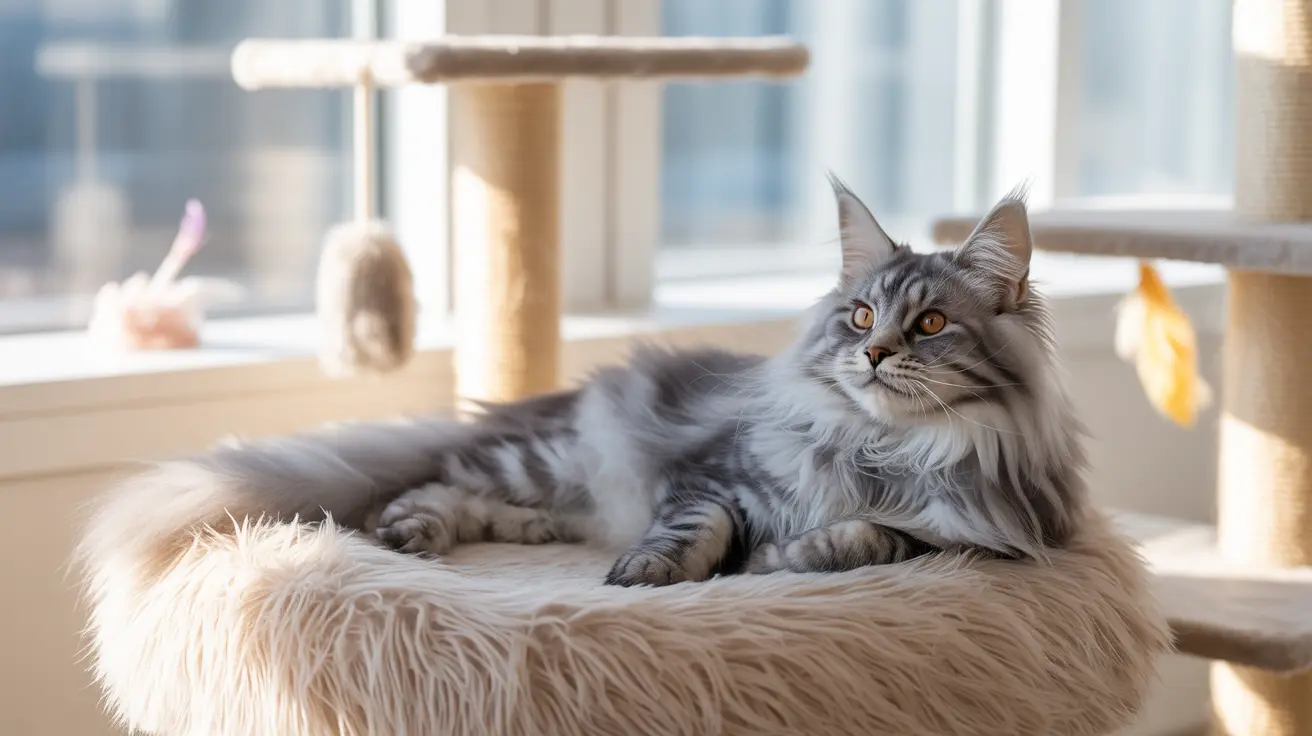
Credit: www.petscare.com
Breeding Process Basics
Understanding the breeding process basics is essential before you dive into becoming a cat breeder in Queensland. Every stage, from selecting the right cats to caring for newborn kittens, shapes the health and quality of your breeding program. Knowing what to expect helps you prepare better and avoid common pitfalls.
Selecting Breeding Cats
Your breeding cats should have excellent health, temperament, and meet the breed standards. Look for cats with clear pedigrees and no history of genetic diseases. You want both parents to complement each other’s traits to improve your kittens’ chances of being healthy and well-adjusted.
Ask yourself: How well do you know the lineage of your cats? Checking veterinary records and consulting with experienced breeders can save you from unexpected issues later.
Mating And Pregnancy Care
Timing is crucial when planning the mating of your cats. Most queens go into heat every two to three weeks during breeding season, so you’ll need to monitor their cycles closely. Make sure the environment is calm and stress-free to encourage natural mating behavior.
Pregnancy lasts about 63-67 days. During this time, increase the queen’s nutrition with high-quality food, and schedule regular vet check-ups. Watch for signs of discomfort or illness and be ready to provide a quiet, warm nesting area as the due date approaches.
Kitten Care And Development
Newborn kittens require round-the-clock attention in the first few weeks. Keep them warm and monitor their weight daily to ensure they’re feeding well. Socializing kittens early helps them become friendly and confident pets later on.
Vaccinations and vet visits are critical milestones as kittens grow. Are you prepared to handle emergency situations or health concerns? Building a network of veterinary support will give you confidence and improve outcomes for your kittens.
Record Keeping And Documentation
Keeping detailed records and documentation is essential for anyone serious about becoming a cat breeder in Queensland. Accurate records help you maintain the health and quality of your cats, track ownership changes, and stay compliant with local laws. Without organized documentation, managing your breeding program can quickly become overwhelming and risky.
Tracking Health And Pedigree
Document every cat’s health history, vaccinations, and any medical treatments. This information protects your cats and reassures buyers about their wellbeing.
Keep pedigree records to prove lineage and maintain breed standards. You might want to include:
- Parentage details
- Birth dates and litter sizes
- Show results or titles
These records also help you avoid inbreeding and plan future matings responsibly. How often do you check your cats’ health updates and adjust breeding plans accordingly?
Sales And Ownership Records
Every sale or transfer of ownership must be documented clearly. This protects you legally and ensures buyers receive proper papers for their new pets.
Include in your records:
- Buyer contact information
- Sale date and price
- Microchip or registration numbers
Keeping these details organized allows you to track your cats’ whereabouts and maintain your reputation. Would you feel confident selling a kitten without detailed sales records?
Compliance With Regulations
Queensland has specific rules about cat breeding, including licensing and animal welfare standards. You must keep documents like breeding permits, inspection reports, and compliance certificates.
Regularly update these records to avoid penalties or business interruptions. Consider creating a digital folder for easy access and backups.
Staying on top of regulations not only keeps you legal but also builds trust with customers and local authorities. Are your current records ready for a surprise inspection?
Marketing Your Cats
Marketing your cats is vital to build a successful breeding business in Queensland. Effective marketing helps reach potential buyers and establishes trust. Focus on clear communication and showcasing your cats’ unique qualities.
Building An Online Presence
Create a professional website with photos and details of your cats. Keep the site easy to navigate and mobile-friendly. Use social media platforms like Facebook and Instagram to share updates and stories. Post regularly to engage your audience. Highlight health records, breed information, and care tips. Use simple language and clear images to attract buyers.
Networking With Local Communities
Connect with local pet stores, veterinarians, and cat clubs. Attend community events to meet cat lovers and breeders. Join online forums and groups related to cat breeding in Queensland. Share knowledge and learn from others. Build relationships based on trust and respect. Personal connections often lead to reliable buyers and referrals.
Participating In Cat Shows
Enter your cats in local and regional cat shows. Shows provide exposure and validate your breeding quality. Meet other breeders and potential buyers face-to-face. Observe competitors to understand market trends. Use shows as a platform to demonstrate your cats’ health and temperament. Winning awards can boost your reputation.
Challenges And Rewards
Becoming a cat breeder in Queensland offers both exciting rewards and significant challenges. Understanding these realities upfront can prepare you for what lies ahead. The journey tests your patience, knowledge, and commitment but also brings deep satisfaction and growth.
Common Breeding Issues
Breeding cats is not always smooth. You may face health problems such as genetic disorders or complications during pregnancy. Sometimes, kittens might have developmental issues that require extra care.
Behavioral challenges can also arise. Some cats may not accept mates easily or reject their kittens. These situations demand your attention and quick action to ensure the well-being of your cats.
Keeping a close eye on vaccinations and parasite control is crucial. Missing these can lead to disease outbreaks, affecting your entire cattery.
Emotional And Financial Aspects
Cat breeding requires emotional resilience. You may experience the joy of new life but also the sadness of losing kittens or dealing with unexpected health problems. These moments test your dedication and love for the animals.
Financially, it’s more than just selling kittens. Costs include veterinary care, high-quality food, registration fees, and proper housing. Can you sustain these expenses before seeing any return?
Consider budgeting for emergencies. Unexpected vet bills or breeding complications can quickly add up. Planning ahead keeps your breeding program stable and reduces stress.
Long-term Breeding Goals
Success in breeding isn’t about quick wins. You need clear, long-term goals focused on improving cat health, temperament, and breed standards. What kind of legacy do you want to leave in the breeding community?
Tracking your breeding lines over time helps you avoid inbreeding and identify strong traits. Documenting every detail sharpens your decision-making for future matings.
Patience is key. Breeding quality cats takes years of learning and refining your approach. Are you ready to commit to continuous growth and improvement?
Credit: perfectpets.com.au
Frequently Asked Questions
What Licenses Are Needed To Breed Cats In Queensland?
To breed cats in Queensland, you need a Domestic Animal Business License. You must register with your local council. This ensures compliance with animal welfare laws and local regulations for breeding and selling cats.
How To Ensure Ethical Cat Breeding Practices In Queensland?
Ethical breeding involves health testing, proper socialization, and clean living conditions. Follow Queensland’s animal welfare guidelines. Prioritize the cats’ well-being and avoid overbreeding. This helps maintain healthy, happy cats and a good reputation.
Where To Register A Cattery In Queensland?
You must register your cattery with your local council in Queensland. Each council has specific rules and fees. Registration confirms you meet local standards for animal care and business operation. Check the council website for detailed requirements.
What Are Common Cat Breeds To Breed In Queensland?
Popular cat breeds in Queensland include Ragdolls, Siamese, and British Shorthairs. Choose breeds based on demand and your expertise. Research breed standards and health concerns before starting. This helps ensure quality and responsible breeding.
Conclusion
Becoming a cat breeder in Queensland takes time and care. Follow the local rules and get all needed permits. Learn about cat health and safe breeding practices. Keep your cats happy and well cared for. Build good relationships with other breeders and vets.
Stay patient and keep learning every day. This path can bring joy and success. Start your journey with confidence and care.

Leave a Reply