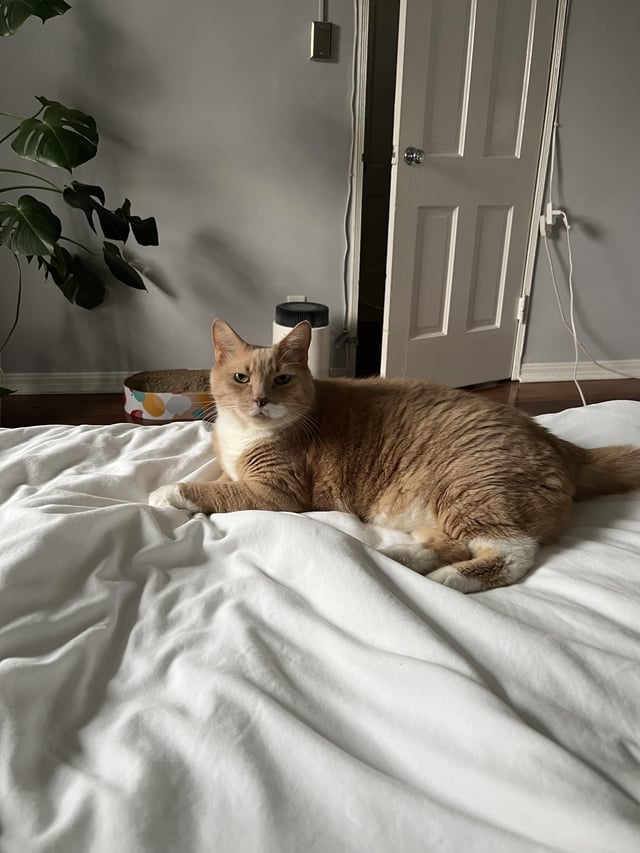
Have you noticed your cat isn’t grooming himself like he used to? It can be worrying to see your furry friend looking messy or unkempt.
Grooming is more than just keeping clean—it’s how cats stay healthy and comfortable. When your cat stops grooming, it might be a sign that something is wrong. You might be wondering what’s causing this change and what you can do to help.
Keep reading to discover the surprising reasons behind this behavior and how you can support your cat’s well-being.

Credit: www.reddit.com
Signs Of Grooming Problems
Noticing signs that your cat has stopped grooming is important. Grooming is a natural behavior that keeps your cat clean and healthy. When grooming stops, it may signal a problem.
Watch for changes in your cat’s fur and behavior. These signs can help identify grooming issues early. Acting quickly can prevent further health problems.
Changes In Fur Texture
A cat that stops grooming often shows rough or dull fur. The coat may feel greasy or dry instead of soft. Sometimes, patches of fur become thinner or fall out. These changes indicate your cat is not cleaning itself properly.
Visible Dirt Or Matted Fur
Look closely for dirt or debris on your cat’s coat. Matted fur appears clumped and tangled. This happens when fur stays unbrushed and unwashed. Matted areas can cause discomfort and skin problems if not treated.
Behavioral Shifts
Your cat may act differently when grooming problems arise. It might hide more or seem less active. Some cats become irritable or restless. Avoiding grooming can be a sign of pain or stress. These changes often point to a health issue that needs attention.

Credit: www.reddit.com
Common Health Issues
Cats usually groom themselves to stay clean and healthy. When grooming stops, health problems might be the cause. Common health issues affect a cat’s ability or desire to groom. Understanding these issues helps in caring for your pet better.
Skin Infections And Parasites
Skin infections cause discomfort and itching. Cats with infections may avoid grooming due to pain. Parasites like fleas and mites irritate the skin. They lead to hair loss and sores. This makes grooming difficult and unpleasant for cats.
Dental Pain And Oral Problems
Dental pain stops cats from grooming their faces. Problems like tooth decay or gum disease cause constant pain. Cats might lick less or avoid cleaning areas near the mouth. This leads to an overall lack of grooming and unkempt fur.
Arthritis And Mobility Challenges
Arthritis makes joint movement painful for cats. Older cats often face stiffness and limited mobility. Grooming requires flexibility and stretching. Pain can stop cats from reaching certain body parts. This results in patches of dirty or matted fur.
Stress And Environmental Factors
Stress and changes in the environment can make cats stop grooming themselves. Loud noises, new pets, or moving house may cause anxiety. This stress affects their normal habits, including cleaning their fur.
Stress and environmental factors can significantly impact your cat’s grooming habits. Cats are sensitive creatures, and changes in their environment can affect their behavior. Understanding these factors can help in identifying why your cat has stopped grooming.New Pets Or Changes At Home
Introducing a new pet can unsettle your cat. They may feel threatened or anxious. This stress can lead to a change in grooming habits. Even subtle changes, like new furniture, can cause stress. Your cat might need time to adjust.Lack Of Mental Stimulation
Cats need mental stimulation to stay happy. A bored cat can become stressed, affecting grooming. Toys and interactive play can help. Ensuring your cat is mentally engaged is crucial.Uncomfortable Living Conditions
Cats thrive in comfortable spaces. An uncomfortable environment can lead to stress. Ensure your cat has a cozy, safe spot to relax. Temperature, noise, and cleanliness also matter. A happy cat grooms regularly.
Credit: www.reddit.com
Age-related Changes
As your cat grows older, you might notice changes in how often or thoroughly they groom themselves. These shifts often stem from natural age-related changes that affect their body and mind. Understanding these changes can help you support your feline friend better and keep them comfortable.
Decreased Flexibility
Older cats often lose some of their flexibility and joint mobility. This makes it harder for them to reach certain areas, especially their back and hind legs. You might see patches of fur looking less neat or even matted because your cat can’t groom those spots well.
Have you tried gently brushing these hard-to-reach areas for your cat? It can make a big difference in their comfort and hygiene.
Cognitive Decline
Just like humans, cats can experience cognitive decline as they age. This can affect their memory and awareness, making them less likely to remember or prioritize grooming. Your cat might seem confused or less engaged in their usual routines, including self-care.
Providing a calm environment and keeping a consistent daily routine can help your cat feel more secure and encourage grooming behavior.
Reduced Energy Levels
Energy naturally decreases with age, and grooming takes effort. When your cat feels tired, they might skip or shorten grooming sessions. You might notice their coat looking dull or less cared for as a result.
Offering cozy resting spots and gentle encouragement can help your cat conserve energy while still maintaining their grooming habits.
When To See The Vet
Knowing when to seek veterinary help is crucial if your cat has stopped grooming. Grooming is a key part of a cat’s daily routine, and a sudden stop can signal serious health issues. Recognizing the right moment to visit the vet can prevent problems from worsening and keep your feline friend comfortable.
Identifying Urgent Symptoms
Watch for sudden changes like excessive lethargy or hiding. If your cat stops grooming and you notice swelling, wounds, or bald patches, it’s time to act. Difficulty walking or signs of pain also demand immediate attention.
Has your cat’s appetite dropped alongside grooming habits? This could indicate illness. Don’t wait for symptoms to worsen—early intervention makes a big difference.
Diagnostic Tests
Your vet will start with a thorough physical exam, checking skin, coat, and overall health. Blood tests often follow to detect infections or organ problems affecting grooming behavior.
Sometimes skin scrapings or allergy tests are necessary to find hidden issues. Imaging like X-rays or ultrasounds may be used if internal problems are suspected. These tests help pinpoint the exact cause so treatment can begin quickly.
Treatment Options
Treatment depends on the diagnosis but often includes medication for infections or parasites. Your vet might recommend special shampoos or topical treatments to relieve skin irritation.
If stress or anxiety is behind the grooming stop, behavioral therapy or calming products can help. Sometimes simple changes in your cat’s environment improve their grooming habits significantly.
Have you noticed how quickly your cat responds once the right treatment starts? Don’t hesitate to get professional advice—it can transform your cat’s well-being.
Helping Your Cat Groom Again
Helping your cat groom again is crucial for their health and happiness. Grooming keeps their coat clean, controls shedding, and prevents skin problems. When your cat stops grooming, it’s a sign they might need a little help from you.
Regular Brushing Techniques
Start by brushing your cat gently to remove loose fur and dirt. Use a brush suited to your cat’s coat type, like a slicker brush for long hair or a rubber brush for short hair.
Brush in the direction of the fur growth to avoid discomfort. Short, calm sessions work best—try a few minutes daily to build trust and routine.
Notice how your cat responds. If they enjoy it, you’ll see them relaxing and even purring. If they resist, try a softer brush or break the session into smaller parts.
Improving Comfort And Mobility
Sometimes, your cat stops grooming because they’re in pain or can’t reach certain areas. Arthritis or injuries can make bending painful.
Help by gently massaging stiff areas or encouraging gentle exercise to keep joints moving. Providing soft bedding and easy access to favorite spots can also make a big difference.
If you suspect pain, consult your vet for proper treatment. Have you noticed your cat limping or avoiding jumping lately? These signs matter.
Creating A Stress-free Environment
Stress affects cats deeply and can disrupt grooming habits. Loud noises, new pets, or changes in routine might make your cat anxious.
Create calm spaces where your cat feels safe. Use familiar scents, quiet corners, and consistent feeding times to reduce stress.
Spend quality time playing or simply sitting with your cat. Your calm presence helps them feel secure and may encourage them to groom again.
Frequently Asked Questions
Why Has My Cat Suddenly Stopped Grooming?
Cats may stop grooming due to pain, illness, or stress. Skin infections or arthritis often cause discomfort. Mental health issues like anxiety can also affect grooming habits. A vet visit can identify underlying problems and guide appropriate treatment.
Can Lack Of Grooming Indicate Cat Health Problems?
Yes, poor grooming often signals health issues like infections or parasites. It may also indicate dental pain or obesity. Regular vet checks help detect and treat these problems early, ensuring your cat stays healthy and comfortable.
How Does Stress Affect A Cat’s Grooming Behavior?
Stress can cause cats to groom less or over-groom. Changes in environment or routine often trigger stress. Identifying stressors and providing a calm environment can improve grooming habits and overall well-being.
What Should I Do If My Cat Stops Grooming?
Observe your cat for other symptoms like lethargy or weight loss. Schedule a vet appointment for a thorough examination. Follow vet advice on treatment, diet, or behavioral changes to help your cat resume grooming.
Conclusion
A cat stopping grooming can signal health or stress issues. Watch for changes in behavior or appearance. Visit a vet to rule out illness or pain. Help your cat feel calm and safe at home. Regular grooming supports your cat’s health and happiness.
Taking quick action can make a big difference. Keep observing your cat’s habits every day. Caring for your pet shows your love and attention.

Leave a Reply