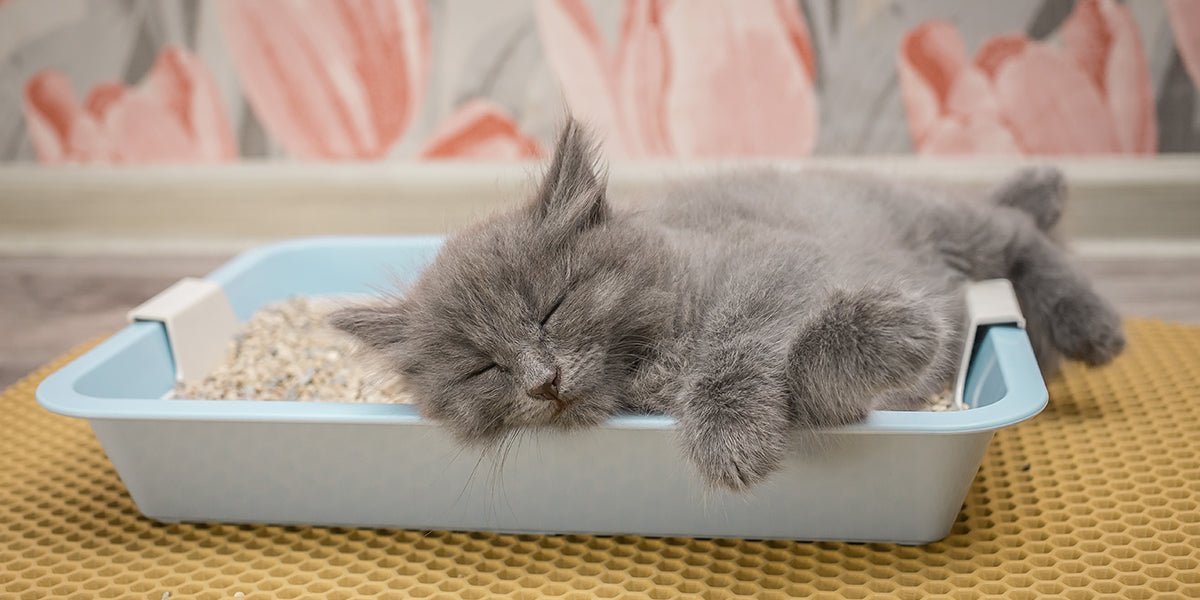
Have you ever found your cat snoozing in the litter box and wondered, “Why does my cat sleep there?” It’s a strange and puzzling behavior that can make you worry about your furry friend’s health or comfort. You might be asking yourself if something is wrong or if this is just a quirky habit.
Understanding why your cat chooses this unusual spot can help you keep them happy and safe. Keep reading to discover the surprising reasons behind this behavior and what you can do to make your cat feel more comfortable.
Cat Behavior Basics
Cats have unique habits that puzzle many owners. Understanding basic cat behavior helps explain odd actions. Sleeping spots and litter box use reveal much about a cat’s needs and feelings.
Typical Sleeping Spots
Cats choose sleeping places based on comfort and safety. Common spots include:
- Soft beds or blankets
- Sunny windowsills
- High shelves or furniture
- Cozy corners or boxes
These spots offer warmth and quiet. Cats avoid loud or busy areas. A cat sleeping in the litter box is unusual and signals something different.
Litter Box Functions
The litter box is mainly for bathroom needs. Cats also use it to mark territory with scent. It is a private space that feels safe to them.
Some cats may sleep there if they feel stressed or unwell. The litter box offers shelter and a sense of security. Understanding these functions helps explain this strange behavior.
Health Concerns
Noticing your cat sleeping in the litter box can be alarming. This behavior often signals underlying health concerns that need your immediate attention. Understanding these issues helps you act quickly and ensure your cat’s well-being.
Urinary Tract Issues
Your cat may retreat to the litter box if it’s experiencing urinary tract problems. Conditions like urinary tract infections or blockages cause discomfort and frequent urination, making the litter box a place where they feel relief.
Have you observed your cat straining or vocalizing while urinating? These signs can indicate serious problems that require a vet’s care. Don’t ignore sudden changes in your cat’s bathroom habits.
Stress And Anxiety
Stress can push cats to seek out confined, familiar spaces, and the litter box often fits this need. Changes in their environment, new pets, or loud noises might trigger anxiety, leading them to sleep in the litter box for comfort.
Think about any recent changes at home. Could your cat be feeling overwhelmed or insecure? Providing a calm, safe space outside the litter box might help them feel more relaxed.
Pain Or Discomfort
If your cat is in pain, it may look for a quiet, enclosed spot to rest, and the litter box can become that refuge. Arthritis or injury might make moving difficult, so they stay close to where they relieve themselves.
Watch for limping, reluctance to jump, or changes in posture. These could be clues that your cat needs a health check. Offering soft bedding nearby might encourage them to rest more comfortably.
Environmental Factors
Cats sleeping in their litter boxes can be puzzling. Environmental factors often play a role. Understanding these can help address the issue.
Litter Box Location
The location of the litter box affects a cat’s behavior. A box in a quiet, secure place makes a cat feel safe. Noise or high traffic areas can drive a cat into the box. They seek refuge and comfort.
Cleanliness And Comfort
Cats are clean creatures. A dirty litter box can make them uneasy. If their usual sleeping spot is dirty, they may choose the box. Keeping the box clean helps ensure comfort and hygiene.
Overcrowded Spaces
Living in crowded spaces can stress a cat. Limited personal space leads them to the litter box. It becomes a quiet escape. Providing enough space can help alleviate this habit.

Credit: meowant.com
Territorial Instincts
Cats have strong territorial instincts. These instincts drive many of their behaviors, including unusual choices of resting spots. Sleeping in the litter box may seem odd, but it can be a way for cats to claim their territory.
Marking Territory
Cats mark their territory to feel safe and secure. Their scent tells other animals that this space belongs to them. The litter box holds their unique scent, making it a strong marker.
By sleeping there, cats reinforce their claim. It sends a message to other pets or intruders. The litter box becomes more than just a bathroom spot—it turns into a personal zone.
Protecting Safe Zones
The litter box is a quiet, enclosed area. Cats often seek places where they feel protected. Sleeping in the litter box helps them guard this safe zone.
This behavior can increase when the cat feels stressed or threatened. The litter box provides a small refuge. It is a way for cats to stay alert yet secure in their space.
Behavioral Causes
Cats sometimes choose unusual places to sleep. The litter box can seem odd to us. Yet, certain behaviors explain why cats pick this spot. These choices often relate to feelings and needs. Understanding these behaviors helps address the issue kindly and effectively.
Seeking Security
Some cats feel safer in small, enclosed spaces. The litter box offers a quiet, confined area. It may remind them of a den or hiding spot. This sense of security helps reduce stress and fear. Cats facing changes or threats often seek such places.
Stress from new pets, loud noises, or visitors can make cats uneasy. The litter box acts as a refuge. It becomes a spot where cats feel protected and calm. This behavior shows their need for comfort and safety.
Boredom Or Attention Seeking
Cats need mental and physical stimulation every day. Without enough play or interaction, they can feel bored. Sleeping in the litter box might be a way to express this boredom. It is a strange place that can get your attention.
Sometimes, cats act out to engage their owners. If they notice you react to litter box sleeping, they may repeat it. This behavior is a call for more play, petting, or company. Meeting their needs can reduce such actions.
When To See A Vet
Seeing a cat sleep in its litter box can be unusual and worrying. This behavior may point to health problems. Knowing when to visit a vet helps protect your cat’s well-being. It ensures early treatment for any issues that might be causing this strange habit.
Signs Of Illness
- Frequent urination or difficulty peeing
- Blood in urine or stool
- Vomiting or diarrhea
- Loss of appetite or weight loss
- Lethargy or weakness
- Excessive licking of the genital area
These signs often indicate infections or bladder problems. Visit a vet quickly to avoid serious conditions.
Behavioral Changes
- Hiding more than usual
- Aggression or irritability
- Excessive meowing or vocalizing
- Changes in grooming habits
- Restlessness or pacing
Changes in behavior can signal pain or stress. A vet can check for underlying causes and offer help.
Solutions And Tips
Seeing your cat sleep in the litter box can be puzzling and concerning. Luckily, there are practical ways to help your feline friend feel more secure and comfortable outside their bathroom space. These solutions focus on improving their environment and reducing any underlying stress that might be causing this unusual behavior.
Improving Litter Box Setup
Start by checking the cleanliness of the litter box. Cats dislike dirty litter, so scoop daily and change litter regularly to keep it fresh.
Consider the type of litter you use. Some cats prefer unscented, clumping litter because it feels softer and less irritating on their paws.
Try adding a second litter box in a quiet, low-traffic area. This gives your cat options and reduces the chance they feel trapped or stressed in one spot.
Creating Comfortable Spaces
Your cat might be seeking safety and warmth by sleeping in the litter box. Provide cozy alternatives like soft beds or blankets in secluded corners.
Place these comfy spots near windows or areas where your cat enjoys watching outside. This helps your cat feel entertained and secure.
Use familiar scents, such as a worn shirt or a blanket with your scent, to make new resting areas more inviting.
Addressing Stress Factors
Ask yourself if there have been any recent changes in your home—new pets, visitors, or loud noises—that could stress your cat.
Try calming aids like pheromone diffusers or sprays. These products can create a soothing atmosphere that reduces anxiety.
Spend quality time playing and interacting with your cat to build trust and help them feel safe outside the litter box. Have you noticed if your cat’s behavior improves on days when you engage more?

Credit: www.youtube.com

Credit: www.purina.com
Frequently Asked Questions
Why Does My Cat Prefer Sleeping In The Litter Box?
Cats may sleep in the litter box due to stress, illness, or comfort seeking. It feels safe and enclosed. Medical issues like urinary tract infections can also cause this behavior. Observing your cat’s health and environment is crucial to address the cause promptly.
Can Health Problems Cause Cats To Sleep In Litter Boxes?
Yes, health issues like urinary tract infections or bladder problems can lead cats to sleep in litter boxes. Pain or discomfort makes them stay close to where they relieve themselves. A vet visit is important to rule out or treat any medical conditions.
How Can Stress Make Cats Sleep In The Litter Box?
Stress from changes like new pets, moving, or loud noises can make cats seek safe spaces. The litter box feels like a secure, enclosed spot. Reducing stressors and providing cozy resting places helps your cat feel safe and avoid litter box sleeping.
Is It Normal For Cats To Sleep In The Litter Box?
Sleeping in the litter box is unusual and often signals stress, illness, or anxiety. Cats prefer clean, comfortable places to rest. If your cat sleeps there regularly, investigate potential health or environmental problems to ensure their well-being.
Conclusion
Cats sometimes sleep in their litter boxes for comfort or stress relief. It can mean they feel safe or are unwell. Watch your cat’s behavior and health closely. Keep the litter box clean and quiet for your cat. If this habit continues, talk to a vet.
Understanding your cat helps keep them happy and healthy. Caring for your pet means noticing small changes. Your cat’s comfort matters most.



Leave a Reply