If you’ve ever struggled to get your cat to use the litter box, you know how frustrating it can be. You want your home to stay clean, and your cat to feel comfortable and happy.
But sometimes, cats just don’t seem interested in their litter box. What if there was a simple way to change that? You’ll discover easy and effective tips to attract your cat to the litter box—making life easier for both of you.
Keep reading, because the solution might be simpler than you think!

Credit: www.amazon.com
Choosing The Right Litter Box
Choosing the right litter box plays a key role in helping your cat use it consistently. The wrong box can make your cat avoid it altogether. Pay close attention to size, shape, and style to make your cat comfortable. A good box fits your cat’s needs and your space.
Size And Shape Considerations
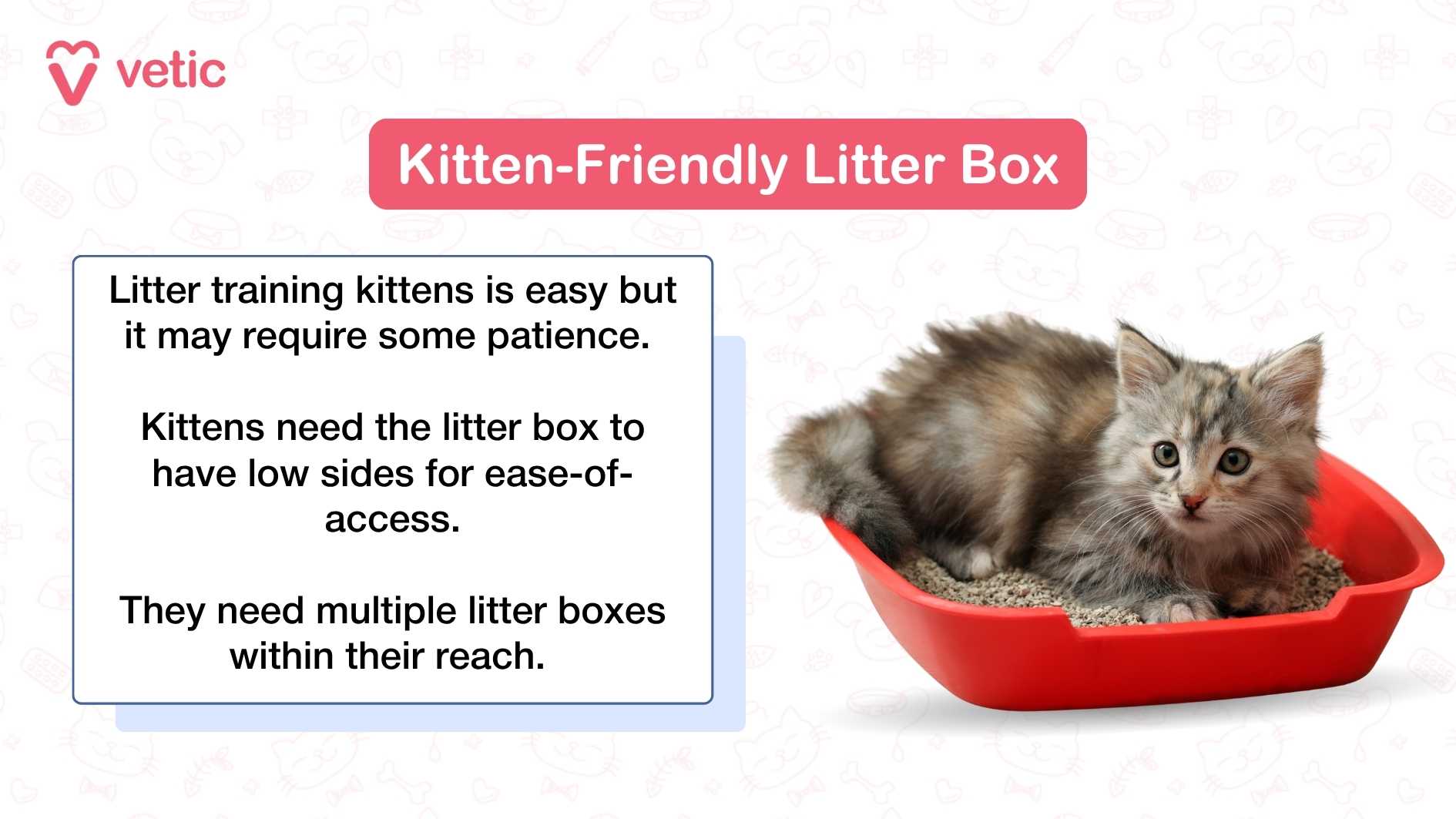
Select a litter box that suits your cat’s size and age. Cats need enough room to turn around easily. Small boxes can feel cramped and discourage use. Tall-sided boxes help contain litter but may be hard for kittens or older cats to enter.
- Choose a box at least 1.5 times the length of your cat
- Consider low-entry boxes for kittens or elderly cats
- Use larger boxes for multiple cats or big breeds
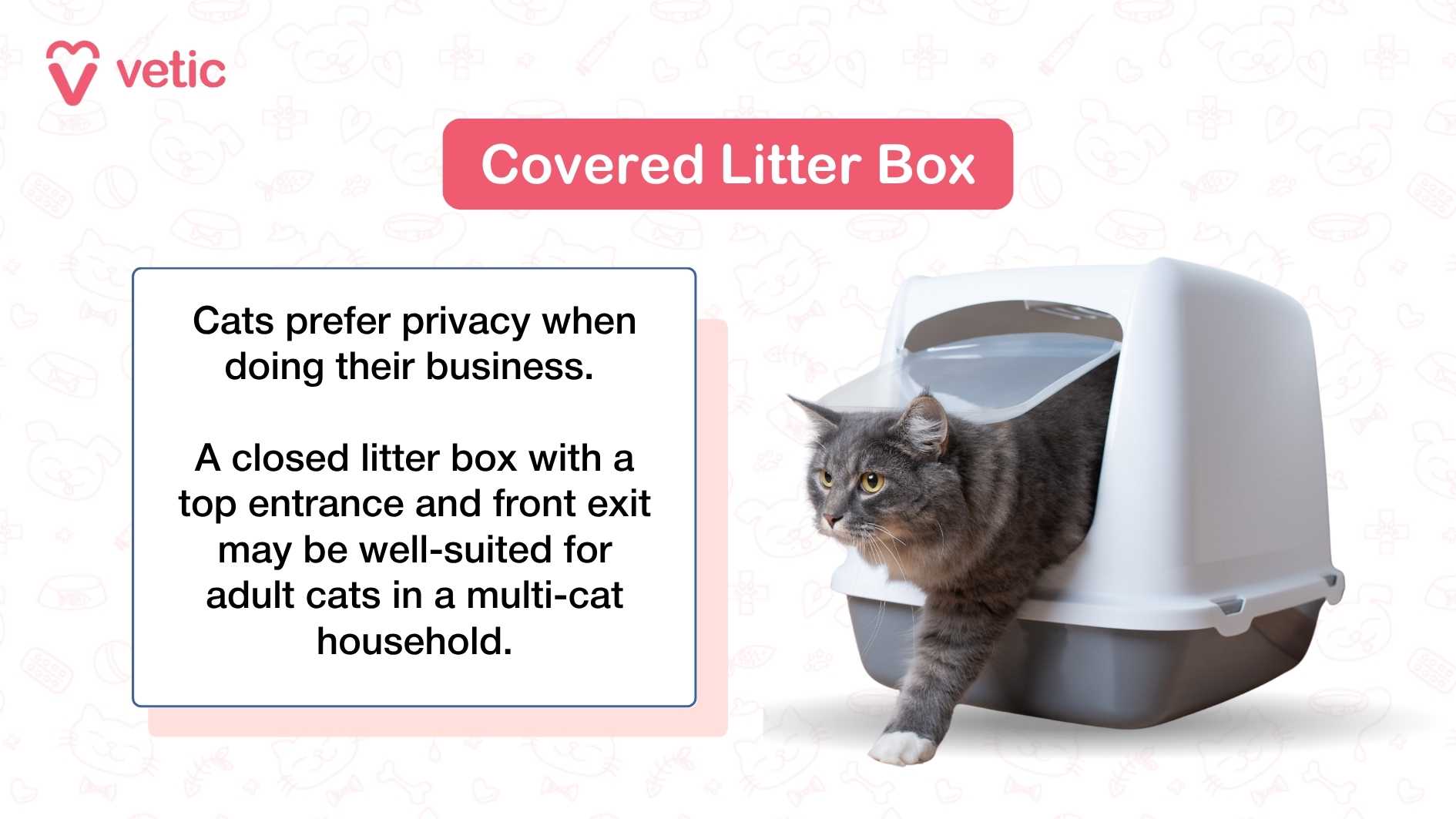
Covered Vs. Open Boxes
Decide between covered and open litter boxes based on your cat’s preference. Covered boxes reduce odor and litter scatter. Some cats feel trapped or anxious in covered boxes. Open boxes offer better ventilation and easy access. Watch your cat’s behavior to see which they prefer.
Placement Tips
Place the litter box in a quiet, low-traffic area. Avoid noisy appliances or busy hallways nearby. Cats want privacy to feel safe while using the box. Keep the box away from their food and water bowls. Ensure the area is well-lit but not too bright.
Credit: vetic.in
Selecting The Best Cat Litter
Selecting the best cat litter is key to making your cat comfortable with their litter box. The right litter can encourage your cat to use the box consistently and help avoid accidents around your home. Understanding your cat’s preferences and needs will save you time and frustration.
Types Of Cat Litter
There are several types of cat litter available, each with different materials and properties. Clay-based litters are common and affordable but can be dusty. Clumping clay litters make cleaning easier by forming solid clumps when wet.
Natural options like corn, wheat, or pine litters are biodegradable and often less dusty. Silica gel crystals absorb moisture and control odor well but feel different under a cat’s paws. Think about what fits your lifestyle and your cat’s habits best.
Scented Vs. Unscented
Some litters come with added fragrances to mask odors, but many cats dislike strong scents. If your cat avoids the litter box, the scent might be a reason. Unscented litter usually feels more natural and is less likely to deter your cat.
Consider trying both types in small amounts to see which your cat prefers. You might be surprised how sensitive cats are to smells you barely notice. Would your cat choose comfort over fragrance?
Texture Preferences
Cats have unique preferences when it comes to litter texture. Some prefer fine, sand-like litter that feels soft on their paws. Others like coarser textures that mimic outdoor soil.
If your cat suddenly stops using the litter box, check if you recently changed the litter type or brand. You can experiment by placing small trays with different textures side by side and observe which one your cat uses more. Paying attention to texture can make a big difference in attracting your cat to the box.
Creating A Comfortable Environment
A calm and quiet space helps cats feel safe near their litter box. Soft lighting and a clean box invite cats to use it comfortably. Creating a cozy spot encourages regular litter box visits.
Creating a comfortable environment for your cat’s litter box is essential. Cats are particular creatures and appreciate a serene, clean space. A well-thought-out environment encourages regular use of the litter box. This reduces accidents in unwanted areas.Keeping The Area Clean
A clean litter box area is crucial for cats. They have a strong sense of smell and dislike dirty spaces. Scoop the litter box daily. Remove waste promptly to maintain freshness. Regularly change the litter to keep odors at bay. This ensures your cat feels comfortable using it.Reducing Noise And Distractions
Cats prefer quiet places to do their business. Place the litter box in a calm area. Avoid locations with loud noises or high traffic. This helps your cat feel safe and undisturbed. A peaceful setting encourages regular use.Ensuring Privacy
Cats value their privacy. A secluded spot for the litter box can make a difference. Use a corner or separate room if possible. This ensures your cat feels secure. Privacy promotes a positive litter box experience.
Credit: www.walmart.com
Training Techniques For Litter Use
Training your cat to use the litter box effectively requires patience and consistent techniques. The right approach helps your cat feel comfortable and encourages good habits. Let’s look at some practical training techniques that can make this process smoother for both you and your feline friend.
Positive Reinforcement
Positive reinforcement is one of the most effective ways to encourage litter box use. Reward your cat immediately after they use the box with gentle petting or a soft voice. This helps your cat connect the action with a pleasant experience.
Avoid punishment, as it can create fear or confusion. Instead, focus on celebrating successes. Over time, your cat will learn that using the litter box brings rewards, making them more likely to repeat the behavior.
Using Treats And Praise
Treats work wonders to motivate your cat during litter training. Keep small, tasty treats ready to give right after your cat uses the litter box. This creates a positive link between the box and something they enjoy.
Praise also plays a key role. Speak in a cheerful tone and use encouraging words like “good kitty” or “well done.” Your cat can pick up on your enthusiasm, which boosts their confidence and willingness to use the box.
Handling Accidents Properly
Accidents are a natural part of training but how you respond matters. Never scold or punish your cat for accidents. Instead, calmly clean the area with an enzyme cleaner to remove odors that might encourage repeat accidents.
Consider why the accident happened. Is the litter box clean? Is it in a quiet, accessible spot? Adjusting these factors can prevent future problems. Your calm and thoughtful response helps your cat feel safe and supported as they learn.
Addressing Common Problems
Getting your cat comfortable with the litter box can sometimes feel like solving a puzzle. Many common issues can stand in the way, but understanding these problems is the first step to fixing them. Let’s look at some typical challenges and how you can handle them effectively.
Dealing With Avoidance
When your cat avoids the litter box, it’s often a sign something isn’t quite right. Check if the box is clean, as cats hate dirty spaces. Also, consider the box’s location; a noisy or hard-to-reach spot can be off-putting.
Have you noticed your cat’s preference for certain textures? Some cats dislike clumping litter or scented types. Try switching to a plain, unscented litter and see if that makes a difference.
Managing Multiple Cats
In homes with more than one cat, litter box issues can become more complex. Cats are territorial and may not want to share a box. A good rule is to have one box per cat, plus one extra.
Watch how your cats interact around the boxes. Are any of them being blocked or bullied? Creating separate, quiet litter areas can reduce stress and encourage proper use.
Health Issues Affecting Use
If your cat suddenly stops using the litter box, health problems might be the cause. Urinary tract infections, arthritis, or other conditions can make it painful or difficult to use the box.
Don’t ignore sudden changes. A quick vet visit can rule out medical issues and get your cat back to normal behavior faster.
Frequently Asked Questions
How Do I Choose The Right Litter Box For My Cat?
Select a litter box that suits your cat’s size and preferences. Larger boxes with low sides help easy access. Covered boxes offer privacy but may trap odors. Experiment to find what your cat prefers for comfortable use.
What Type Of Cat Litter Attracts Cats Best?
Unscented, clumping clay litter is most appealing to cats. It mimics natural soil and controls odor well. Avoid strong fragrances, as they may repel your cat. Keep the litter fresh and clean for continuous attraction.
Where Should I Place The Litter Box In My Home?
Place the litter box in a quiet, low-traffic area. Avoid loud appliances or busy rooms that can stress your cat. Ensure the spot is easy to access and has some privacy. This encourages regular use and comfort.
How Often Should I Clean The Litter Box?
Clean the litter box daily by scooping waste. Replace all litter and wash the box with mild soap weekly. Regular cleaning prevents odors and keeps the box inviting. A clean box encourages your cat to use it consistently.
Conclusion
A clean and quiet litter box invites cats to use it. Place it in a calm, easy-to-reach spot. Use litter that feels soft and smells mild. Praise your cat when it uses the box right. Watch for signs if your cat avoids it.
Small changes can make a big difference. Patience and care help your cat feel safe. Soon, your cat will happily use the litter box. Simple steps lead to a happy, healthy pet.



Leave a Reply