Is your cat suddenly ignoring the litter box and making a mess around your home? It’s frustrating, confusing, and can leave you wondering what went wrong.
You might feel worried or even a bit helpless. But don’t worry—there are clear reasons why your cat refuses to use the litter box, and understanding them can help you fix the problem fast. Keep reading to discover what might be causing this behavior and how you can get your cat back on track, keeping both of you happy and stress-free.
Common Litter Box Issues
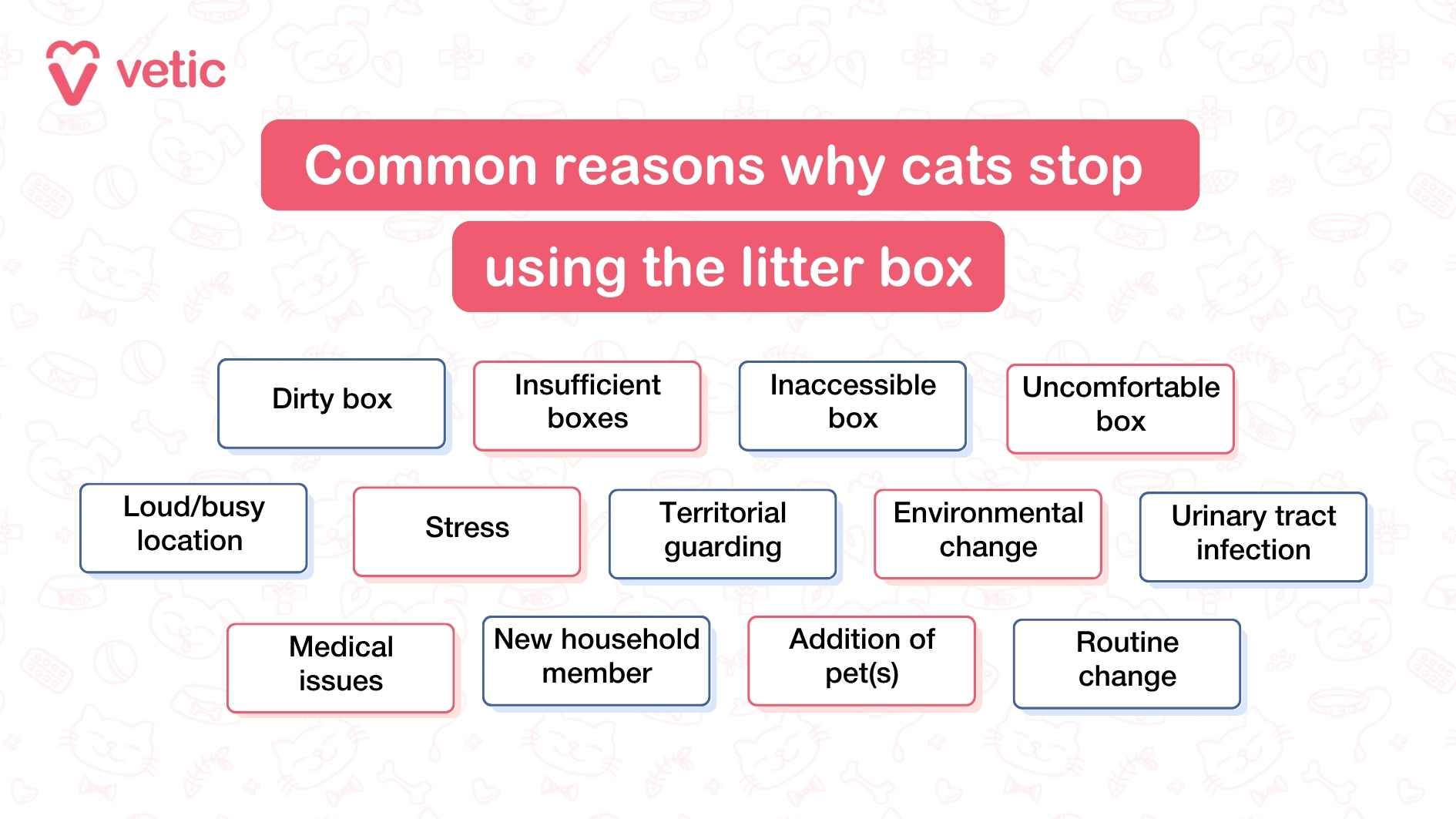
Many cats avoid their litter boxes due to common issues. These problems often cause confusion and frustration for cat owners. Understanding these issues helps create a better environment for your cat. Addressing these problems can improve your cat’s comfort and hygiene.
Dirty Or Unappealing Litter
Cats are clean animals and dislike dirty litter boxes. A box that is not scooped daily can smell bad. Clumps and waste left inside discourage use. Some cats dislike strong-smelling or scented litter. They prefer plain, unscented options that feel soft on their paws.
Wrong Type Of Litter Box
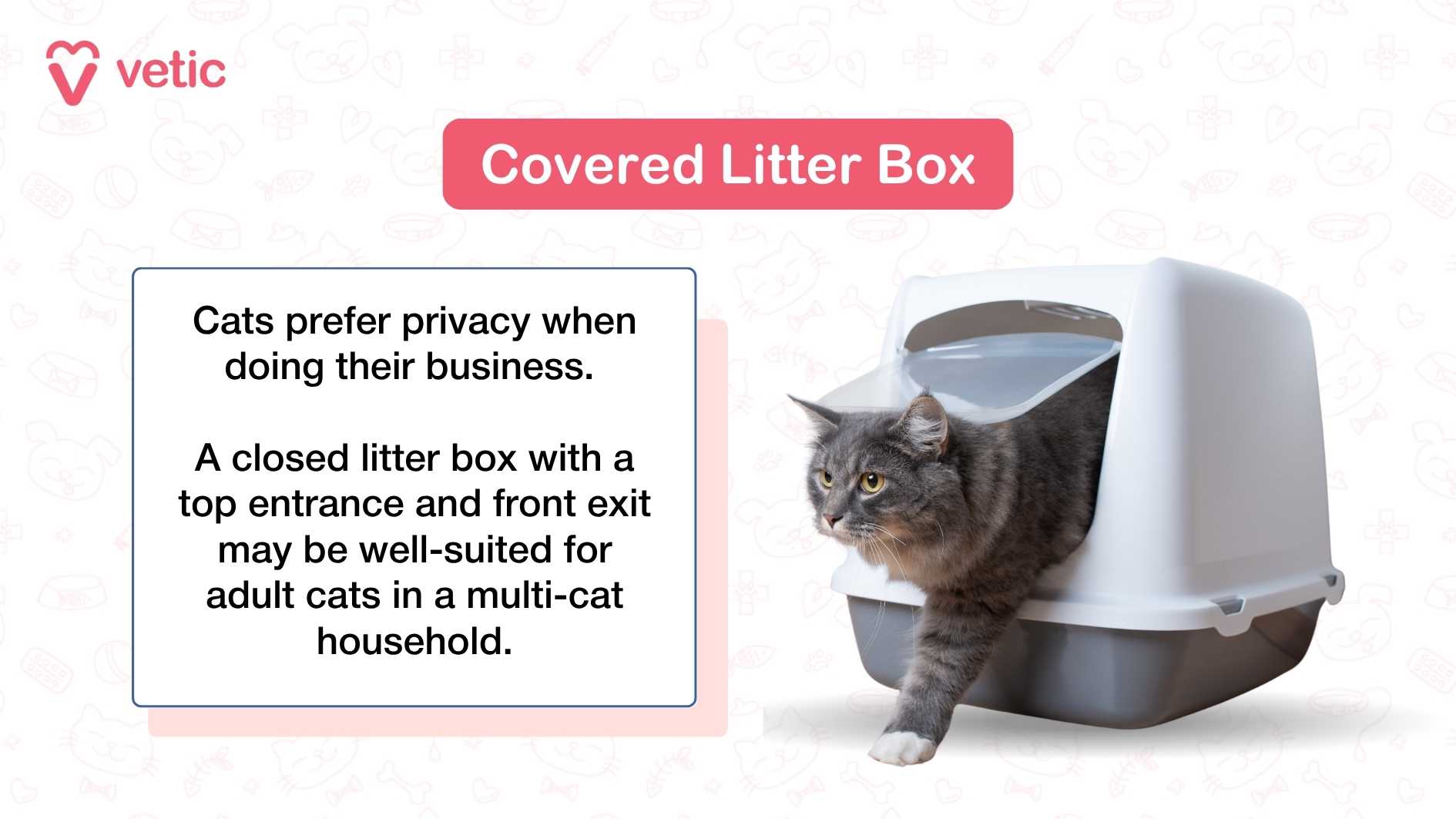
Size and shape matter for your cat’s litter box. A box that is too small or tall can be hard to enter. Covered boxes may trap smells, making cats uncomfortable. Older cats or those with health issues need easier access. Low-sided boxes or open designs suit their needs better.
Location Problems
Placement affects your cat’s willingness to use the box. Noisy or busy areas can scare them away. Boxes near food or water bowls feel unsafe to cats. They need quiet, private, and easily accessible spots. Avoid places with strong smells or constant foot traffic.
Credit: vetic.in
Health-related Causes
Health problems often cause cats to avoid the litter box. Illness or pain makes using the box uncomfortable or stressful for them. Understanding these health issues helps you find the right solution quickly.
Urinary Tract Infections
Urinary tract infections (UTIs) are common in cats. They cause pain when your cat urinates. This pain can make your cat avoid the litter box. Your cat may also urinate outside the box to avoid discomfort. Watch for signs like frequent trips to the litter box or blood in the urine. A vet can diagnose and treat UTIs with medication.
Digestive Issues
Digestive problems may stop cats from using the litter box. Diarrhea or constipation makes it hard for cats to go. They might associate the litter box with pain or discomfort. This can cause them to go elsewhere. If your cat has loose stools or struggles to poop, see a vet. Treating digestive issues often improves litter box habits.
Pain Or Mobility Problems
Arthritis or injury can make entering the litter box painful. Cats with joint pain may find it hard to jump in or out. They may avoid the box to escape discomfort. Older cats often face mobility challenges. A low-entry litter box or softer litter can help. Consult your vet for pain relief and care options.
Behavioral Factors
Cats may avoid the litter box due to stress or changes in their environment. Fear, anxiety, or conflicts with other pets often cause this behavior. Understanding these emotional triggers helps in addressing the problem effectively.
Understanding the behavioral factors behind your cat’s refusal to use the litter box can be both enlightening and frustrating. Cats are complex creatures, and their actions often reflect more profound issues. By identifying these behavioral triggers, you can help your feline friend feel more comfortable and secure.Stress And Anxiety
Stress and anxiety are common reasons why a cat might avoid the litter box. Cats are sensitive to changes and can become anxious over seemingly small disruptions. Have you recently rearranged furniture or introduced a new pet? Your cat might be reacting to these changes. Consider providing a quiet, stress-free environment with familiar scents and sounds to help them relax.Territorial Marking
Cats are territorial by nature. If your cat is refusing the litter box, it might be marking its territory. This behavior is especially common in multi-cat households. Keep an eye on where your cat is urinating. Is it consistently in the same place? This might be a sign of marking behavior. Try giving each cat its own space and litter box to reduce competition and stress.Changes In Household
Significant changes in your household can affect your cat’s litter box habits. A new baby, a roommate moving in, or even a change in your work schedule can unsettle your cat. Think about any recent changes that might have upset your cat’s routine. Reestablish a consistent daily routine to help your cat feel more secure. Offering extra attention and playtime might also reassure your feline companion and encourage litter box use. Remember, your cat’s behavior is a form of communication. Listening and responding to their needs can make all the difference.Solutions To Encourage Use
If your cat refuses to use the litter box, don’t lose hope. There are practical steps you can take to encourage your feline friend to get back on track. Understanding the right approach can make a huge difference in your cat’s comfort and your peace of mind.
Cleaning Tips
Cleanliness is key to encouraging your cat to use the litter box. Scoop waste daily and change the litter at least once a week to prevent odors that drive cats away.
Some cats prefer unscented, clumping litter because it feels softer and is easier to dig in. Try rinsing the box with mild soap and warm water regularly, avoiding strong chemicals that might deter your cat.
Have you noticed your cat avoiding the box after cleaning? Sometimes, residual cleaning agents can be off-putting, so switching to fragrance-free products might help.
Choosing The Right Litter Box
The size and style of the litter box play a big role in your cat’s willingness to use it. Larger cats need bigger boxes to move comfortably, while some cats prefer covered boxes for privacy.
Placement matters too. Position the litter box in a quiet, low-traffic area to make your cat feel safe. Try having multiple boxes around the house if you have more than one cat or a large space.
Consider the box’s entrance height as well. Older cats or those with mobility issues may struggle with high sides. Have you tried different designs to see what your cat prefers?
Reducing Stress For Your Cat
Stress can cause litter box refusal. Changes in routine, new pets, or loud noises might unsettle your cat.
Create a calm environment by providing hiding spots and vertical spaces like cat trees. Spend quality time with your cat to rebuild trust and security.
Using synthetic feline pheromone diffusers can help reduce anxiety. Do you notice your cat’s behavior change in stressful situations? Addressing these triggers can improve litter box habits dramatically.
When To See A Vet
Knowing when to take your cat to the vet is crucial if they suddenly refuse to use the litter box. Ignoring this behavior could mean missing signs of a serious health problem. Paying attention to specific symptoms can help you decide if a vet visit is necessary.
Identifying Medical Symptoms
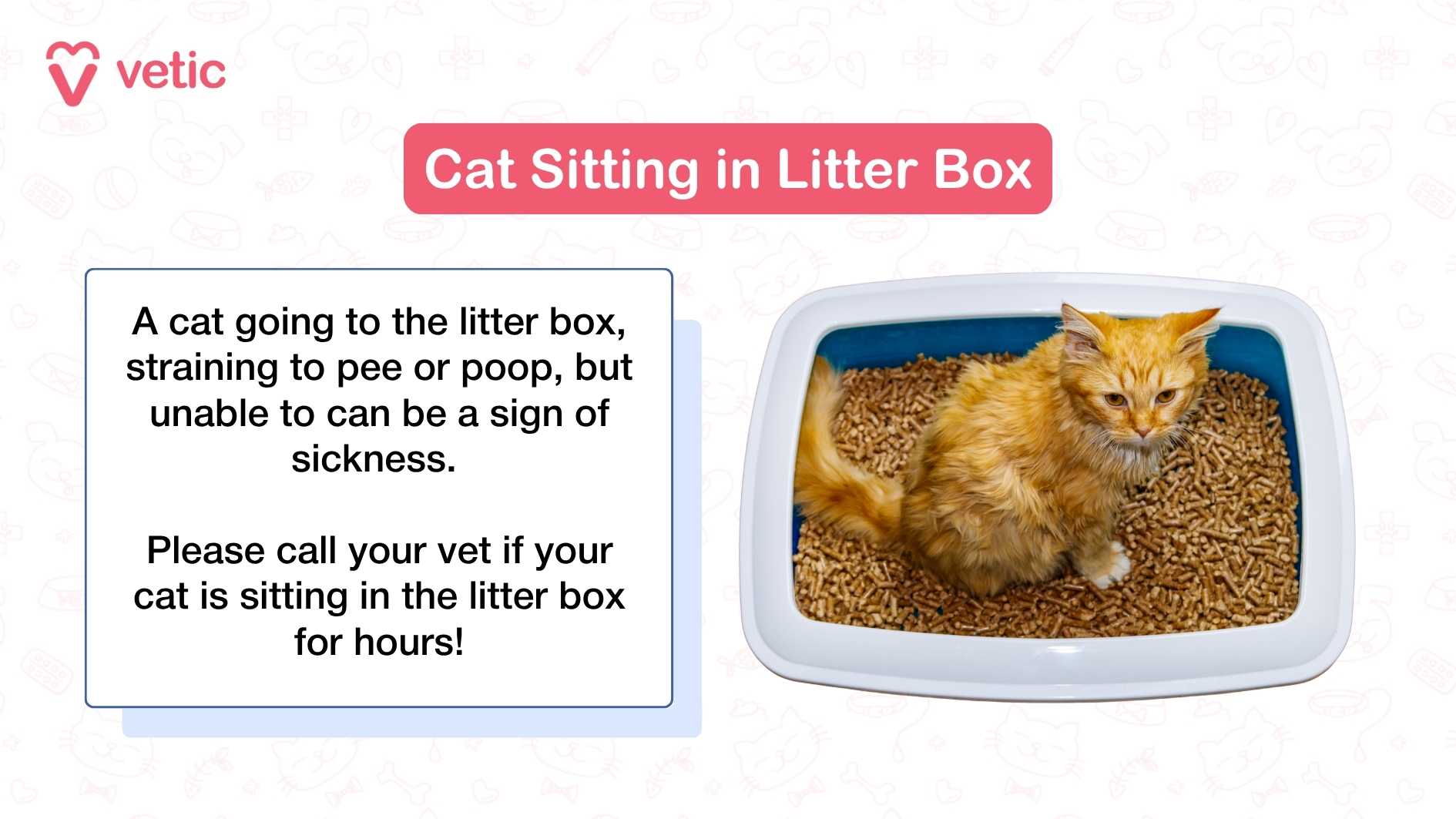
Watch for any sudden changes in your cat’s bathroom habits. Are they straining, crying, or spending too much time in the litter box? These signs might point to a urinary tract infection or bladder stones.
Other symptoms include blood in the urine, frequent attempts to urinate with little success, or accidents outside the box. If your cat shows signs of pain, lethargy, or loss of appetite, these could also indicate a medical issue.
Have you noticed your cat licking their private area excessively? This behavior often signals discomfort or irritation that needs professional attention.
Professional Diagnosis And Treatment
Only a vet can accurately diagnose the cause behind your cat’s litter box refusal. They will perform a physical exam, urine tests, or blood work as needed. This helps identify infections, kidney problems, or other conditions.
Once diagnosed, the vet will recommend a treatment plan that may include medication, dietary changes, or other therapies. Following their advice closely can help your cat return to normal habits faster.
Remember, delaying a vet visit might worsen your cat’s condition. If you’ve noticed any medical symptoms, schedule an appointment promptly to give your furry friend the best chance at recovery.
Credit: vetic.in
Credit: vetic.in
Frequently Asked Questions
Why Does My Cat Suddenly Stop Using The Litter Box?
Cats may stop using the litter box due to stress, illness, or changes in their environment. Medical issues like urinary tract infections can cause avoidance. Behavioral problems, dirty litter, or an unsuitable box location also contribute to this issue.
How Can I Encourage My Cat To Use The Litter Box Again?
Clean the litter box daily and place it in a quiet, accessible area. Use the litter type your cat prefers. Provide positive reinforcement and consult a vet if behavior persists to rule out medical problems.
Can Litter Box Problems Indicate Health Issues In Cats?
Yes, litter box avoidance often signals health problems like urinary tract infections or bladder stones. Always consult a veterinarian if your cat suddenly stops using the litter box to ensure prompt treatment.
What Type Of Litter Box Do Cats Prefer?
Most cats prefer a clean, uncovered or covered box with low sides for easy access. They like unscented, clumping litter. The box should be large enough for comfortable movement and placed in a quiet spot.
Conclusion
Cats avoid litter boxes for many reasons. Stress, health, or a dirty box often cause this. Watch your cat’s behavior closely. Clean the box daily and place it in a quiet spot. Try different litter types to find what your cat likes.
Sometimes, a vet visit is needed to rule out health issues. Patience and care help your cat feel safe. Solving this problem improves your cat’s happiness and your home’s cleanliness. Small changes can make a big difference. Keep trying, and your cat will likely return to the litter box.

Leave a Reply