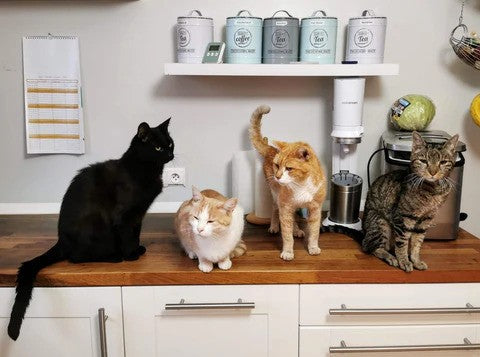
If you have more than one cat at home, you might be wondering: do cats share the same litter box? It’s a common question that can affect your cats’ health and your home’s cleanliness.
You want to make sure your furry friends feel comfortable and happy, but also keep things manageable for yourself. You’ll discover the surprising facts about cats and litter boxes, and learn the best way to set up your cat’s bathroom space.
Keep reading to avoid common mistakes that could stress your cats or create messes you don’t want to deal with.
Cats And Litter Boxes
Cats and litter boxes have a unique relationship that often surprises many pet owners. Understanding how your cats interact with their litter boxes can help you maintain a cleaner home and happier pets. It’s not just about providing a box; it’s about respecting your cat’s habits and instincts.
Cat Behavior Around Litter Boxes
Cats are naturally clean animals and usually prefer a tidy litter box. You might notice your cat digging thoroughly before doing their business—this is an instinct to cover their scent. Some cats become very particular about the cleanliness and type of litter used.
If you have more than one cat, watch how they approach the litter box. Some cats wait their turn patiently, while others might avoid the box if another cat is nearby. Have you ever caught your cat avoiding a litter box only to find another one they prefer? This behavior can indicate sensitivity to smell or discomfort with the box’s location.
Territorial Instincts And Preferences
Cats are territorial by nature, which can affect their litter box use. Sharing a litter box might cause stress or conflict, especially if your cats are not closely bonded. Each cat may want their own space to feel secure and avoid disputes.
Consider placing multiple litter boxes in different spots around your home. This setup respects each cat’s territory and can reduce marking or accidents outside the box. Have you noticed your cats fighting over the same box or marking territory near it? Adding an extra box often solves these issues quickly.
- Place one litter box per cat plus one extra
- Keep boxes in quiet, accessible areas
- Use different litter types if cats show preferences
Pay attention to your cats’ behavior and preferences to keep their litter box experience stress-free. Your cats will thank you with better hygiene and fewer unwanted surprises in your home.
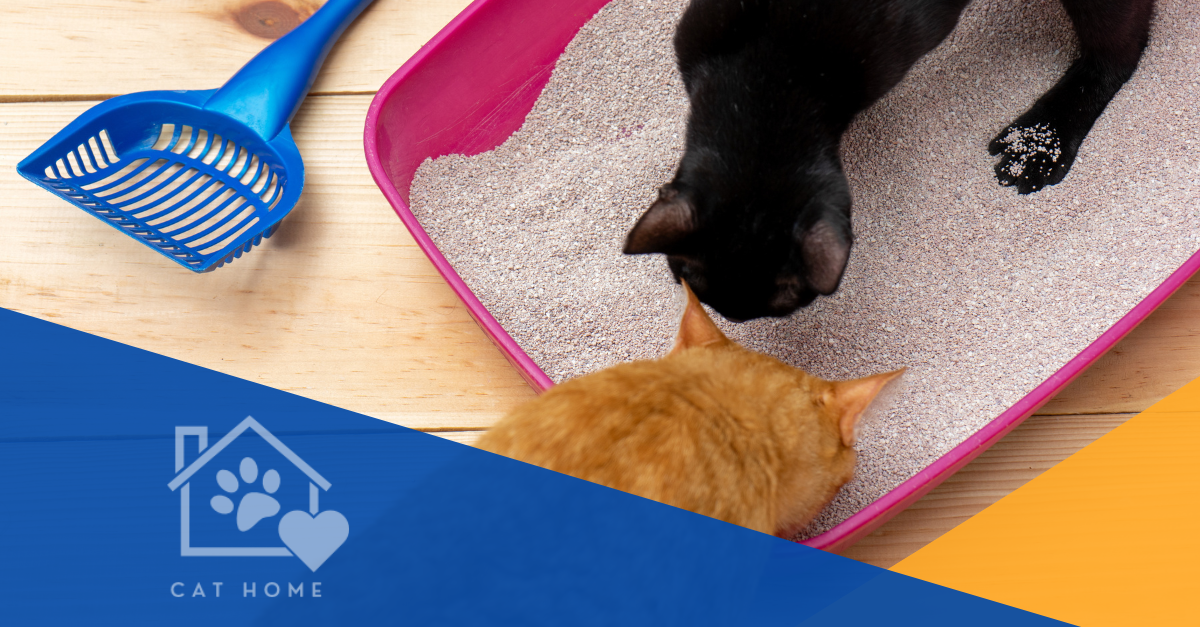
Credit: cathome.sg
Sharing Litter Boxes
Sharing litter boxes is a common question among cat owners with multiple pets. Cats are known for their independence, but they can share spaces, including litter boxes, under certain conditions. Understanding how cats behave around shared litter areas helps maintain their health and comfort.
Pros And Cons Of Sharing
- Pros:
- Less cleaning is needed with fewer boxes.
- Space-saving for homes with limited room.
- Some cats feel secure sharing a familiar spot.
- Cons:
- Risk of territorial disputes and stress.
- Higher chance of litter box aversion.
- Potential for spreading infections or parasites.
When Sharing Works Best
Sharing litter boxes works best when cats get along well. Cats who have grown up together usually tolerate sharing better. Providing one box per cat plus one extra reduces conflicts.
Keep boxes clean by scooping daily. Use large, open boxes rather than small covered ones. Place boxes in quiet, low-traffic areas to make cats feel safe.
Observe your cats’ behavior. If you see signs of stress or avoidance, add more boxes. Sharing is not for every cat, and respecting their preferences keeps them happy.
Signs Of Litter Box Issues
Noticing signs of litter box issues early can save you from bigger problems with your cats’ hygiene and behavior. Cats are particular creatures, and sharing a litter box might cause discomfort or stress that you may overlook. Paying attention to these signs helps you provide a cleaner, happier space for your feline friends.
Common Problems With Shared Boxes
Sharing a litter box can lead to several common problems. One major issue is territorial disputes, where one cat may block others from using the box. This can cause some cats to avoid the box altogether and start eliminating elsewhere in your home.
Another frequent problem is cleanliness. Cats are fastidious, and if one cat digs excessively or leaves the box messy, others may refuse to use it. Overcrowding also increases the buildup of odors and bacteria, making the box less appealing.
- Frequent urination outside the box
- Excessive scratching or digging in the box
- Strong, unpleasant smells despite regular cleaning
- Visible fights or avoidance around the box
Behavioral Changes To Watch For
Your cats may change their behavior subtly before you notice litter box problems. Watch for increased restlessness or hiding, which can signal stress linked to sharing the box. Some cats may become more aggressive or withdrawn, especially during feeding or playtime.
Changes in grooming habits can also be a clue. A cat that suddenly stops grooming or overgrooms certain areas might be experiencing discomfort or anxiety related to litter box use. These signs often indicate that your cat is unhappy with the current setup.
Have you seen your cats avoid the litter box or act differently around it? Observing these behaviors gives you a chance to adjust the number of boxes or their locations, improving your cats’ comfort and your home’s cleanliness.
Choosing The Right Number Of Boxes
Choosing the right number of litter boxes is crucial for keeping your cats happy and your home clean. It’s not just about having enough boxes but also about considering your cats’ habits and personalities. Getting this right can prevent many common litter box issues, such as accidents outside the box or territorial disputes.
General Guidelines
A simple rule to start with is to have one litter box per cat, plus one extra. So, if you have two cats, you should ideally have three boxes. This extra box helps reduce stress and gives your cats options, especially if one box is dirty or in use.
Placement matters as much as the number. Boxes should be spread out in quiet, accessible spots around your home. Cats dislike cramped or noisy areas, so avoid placing boxes near loud appliances or in busy hallways.
Adjusting For Multiple Cats
Multiple cats often mean multiple preferences. Some cats prefer covered boxes, while others want open ones. Watch your cats closely to see what they like and adjust accordingly.
Competition over litter boxes can cause problems. If you notice signs of stress or marking behavior, consider adding more boxes or placing them in different rooms. Sometimes, having a box on each floor of your home can make a big difference.
Have you ever noticed one cat avoiding a box another cat uses? This can signal the need for more boxes or better placement. Pay attention to these cues to keep all your cats comfortable.
Maintaining Cleanliness
Cats often prefer their own litter boxes to avoid stress and keep clean. Sharing can cause mess and odor problems. Regular cleaning helps maintain a fresh and healthy environment for all cats.
Maintaining Cleanliness Keeping a shared litter box clean is crucial to ensuring your cats are happy and healthy. A clean environment helps prevent unpleasant odors and minimizes the risk of infections. It also encourages your cats to use the litter box rather than finding alternative, less desirable places in your home.Cleaning Frequency
It’s essential to scoop the litter box daily, especially when multiple cats are using it. Daily scooping prevents waste buildup and keeps the box fresh. Consider doing a complete litter change every week to maintain optimal hygiene levels. Regular cleaning doesn’t just benefit your cats; it also creates a more pleasant environment for you. Wouldn’t you prefer a fresh-smelling home over a lingering litter box odor?Best Litter Types For Multiple Cats
Choosing the right type of litter can make a world of difference in maintaining cleanliness. Clumping litter is highly effective for households with multiple cats, as it makes scooping more manageable. Look for options with odor control to keep the smell at bay. Some cat owners swear by natural or biodegradable litter, which can be gentler on your feline’s paws. Try different types to see what works best for your cats and your cleaning routine. Remember, the right litter can simplify your cleaning tasks and make life easier for both you and your feline companions. What’s your go-to litter choice for keeping your home fresh?
Credit: www.gntos.org
Creating A Peaceful Environment
Creating a peaceful environment is key when you have multiple cats sharing the same litter box. Cats are territorial by nature, and their litter habits can reflect their comfort level. If your cats feel uneasy or stressed around the litter box, it could lead to unwanted behaviors like avoiding the box or marking territory elsewhere.
Box Placement Tips
Where you put the litter box matters a lot. Choose quiet, low-traffic spots that offer privacy but are still easy for your cats to access. Avoid placing the box near loud appliances or areas where kids frequently play, as sudden noises can startle your cats.
Think about your home layout. If you have multiple floors, consider placing a litter box on each level to reduce travel time. Cats appreciate having choices, so offering several boxes in different locations can prevent conflicts.
Keep the boxes away from their food and water dishes. Cats prefer these areas separate to avoid mixing scents and maintain cleanliness.
Reducing Stress For Cats
Stress can cause litter box issues, so your goal is to make the experience as calm as possible. Clean the box regularly—cats are more likely to use a clean box and less likely to develop anxiety around it.
Watch your cats’ behavior closely. If you notice any signs of tension, like hiding or aggression near the box, try adding another box to give them personal space. This can reduce competition and help maintain peace.
Have you noticed how some cats prefer covered boxes while others want open ones? Respecting your cat’s preferences can lower stress and encourage healthy litter box use. Experiment with different types to see what works best for your furry friends.
When To Consult A Vet Or Behaviorist
Sharing a litter box can work for some cats, but problems may arise. Knowing when to seek expert advice helps keep cats healthy and happy. Watch for unusual signs or persistent issues with litter box use. Early action can prevent stress and health problems for your pets.
Signs Of Medical Issues
Sudden changes in litter box habits may signal health problems. Look for these signs:
- Frequent urination or straining
- Blood in urine or stool
- Foul odor from urine
- Excessive licking of the genital area
- Sudden accidents outside the box
These symptoms could indicate infections, urinary tract issues, or other illnesses. Prompt veterinary care is essential to diagnose and treat these problems.
Professional Help For Litter Box Problems
Behavioral issues can cause cats to avoid the litter box. A vet or animal behaviorist can help identify causes such as:
- Stress or anxiety
- Territorial disputes between cats
- Inappropriate box type or location
- Changes in household routines
Experts offer solutions tailored to your cats’ needs. Consulting professionals improves litter box habits and household harmony.

Credit: catanddoghouse.com
Frequently Asked Questions
Do Cats Prefer Sharing One Litter Box?
Cats can share one litter box if they have compatible personalities. However, many cats prefer separate boxes to avoid stress and territorial disputes.
How Many Litter Boxes Do Multiple Cats Need?
The general rule is one litter box per cat, plus one extra. This helps prevent litter box issues and keeps cats comfortable.
Can Sharing A Litter Box Cause Health Problems?
Yes, sharing a litter box can spread infections and parasites. Regular cleaning and multiple boxes reduce health risks among cats.
What Are Signs Cats Dislike Sharing Litter Boxes?
Cats may avoid the litter box, urinate outside, or show aggression. These signs indicate discomfort with sharing or litter box issues.
Conclusion
Cats can share a litter box, but it depends on their habits. Some cats prefer their own space and avoid sharing. Others are fine using the same box without problems. Keeping the litter box clean helps prevent issues. Offering one box per cat is often best.
It reduces stress and keeps cats happy. Watch your cats to see what they like most. Understanding their behavior helps you make the right choice. A happy cat means a happy home. Simple care makes a big difference.

Leave a Reply