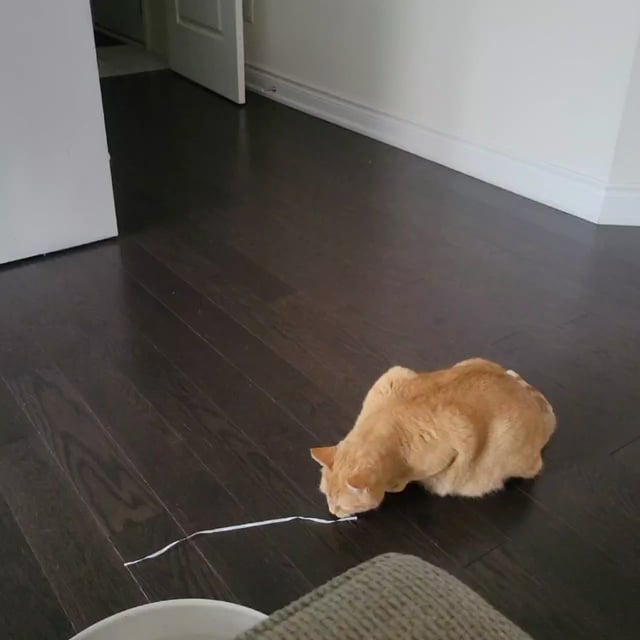
Have you ever caught your cat chasing after something you can’t see? Maybe they pounce on thin air or bat at invisible objects, leaving you wondering, “Why does my cat play with imaginary toys?” It’s a strange and fascinating behavior that many cat owners experience.
Understanding why your feline friend does this can deepen your bond and help you better meet their needs. Keep reading to discover the surprising reasons behind this quirky habit and what it means for your cat’s happiness.
Cat Play Behavior
Understanding your cat’s play behavior can reveal a lot about their needs and instincts. Cats don’t just play to kill time; their play often mimics hunting and survival tactics. Watching your cat chase invisible toys might seem odd, but it’s a natural and important part of their behavior.
Natural Hunting Instincts
Cats are natural hunters, even if they live indoors. Play is their way of practicing stalking, chasing, and pouncing skills. When your cat bats at imaginary toys, they are simulating prey movements that trigger these instincts.
Have you noticed your cat suddenly freeze and then leap without any visible target? This is their hunting mode kicking in, helping them stay sharp and ready. Supporting this behavior with real toys can satisfy their predatory urges and keep them happy.
Developmental Stages
Kittens and young cats explore the world through play. Imaginary play is common during these stages as they learn coordination and social skills. Even adult cats retain some of this playfulness to maintain their agility and alertness.
Your cat’s age affects how and why they play. Younger cats often engage in more vigorous imaginary play, while older cats might prefer gentler interactions. Observing these changes helps you provide the right environment and activities for their stage of life.
Mental Stimulation Needs
Cats need mental exercise just as much as physical activity. Playing with invisible toys can be a sign they are trying to engage their brain when actual toys aren’t available. This mental stimulation helps prevent boredom and reduces stress-related behaviors.
Have you tried offering puzzle feeders or new toys to challenge your cat’s mind? These can redirect their energy toward productive play and keep their curiosity alive. Providing variety can make a big difference in your cat’s overall well-being.

Credit: www.catsessentials.com
Imaginary Toy Play
Have you ever caught your cat batting at thin air or chasing shadows that seem invisible to you? This behavior, known as imaginary toy play, might seem odd but is actually quite fascinating. Cats have a unique way of interacting with their environment, and their imagination often fills in the blanks where real toys might be missing.
Signs Your Cat Sees Invisible Objects
Noticing your cat pawing or stalking something you can’t see can be puzzling. Here are some clear signs your cat is engaged with invisible toys:
- Focused eye movement:Your cat’s eyes follow a specific spot in the air, often with intense concentration.
- Sudden pouncing or swatting:Quick, playful strikes at empty space suggest they’re targeting something unseen.
- Tail flicking and ear twitching:These indicate excitement and alertness, common during play.
- Playful vocalizations:Chirps or soft meows may accompany the activity, showing engagement.
Have you ever wondered if your cat’s invisible toy is a memory or a reaction to a tiny sound only they can hear? Paying attention to these signs can deepen your understanding of their curious minds.
Common Types Of Imaginary Play
Imaginary play isn’t random; cats often act out scenarios they find stimulating. Here’s what you might observe:
- Invisible prey chasing:Cats mimic hunting by stalking and pouncing on imaginary mice or insects.
- Shadow or light play:Flickering light or shadows can trigger playful attacks, even if no physical object is present.
- Air swatting and batting:Your cat may bat at invisible strings or feathers, replicating real toy actions.
- Interactive vocal play:Sometimes cats vocalize as if communicating with their invisible playmate.
Does your cat’s invisible playtime remind you of their wild ancestors’ hunting habits? Watching these behaviors can give you clues about their natural instincts and mental stimulation needs.
Emotional Benefits
Watching your cat play with invisible toys might seem odd, but it actually has deep emotional benefits for your furry friend. These imaginary games aren’t just random—they help your cat manage feelings and express themselves in ways you might not expect. Understanding these benefits can change how you see your cat’s playful moments and strengthen your bond.
Stress Relief And Anxiety Reduction
Playing with imaginary toys allows your cat to release built-up stress. When your cat bats at thin air or pounces on unseen prey, they mimic natural hunting behaviors, which calms their mind. This kind of play can lower anxiety, especially if your cat spends a lot of time indoors or alone.
Have you noticed your cat engaging in this type of play after a loud noise or a stressful event? That’s their way of soothing themselves. Encouraging such playful outlets can help keep your cat emotionally balanced and happier overall.
Expressing Curiosity And Joy
Your cat’s imaginary play is also a way to express curiosity. Cats are naturally inquisitive creatures, always exploring their environment—even if what they “see” isn’t visible to you. This behavior shows they’re mentally engaged and finding joy in their own unique way.
Think about the last time your cat chased a shadow or pawed at empty space. That’s pure joy and mental stimulation at work. Allowing your cat these moments without interruption supports their emotional health and keeps their mind sharp.
Environmental Factors
Environmental factors strongly affect why your cat plays with imaginary toys. Cats react to their surroundings and adjust their behavior. A quiet, empty space can spark a cat’s imagination.
Without enough stimulation, cats may invent toys in their minds. These invisible toys offer mental activity and fun. Understanding these factors helps you support your cat’s needs better.
Lack Of Physical Toys
When cats lack real toys, they create imaginary ones. Physical toys keep cats busy and active. Without them, cats feel restless and look for other ways to entertain themselves.
Imaginary play helps fill the gap. Your cat might paw at empty air or chase invisible objects. This shows a need for more physical playthings around the house.
Boredom And Loneliness
Bored cats invent play to fight loneliness. Cats left alone for long hours often feel bored. Imaginary toys become a way to stay busy and happy.
Play is important for a cat’s mental health. Lack of interaction can lead to unusual play behaviors. Spending time with your cat or providing toys reduces boredom and loneliness.
Health And Sensory Influences
Cats often play with toys only they can see or hear. Their health and senses shape this curious behavior. Understanding these influences helps explain why imaginary play happens. Cats rely on sharp senses to explore their world. Changes or quirks in these senses can cause unusual play patterns.
Vision And Hearing Sensitivity
Cats have strong vision tuned for low light. They notice tiny movements humans miss. Their eyes catch quick shadows or flickers that seem like invisible toys. Cats hear sounds far beyond human ability. Soft rustles or faint noises spark their interest. These sounds may come from air currents or small creatures invisible to us.
Sensory sensitivity means cats react to stimuli we cannot detect. Imaginary toys may be shadows or sounds only they perceive. This makes play feel real and exciting.
Neurological Considerations
The cat’s brain processes sensory information with great detail. Sometimes, this leads to playful reactions to imagined objects. Certain neurological traits increase creativity and curiosity. Play helps cats stay mentally sharp and reduces stress.
Neurological health affects how cats interpret their surroundings. Imaginary play can be a sign of a healthy, active mind. It also provides needed mental stimulation. In some cases, it may reveal mild sensory or neurological quirks, which are usually harmless.

Credit: deziroo.com
Encouraging Healthy Play
Cats playing with imaginary toys might be practicing hunting skills. This behavior helps them stay alert and active. Encouraging such play supports their mental and physical health.
Encouraging healthy play in your feline friend is essential to their well-being and happiness. Cats often engage in imaginary play, which is a sign of their active imagination and need for stimulation. By understanding this behavior, you can foster an environment that nurtures their playful instincts while keeping them physically and mentally fit.Providing Interactive Toys
Interactive toys are a fantastic way to channel your cat’s energy. Choose toys that mimic the movement of prey, like feather wands or motorized mice. These toys can stimulate your cat’s hunting instincts and keep them entertained for hours. Consider rotating toys to maintain your cat’s interest. A toy that’s been out of sight for a week can suddenly become the most exciting thing in the room. Observe which toys your cat loves and keep a few as special treats for those days when nothing else seems to engage them.Creating Enriching Spaces
Transform your home into a playground by creating enriching spaces for your cat. Simple additions like cardboard boxes or paper bags can provide endless amusement. Cats love to explore and hide, so these items can stimulate their curiosity. Think vertically. Cats enjoy climbing and observing their environment from a height. Install cat shelves or a cat tree to give them a new perspective and a place to burn off energy. Do you have a sunny window? Place a perch there. Cats love basking in the sun while watching the world go by, offering both mental stimulation and relaxation. By understanding your cat’s need for play, you’re not just providing entertainment, but also contributing to their overall health and happiness. What creative spaces can you craft in your home to encourage your cat’s playful nature?When To Consult A Vet
Noticing your cat playing with invisible toys can be amusing, but it also raises questions about their well-being. Sometimes, this behavior might be harmless fun, but other times, it could signal something deeper. Knowing when to consult a vet helps you ensure your furry friend stays healthy and happy.
Signs Of Behavioral Issues
Watch for changes in your cat’s normal behavior. If your cat suddenly becomes restless, overly aggressive, or withdraws from social interaction, these could be red flags.
Does your cat obsessively chase imaginary objects for long periods? Excessive repetitive behaviors might indicate stress or anxiety. Pay attention if your cat seems confused or disoriented while playing.
Another sign to note is if your cat stops eating, sleeps less, or shows unusual vocalization patterns alongside imaginary play. These symptoms can suggest a behavioral problem that needs professional evaluation.
Possible Medical Causes
Sometimes medical issues cause your cat to act strangely. Neurological disorders, such as seizures or brain inflammation, might make your cat perceive things that aren’t there.
Parasites or infections can also affect your cat’s nervous system, leading to unusual play behavior. If your cat’s coordination seems off or if they suddenly lose balance, it’s time to see a vet.
Remember, even subtle signs like sudden vision problems or hearing loss can trigger your cat to rely on other senses, causing them to interact with imaginary objects. A thorough vet check can identify these hidden medical causes.

Credit: justcatsclinic.com
Frequently Asked Questions
Why Does My Cat Chase Invisible Objects?
Cats chase invisible objects as part of their hunting instincts. They often imagine prey to practice stalking and pouncing. This behavior keeps them mentally active and entertained, especially indoors without real toys.
Is Playing With Imaginary Toys Normal For Cats?
Yes, playing with imaginary toys is normal feline behavior. It mimics natural hunting and helps relieve boredom. It also strengthens their coordination and sharpens their senses.
Can Imaginary Play Indicate A Cat’s Health?
Imaginary play usually indicates good mental and physical health. Active play shows your cat is alert and engaged. However, sudden changes in play behavior might signal stress or illness.
How Can I Encourage My Cat’s Imaginary Play?
Provide a stimulating environment with varied toys and playtime. Use laser pointers or feather wands to inspire their imagination. Regular interaction boosts their confidence and prevents boredom.
Conclusion
Cats playing with imaginary toys show their natural hunting skills. This behavior keeps them active and happy indoors. It also helps them practice stalking and pouncing. Watching your cat enjoy these games can be fun and heartwarming. Remember, this play is normal and healthy for cats.
It shows they feel safe and curious in your home. Encourage gentle play and provide real toys too. Your cat’s imagination is a sign of a lively and content pet. Keep observing and enjoy these little moments together.



Leave a Reply