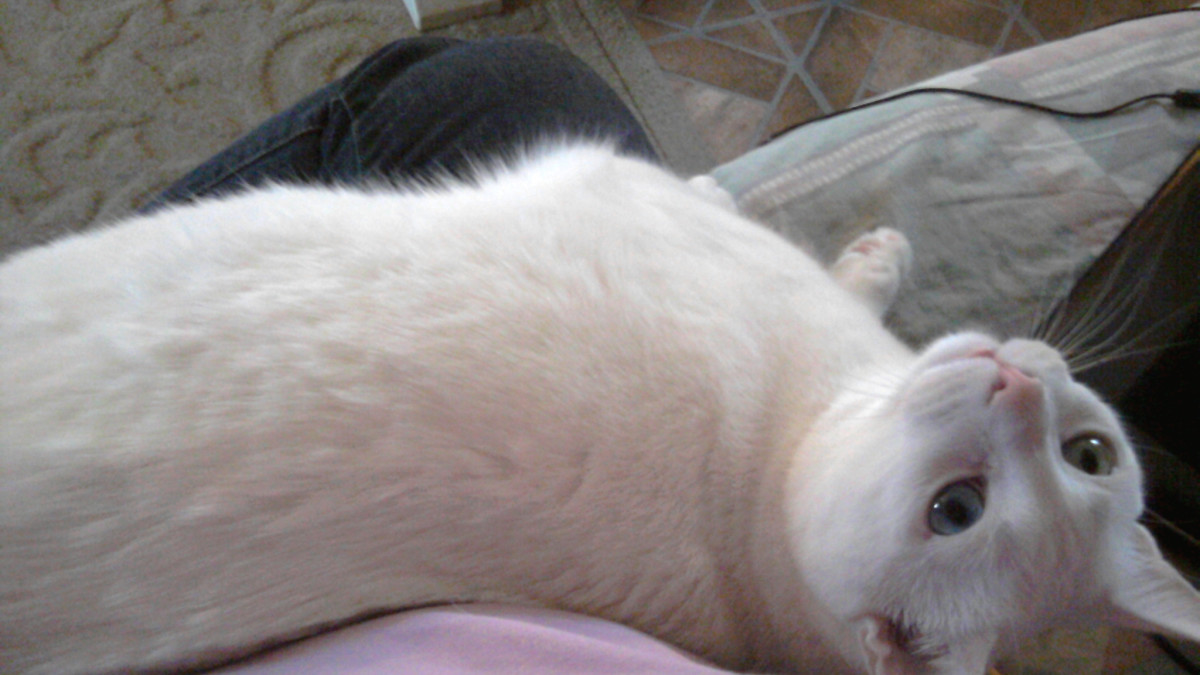
You might think that because your cat has short hair, grooming isn’t necessary. But is that really true?
You may be surprised to learn that even short-haired cats need some care to stay healthy and happy. If you want to keep your furry friend comfortable and looking their best, understanding the right grooming routine is key. Keep reading to discover what your short-haired cat truly needs and how simple steps can make a big difference in their well-being.
Benefits Of Grooming Short Haired Cats
Grooming short haired cats offers many benefits beyond just keeping them looking neat. Regular care supports their health and comfort. It helps manage shedding, skin condition, and overall cleanliness. Even cats with short fur enjoy the gentle touch and attention. Here are key benefits of grooming your short haired cat.
Reducing Shedding
Short haired cats shed fur all year round. Grooming helps remove loose hairs before they fall off. This keeps your home cleaner and reduces fur on furniture. Brushing also stops mats from forming, which can cause discomfort. A quick grooming session cuts down on the amount of hair your cat swallows too.
Preventing Hairballs
Cats often lick their fur and swallow loose hairs. These hairs can form hairballs in their stomach. Grooming removes loose fur, lowering the chance of hairballs. Less hair ingested means fewer coughs and gagging episodes. Regular brushing helps your cat stay more comfortable.
Maintaining Healthy Skin
Brushing stimulates blood flow to the skin. This encourages healthy cell growth and oil distribution. Grooming also helps spot skin problems early, like dryness or irritation. Clean, healthy skin supports a shiny coat and reduces itching. It keeps your cat feeling fresh and relaxed.

Credit: catit.ca
How Often To Groom Your Cat
Knowing how often to groom your short-haired cat helps keep their coat healthy. Grooming removes loose hair and dirt. It also reduces hairballs and skin problems. Regular grooming builds a strong bond with your cat. The frequency depends on your cat’s lifestyle and health.
Daily Brushing
Short-haired cats benefit from daily brushing. Use a soft brush or grooming glove. Brushing removes dead hair and spreads natural oils. This keeps the coat shiny and smooth. Daily grooming also helps spot skin issues early. It is a calm time for you and your cat.
Weekly Bathing
Bathing is not needed often for short-haired cats. A bath every few weeks or months is enough. Use cat-safe shampoo only. Bathing removes dirt and excess oils. It also helps if your cat has allergies or skin conditions. Always dry your cat well after a bath to avoid chills.
Seasonal Grooming Changes
Season changes affect your cat’s coat. Cats shed more in spring and fall. Increase brushing during these seasons. This reduces loose fur around your home. Check your cat’s skin for dryness in winter. Adjust grooming tools and frequency as needed. Seasonal grooming keeps your cat comfortable year-round.
Essential Grooming Tools
Short-haired cats need grooming tools that suit their fine coats. Having the right tools makes grooming easier and more effective. It helps keep your cat’s coat healthy and shiny.
Essential grooming tools include brushes, nail clippers, and other accessories. Each tool plays a key role in your cat’s care. Choosing and using these tools correctly protects your cat’s comfort and health.
Choosing The Right Brush
For short-haired cats, a soft-bristle or rubber brush works best. These brushes remove loose hair without hurting the skin. They also help distribute natural oils, keeping the coat smooth.
Brush your cat gently to avoid skin irritation. Regular brushing reduces shedding and hairballs. It also strengthens your bond with your pet.
Using Nail Clippers Safely
Use clippers designed for cats to trim nails safely. Sharp clippers give clean cuts and prevent nail splitting. Hold your cat’s paw firmly but gently before clipping.
Clip only the tip of each nail to avoid the quick. The quick is the pink part inside the nail with nerves and blood vessels. Cutting it causes pain and bleeding.
Other Helpful Accessories
- Grooming gloves:These remove loose fur while petting your cat.
- Flea comb:Helps spot and remove fleas and debris.
- Pet wipes:Useful for cleaning paws and face.
- Soft towels:For drying after baths or wiping.

Credit: www.youtube.com
Step-by-step Grooming Routine
Grooming your short-haired cat might seem simple, but having a clear routine helps keep your feline friend comfortable and healthy. A step-by-step approach reduces stress for both you and your cat. Let’s look at how you can make grooming a positive and effective experience.
Preparing Your Cat
Before you start grooming, make sure your cat feels calm and safe. Choose a quiet spot where your cat likes to relax. You can gently pet your cat or offer a treat to create a positive association with grooming time.
Check your cat’s mood carefully. If your cat seems restless or annoyed, wait a little before trying again. Patience here prevents a negative experience that could make future grooming harder.
Brushing Techniques
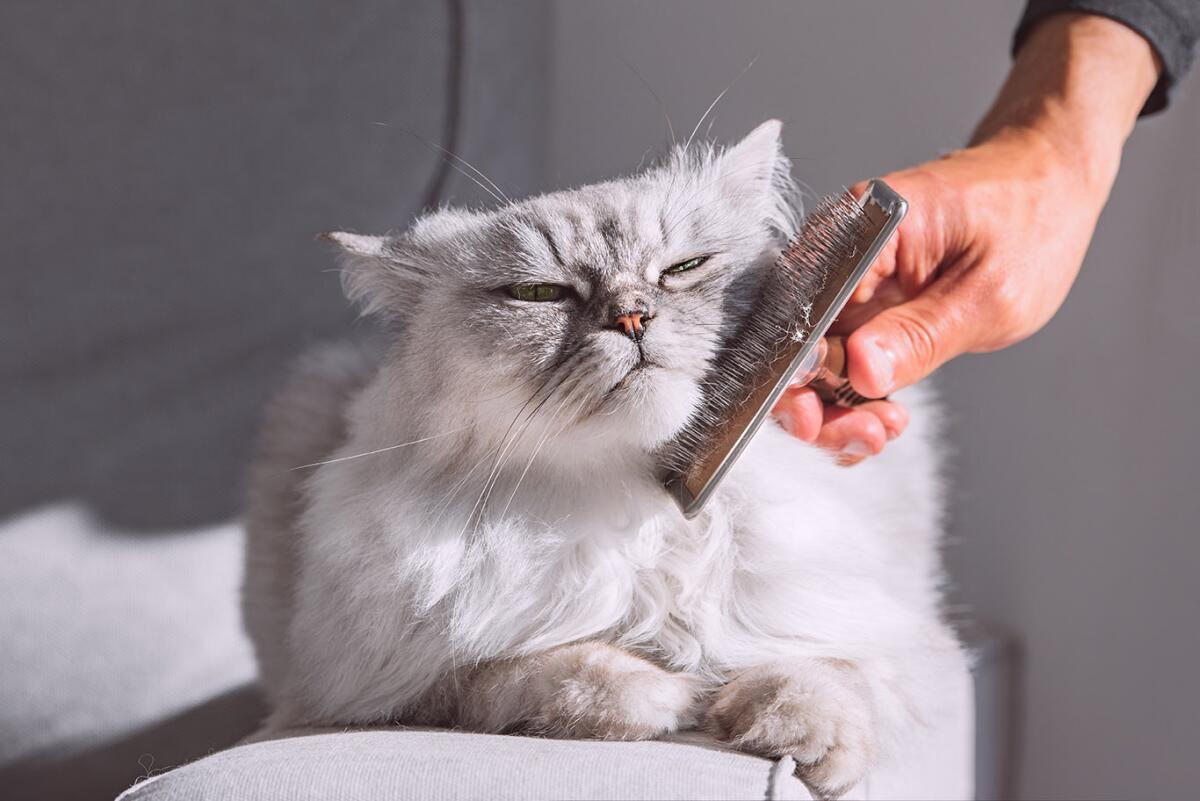
Even short-haired cats benefit from regular brushing to remove loose fur and reduce shedding. Use a soft-bristle brush or a grooming glove designed for short hair. Brush gently in the direction of hair growth to avoid irritating your cat’s skin.
Focus on areas where fur tends to build up, like the neck and under the legs. Spend a few minutes brushing, then pause to see how your cat responds. If your cat enjoys it, you can gradually extend the time.
Cleaning Ears And Eyes
Check your cat’s ears for dirt or wax build-up once a week. Use a soft, damp cloth or a cotton ball specifically made for pets to clean around the ear’s outer part. Avoid inserting anything deep into the ear canal to prevent injury.
For the eyes, gently wipe away any discharge with a clean, damp cloth. Use a different part of the cloth for each eye to prevent spreading any potential infection. If you notice redness or excessive discharge, it’s best to consult your vet.
Common Grooming Challenges
Short-haired cats still need grooming to reduce shedding and prevent hairballs. Challenges include keeping their coat clean and managing occasional matting or skin issues. Regular brushing helps maintain healthy fur and skin.
Grooming your short-haired cat may seem straightforward, but it comes with its own set of challenges. While their coats may not require as much maintenance as long-haired breeds, short-haired cats still face grooming hurdles. Understanding these common issues can help ensure your feline friend stays healthy and comfortable.Dealing With Sensitive Areas
Cats, like humans, have sensitive spots. The belly, underarms, and tail area can be tricky to groom. Cats often dislike being touched in these areas, making grooming a challenge. To ease the process, be gentle and patient. Use soft brushes and approach slowly. Reward your cat with treats or affection to create positive associations.Handling Uncooperative Cats
Some cats simply don’t like being groomed. If your cat squirms or runs away at the sight of a brush, you’re not alone. Uncooperative cats can make grooming feel like a Herculean task. Try grooming sessions when your cat is relaxed, perhaps after a meal or playtime. Keep sessions short to avoid stress. Consistency can turn grooming into a routine your cat tolerates, if not enjoys.Spotting Skin Issues Early
Regular grooming is an excellent opportunity to check your cat’s skin. Short-haired cats might hide skin issues less effectively, but they can still go unnoticed. Look for redness, bumps, or flaky skin during grooming. Early detection of skin problems can prevent more significant health issues. If you spot anything unusual, consult your vet promptly. Grooming your short-haired cat might have its challenges, but it’s a vital part of their care. What grooming challenges have you faced with your feline friend?When To Seek Professional Grooming
Knowing when to seek professional grooming for your short-haired cat is important. While short-haired cats need less grooming than long-haired breeds, some situations require expert care. Professional groomers can handle specific needs that you might miss or find difficult. Understanding these moments helps keep your cat healthy and comfortable.
Signs Your Cat Needs Expert Care
- Your cat has matted fur that you cannot remove.
- Skin issues like redness, sores, or excessive dandruff appear.
- Your cat struggles with shedding or hairballs more than usual.
- Claws grow too long or curl into the paw pads.
- Your cat shows signs of stress or pain during home grooming.
- There is a strong odor coming from your cat’s coat.
Benefits Of Professional Grooming
- Experts remove mats and tangles safely without hurting your cat.
- Professional grooming helps detect skin problems early.
- Groomers trim nails carefully to avoid injury.
- Baths by experts clean deeply and reduce shedding.
- Your cat may feel calmer with the right grooming techniques.
- Groomers can advise on the best care routine for your cat.
Finding A Trusted Groomer
Choose a groomer with experience in handling cats. Check reviews and ask for recommendations from your vet or other pet owners. Visit the grooming salon to see if it is clean and calm. Make sure the groomer uses gentle tools and methods. A trusted groomer will treat your cat with care and patience.

Credit: www.latimes.com
Frequently Asked Questions
Do Short-haired Cats Need Regular Grooming?
Yes, short-haired cats benefit from regular grooming. It helps reduce shedding, prevents hairballs, and keeps their coat healthy and shiny.
How Often Should I Groom My Short-haired Cat?
Groom your short-haired cat once or twice a week. This frequency keeps their fur clean and minimizes loose hair around the house.
Can Grooming Improve My Cat’s Skin Health?
Absolutely. Grooming stimulates natural oils in the skin, reduces dandruff, and helps spot skin issues early for better care.
What Tools Are Best For Grooming Short-haired Cats?
Use a soft-bristle brush or grooming glove. These tools gently remove loose fur without irritating your cat’s sensitive skin.
Conclusion
Short-haired cats need grooming, but less often than long-haired ones. Brushing helps remove loose hair and dirt. It also reduces shedding and hairballs. Regular checks keep your cat’s skin healthy. Pay attention to their claws and ears too. A little grooming creates a strong bond with your pet.
It keeps them happy and comfortable every day. Simple care makes a big difference in their health. So, yes, grooming your short-haired cat matters. Small efforts bring great benefits for both you and your cat.

Leave a Reply