Have you ever noticed your cat meowing while playing with toys and wondered why? It’s a curious behavior that can leave you puzzled.
Understanding why your furry friend makes these sounds during playtime can help you connect with them on a deeper level. You’ll discover the surprising reasons behind your cat’s meows when they’re having fun. Keep reading to unlock the secrets of your cat’s playful voice and strengthen the bond you share.
Credit: www.rd.com
Meowing As A Communication Tool
Meowing is a key way your cat talks to you, especially during playtime. It’s more than just noise—it’s a tool your cat uses to share feelings and needs. Understanding this can help you connect better and make playtime more fun for both of you.
Expressing Excitement And Joy
When your cat meows while playing, it often means they’re happy and engaged. These sounds can show their enthusiasm as they chase or pounce on toys. Have you noticed your cat’s meows get louder or more frequent when they catch a toy? That’s a clear sign they’re thrilled and enjoying the moment.
Sometimes, the pitch and intensity of the meow change based on how stimulated your cat feels. A soft, quick meow might mean curiosity, while a louder, persistent meow could signal high excitement. Paying attention to these differences helps you understand your cat’s mood better.
Seeking Attention During Play
Cats often use meowing to invite you to join or continue the fun. If your cat starts meowing while batting a toy around, they might be asking for your involvement. Have you ever seen your cat drop a toy in front of you and meow? That’s a clear request for interaction.
Meowing can also be your cat’s way of keeping you focused on playtime. If you stop engaging, expect some vocal reminders! Responding to these cues by playing along not only strengthens your bond but also keeps your cat mentally and physically stimulated.
Instincts Behind Meowing
Cats use meowing to communicate many feelings during play. This behavior links closely to their natural instincts. Meowing while playing shows how deeply hunting is part of their nature. It is not random noise but a purposeful signal rooted in survival skills.
Understanding these instincts helps pet owners connect better with their cats. Meowing during toy play reveals the cat’s emotional and physical state. It is part of a larger pattern of animal behavior shaped by evolution.
Mimicking Hunting Behavior
Cats meow as they imitate hunting actions. The sounds mimic cries of prey or other animals. This helps keep their focus and excitement high during play. Meowing signals engagement and stimulates their natural hunting instincts.
Playing triggers their brain to act like they are chasing real prey. Meows often occur when the cat “catches” the toy. It reflects a deep-rooted hunting practice passed down from wild ancestors.
Signaling Success Or Frustration
Meowing can express how the cat feels about the play outcome. A happy, sharp meow may mean success in catching the toy. It is a way to celebrate a mini victory.
Frustration also causes meowing, especially if the toy escapes or is hard to catch. This sound signals the cat’s desire for more challenge or attention. It helps owners understand their cat’s mood during playtime.
Emotional Responses During Play
Cats express many emotions through their meows, especially during play. Playtime stirs feelings inside your cat that often lead to vocal sounds. These meows can show excitement, frustration, or a desire to communicate with you.
Feeling Stimulated Or Overwhelmed
Playing with toys can excite your cat a lot. This excitement can cause your cat to meow as a way to release energy. Sometimes, the play gets intense, and your cat might feel overwhelmed. Meowing helps your cat express this mix of feelings.
At times, your cat may meow loudly if the toy moves too fast or unpredictably. This is a sign that your cat is highly stimulated or slightly stressed. These vocalizations help your cat manage its emotions while playing.
Bonding Through Vocalization
Cats often use meows to talk to their owners. When your cat meows during play, it may be inviting you to join the fun. This vocalization builds a connection between you and your pet.
Meowing can also be a way for your cat to share its joy. It helps strengthen your bond and shows trust. Your cat wants to include you in its happy moments.

Credit: moderncat.com
Different Meow Types And Their Meanings
Cats communicate through various meows, each with its own meaning. When playing with toys, they express different emotions and intentions. Understanding these meows can help you connect better with your feline friend.
Short Meows Vs. Prolonged Calls
Short meows often indicate excitement or curiosity. Your cat might be thrilled by a new toy. These quick meows are like saying “Look at this!” or “Let’s play!” Prolonged calls, on the other hand, can signal something different. They might mean your cat wants attention or is feeling frustrated. If your cat is meowing persistently, check if they need help with their toy.
Pitch And Tone Variations
Pitch and tone give extra clues about your cat’s feelings. A high-pitched meow usually means happiness or eagerness. It’s common when your cat is enjoying playtime. A low-pitched meow might suggest displeasure or discomfort. Pay attention to these sounds to understand your cat’s mood. Changes in tone can indicate your cat’s level of engagement or need for your interaction.
How Environment Affects Meowing
The environment plays a big role in how and why cats meow during play. Cats are sensitive to sounds, sights, and the objects they interact with. These factors can change their mood and how often they meow. Understanding the environment helps explain this curious behavior.
Influence Of Surrounding Noise
Noise around your cat can affect its meowing. Loud sounds may make a cat meow more to express excitement or stress. Quiet places often lead to softer or fewer meows. Cats use meowing to communicate feelings, so noise levels shape their vocal reactions during play.
Impact Of Toy Type And Interaction
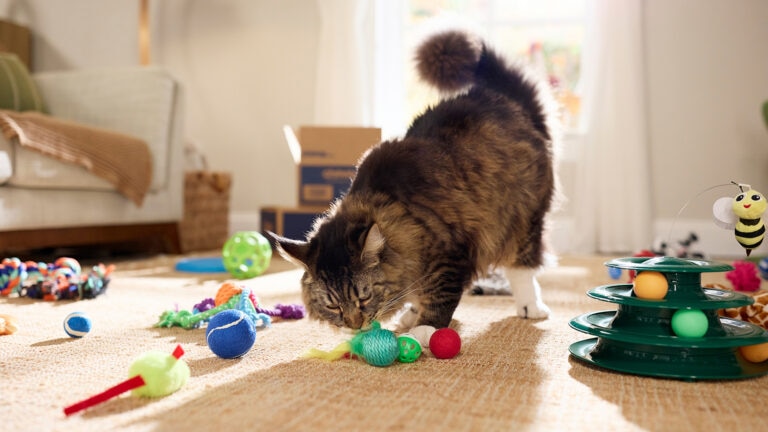
The kind of toy also changes how cats meow. Toys that mimic prey, like feathers or mice, often trigger more vocal play. Interactive toys, which require the cat to chase or pounce, can increase meowing. Simple toys might not cause much noise from your cat at all. The way a cat plays and the toy’s design influence its vocal behavior.
Credit: www.chewy.com
Tips To Respond To Your Cat’s Meows
Understanding how to respond to your cat’s meows during play helps build a stronger bond. Cats use meows to communicate their feelings and needs. Your reaction teaches them what to expect and how to behave.
Knowing when to encourage or redirect your cat’s meows creates a positive playtime experience. It also helps prevent unwanted behaviors. Below are some tips to guide your responses effectively.
Encouraging Positive Play
- Respond with gentle praise to happy or excited meows.
- Use toys that mimic prey to keep your cat engaged.
- Speak softly to maintain a calm and fun atmosphere.
- Reward quiet focus with treats or petting after play.
- Observe your cat’s mood and adjust play style accordingly.
When To Ignore Or Redirect
- Ignore loud or demanding meows that interrupt play.
- Redirect attention with a new toy if meowing turns to frustration.
- Stop playtime if meows become excessive or aggressive.
- Teach quiet signals by pausing interaction until meows stop.
- Offer a cozy spot for your cat to relax after play.
Frequently Asked Questions
Why Does My Cat Meow While Playing With Toys?
Cats meow during play to communicate excitement or frustration. It mimics hunting behavior and expresses their emotional state. This vocalization helps them engage more actively with their environment and owners.
Is Meowing Normal When Cats Play With Toys?
Yes, meowing is normal during play. It shows your cat is stimulated and enjoys the interaction. Different meows can indicate curiosity, eagerness, or mild annoyance.
Can Meowing Mean My Cat Wants More Playtime?
Often, yes. Meowing can signal your cat’s desire for extended play sessions. It’s their way of asking for attention and more engagement.
Does Meowing Indicate Stress During Play?
Sometimes. If meows sound distressed or unusual, your cat may be overwhelmed or frustrated. Monitor their behavior to ensure play remains positive and fun.
Conclusion
Cats meow while playing to express excitement or ask for attention. This behavior shows their joy and curiosity during playtime. Listening to your cat’s sounds helps you understand their feelings better. Play is important for your cat’s health and happiness.
Keep offering toys and join in their fun. Your cat’s meows are part of their unique way to communicate. Enjoy these playful moments—they build a strong bond between you and your pet.

Leave a Reply