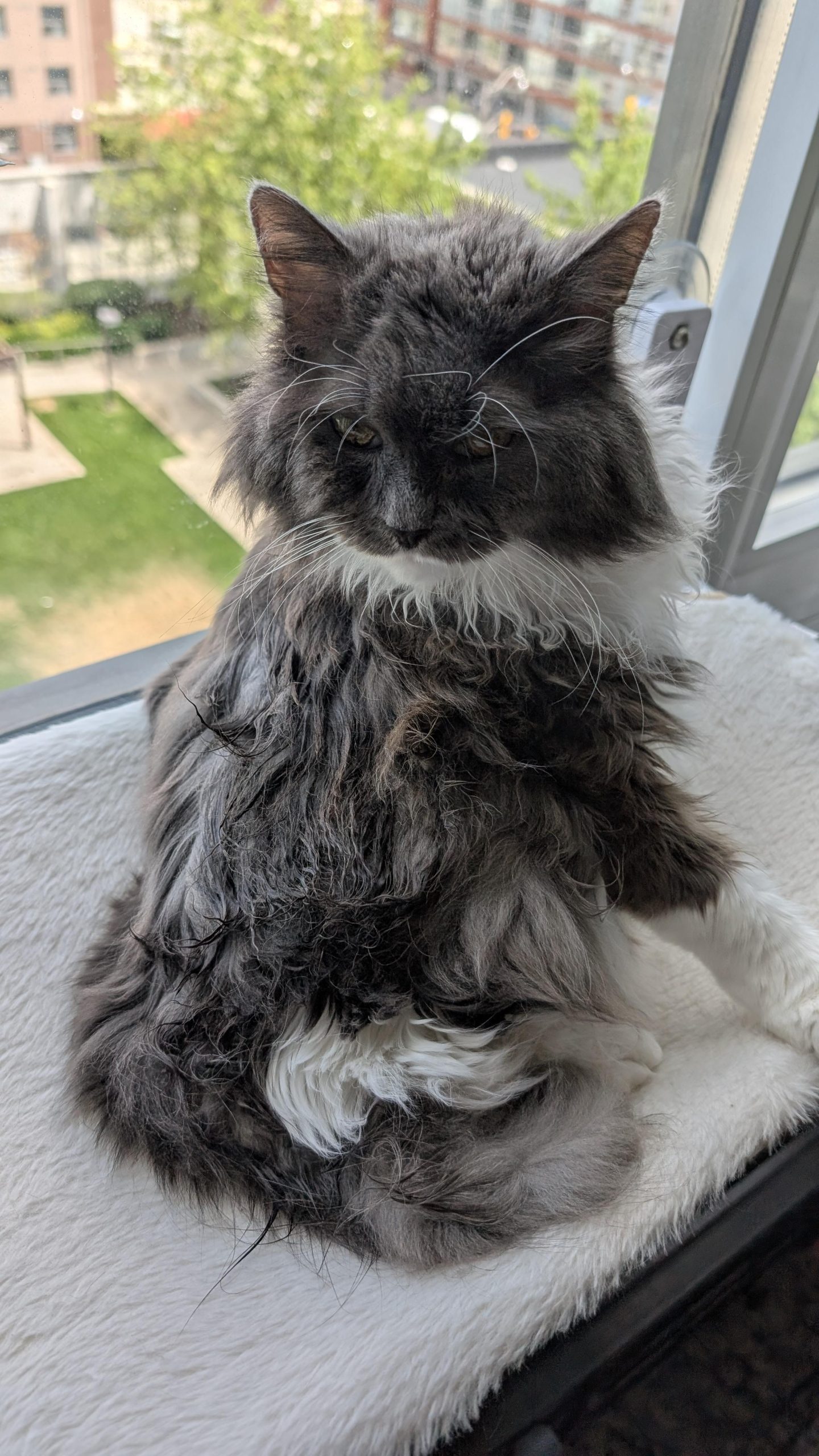
Have you ever caught your cat licking itself nonstop and wondered, “Is this normal?” Cats are known for their grooming habits, but when does cleaning turn into too much? Understanding your cat’s grooming behavior can help you spot if something is off before it becomes a problem.
If you want to know what’s typical and when to worry, keep reading—your cat’s health and happiness might depend on it.
Cat Grooming Basics
Understanding the basics of cat grooming can help you recognize what’s normal and when to be concerned. Cats spend a significant part of their day cleaning themselves, but why do they do it so often? Knowing the reasons behind this behavior can deepen your bond with your feline friend and improve their care.
Why Cats Groom Themselves
Cats groom themselves to stay clean and remove dirt or loose fur. This behavior also helps regulate their body temperature by spreading natural oils through their coat. Have you noticed how your cat often licks their paws before wiping their face? This is a clever way to reach spots that are hard to clean directly.
Grooming also serves as a way for cats to reduce stress and calm themselves. When your cat suddenly starts licking obsessively, it might be their way of coping with anxiety. Can you recall a time when your cat groomed more after a loud noise or change in environment?
Typical Grooming Patterns
Most cats groom multiple times a day, often following a predictable pattern. They usually start by licking their paws, then use those paws to clean their face and head. Afterward, they move on to other areas like their back, sides, and tail.
Older cats or those with health issues might groom less frequently or show signs of over-grooming. Watch for bald patches or redness as these can indicate problems. Do you see your cat spending just the right amount of time grooming, or is it more than usual?
Benefits Of Grooming
Grooming keeps your cat’s coat healthy by removing dead hair and preventing matting. It also helps distribute natural oils, making their fur shiny and soft. This natural maintenance saves you from frequent baths and reduces shedding around your home.
Beyond cleanliness, grooming strengthens your cat’s immune system by stimulating blood flow to the skin. It also helps them stay alert and comfortable. Next time you see your cat cleaning themselves, remember it’s a vital part of their self-care routine that keeps them happy and healthy.
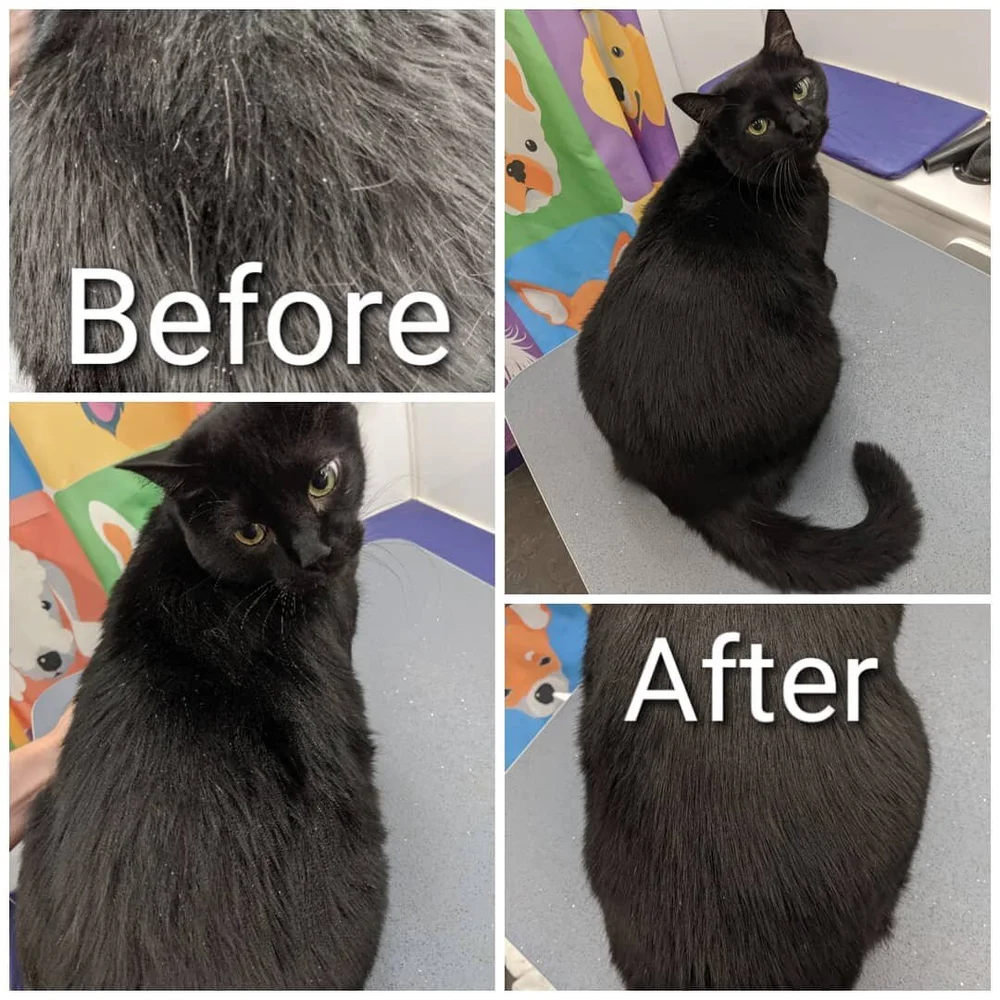
Credit: www.squeakycleangrooming.com
When Grooming Becomes Excessive
Cats are natural groomers, but sometimes their grooming habits can go beyond normal. When grooming becomes excessive, it signals that something might be wrong. Paying attention to this behavior can help you protect your cat’s health and comfort before problems worsen.
Signs Of Over-grooming
How do you know if your cat is grooming too much? Look for bald patches or thinning fur, especially in spots like the belly, legs, or tail. You might also notice red, irritated, or scabby skin, which means your cat’s grooming is causing damage.
Another sign is if your cat spends an unusual amount of time licking or biting a particular area, often to the point of distress. If your cat seems anxious or restless and grooming is their main activity, it could be a red flag.
Common Causes Of Excessive Grooming
Excessive grooming can be caused by many factors. Allergies, whether to food, fleas, or environmental triggers, often lead cats to lick and scratch more than usual. Stress or anxiety is another frequent cause, especially if there have been changes in your cat’s environment or routine.
Medical issues like skin infections, parasites, or pain in a specific area might also make your cat over-groom. Sometimes, over-grooming is a response to boredom or lack of stimulation, so keeping your cat mentally and physically active matters.
Health Risks Linked To Over-grooming
Letting over-grooming go unchecked can lead to serious health problems. Constant licking can create open wounds that become infected. Your cat may develop hot spots or chronic skin conditions that are painful and difficult to treat.
In severe cases, hair loss can lead to sunburn or exposure to other irritants. Over time, the stress and discomfort caused by excessive grooming can affect your cat’s overall well-being and behavior. Have you noticed any unusual grooming patterns in your cat lately? It might be time to consult your vet.
Behavioral Triggers
Cats groom themselves frequently, but understanding why they do it can help you spot when something’s off. Behavioral triggers often push cats to groom more than usual. These triggers are usually linked to their emotional state or environment, not just cleanliness.
Stress And Anxiety
Stress can make your cat lick or groom excessively. Changes like moving to a new home, loud noises, or new people can unsettle them. If your cat suddenly starts grooming a lot, ask yourself if something stressful happened recently.
One cat owner told me her shy kitty began over-grooming after a new dog arrived. It wasn’t about being clean; it was a way to cope. Watching your cat’s behavior closely can reveal if stress is behind the grooming.
Boredom And Lack Of Stimulation
Cats need mental and physical activity. Without it, they might groom out of boredom. Think about your cat’s daily routine—does it include enough playtime and interaction?
You might notice your cat grooming more on days you’re busy or away longer. Adding toys, puzzle feeders, or short play sessions can reduce this behavior. Have you tried mixing up your cat’s activities to keep them engaged?
Environmental Factors
Sometimes, the environment itself causes increased grooming. Dry air, allergies, or even dirty fur can trigger your cat to lick more. Check if your home has any irritants like strong scents or dust.
Some cats react to changes in weather or humidity by grooming excessively. Keeping your cat’s space clean and comfortable can help. Have you considered if something in your cat’s environment might be causing discomfort?
)
Credit: www.northroadvet.com.au
Medical Conditions Affecting Grooming
Excessive grooming in cats isn’t always just a quirky habit or a sign of cleanliness. Sometimes, it signals underlying medical issues that need your attention. Understanding these conditions can help you spot problems early and ensure your cat stays healthy and comfortable.
Skin Allergies And Irritations
Skin allergies can cause your cat to lick or chew its fur more than usual. These allergies might come from food, environmental factors like pollen, or even household cleaners. You might notice red, inflamed patches or small bumps on your cat’s skin where they groom excessively.
If your cat is scratching or grooming more than normal, ask yourself: Could something in their environment be triggering this reaction? Keeping a close eye on changes in diet or surroundings can help you identify potential allergens.
Parasites And Infections
Parasites such as fleas or mites often make cats uncomfortable and lead to intense grooming. Your cat might obsessively bite or scratch certain spots trying to get relief. Infections, whether bacterial or fungal, can also cause itching and cause your cat to focus grooming on affected areas.
Have you ever noticed sudden hair loss or scabs on your cat? These signs often point to parasites or infections. Regular vet checks and preventive treatments can keep these problems at bay.
Pain And Discomfort
Sometimes grooming is a way for cats to soothe pain. Conditions like arthritis or injuries might make a cat lick sore areas repeatedly. This behavior might seem normal but can actually indicate discomfort that needs veterinary care.
Think about whether your cat’s grooming is focused on one spot or accompanied by limping or reluctance to move. Addressing pain early can prevent further issues and improve your cat’s quality of life.
When To Seek Veterinary Help
Cats groom themselves to stay clean and healthy. But too much grooming can signal a problem. Knowing when to seek veterinary help protects your cat’s health. Watch for signs that go beyond normal licking and cleaning.
Identifying Red Flags
- Constant licking or biting at one spot
- Bald patches or missing fur
- Open sores or redness on the skin
- Scabs, dandruff, or flaky skin
- Swelling or lumps under the fur
- Changes in behavior like irritability or hiding
- Sudden increase in grooming after a stressful event
These signs may mean your cat is in discomfort or pain. Ignoring them can make conditions worse.
Diagnostic Approaches
The vet will start with a physical exam. They check the skin, fur, and overall health. They may ask about your cat’s habits and environment.
Tests help find the cause:
- Skin scrapings to detect parasites or infections
- Allergy tests for food or environmental triggers
- Blood tests to check for underlying diseases
- Biopsy if unusual lumps or severe skin changes appear
These tests guide the vet to the right diagnosis.
Treatment Options
Treatment depends on the cause of over-grooming. Common approaches include:
- Medications to treat infections or parasites
- Anti-inflammatory drugs to reduce itching and swelling
- Special shampoos to soothe irritated skin
- Diet changes for food allergies
- Behavioral therapy or environmental enrichment for stress-related grooming
Follow the vet’s advice carefully to help your cat heal. Early treatment improves recovery chances.

Credit: petcube.com
Tips To Manage Grooming Behavior
Cats grooming themselves often is normal, but excessive licking might signal stress or health issues. Provide a calm environment and regular vet visits to help manage this behavior. Offering toys and playtime can also reduce over-grooming by keeping your cat engaged.
Cats are known for their meticulous grooming habits, often spending a significant portion of their day cleaning themselves. While grooming is a natural behavior, excessive grooming can sometimes indicate underlying issues. If your cat’s grooming seems to be taking over their daily routine, it might be time to consider strategies to manage this behavior. By enhancing their environment, reducing stress, and ensuring proper nutrition, you can help your feline friend maintain a healthy grooming balance.Enhancing Environment And Enrichment
A stimulating environment can significantly impact your cat’s grooming habits. By providing a variety of toys and interactive play sessions, you can keep your cat engaged and reduce boredom, which can lead to over-grooming. Consider setting up a window perch or cat tree to offer your cat a view of the outside world. These simple additions can provide mental stimulation and alleviate the urge to over-groom.Stress Reduction Techniques
Just like humans, cats can experience stress, which may manifest as excessive grooming. Identifying and minimizing stressors in your cat’s environment is crucial. You might try using calming sprays or diffusers designed for cats to create a more soothing atmosphere. Regularly spending quality time with your cat can also help alleviate anxiety, reducing the need for compulsive grooming.Proper Nutrition And Care
A balanced diet plays an essential role in your cat’s overall health, including their skin and coat condition. Ensure your cat receives a diet rich in essential nutrients and fatty acids, which promote a healthy coat and reduce the likelihood of grooming-related skin issues. Regular veterinary check-ups are also vital to catch any potential health problems early. By maintaining your cat’s health, you can prevent grooming from becoming a sign of a more serious issue.Frequently Asked Questions
Why Do Cats Groom Themselves Frequently?
Cats groom to clean their fur, remove loose hair, and regulate body temperature. Grooming also reduces stress and strengthens their bond with themselves. Frequent grooming is normal unless it leads to bald patches or skin irritation.
How Much Grooming Is Normal For Cats Daily?
Cats typically groom themselves 30-50% of their waking hours. This means several sessions throughout the day, lasting a few minutes each. Excessive grooming may indicate stress or health issues and should be checked by a vet.
Can Excessive Grooming Indicate Health Problems?
Yes, excessive grooming can signal allergies, skin infections, or parasites. It may also point to stress or anxiety in cats. If grooming causes hair loss or wounds, consult a veterinarian promptly for diagnosis and treatment.
Do All Cat Breeds Groom The Same Way?
Most cats groom similarly, but some breeds like Persians may groom less due to longer fur. Short-haired cats often groom more frequently to keep clean. Grooming habits can also vary based on individual cat behavior and environment.
Conclusion
Cats grooming themselves a lot is usually normal behavior. It helps them stay clean and healthy. Sometimes, too much grooming can mean stress or health problems. Watch your cat closely for changes in habits or skin issues. Regular vet visits keep your cat in good shape.
Understanding your cat’s grooming helps you care better. Small actions make a big difference in their happiness. Keep observing and enjoy your clean, happy cat.



Leave a Reply